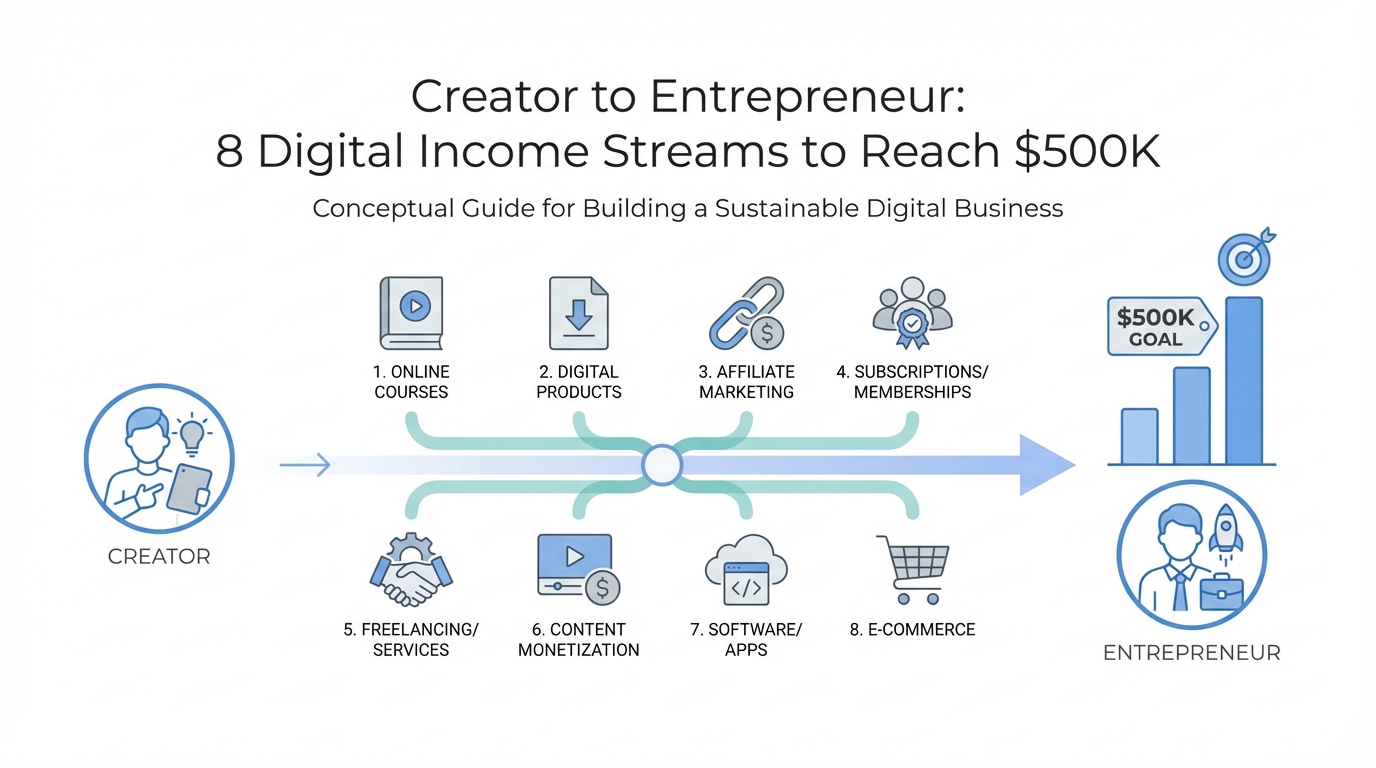
The dream of the "one big idea" has led many talented developers and creators into the trap of burnout. We are often told that focus is the ultimate superpower, and while that is true in execution, it can be a financial death trap during the discovery phase. The reality of the modern internet economy is that success often comes not from a single lightning strike, but from stacking small wins. Floren Pop, a developer who has generated over $500,000 in total revenue, is a prime example of how a creator business model built on a portfolio of projects can provide more stability and higher upside than any single corporate role or "perfect" startup idea ever could.
The Portfolio Mindset: Diversifying Revenue

Most people start their journey by looking for digital product ideas that will change their lives overnight. However, Floren discovered that timing, distribution, and market fit are often outside of an individual's control. If you bet everything on one project and it fails, you are left with nothing. By shifting to a portfolio mindset, you treat your career like an index fund. You don't put all your money into one stock; you spread it across multiple assets. As highlighted in his interview with Starter Story, this approach reduces both emotional and financial risk. If one stream slows down, the others carry the weight.
This strategy is particularly effective for those looking to monetize coding skills. Instead of spending two years building a complex platform, you can build a "tiny tool" in a week. If it gains traction, you keep going. If it doesn't, you move on without the baggage of "failure." Platforms like Stormy AI understand this ecosystem well, as they serve creators who use AI-powered search to find the perfect niche and audience for their tools. The goal is to build a diversified portfolio of income sources that compound over time, where your content drives traffic to your products, and your products build authority for your content.
Eight Income Streams to $500K
Floren’s journey to $500,000 in revenue wasn't a straight line. It was a collection of different SaaS revenue streams, info-products, and service-based work. Here is a breakdown of the eight core pillars that made up his half-million-dollar portfolio:
- Online Courses ($180,000): By teaching what he knew, Floren tapped into the highest-margin creator business model. Courses are "build once, sell forever" assets that leverage your expertise.
- SaaS Products ($68,000 + $50,000 Exit): Building software solutions solves recurring problems. His first successful SaaS generated consistent monthly revenue and was eventually sold for a significant lump sum.
- YouTube Ads and Sponsorships ($100,000): YouTube serves as the ultimate top-of-funnel engine. While the passive income for developers from ads is great, the real value is the trust built with the audience. Savvy creators use Stormy AI to vet potential brand partners and ensure their audience demographics align with the products they promote.
- Freelancing (Tens of Thousands): Especially in the early days, freelancing provides the necessary cash flow to fund more experimental projects.
- eBooks ($30,000): A lower barrier to entry than a full course, eBooks are excellent digital product ideas for validating a niche.
- Consulting ($14,000): High-ticket, one-on-one sessions where you trade specific knowledge for a premium price.
- Small Tools and Apps ($10,000 - $15,000): These "micro-SaaS" projects prove that even small solutions can add up to significant annual revenue.
- Affiliate Marketing and Referrals: Recommending tools you already use can provide a "set it and forget it" income stream.
SaaS vs. Info-Products: Finding the Balance
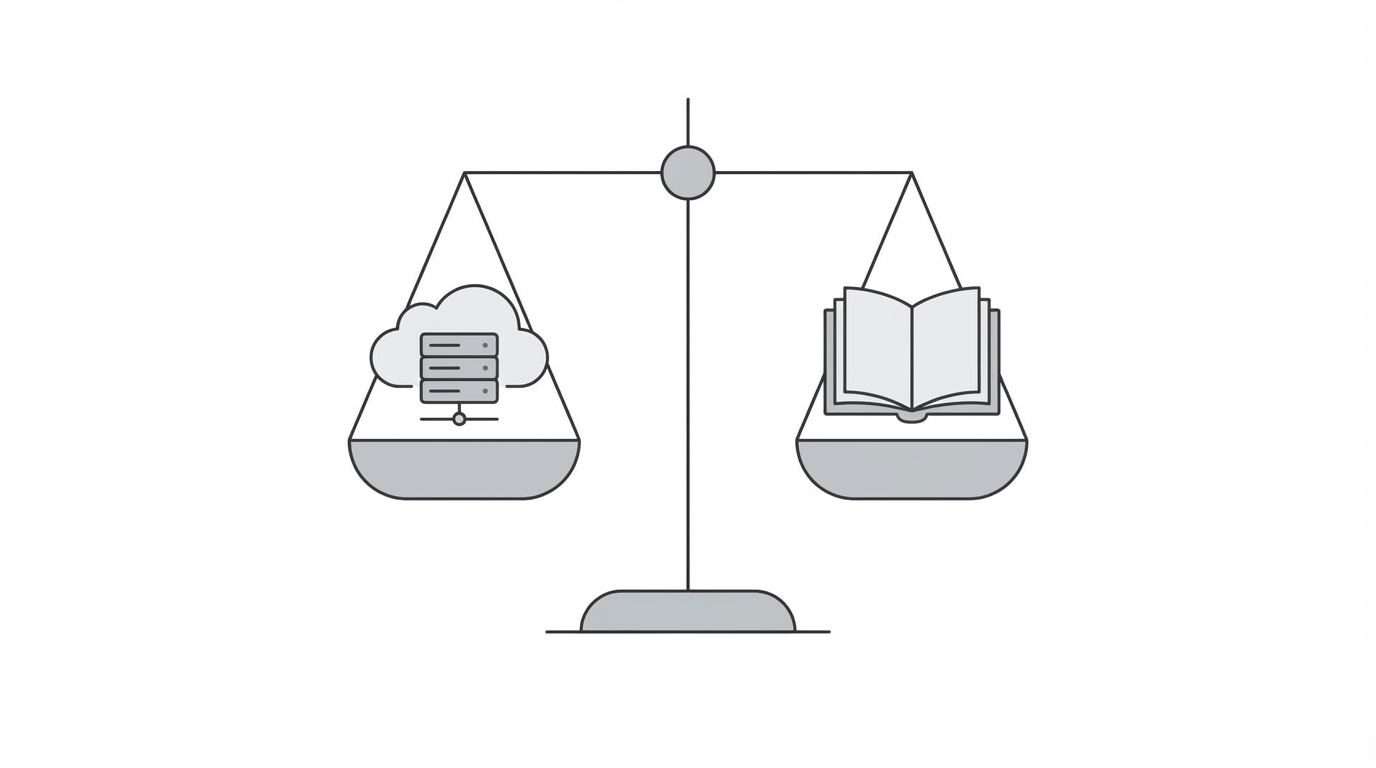
When looking to monetize coding skills, many developers jump straight to SaaS. While SaaS revenue streams are highly valuable because of their recurring nature and high exit multiples, they come with significant overhead. You have to handle customer support, server maintenance, and constant bug fixes. As your SaaS grows, so does the complexity. If you are targeting enterprise clients, you also have to worry about security audits and compliance. Tools like Vanta can automate these painful parts of compliance, making it easier to land big deals, but the mental load remains higher than that of an info-product.
On the flip side, info-products like courses and eBooks are "cleaner." There are no servers to crash at 3 AM. However, they are often "one-off" sales. To reach $500,000, you need a balance. Use info-products to generate quick capital and SaaS to build long-term wealth. The key is to serve the same niche across both. If you teach people how to code in React (Course), you should also build a tool that makes React development faster (SaaS). This creates a flywheel where your customers move from your free content to your paid education, and finally to your software solutions.
Distribution as a Discovery Engine
The "build it and they will come" philosophy is a myth. Most projects fail because nobody ever hears of them. To build a successful creator business model, you must treat social media as your discovery engine. YouTube, Twitter, and TikTok are not just places to "post content"; they are top-of-funnel platforms that feed your entire ecosystem. When you share your build process publicly, you are building in public, which creates a narrative that people want to follow.
For mobile app developers and those running app install campaigns, this distribution is even more critical. You cannot rely solely on the App Store algorithms. You need a presence on platforms where your users hang out. Many successful founders use Google Ads and Meta Ads Manager to jumpstart their growth, but the organic "top-of-funnel" provided by consistent content creation is what makes a brand sustainable. By shipping content regularly, you gather data on what your audience actually wants before you ever write a line of code for your next digital product ideas.
Step-by-Step Playbook for Your First Win
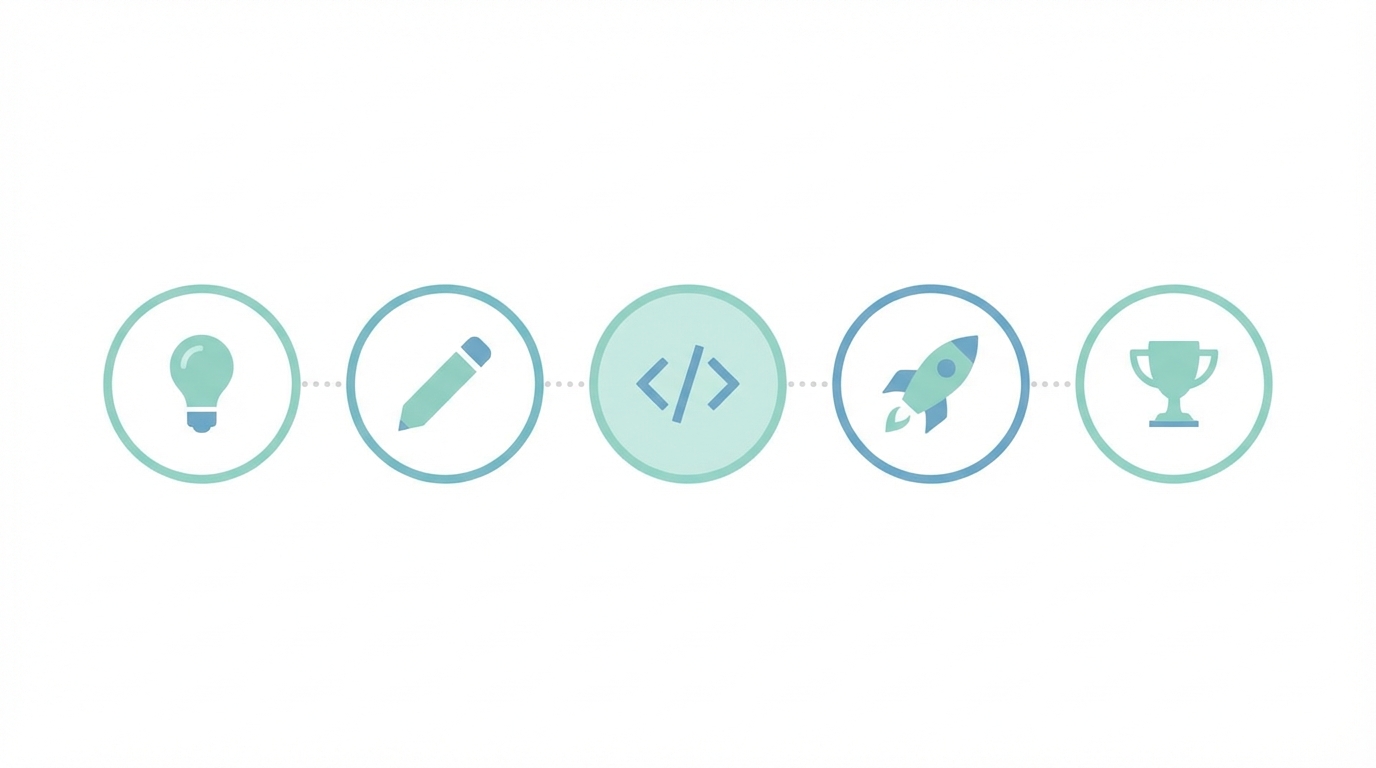
If you are starting from zero, don't try to build all eight income streams at once. Follow this playbook to find your first win and then stack from there:
Step 1: Build Something Small but Useful
Don't aim for a "platform." Aim for a utility. What is a problem you have right now? Build a tool that solves it in a matter of days or weeks. Speed of shipping is more important than perfection at this stage.
Step 2: Ship It Publicly
Shipping is non-negotiable. Put your project on Product Hunt, Reddit, or Twitter. If you are targeting developers, share it on Hacker News. The goal is to get eyeballs on the product immediately. Remember: action produces information.
Step 3: Gather Feedback and Iterate
Listen to the people who use (or don't use) your tool. Are they complaining? Are they asking for features? Use this qualitative data to decide your next move. If people are silent, it might mean the problem isn't painful enough.
Step 4: Add Monetization Early
Validation isn't a "like" or a "retweet." Validation is a dollar. Add a simple paywall or a "Buy Me a Coffee" link. If people are willing to pay for a raw, early-stage version of your product, you have found a SaaS revenue stream worth pursuing.
Step 5: Double Down or Move On
If the project shows traction, invest more time. If it remains flat after a few months of effort, move on without guilt. Every project you build increases your "luck surface area" and teaches you skills you will use in the next one.
The Modern Tech Stack for Solo Founders
To manage multiple projects effectively, you need a tech stack that prioritizes speed and scalability. You don't want to spend weeks setting up infrastructure. Floren recommends a streamlined stack that allows for rapid deployment:
- Frontend: NextJS is the gold standard for modern web development, offering both flexibility and SEO benefits out of the box.
- Backend & Auth: Supabase provides an open-source Firebase alternative that handles your database and authentication with minimal configuration.
- Hosting: Vercel makes the deployment process seamless, allowing you to go from code to production in seconds.
- Newsletters: Beehiiv is a powerful platform for managing and monetizing your audience through email marketing.
- AI Assistance: Leveraging tools like ChatGPT for code snippets, marketing copy, and brainstorming can effectively double your output as a solo founder.
Managing 'ADHD Brain' and Productivity
The biggest challenge of the portfolio approach is focus. It is easy to start ten projects and finish none. The secret is not to work on eight projects simultaneously. Instead, work on one project at a time until it reaches a "maintenance phase."
Once a project is built and has some traction, your goal should be to automate yourself out of it. Successful entrepreneurs know that delegation and automation are the only ways to scale a multi-faceted business, often using Stormy AI to set up autonomous AI agents that handle the creator discovery and outreach process on a daily schedule while they sleep.
UGC and the Future of Creator Income
As you build your portfolio, keep an eye on the shifting landscape of digital marketing. Traditional ads are becoming more expensive and less effective. The current "gold rush" for app developers and digital brands is User-Generated Content (UGC). Brands are desperate for authentic-looking videos to power their app install campaigns on TikTok and Instagram.
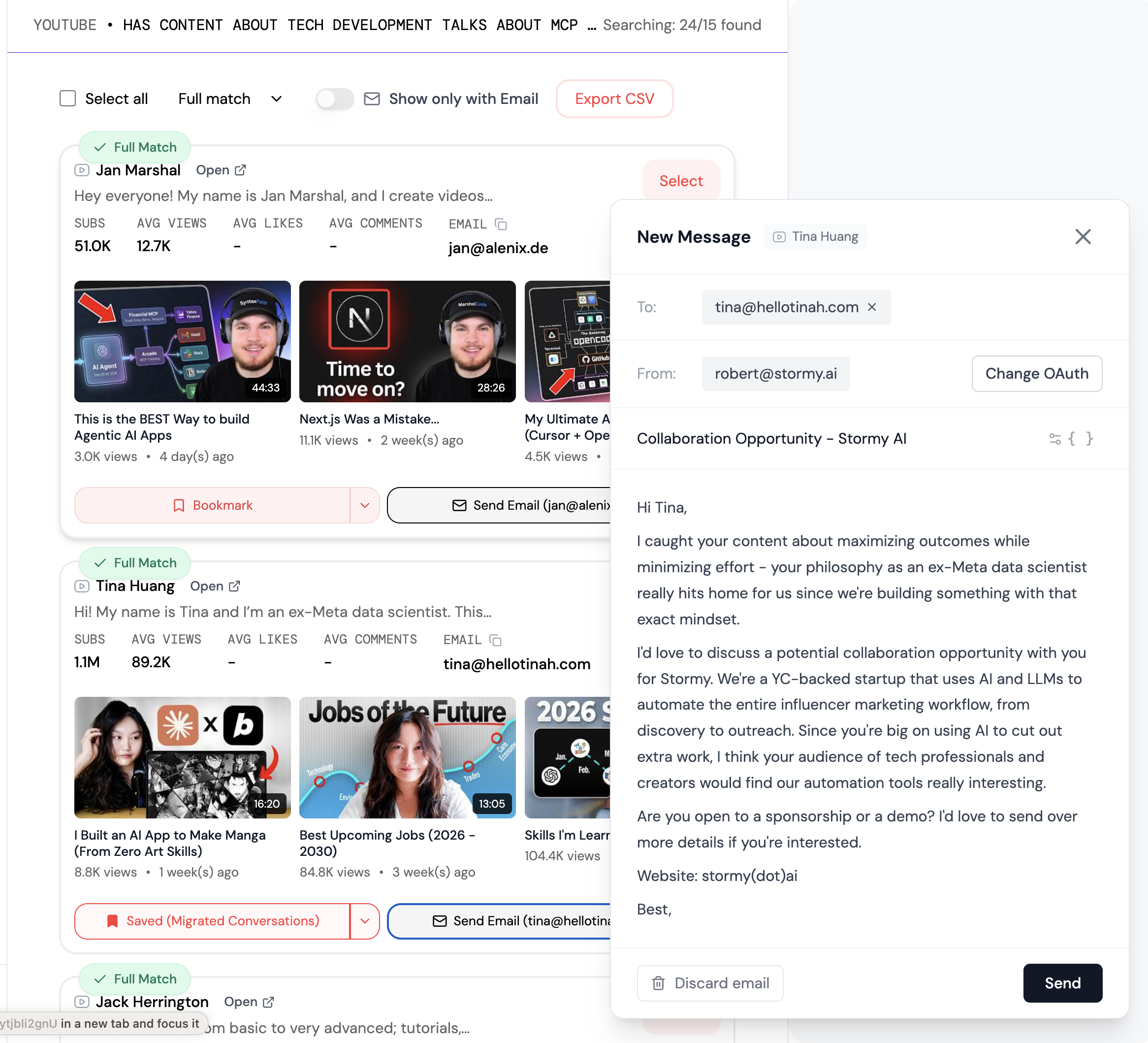
For the modern creator, this represents a massive opportunity. You can offer UGC services as one of your income streams, or you can use UGC to market your own SaaS revenue streams. If you are struggling to find the right creators to represent your brand, Stormy AI provides an AI-powered platform to find and manage UGC creators who can bring your product to life. With its built-in creator CRM and automated email follow-ups, you can scale your marketing efforts without the manual grind of legacy tools like Tagger or impact.com. Integrating these modern marketing strategies with your technical skills is the fastest way to bridge the gap between a "hobby project" and a $500,000 business.
Conclusion: Start Stacking Wins
Reaching $500,000 in revenue doesn't require a billion-dollar idea. It requires a commitment to shipping and a willingness to diversify. Stop comparing your "Level 1" to someone else's "Level 20." Focus on monetizing coding skills through small, repeatable wins. Whether it is a simple eBook, a niche SaaS, or a YouTube channel, every asset you build adds another layer of security to your career. The tools are more accessible than ever, and the market is hungry for authentic solutions. Stop overthinking, start shipping, and build your portfolio today.