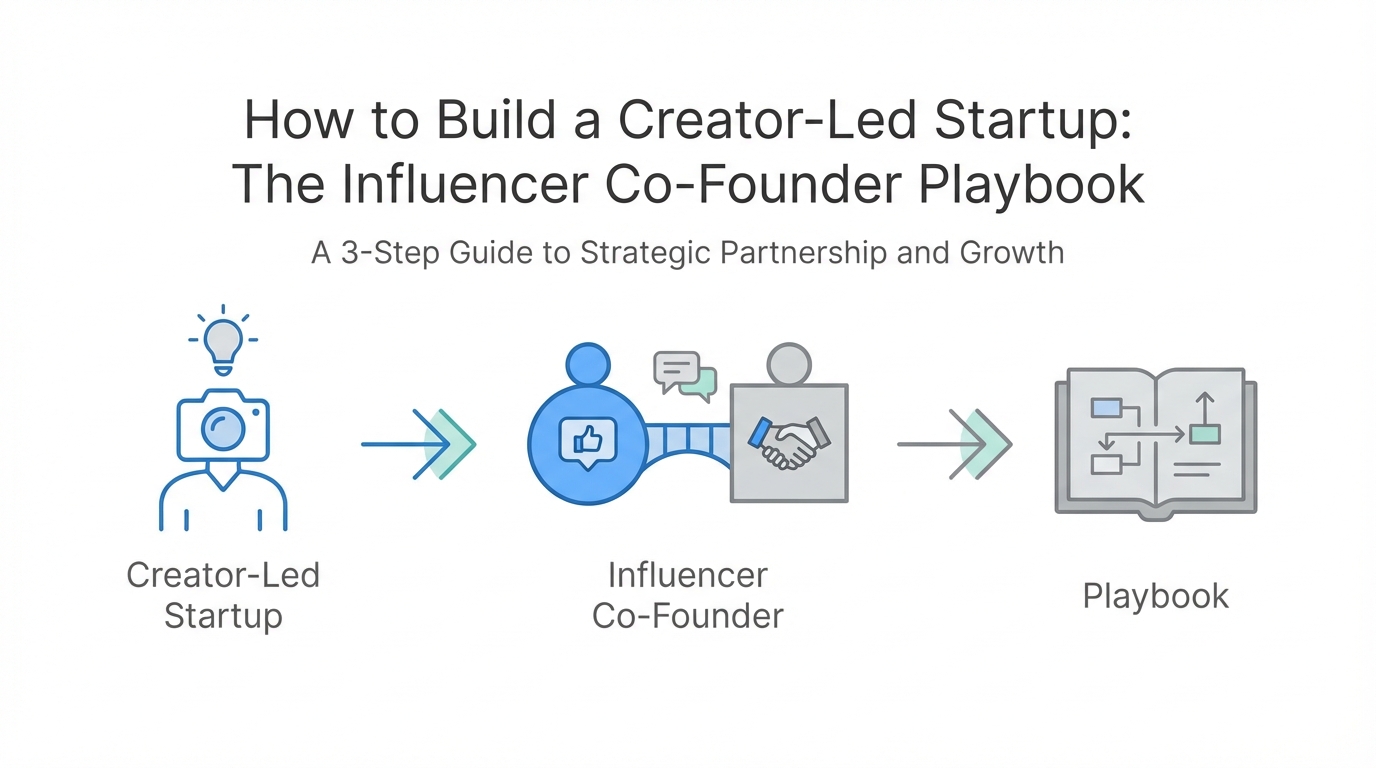
The Death of Transactional Influencer Marketing
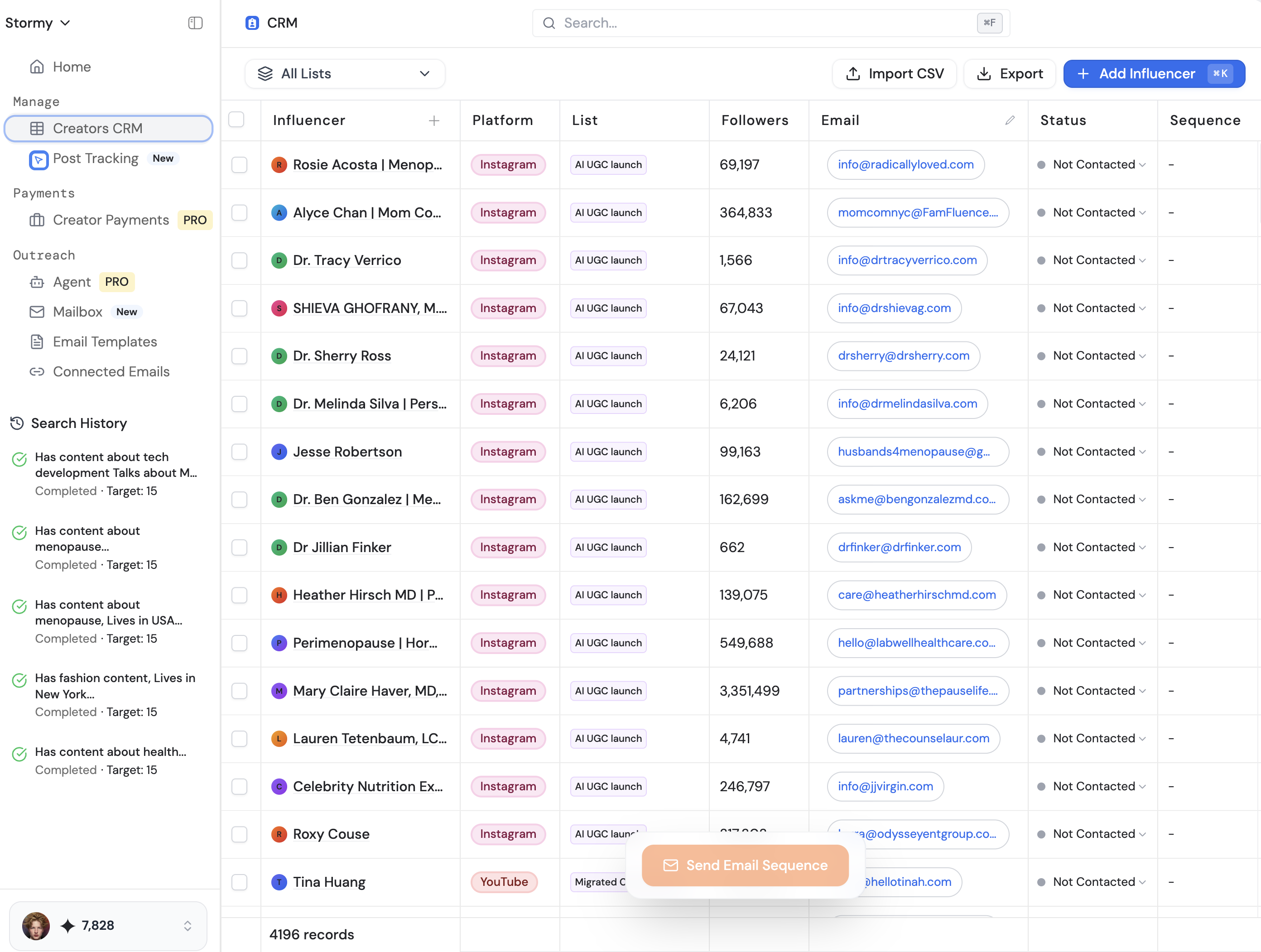
Most influencer marketing strategy decks focus on reach, impressions, and vanity metrics. However, when you pay a creator $1,000 for a single post, their incentive is to fulfill the contract, not to build a lasting company. Once the check clears, the advocacy stops. This creates a high-friction environment where founders are constantly hunting for new creators to fill a leaky bucket. To build a sustainable creator-led startup, you must transition from being a "sponsor" to a partner. By offering startup equity for influencers, you align their long-term financial success with the growth of your product. This turns a social media account into a dedicated distribution engine that works 24/7 because the creator is an owner, not a temporary billboard.
Founders who succeed in this space, like Reed Manata of Fitted, realize that the most valuable asset isn't just the creator’s audience—it's their intuition. When a creator has a vested interest, they don't just post; they iterate. They watch the algorithm, they respond to every comment, and they bridge the gap between product development and market demand. Tools like Paywall Experiments show that the difference between a high-converting user journey and a failure often lies in small, data-driven tweaks. In a creator-led model, your co-founder provides that data in real-time by acting as the ultimate voice of the customer.
The 'Crawl, Walk, Run' Framework
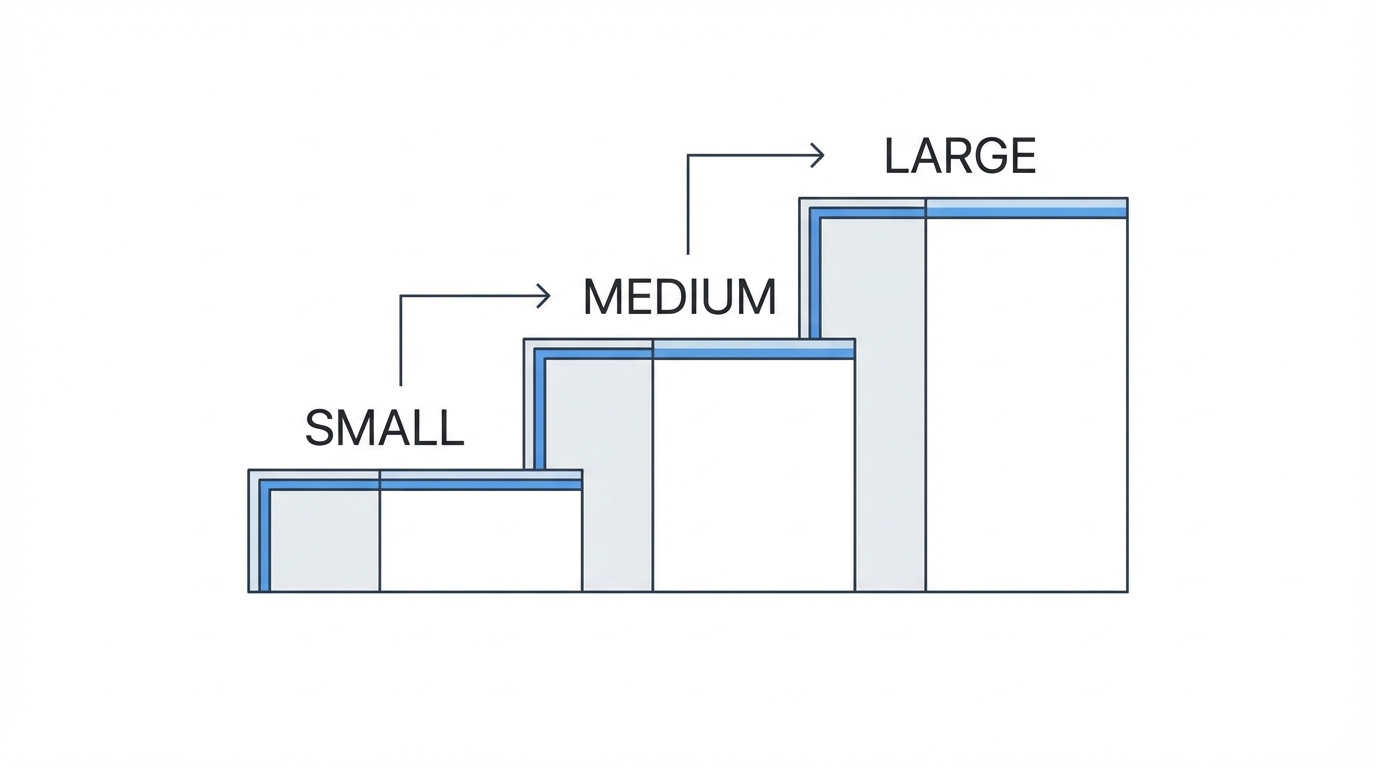
One of the biggest mistakes founders make is handing out equity too early. You wouldn't marry someone after a first date, and you shouldn't give 5% of your company to a creator based on a high follower count. Instead, adopt the Crawl, Walk, Run framework. This allows you to vet the creator’s work ethic, their audience alignment, and their ability to drive actual downloads before making a long-term commitment.
Step 1: The Crawl Phase ($20 Video Tests)
Start by identifying creators who are already making content in your niche. Instead of a complex contract, offer a small fee—around $20 per video—to test different content hooks. This is how Reed Manata started with Max Gomez. Before Fitted was even a mobile app, Max was paid nominal amounts to "just cook" and create videos about fashion and outfit generation. The goal here is to see if the content can achieve 20,000 to 30,000 views organically without any paid push. This validates creator-led growth potential without risking significant capital. Platforms like Stormy AI are essential at this stage, providing an AI-powered search engine that helps you identify these rising stars through natural-language prompts before they become too expensive for seed-stage startups.
Step 2: The Walk Phase (Revenue Share)
Once a creator proves they can consistently hit the algorithm, move to a revenue share model. While legacy systems like impact.com have long been used for these workflows, modern AI-native platforms now integrate these incentives directly into a centralized creator CRM for better visibility. This incentivizes the creator to move beyond "awareness" and focus on conversion. For mobile apps, this might mean a percentage of every subscription or in-app purchase driven by their unique link. This stage tests the creator’s ability to sell and the product’s product-market fit. It’s also where you should start analyzing paywall performance using Superwall to ensure the traffic being driven is actually converting into revenue.
Step 3: The Run Phase (Equity and Co-Founder Status)
If the revenue share is working and the creator is deeply engaged in the product’s future, it’s time to bring them on as a co-founder. This involves meaningful equity—often with a standard four-year vesting schedule. At this point, the creator isn't just a marketing channel; they are a day-zero team member who sits in design meetings, influences the product roadmap, and acts as the face of the brand. This is where creator partnerships scale into generational businesses.
Finding the 'Undermonetized' Sweet Spot

When searching for a influencer co-founder, ignore the mega-celebrities with millions of followers. They are usually over-leveraged and expensive. Instead, look for undermonetized creators in the 50k to 150k follower range. These creators have high engagement and "viral potential" but haven't yet realized their full market value. They are often working day jobs or are recent graduates with immense talent but no infrastructure to build a product around their audience.
To find these creators, you need to be "chronically online," as the Fitted team describes it. Look for creators whose audience is "fanboying" or "fangirling" over their specific taste or style. You can use Stormy AI to vet creators and analyze deep audience demographics, helping you filter for these high-engagement micro-influencers who specialize in UGC content for mobile apps while automatically detecting engagement fraud. The ideal candidate is someone like Max Gomez: a creator who was already building a manual version of the product (an outfit generator) for himself before a founder ever reached out. When you find someone whose personal passion aligns perfectly with your product's utility, you've found founder-market fit.
Structuring Equity and Revenue Share

Transparency is key when structuring equity for creators. You want to offer enough upside to make the opportunity cost of other sponsorships irrelevant. A common structure involves a combination of vested equity (to ensure long-term retention) and a performance-based revenue share (to provide immediate cash flow). This dual incentive ensures they care about the app's valuation in five years AND its bank balance today.
Consider the following when drafting your agreement:
- Vesting Schedule: Standard 4-year vesting with a 1-year cliff is standard, but you can tie accelerated vesting to distribution milestones (e.g., reaching 100k downloads).
- Content Exclusivity: The creator should be the primary megaphone, meaning they shouldn't be shilling direct competitors on the same platform.
- Creative Control: The creator knows their audience better than you do. Your job is to provide the product and data; their job is to provide the organic video hooks that stop the scroll.
The Feedback Loop: Creator as Product Manager

The most underrated advantage of an influencer co-founder is the feedback loop. In a traditional startup, you have to pay for user testing or wait for support tickets to understand what’s broken. With a creator co-founder, the feedback is instant and public. They live in their comment sections, which serve as a massive, free R&D department. When users comment "I wish the app did X" or "This part is confusing," that sentiment should immediately inform your product roadmap.
At Fitted, this led to the development of features like the "Closet Ne(t)worth" flex. By noticing that their audience loved showing off high-value items, they prioritized features that allowed users to share their most expensive pieces to Instagram or Twitter. This is App Store Optimization (ASO) at its finest—building the features that the market is already begging for on social media. This loop turns influencer marketing into product-led growth.
Case Study: How Fitted Scaled to 500 Million Views
The story of Fitted is a masterclass in creator-led growth. Founder Reed Manata didn't start with a polished mobile app; he started with a vision for digitizing closets and a series of viral tests. By partnering with Max Gomez, who already had a hyper-engaged fashion audience, Fitted was able to generate 600,000 downloads primarily through organic TikTok and Reels content. Their strategy involved cross-posting viral hits and then putting modest ad dollars behind the videos that already had organic traction via Google Ads and TikTok Spark Ads.
Key takeaways from the Fitted playbook:
- Reverse Engineer Virality: They identified that simple "how-to" videos showing the product's utility often outperformed complex, high-production skits. One video showing an outfit generator hit 135 million views because it solved a clear problem.
- Frictionless Onboarding: To combat high churn, they are integrating with tools like Task Rabbit to help users digitize their closets, removing the primary barrier to entry.
- Market Share Over MRR: Early on, they focused on winning market share and collecting data over maximizing monthly recurring revenue (MRR). This long-term view is only possible when your distribution (the creator) is an owner who understands the vision.
Conclusion: Scaling to the Next Million Users
Building a creator-led startup is not a shortcut; it's a structural advantage. It allows you to bypass the traditional, expensive gatekeepers of digital advertising and build a direct line to your customers. By following the Crawl, Walk, Run framework, focusing on undermonetized creators, and treating your influencer as a true co-founder, you can achieve the kind of viral growth that was once reserved for billion-dollar brands.
As you look to replicate this model, remember that the goal is to build an ecosystem, not just an app. Whether it's through AI-powered closet data or integrating Web3 incentives, the future of consumer tech belongs to those who can marry a great product with a powerful, authentic voice. If you're ready to find your Max Gomez, Stormy AI allows you to set up an autonomous AI agent that discovers, outreaches, and follows up with creators on a daily schedule. Start by using Stormy AI to discover the creators who are already shaping the future of your industry. The next 500 million views are waiting—you just need the right partner to help you catch them.