The era of cheap customer acquisition through traditional paid social ads is effectively over. Founders today are facing a reality where rising costs on platforms like Meta Ads Manager are eating into margins, making it nearly impossible to scale sustainably without a massive venture capital war chest. However, a new paradigm has emerged for the AI age: creator-led growth. Instead of renting an audience from a tech giant, smart founders are now partnering with creators to own the distribution loop. By trading influencer equity or generous influencer revenue share for long-term attention, brands are building profitable flywheels that compound over time without the constant drip-feed of ad spend.
Step 1: Identify Your Underserved Niche

Before you can pitch a creator on a partnership, you need a product that resonates with a specific, hungry audience. The most successful creator-led businesses don't target broad markets; they find underserved niches where competition is low and pain points are high. You want to build a business on the back of a trend because the market momentum will do half the work for you. Using data-driven tools like Google Trends is essential for validating whether a niche is growing or dying.
When you are in the discovery phase, your goal is to learn the specific language of your target audience. Go to places like Reddit or TikTok to see what memes they respond to and what content formats they enjoy—whether it's long-form educational vlogs or rapid-fire short-form stories. If you are struggling to find a starting point, platforms like Idea Browser can provide data-backed startup ideas that highlight profitable gaps in the market. Understanding these nuances is the difference between a partnership that feels like a forced advertisement and one that feels like a natural community recommendation.

Step 2: Build a Killer V1 with AI Efficiency
In the past, building a software product required a massive engineering team. Today, you can build a one-killer-feature V1 using AI agents and low-code tools. Use a product requirement document (PRD) generated by AI to map out your positioning and copywriting. For the actual build, tools like Cursor and Replit allow you to scale a prototype into a functional version without a massive upfront investment. The goal is to get to a functional state where you can record a video of the product and send it to potential users.
By keeping your team small and your overhead low, you preserve the margin needed to offer creators attractive deals. Automate as much as possible using platforms like Zapier or AI agent builders like Lindy. Start with simple three-step automations—tasks that take you five minutes ten times a day—and gradually move toward automating 90% of your operations. This efficiency makes your company an attractive target for equity for influencers because they can see a streamlined, high-margin machine behind the content.
Step 3: The Math of Influencer Equity and Rev-Share
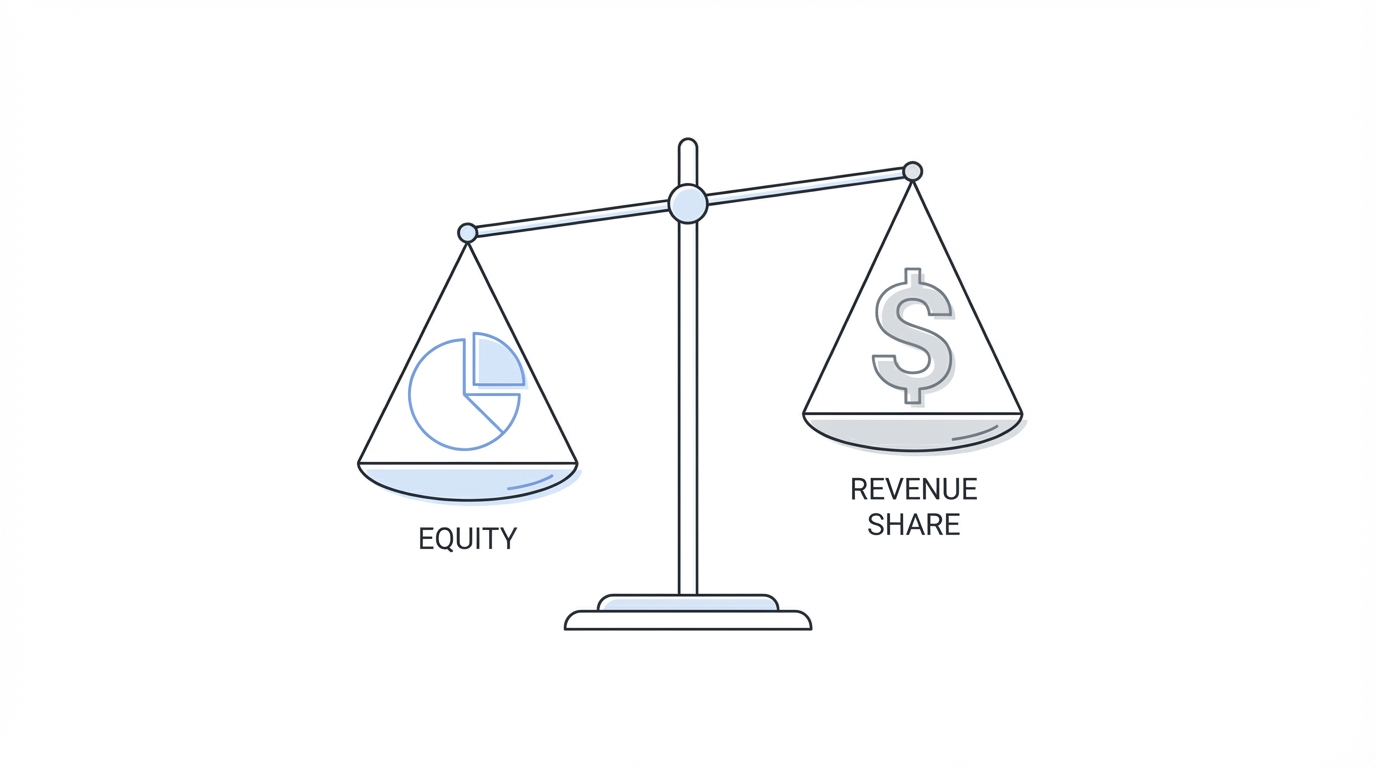
When you approach a creator for a long-term influencer marketing strategy, you have two primary levers: equity and revenue share. There is no one-size-fits-all deal, but there are standard benchmarks that help frame the conversation. If you are bringing a creator on as a true partner—someone who will be the "face" of the brand and drive significant long-term distribution—you are typically looking at 1% to 20% equity. According to equity management guides from Carta, this range depends on the creator's reach, the stage of your startup, and how much they are contributing beyond just mentions.
If you prefer to keep your cap table clean, a revenue share model is often more effective. In the early stages, you should be generous to incentivize the creator to take a risk on an unproven brand. We recommend 20% to 50% revenue share for conversions they drive. This is essentially a high-octane affiliate deal. You can start with a high percentage to get them on board and then gradually decrease that percentage for new affiliates as your brand's own distribution grows. Providing a recurring commission on subscriptions is often the key to keeping creators engaged long-term, as it builds their own passive income stream alongside your growth.
Step 4: Sourcing and Vetting the Right Partners
Finding the right creator is about more than just follower counts. You need individuals whose audience aligns perfectly with your underserved market. A creator with 50,000 highly engaged followers in a specific niche like "No-Code SaaS Builders" is worth significantly more than a lifestyle influencer with 1 million followers who has no connection to your product. You want to identify creators who are already talking about the pain points your product solves.
Once you've identified a list of potential partners, you must vet them for audience quality and engagement fraud. This is where modern AI tools become indispensable. For example, using Stormy AI allows founders to instantly analyze creator profiles to detect fake followers and verify demographic data. Tools like Stormy help you avoid wasting equity or high rev-share percentages on creators whose engagement is inflated by bots, ensuring your influencer marketing strategy is built on a foundation of real human attention.
Step 5: Building the Distribution Flywheel
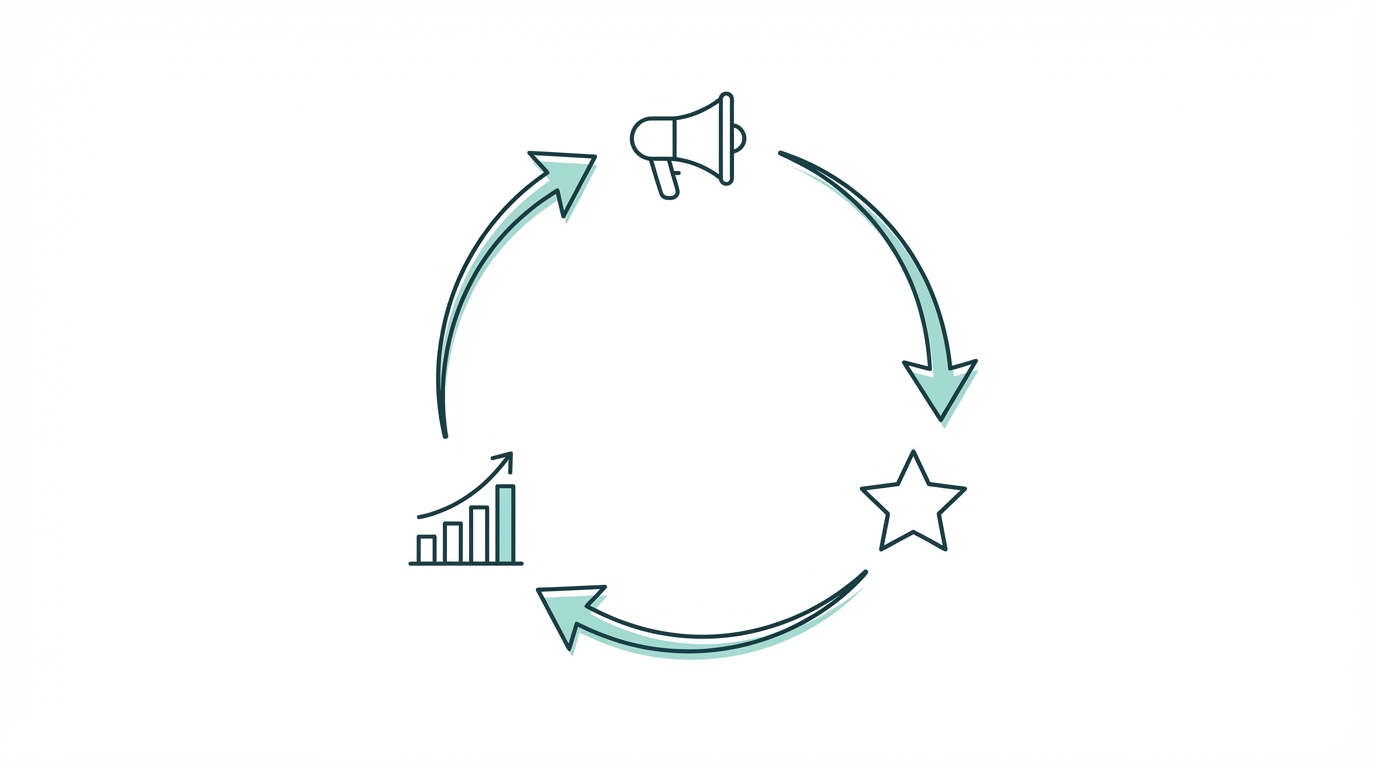
The secret to creator-led growth is building a flywheel where every piece of the business feeds the next. This concept, often visualized through the Walt Disney ecosystem map, suggests that your product should not exist in a silo. Instead, your audience leads to a community, which leads to a product, which then fuels more content for the audience. You want to own the loop so that you aren't just getting a one-time spike in traffic, but a compounding asset.
One effective way to fuel this flywheel is by building public-facing free tools that act as top-of-funnel lead magnets. For example, Veed.io has successfully used free tools like video converters to drive massive organic traffic. Whether it's an SVG-to-PNG converter or a specialized calculator for your niche, these lead magnets improve your SEO and give creators something valuable and "free" to share with their audience, which eventually funnels users into your paid tiers.
Step 6: Managing Relationships and Scaling
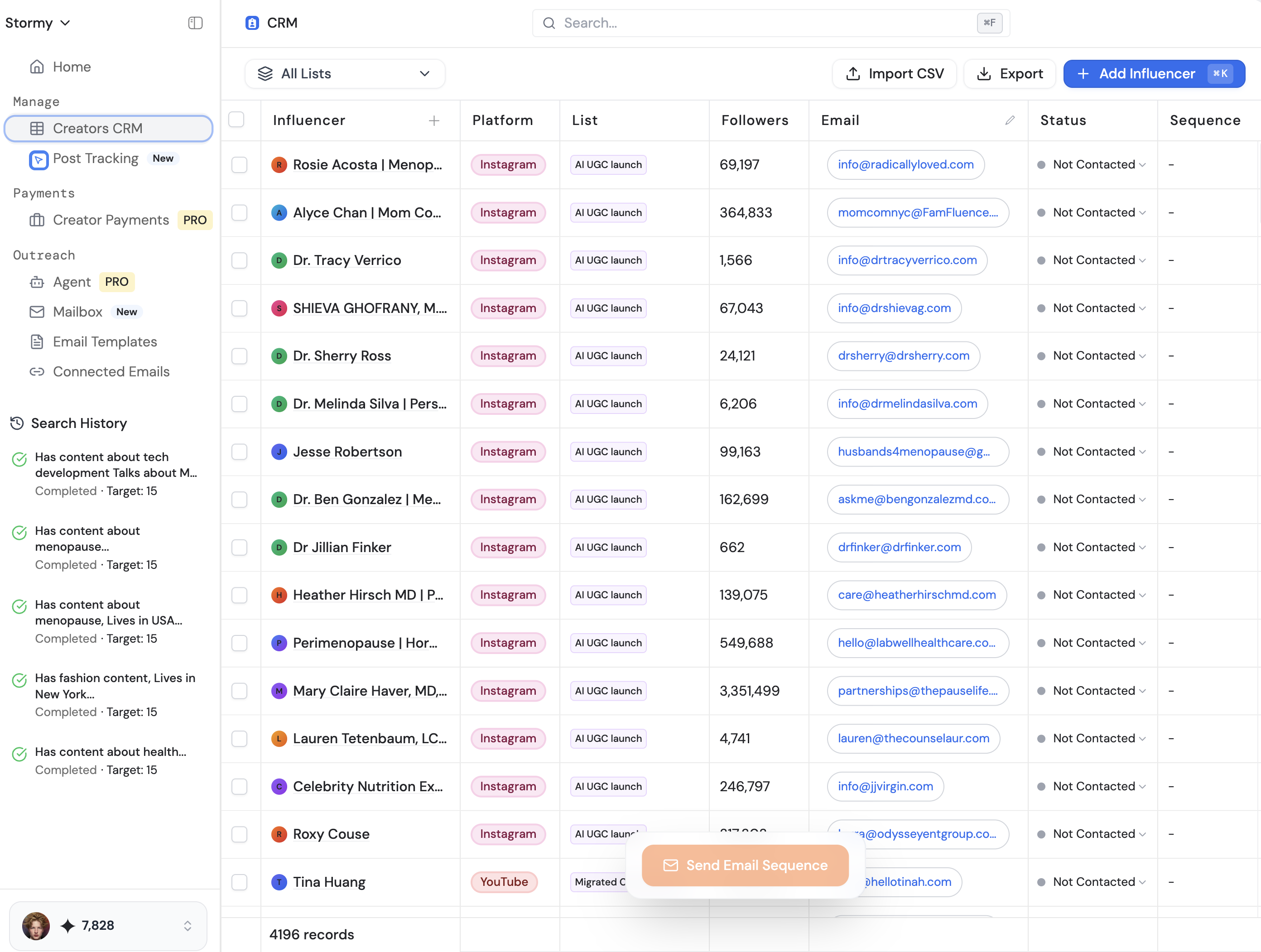
Once you have multiple creators on board, managing those relationships becomes a full-time job. You need to track who is posting, what the conversion rates are, and when payments are due. Treating your creators like a sales team is essential; you need a dedicated system to manage these deal stages and communications. Modern platforms help simplify this by providing a unified interface for outreach and tracking.
For instance, the Creator CRM features within Stormy AI allow you to manage negotiations, track post performance, and handle creator communications in one place. By automating the follow-up process with AI-personalized emails, you can maintain a high-touch relationship with dozens of creators without needing a massive internal team. This allows you to scale your influencer revenue share program from a few pilot partners to a massive network of advocates who are all incentivized to see your product succeed.
Step 7: Marketing R&D and Iteration
Don't fall into the trap of only focusing on growth while your bucket is still leaky. Before you double down on a massive creator campaign, run sprints around retention. Understand why users are churning and fix those issues first using cohort analysis. Once your retention is stable, treat your marketing like a laboratory. Use "throwaway brands" on platforms like TikTok to test new content formats and messaging before bringing the winners to your main creator partners. This "Marketing R&D" approach ensures that when you do deploy your influencer marketing strategy at scale, you are using proven hooks and formats.
As you scale, consider bundling your products into an ecosystem rather than a single feature. This diversifies your revenue streams and makes your company more resilient. You can eventually hire niche operators to run individual products for a profit share, allowing you to move back into the visionary role. By following this playbook, you aren't just building a startup; you're building a profitable flywheel that compounds forever.
Conclusion: The Future is Creator-Led
The path to building a profitable company in the AI age is clear: find an underserved niche, build a lean product with AI, and partner with creators who already have the trust of your target audience. Whether you choose to offer equity for influencers or a generous influencer revenue share, the key is to create a win-win scenario where the creator is an extension of your team. Stop fighting the rising costs of paid ads and start building your own distribution engine. By leveraging the right tools and staying focused on community-led growth, you can build a business that not only survives but thrives in the modern digital economy. Ready to start? Begin by researching your niche, validating your ideas, and identifying the creators who will help you reach the moon.