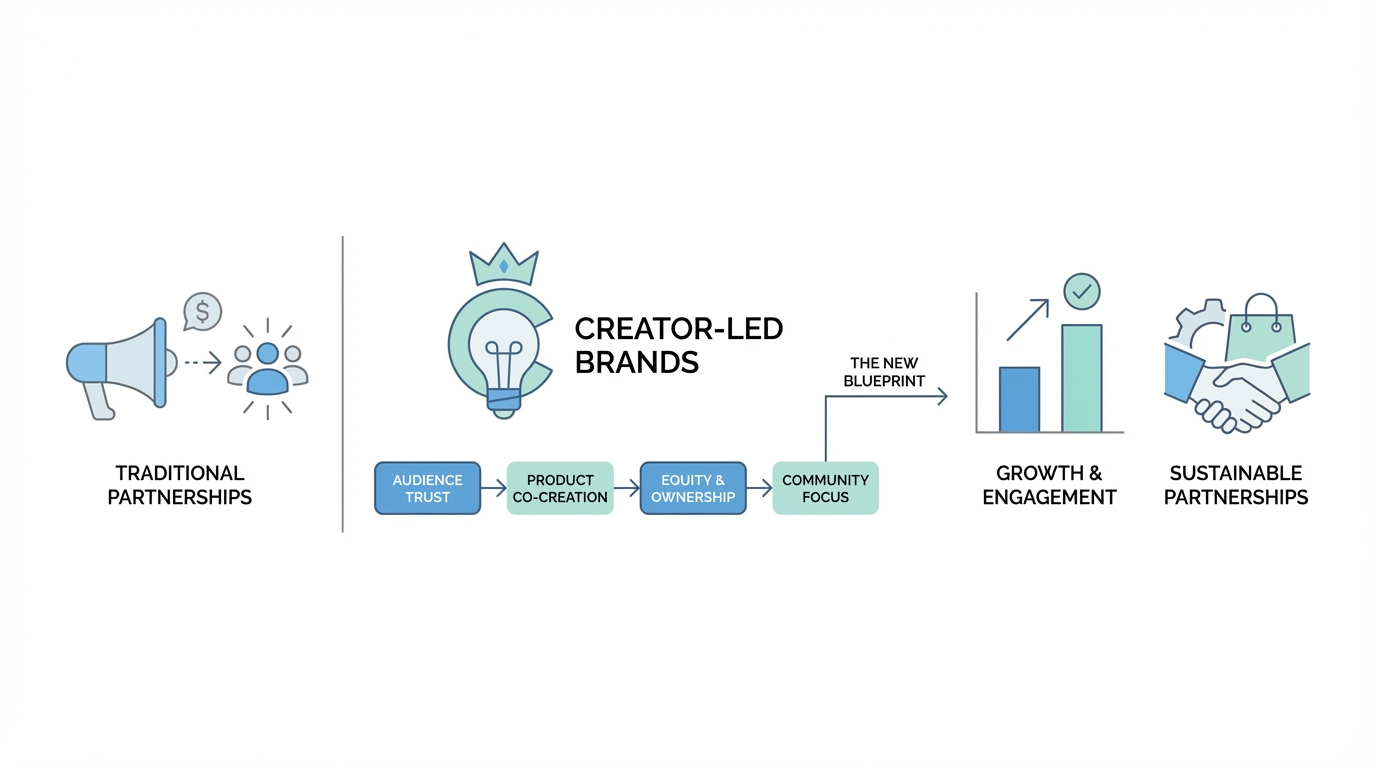
For years, the gold standard of influencer marketing was the one-off sponsored post. A creator would hold up a product, read a script, and collect a check. But as the digital economy matures, the most savvy entrepreneurs and creators are moving away from this transactional model toward something far more lucrative and sustainable: creator-led brands. This shift represents a fundamental change in how we view audience monetization, moving from the influencer as a temporary billboard to the influencer as a high-equity founding partner in a B2B service powerhouse.
Hunter Hammonds, the founder of Assembly, has spent the last year proving that this model isn't just a theory—it's a repeatable machine. By partnering with top-tier creators like Ali Abdaal, Dan Koe, and Sahil Bloom, Hammonds has launched multiple businesses that reached a million-dollar run rate in their first 30 days. This new blueprint for influencer business partnerships bypasses the traditional struggles of cold outbound sales and high customer acquisition costs (CAC) by leveraging the pre-existing trust and distribution of the modern creator.
The Shift from 'Influencer as Affiliate' to 'Influencer as Partner'
The traditional influencer marketing strategy often treats the creator as a vendor. In an affiliate model, the creator receives a percentage of sales, but they have no ownership over the enterprise, no say in the product roadmap, and no long-term stake in the brand’s valuation. While this works for low-ticket consumer goods, it falls short in the world of high-ticket B2B services. When you move into co-founding with creators, the incentive structure changes entirely.
In the model pioneered by Hunter Hammonds at Assembly, creators are actual partners in the business. They aren't just "promoting" the agency; they are instrumental in the insights that drive the service and the strategic direction of the brand. This alignment ensures that the creator is incentivized to maintain high quality and long-term reputation, rather than just cashing a quick check. This depth of partnership is what allows agencies like HeyFriends to command $10,000 per month retainers right out of the gate.
Identifying 'Product-Audience Fit'
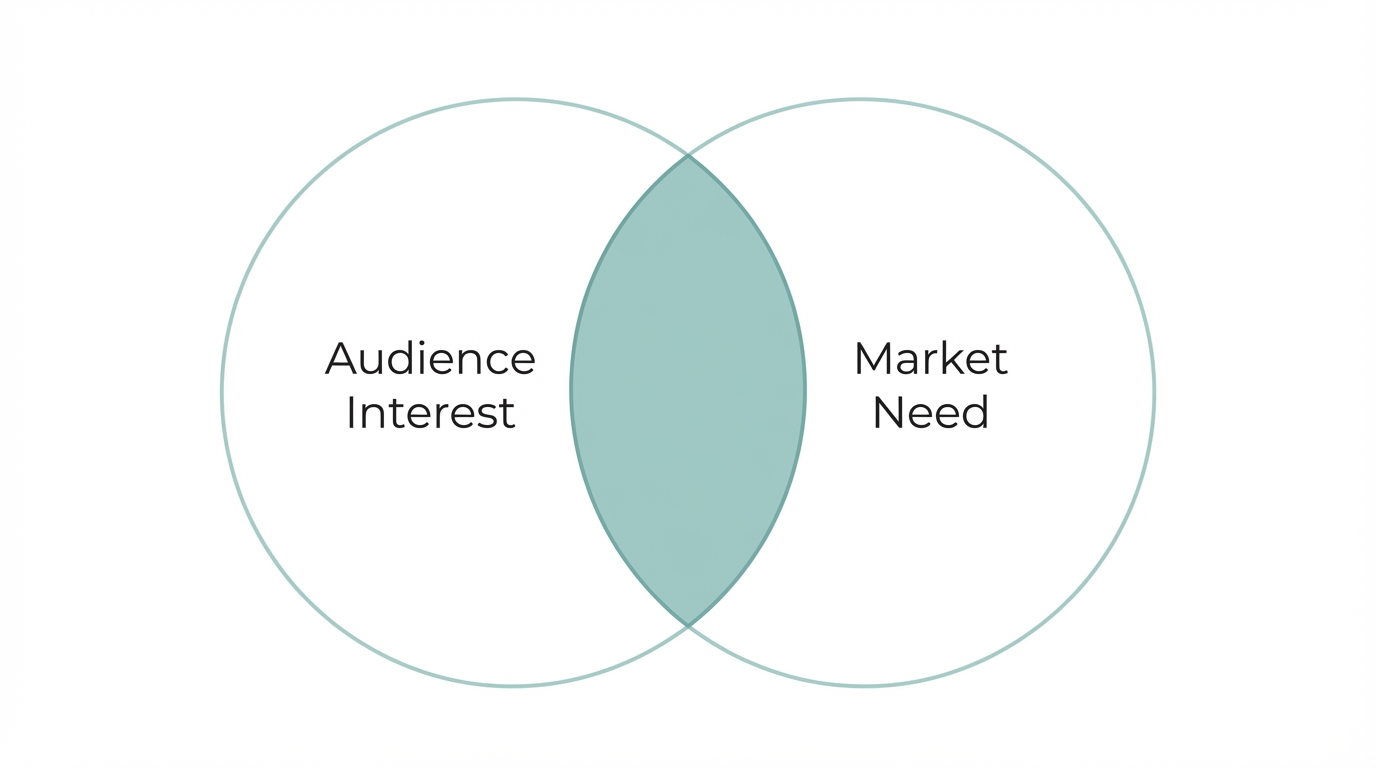

Success in this model hinges on a concept Hammonds calls Product-Audience Fit. It’s not enough to find a creator with a large following; the service must be a natural extension of the creator's existing content and expertise. If the alignment feels forced, the audience will smell the inauthenticity from a mile away, and the conversion rates will crater.
Consider the case of Ali Abdaal and his YouTube agency, HeyFriends. Ali has spent years teaching thousands of people how to succeed on YouTube through his courses and videos. Launching a done-for-you YouTube agency wasn't a pivot; it was the logical next step for his audience members who had the budget but lacked the time to execute his strategies themselves. Similarly, Dan Koe’s partnership with Keyframe, an animation studio, perfectly matched his aesthetic and high-concept storytelling style.
To find these opportunities, modern marketers are moving away from manual searching. Many brands now use Stormy AI’s search and discovery engine to identify creators who have already built authority in specific niches across TikTok, YouTube, and LinkedIn. By typing natural-language prompts like "creators who teach video editing or productivity," brands can find partners where the Product-Audience Fit is already baked into their content history.
The Unfair Advantage: Using Distribution to Bypass CAC
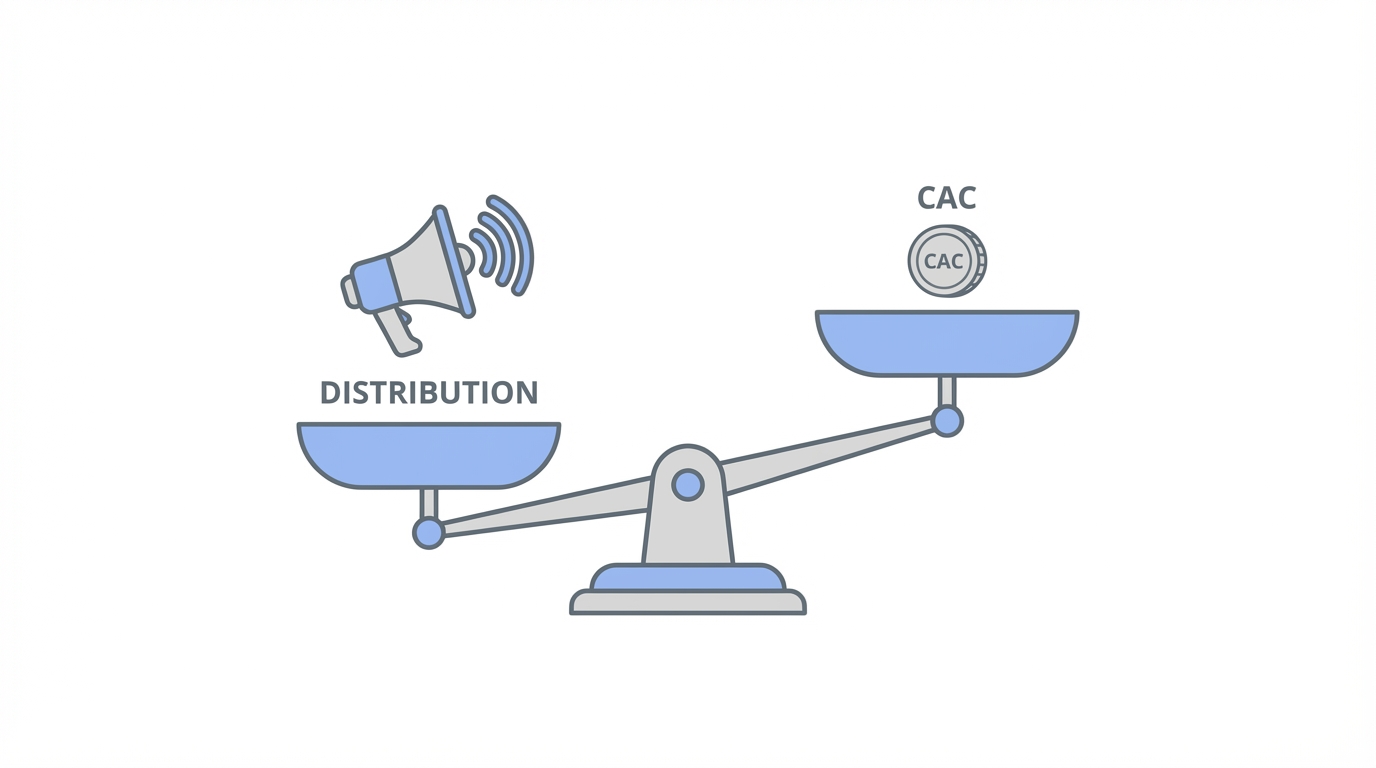

The biggest hurdle for any new B2B service is the cost of acquiring the first ten customers. Traditionally, this requires a heavy investment in Google Ads, Meta Ads Manager, or an expensive team of SDRs performing cold outbound. This initial cash burn is where most agencies die. Creator-led brands have an "unfair advantage" because they start with a distribution engine that has zero marginal cost.
When a creator like Sahil Bloom mentions a new venture to his millions of followers, the brand gets an immediate flood of high-intent leads. Because the trust is already established between the creator and the audience, the sales cycle is significantly shorter. You aren't just getting traffic; you're getting qualified traffic that views your brand as a premium authority from day one. This allows the business to focus its capital on delivery and operations rather than burning it on Apple Search Ads or Facebook pixels.
To maximize this advantage, brands must monitor how these mentions impact their bottom line. Using tools like Stormy AI’s post tracking and analytics, companies can see exactly which videos or posts are driving the most engagement and qualified interest, allowing them to double down on the content styles that convert.
Building a 'Recruiting Engine' Through Audience
One of the most overlooked benefits of building a creator-led brand is the ability to recruit top-tier talent. Scaling a productized service from zero to 50 employees in four months—as Hammonds did with Assembly—requires a massive influx of skilled workers. Traditional job boards like LinkedIn are often saturated with average candidates, making it difficult to find truly elite talent quickly.
A creator’s audience isn't just a pool of potential customers; it's a pool of potential employees and referrers. When a creator announces they are hiring for their new agency, they attract fans who are already aligned with their mission and work ethic. This creates a powerful referral loop. Hammonds notes that their secret to recruiting is often hiring the first handful of experts through the creator's network and then offering generous referral incentives to those employees. This "recruiting engine" allows them to bypass the friction of the traditional hiring market.
The Integrity Network: How to Partner with 7-Figure Creators
You might be wondering: how do you actually get a 7-figure creator to say yes to a partnership? Hammonds credits his success to what he calls the "Integrity Network." He didn't start by pitching Ali Abdaal or Sam Parr. He started by spending 15 years building businesses, delivering value, and never asking for anything in return until the time was right.
Building influencer business partnerships at this level requires high-integrity networking. It’s about being a person who is known for being loyal and capable long before you ever present a pitch. Creators are constantly bombarded with "opportunities" that are actually just requests for their time and attention. To stand out, you must be a proven operator who can handle the "dirty work" of business—legal, accounting, recruiting, and operations—so the creator can focus on their genius zone: content and distribution.
For those starting out, managing these high-level relationships requires organization. Using a Creator CRM like Stormy AI helps you track every interaction and deal stage, ensuring that you are nurturing long-term relationships rather than just chasing a quick transaction. This professional approach to relationship management is what separates a world-class operator from a solo freelancer.
The DAM Framework for Scaling Operations
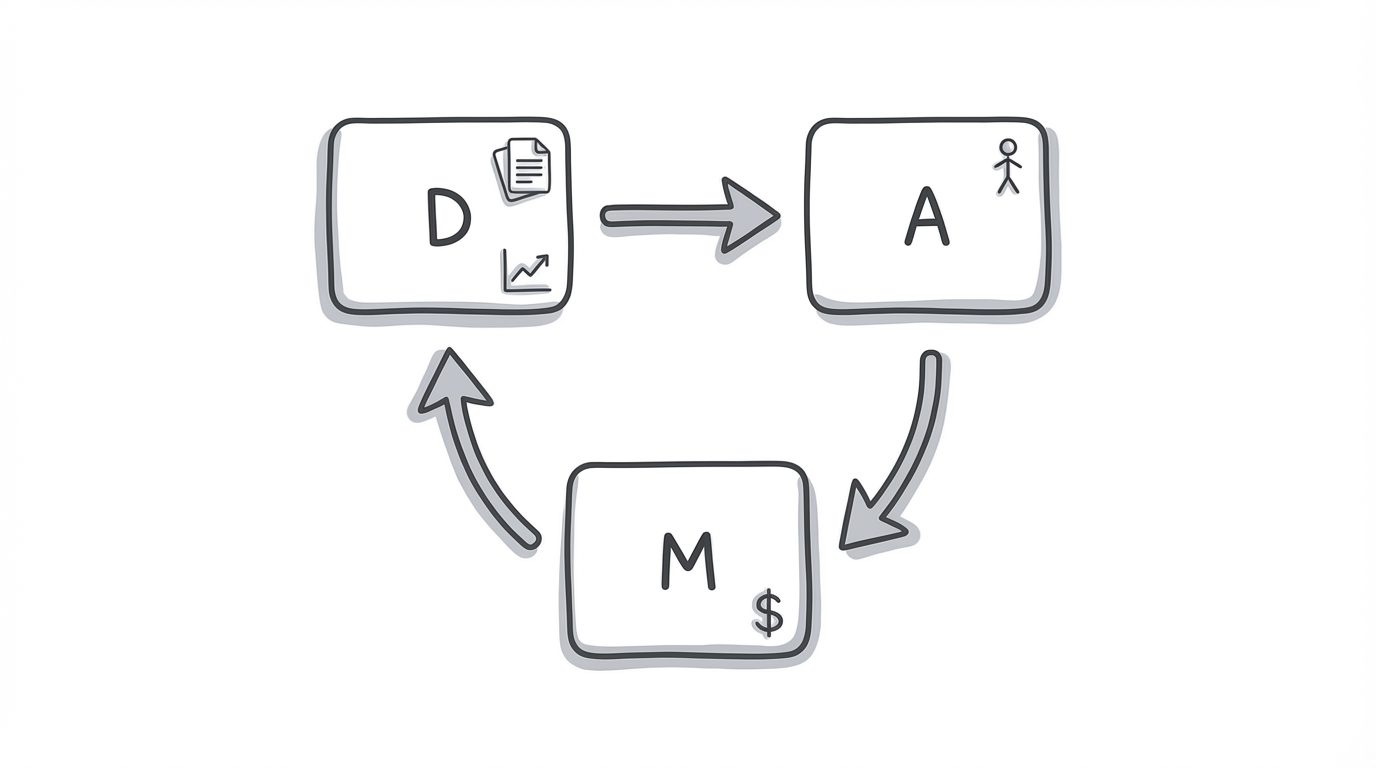
Launching 12 businesses in 12 months sounds like a recipe for burnout, but Hammonds manages it through a strict productivity framework he calls DAM: Decisions, Actions, and Messages. This framework is essential for anyone trying to manage multiple creator led brands simultaneously without losing their mind.
- Mondays (Decisions): Gather all data from the various businesses and make the big calls on strategy and optimization.
- Tuesdays (Actions): Execute the tasks that move the needle based on Monday's decisions.
- Wednesdays (Messages): Communicate the plan to the teams. This batching of communication prevents the constant pinging of Slack and email from derailing deep work.
By segregating these cognitive tasks, an operator can manage the complexity of multiple brands while keeping the "wake of chaos" under control. As the business grows, the goal is to move beyond human-dependent services into Phase 2: products and SaaS, where the free cash flow generated by the agency can be reinvested into more scalable assets.
The Role of AI in Scaling Creator Partnerships
While Hunter Hammonds relies on a 15-year-old network, new entrepreneurs can use technology to level the playing field. The process of finding, vetting, and reaching out to potential creator partners can now be automated with high precision. Instead of sending generic cold emails, Stormy AI for influencer vetting, fake follower detection, and AI email outreach allows you to generate hyper-personalized messages for each influencer based on their actual content and audience data.
This allows you to act like a large agency even if you are a team of one. You can set up an AI agent that discovers creators, analyzes their audience quality to detect fake followers, and sends outreach while you sleep. This tech-forward approach is how modern operators are able to compete with established players, turning influencer discovery into a repeatable, data-driven process.
The Future of the Creator Economy
The rise of creator-led brands is a signal that the creator economy is maturing. It is no longer just about attention; it is about infrastructure. The creators who win in the next decade will be those who stop being products for other people’s brands and start becoming the owners of their own. For entrepreneurs, the opportunity lies in becoming the silent operator behind the screen, providing the systems and the "Integrity Network" that allow these businesses to thrive.
Whether you are building a design agency like Off Menu or a short-form video powerhouse like Viral Cuts, the blueprint is the same: find a proven creator, ensure deep Product-Audience Fit, and use their distribution to bypass the traditional hurdles of growth. By focusing on influencer marketing strategy that prioritizes equity and long-term alignment, you aren't just building a business—you're building a legacy.
If you're ready to start your journey in the creator-led space, start by identifying the right partners with Stormy AI’s influencer analysis and search tools today.