In the hyper-saturated digital landscape of 2026, the battle for attention isn't won with better cameras or larger budgets; it is won in the subconscious of the viewer. As millions of creators flood platforms like TikTok and YouTube, the ability to be truly unforgettable has become the ultimate competitive advantage. To succeed today, you must move beyond being a "content creator" and become a master of human psychology. By applying the same principles used by world-class mentalists and high-stakes negotiators, you can hack the attention economy and build a personal brand that sticks.
The 'Universal Wow': Content That Transcends Language
 40:00
40:00One of the most profound realizations for top-tier creators this year is that certain emotions are hard-wired into human DNA. While niches and trends change, the "Universal Wow"—that moment of pure amazement or shock—transcends language, culture, and demographics. In the research, world-renowned mentalist Oz Pearlman notes that while a comedian might offend or a musician might not fit a specific taste, amazement is a universal product. If you can create a moment that makes a viewer stop and ask, "How is that possible?", you have achieved a level of engagement that no algorithm can ignore.
For creators focusing on a creator economy growth strategy, this means identifying the "wow factor" in your specific vertical. It isn't just about magic tricks; it’s about the purest form of entertainment. Whether you are showcasing a revolutionary software workflow in Linear or a radical health transformation, the emotional payoff must be visceral. This is why TikTok Ads Manager data consistently shows that high-impact, visual hooks perform better than traditional narrative introductions.
"The 'wow' and amazement transcends and it's universal. You could drop me in Tokyo and I could make friends in one minute because that feeling is hard-wired in our DNA."
Applying Time Constraints and Psychological 'Open Loops'
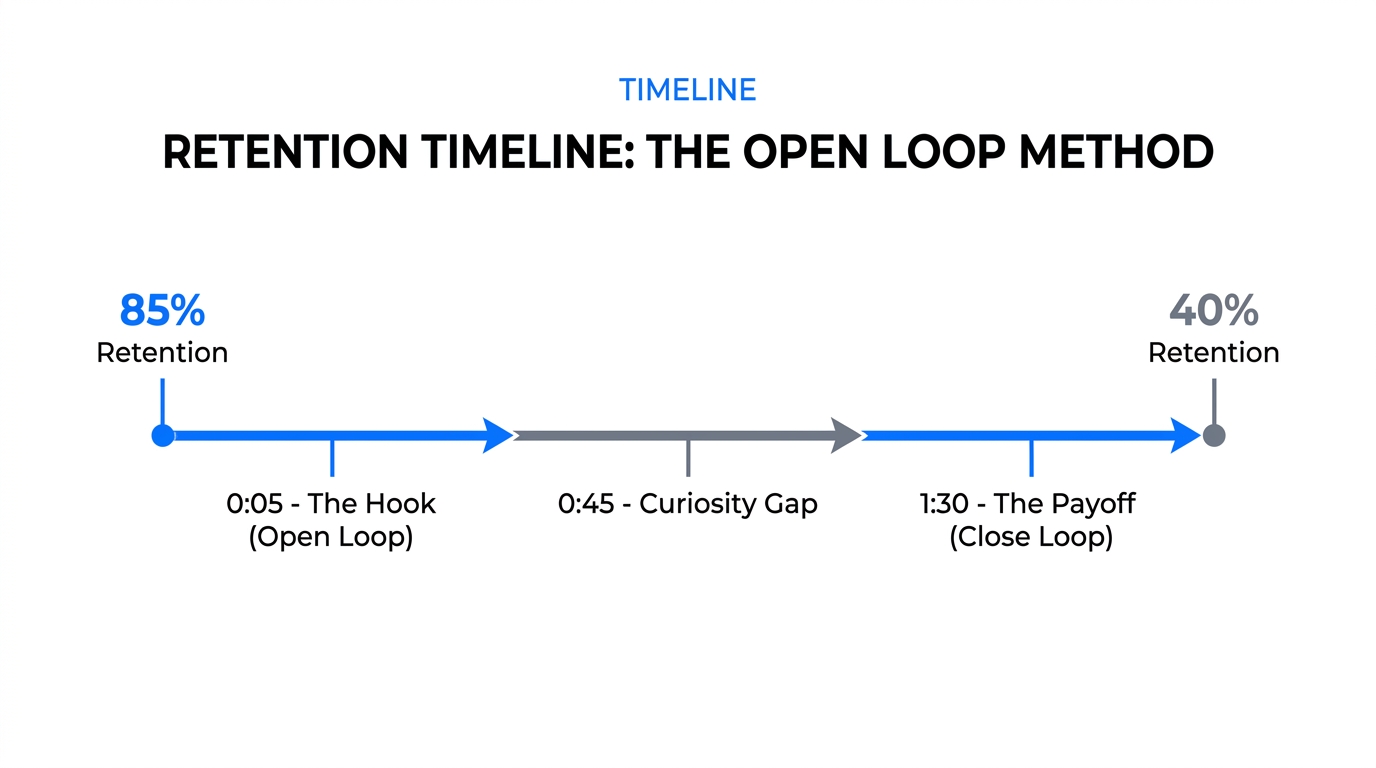
To keep viewers engaged in 2026, you must understand the power of time constraints and open loops. Influencer marketing psychology suggests that the human brain is conditioned to seek closure. When you start a story but don't finish it immediately, you create an "open loop" that forces the viewer to stay until the end. This is a digital content engagement hack used by the most successful streamers and short-form creators.
Consider the networking tactic used by master communicators: "I have to run in a second, but first I wanted to show you something." This simple phrase does two things: it removes the pressure of a long interaction (the time constraint) and it builds immediate value (the curiosity). In your content, this translates to front-loading the value while signaling that the payoff is coming. If you are building a brand on LinkedIn, start your posts with a definitive, time-bound promise.
| Tactic | Psychological Trigger | 2026 Application |
|---|---|---|
| Time Constraint | Safety & Urgency | "I only have 60 seconds to show you this..." |
| The Open Loop | Need for Closure | "I found the secret to $10k/mo, but there's a catch..." |
| Personalized Hook | Ego & Relevance | "If you use Canva, you're missing this..." |
By using tools like CapCut to tightly edit these loops, you ensure there is no "dead air." Every second must serve the purpose of either opening a new loop or closing an old one. This keep-them-guessing approach is what separates a forgettable tutorial from a viral sensation.
The Strategy of 'Who Did You Remember?': Standing Out
11:30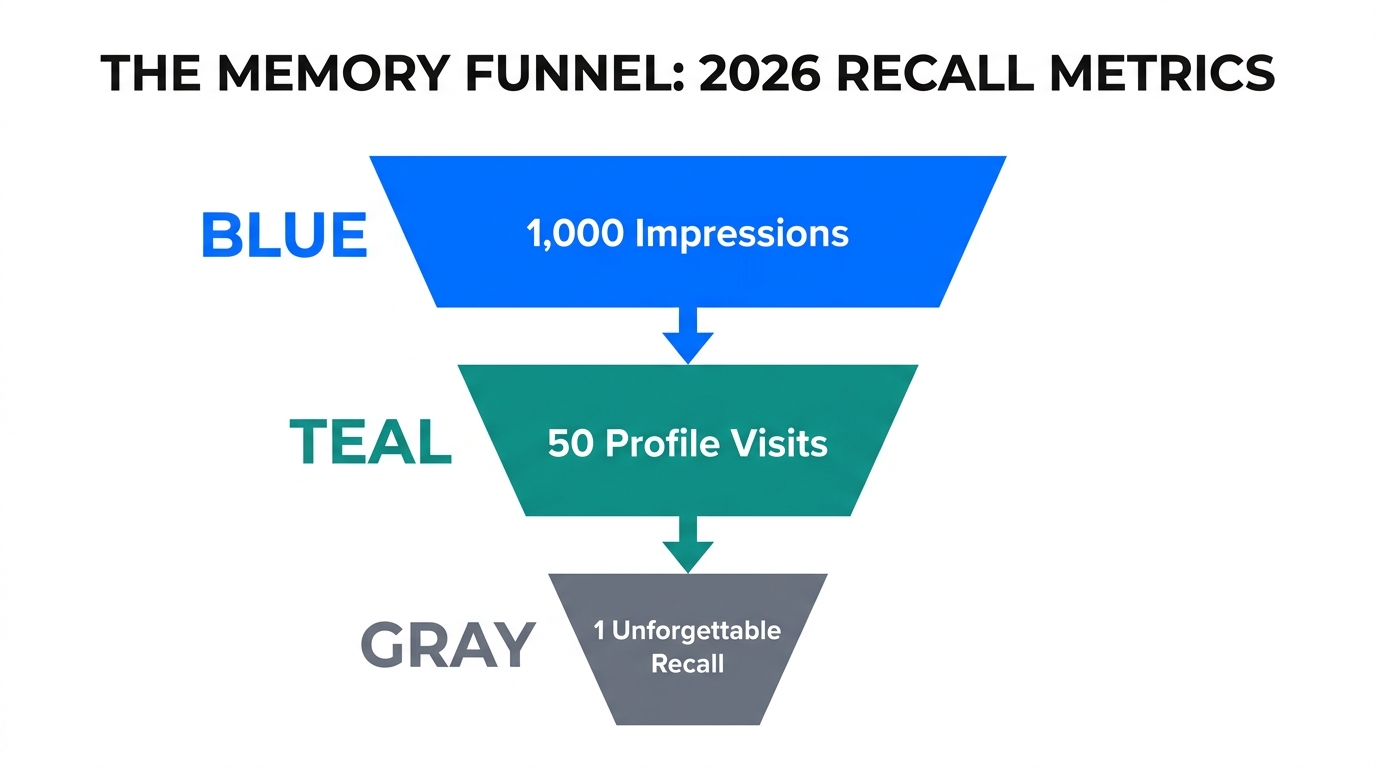
The core question every brand asks after a campaign is: "Who did you remember?" In a sea of UGC (user-generated content), being "good" is no longer enough; you must be distinct. Standing out in a saturated feed requires a cognitive dissociation from the norm. You must identify your "product"—and it’s rarely just the video you posted. Your product is the memorable moment you leave behind.
To be more memorable on social media, you need to develop what experts call an "Honest Con." This isn't about deception; it’s about crafting a narrative that makes the viewer the hero of the story. When you manage creator relationships on Stormy AI, look for creators who don't just hit their talking points, but who create a "feeling" that stays with the audience long after the app is closed. This level of personal branding tips for 2026 focuses on emotional investment over simple reach.
"Who stood out to you and why? Most people don't think about it, but the people who have 'natural game' walk into a room and their confidence is contagious."
This is particularly effective for startups and SMBs using Meta Ads Manager to drive app installs. A creator who is memorable will drive a higher ROAS because their face becomes synonymous with the solution, reducing the "friction of the unknown" for the user.
The Machine Alter Ego: Consistency Under Pressure
21:30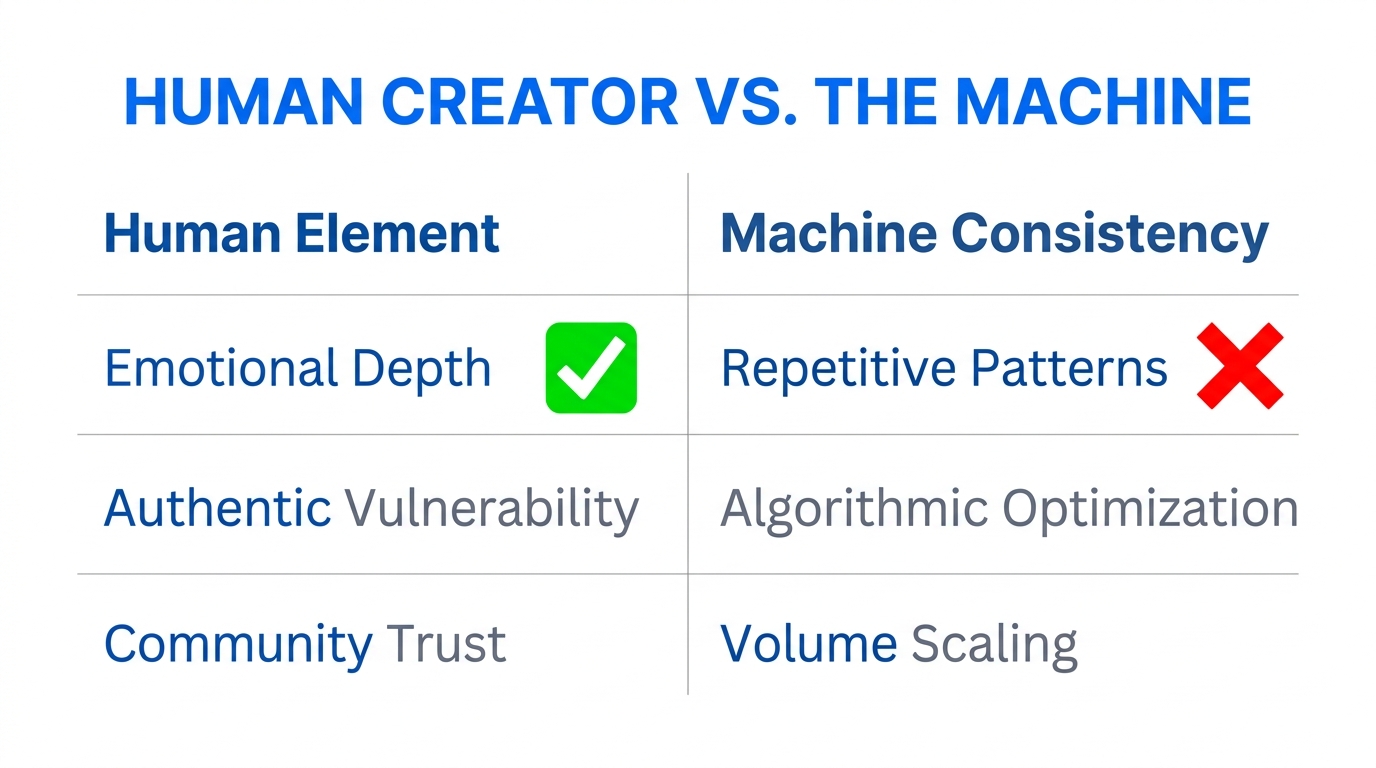
High-pressure content schedules can lead to burnout. To combat this, elite creators use an alter ego—a technique referred to as "The Machine." This is the process of dissociating your personal identity from your performing identity. When you are "The Machine," rejection doesn't hurt, and failure is simply data. This mental framework is essential for anyone pursuing a creator economy growth strategy.
By becoming your own "agent," you can handle negotiations on Stripe or follow up on emails in Instantly without taking the "no's" personally. As the research indicates, many creators fail because they keep "one foot out of the pool" to protect themselves. "The Machine" jumps in entirely because it doesn't have feelings to bruise—it only has goals to execute.
Actionable Networking Tactics for 2026
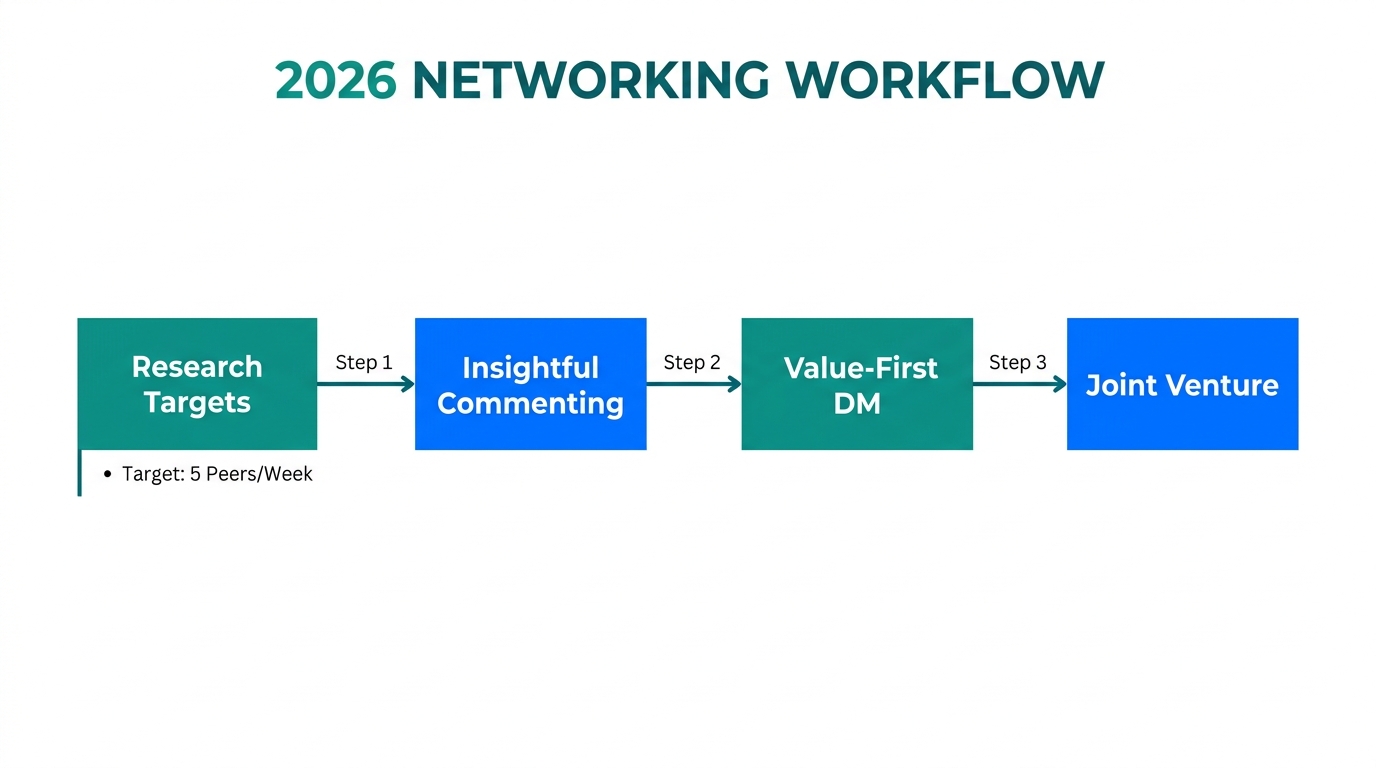
Building high-value industry relationships quickly is the "cheat code" to rapid growth. In 2026, the best networking happens when you reverse engineer the solution. Instead of asking for a favor, provide a "Universal Wow" moment first. If you're a creator looking to partner with a brand on Shopify, don't just send a media kit. Send a 15-second personalized clip that demonstrates your mastery of their product's "wow factor."
- Use the 'Time for Money' perspective: Always value the other person's time more than your own in the initial outreach.
- Create a 'Feeding Frenzy': Much like real estate negotiations, show that your attention is a scarce commodity. Underprice your initial entry to get more "bidders" (brands) through the door.
- Master the 'Honest Con': Be transparent about your goals. Brands respect creators who understand the B2B nature of the industry and speak the language of ROI and EBITDA.
When you use platforms like Stormy AI to discover and vet influencers, you can see which creators are already using these psychological triggers. The AI-personalized outreach features allow you to scale these "human" touches without losing the authentic bond that drives conversions. Pair this with a robust email automation tool like Klaviyo to nurture these relationships at scale.
Conclusion: The Relentless Pursuit of Mastery
Being unforgettable in 2026 isn't a gift you're born with; it’s a repeatable skill. By mastering the Universal Wow, creating open loops, and adopting the Machine mindset, you can navigate the creator economy with the precision of a mentalist. Remember that the most successful people in any industry—whether they are billionaire CEOs like Jeff Bezos or world-class performers—are those who have carved their own path by understanding human behavior better than anyone else.
Start applying these influencer marketing psychology principles today. Whether you are tracking campaign performance in Google Analytics or sourcing the next big UGC star on Stormy AI, keep your focus on the next step. Don't worry about the 153-mile race; just focus on the next mile. That is the ultimate cheat code.