In 2026, the digital landscape has reached a tipping point. For years, the mantra was "raw and authentic"—the more lo-fi, the better. But as social feeds became saturated with shaky handheld clips and unpolished "get ready with me" videos, a new hunger emerged. Video is the native tongue of the internet, and in 2026, the internet is demanding a more sophisticated dialect. We are witnessing the rise of the cinematic social media genre, a trend where brands and creators are ditching the tripod-in-a-bedroom look for high-impact narratives that feel more like A24 films than traditional TikToks.
This shift isn't just about higher resolution; it's about a fundamental change in how we communicate. Think of it this way: if you can't produce compelling video in 2026, you are essentially ESL (English as a Second Language) in the country of the internet. To dominate the feed today, you need to understand the Creator Camp video strategy—a model that blends Hollywood aesthetics with the viral mechanics of the creator economy.
Defining the Cinematic Social Media Genre
 5:30
5:30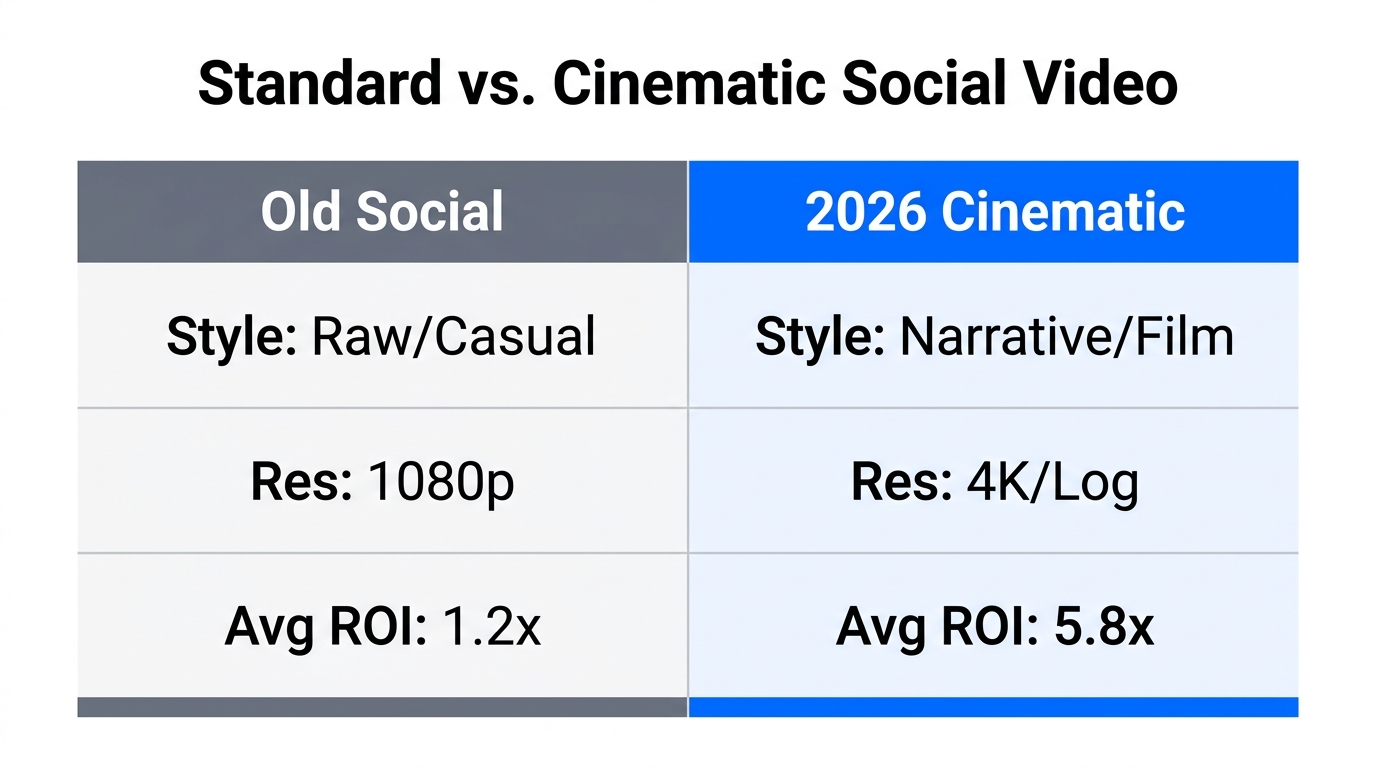
What exactly is "cinematic" social media? It is content that is meticulously planned, scripted, and acted, yet delivered in short, punchy bursts. Unlike the raw UGC of 2023-2024, cinematic content utilizes professional sound design, color grading, and intentional cinematography. A prime example is the 19-year-old filmmaker Wesley Wang, whose short film "Nothing Except Everything" racked up millions of views and led to a deal with major production companies. It wasn't a vlog; it was a 12-minute movie that native digital audiences found irresistible.
This trend represents a pendulum swing. When everything becomes super raw, it creates a craving for something that’s cool, polished, and snappy. The dialogue is planned, the lighting is moody, and the edit is tight. This isn't just for film students anymore; it’s the new gold standard for TikTok Ads Manager campaigns and organic brand storytelling.
"We are like guys standing next to our horse carriages, and a Tesla just zoomed by. That Tesla is the new cinematic short-form video trend."
| Feature | Raw UGC (2023-2024) | Cinematic Social (2026) |
|---|---|---|
| Production Style | Spontaneous, handheld, no lights | Scripted, storyboarded, color-graded |
| Sound Design | In-camera audio or trending songs | Layered soundscapes and foley |
| Goal | Relatability and authenticity | Immersion and brand prestige |
| Cost Model | Low ($100 - $1k) | Mid-range ($30k - $100k) |
The $100,000 Production Model: Hollywood Results on a Digital Budget
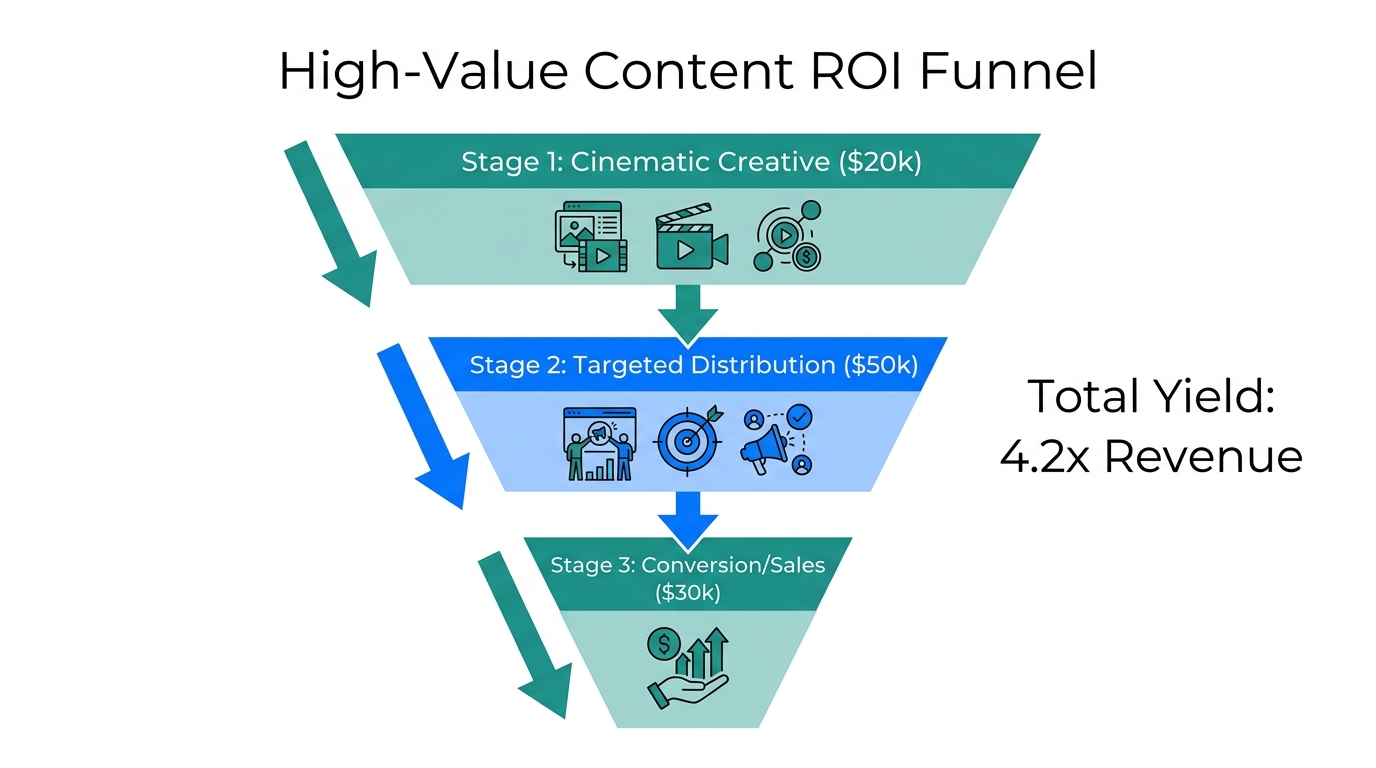
The core of the Creator Camp philosophy is the ability to produce "hits" for a fraction of traditional costs. In 2026, smart brands are allocating $100,000 to $200,000 per flagship video project. While that sounds like a lot for a social post, consider the ROI: these videos aren't just "content"; they are assets that can make millions in direct sales or brand equity.
This model mirrors the success of films like Paranormal Activity or The Blair Witch Project—low-budget investments that yielded astronomical returns. By funding high-potential creators to make mini-movies, brands are essentially building a portfolio of viral lottery tickets. When Ryan Trahan launched his candy brand, Joyride, he didn't just post a vlog. He released a cinematic production that felt like a Super Bowl commercial, leading to significant venture capital interest.
Recruiting 'Baby Genius' Creators
11:00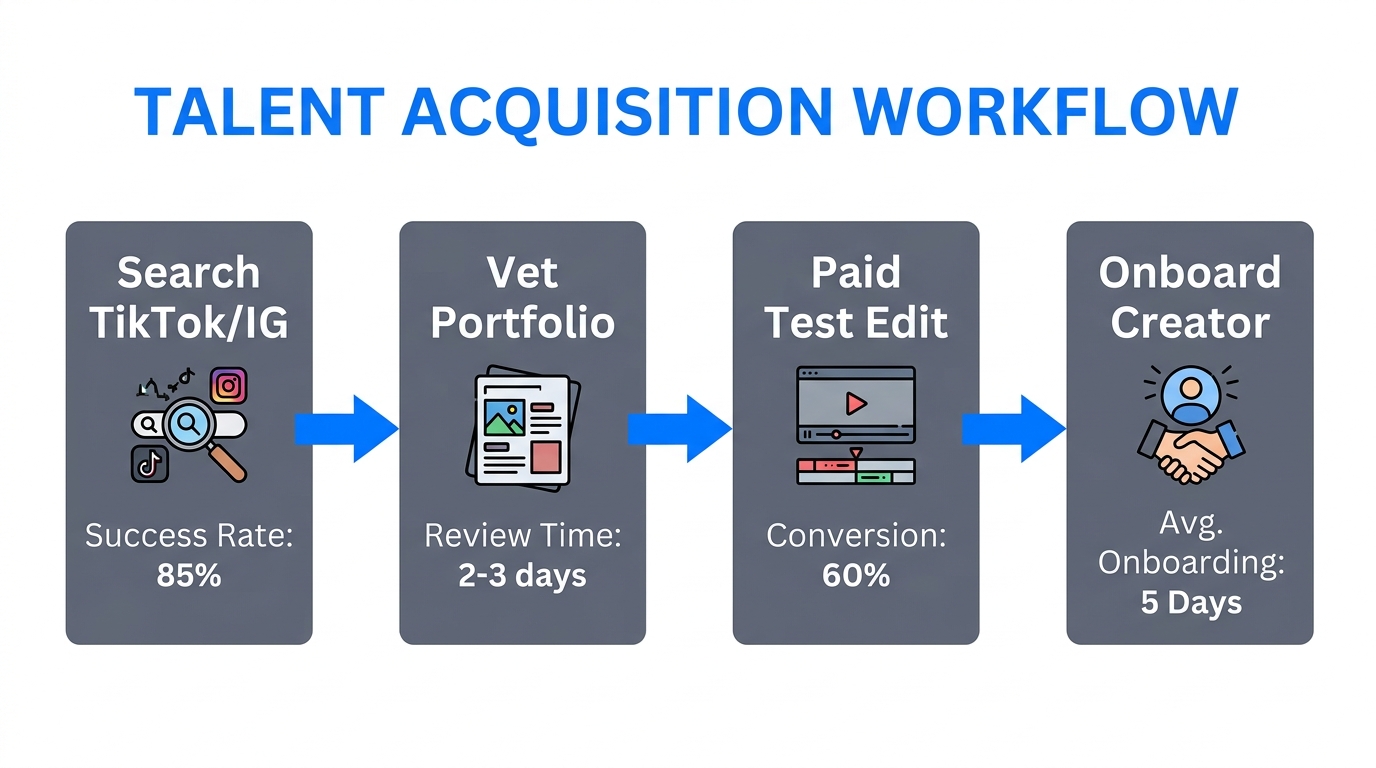
The biggest challenge for brands isn't the budget; it's the talent. There is a new generation of "baby geniuses"—19 to 21-year-olds who have spent their entire lives mastering tools like CapCut and high-end cinema cameras. These creators, like the visual storyteller Bat Mali or the niche fashion authority The Iron Snail, don't just have followers; they have extreme viewer-to-subscriber ratios. When a creator with 300k subscribers consistently gets 1M views, they have mastered the cinematic language.
Finding these creators manually is like finding a needle in a haystack. This is where AI-powered discovery tools like Stormy AI become essential. By using natural language search, brands can identify creators who excel in "cinematic storytelling" or "high-quality sound design" in seconds. Stormy AI allows you to vet these creators for audience quality and engagement fraud, ensuring your $100k production budget is paired with a creator who actually has the technical chops to deliver a masterpiece.
"The demand for great video content is as big as a number can get, but the supply of people who can actually speak the language is incredibly small."
Step-by-Step: Building a 'Mini-Studio' Infrastructure
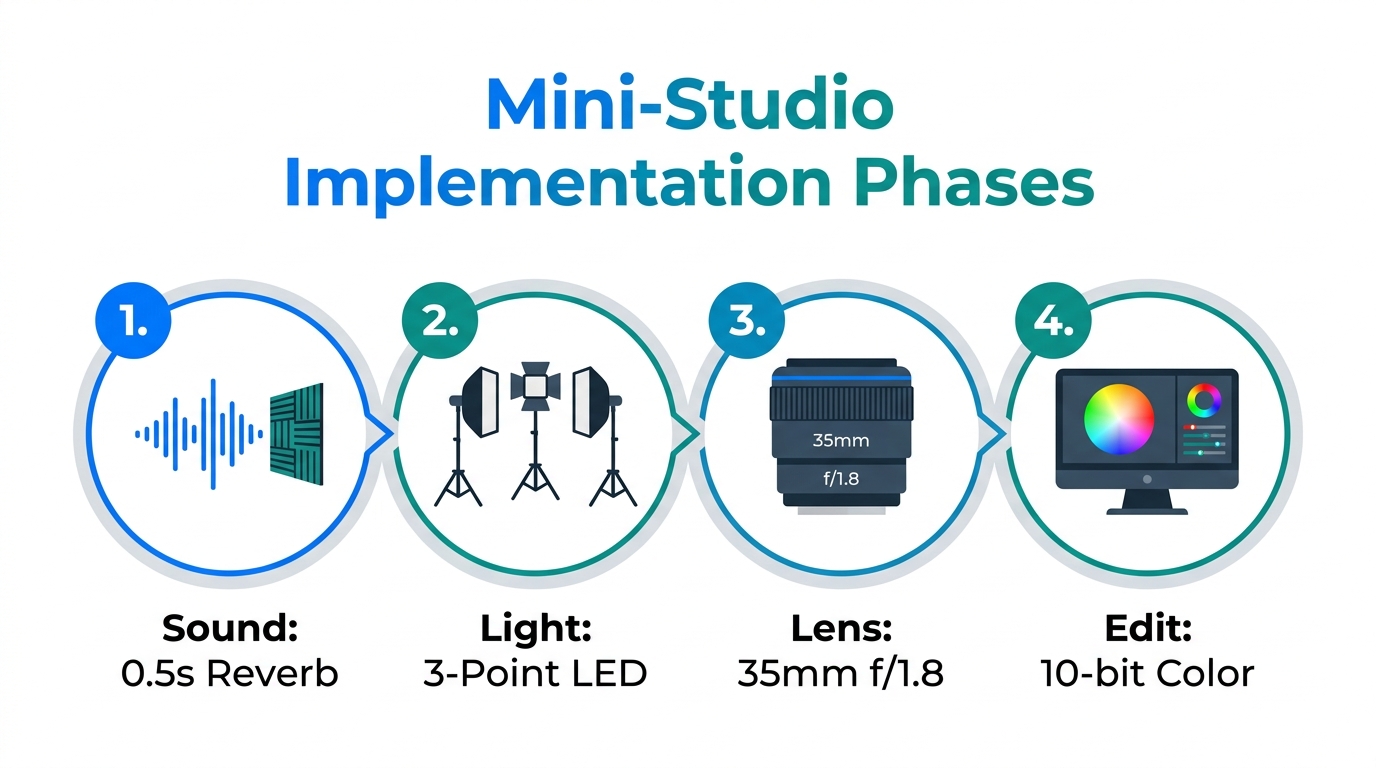
To scale cinematic social media marketing in 2026, you cannot rely on external agencies for every post. You need to build a "mini-studio" within your marketing department. This isn't about buying a Hollywood soundstage; it's about hiring for specific roles that didn't exist in marketing teams five years ago.
- The Creative Director/Showrunner: Someone who understands narrative arc and pacing, not just "engagement hacks."
- The Sound Designer: Sound is 50% of the cinematic experience. High-quality foley and score are what separate a vlog from a film.
- The Technical Editor: Someone proficient in advanced color grading and VFX (Visual Effects) using tools like Premiere Pro or DaVinci Resolve.
- The Talent Scout: Using Stormy AI to continuously find and outreach to rising stars before they get signed by major agencies.
By pairing this internal team with a robust tech stack—think Framer for landing pages and Klaviyo for post-video email funnels—you create a high-conversion engine that actually converts views into customers.
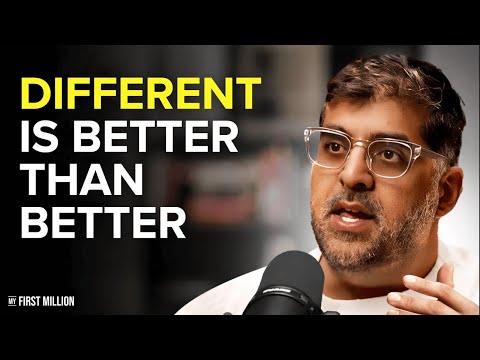
Case Studies: Why 'Different' Beats 'Better'
12:30Success in 2026 often comes down to being different rather than just slightly better. Look at Michael McElvee, a creator who transitioned from boring financial planning content to the most premium, cinematic sports content on YouTube. Even while working a "boring" finance job, his high-quality videos gained massive traction because they looked like YouTube Premium content, whereas everyone else was just talking to a webcam.
Then there is The Iron Snail, who makes cinematic films about niche topics like Japanese selvedge denim. His growth isn't coming from broad appeal; it's coming from the sheer quality of the production. People who don't even care about jeans watch his videos because the experience is beautiful. For a brand, this means you can dominate a niche—whether it’s B2B SaaS or e-commerce—simply by being the most visually compelling voice in the room.
Conclusion: The Future of Brand-Led Film
The creator economy investment landscape is shifting from quantity to quality. In 2026, the brands that win will be those that treat their social media presence like a movie studio. By adopting the Creator Camp video strategy, you aren't just making ads; you are making culture. You are speaking the native tongue of the internet with a professional accent.
Start by identifying the "baby geniuses" in your niche. Use tools like Stormy AI to discover and manage these high-value relationships, and stop settling for raw UGC that gets ignored. The horse carriages are being left behind—it's time to build your Tesla.