Creator Business Models 2026: Moving from Views to Enterprise Value
In 2026, views are vanity. Learn how to navigate the creator risk continuum, monetize short-form video, and pivot from 'rented' attention to high-equity ownership.
In 2026, the era of the 'clout-chaser' has officially ended, replaced by the era of the 'creator-capitalist.' For years, influencers were satisfied with the dopamine hit of a viral TikTok or a trending reel. But as the market has matured, the cold reality of creator economy monetization has set in: millions of views do not necessarily equal millions of dollars. In fact, many creators with staggering reach find themselves 'audience rich and cash poor' because they are operating on rented land with no equity in the products they promote.
To build a sustainable business this year, creators must move beyond the transactional nature of one-off sponsorships. They must transition from being a billboard for other brands to becoming the enterprise itself. This shift requires a deep understanding of social media business models and a willingness to move along what we call the 'Risk Continuum.' Whether you are a fitness influencer or a niche educator, the goal is the same: convert fleeting attention into long-term enterprise value.
The Risk Continuum: From Affiliate to Owner
Alex explains the strategic continuum for creators moving from views to business ownership.
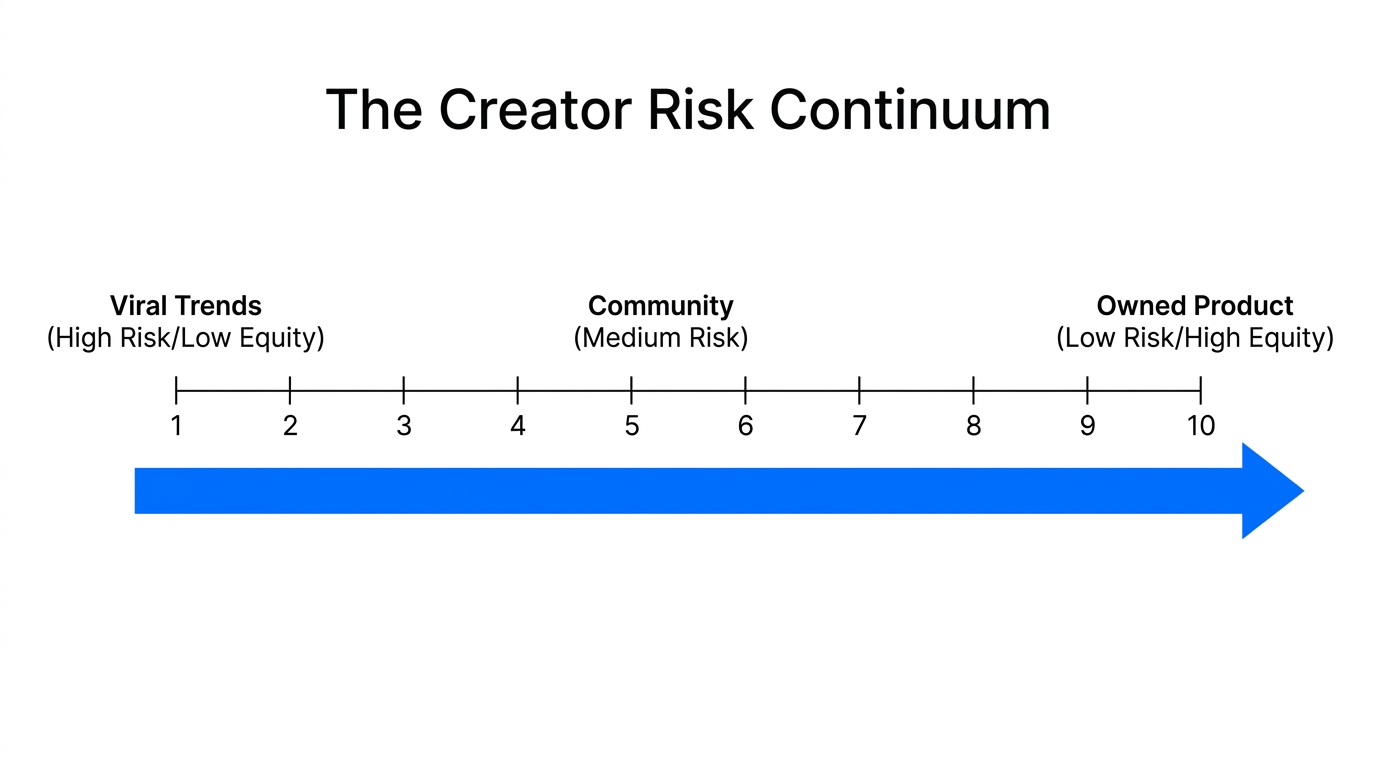
Every creator starts somewhere, usually at the lowest level of risk and, consequently, the lowest level of margin. Understanding where you sit on this continuum is the first step toward increasing your influencer marketing ROI. In 2026, the most successful creators are those who systematically de-risk their way toward full ownership.
| Model | Risk Level | Margin/Equity | Primary Effort |
|---|---|---|---|
| Affiliate | Very Low | Low (Commission) | Distribution only |
| Sponsorship | Low | Fixed Fee (100% Margin) | Content Production |
| Partnership | Medium | Revenue Share + Equity | Strategic Alignment |
| White Label | High | High (Brand Ownership) | Marketing & Branding |
| Full Ownership | Very High | Maximum (Equity + Profits) | Product, Ops, & Fulfillment |
Most creators get stuck in the 'Sponsorship' phase. While sponsorships offer 100% gross margin, they are limited by your personal bandwidth and the fluctuating algorithms of platforms like TikTok. To scale, you must move toward white labeling or full ownership. However, jumping straight to ownership is dangerous if you haven't validated product-market fit. Smart creators use the 'Affiliate-First' model: promote someone else's product using Meta Ads Manager or organic content to see if your audience actually buys. If the data is there, then you build your own version on Shopify.
"The luxury of being a creator is the ability to test product-market fit before building a single thing. If you can't sell someone else's product as an affiliate, you won't be able to sell your own as an owner."
Rented Attention vs. Owned Loyalty
Learn how to convert broad distribution into a loyal community through active testing.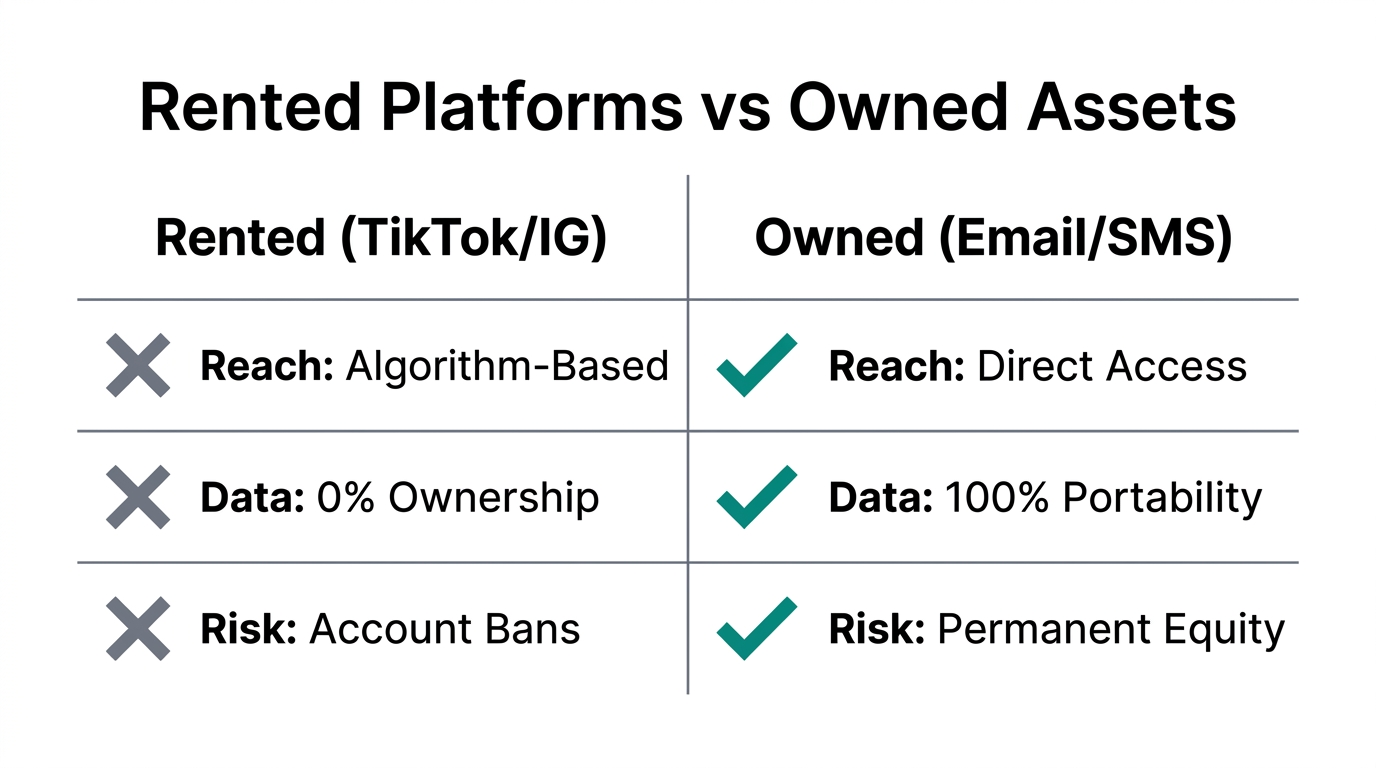
A common mistake in 2026 is treating all followers as equal. They are not. If you have 5 million views on TikTok, you have 'rented' attention. You are at the mercy of the feed. If you have 5,000 subscribers on a long-form podcast or 500 active participants in a Skool community, you have 'owned' loyalty. Monetizing short form video is notoriously difficult because the connection is thin.
Think of it as the 'Penn State Test.' If you announced on TikTok that you were appearing at a specific campus location, how many people would actually show up? For many short-form creators, the answer is surprisingly low. This is because short-form viewers are loyal to the feed, not the creator. To build enterprise value, you must 'microwave' your audience—heating them up from cold viewers to warm leads using longer-form touchpoints like YouTube or email sequences via Klaviyo.
The TikTok-to-Instagram Bridge: A Tactical Playbook
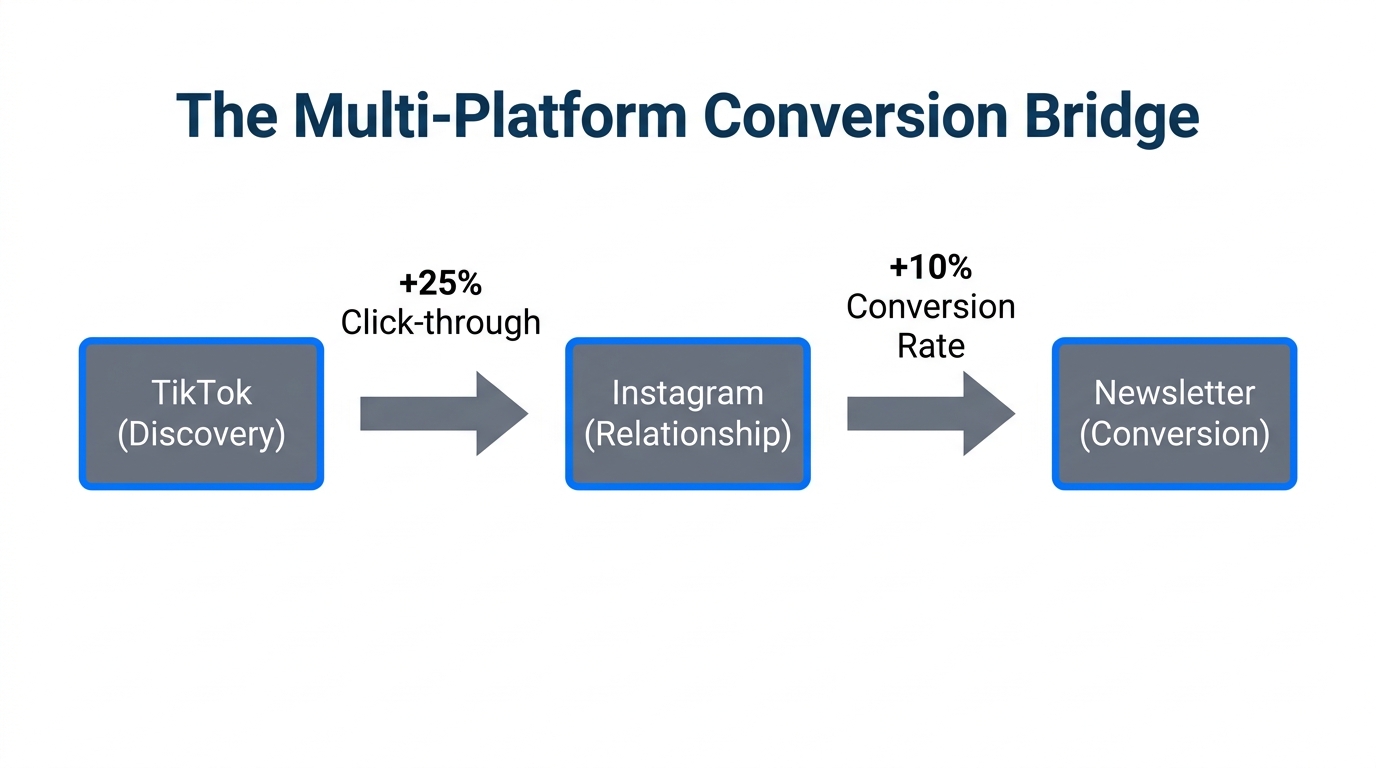
If you are struggling with low conversion rates from organic traffic, the problem is likely your 'click-to-close' flow. In the 2026 creator landscape, the most effective funnel for high-ticket services or communities is the TikTok-to-Instagram bridge. Why? Because Instagram DMs and Stories allow for a much higher level of personal interaction than TikTok's comment section.
- Step 1: The CTA Pivot. Stop asking people to 'click the link in bio' on TikTok. Instead, tell them to 'DM me [KEYWORD] on Instagram.' This moves the lead into a platform built for conversation.
- Step 2: The DM Setter. Use an automated tool or a dedicated setter to manage your DMs. The goal is to qualify the lead and provide immediate value, such as a 7-minute VSL (Video Sales Letter) or a helpful PDF guide.
- Step 3: The Microwave Content. Before the sales call, ensure the lead consumes a 'warm-up' video. This video should address the three biggest objections: Is this for me? Can I trust you? Will this work?
- Step 4: The Conversion. Use Stripe to handle deposits during the call. This creates immediate skin in the game and reduces no-show rates.
Creators who follow this path see significantly higher influencer marketing ROI because they aren't just hoping for a sale; they are engineering it. By driving traffic to a platform where you can 'look them in the eye' (digitally), you transform a random viewer into a high-value customer.
"The people who monetize best off TikTok use it purely as a traffic platform to feed their Instagram DMs. IG converts 10-20x better per view because the connection is deeper."
The 'Skill-First' Pivot: Using Audience as a Workforce
Discover why pivoting to a skill-based model builds a more sustainable business enterprise.Perhaps the most sophisticated model in 2026 is the 'Skill-First' pivot. Rather than selling a product to your audience, you use your distribution to recruit talent for high-margin service businesses. If you have an audience of young, motivated individuals, you are sitting on a goldmine of human capital.
For example, if you are skilled in sales, you can train your audience and place them in companies as high-ticket closers. You make money on the training (B2C) and the placement (B2B). This turns your followers into the product rather than the customer. This model works exceptionally well for service-based businesses like recruiting, lead generation, or digital marketing agencies managed via specialized Creator CRM tools.
This approach de-risks the business because you aren't fighting for the 'broke college student's' last $50. Instead, you are capturing a percentage of the massive value they create for established enterprises. It’s the difference between being a creator who sells T-shirts and an entrepreneur who builds an industry-standard talent pipeline.
Optimizing the Funnel: Vetting and Management
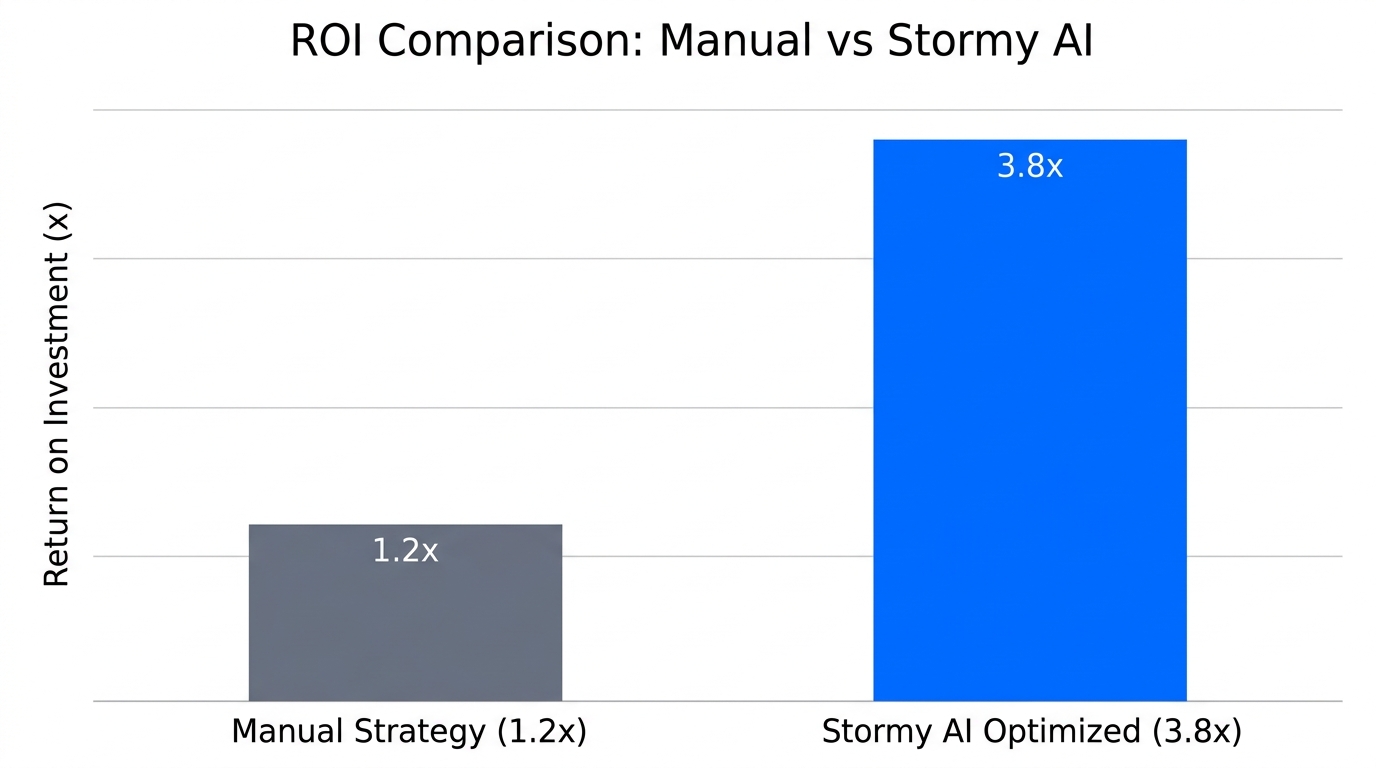
As you scale these models, the complexity of managing relationships—both with your audience and with brand partners—increases exponentially. This is where Stormy AI becomes an essential part of the modern creator's stack. Whether you are a brand looking for the right creator to partner with or a creator looking to vet potential collaborators, data-driven decisions are non-negotiable.
In 2026, brands use Stormy AI to instantly find creators with high audience quality, weeding out those with 'fake' engagement that doesn't convert. For creators, the platform's AI-powered outreach and CRM tools allow you to manage your business model transitions with surgical precision. If you are moving from sponsorships to a white-label product, you can use Stormy to identify other creators in your niche for 'seed' campaigns to jumpstart your own growth.
Conclusion: Building for Legacy, Not Just Likes
The transition from creator to entrepreneur is not just about changing your bio; it’s about changing your mindset. In 2026, the most valuable asset you own is not your follower count, but your ability to move those followers through a high-value funnel. By understanding the Risk Continuum and mastering the 'Microwave' effect of owned attention, you can build a business that has real enterprise value—something you can eventually sell, rather than just something that dies when the algorithm changes.
Stop chasing the next viral hit and start building the infrastructure that supports your long-term vision. Whether you are using Google Ads to capture search intent or Stormy AI to scale your creator partnerships, the tools for 100M-dollar success are at your fingertips. The only question is: are you ready to take the risk?