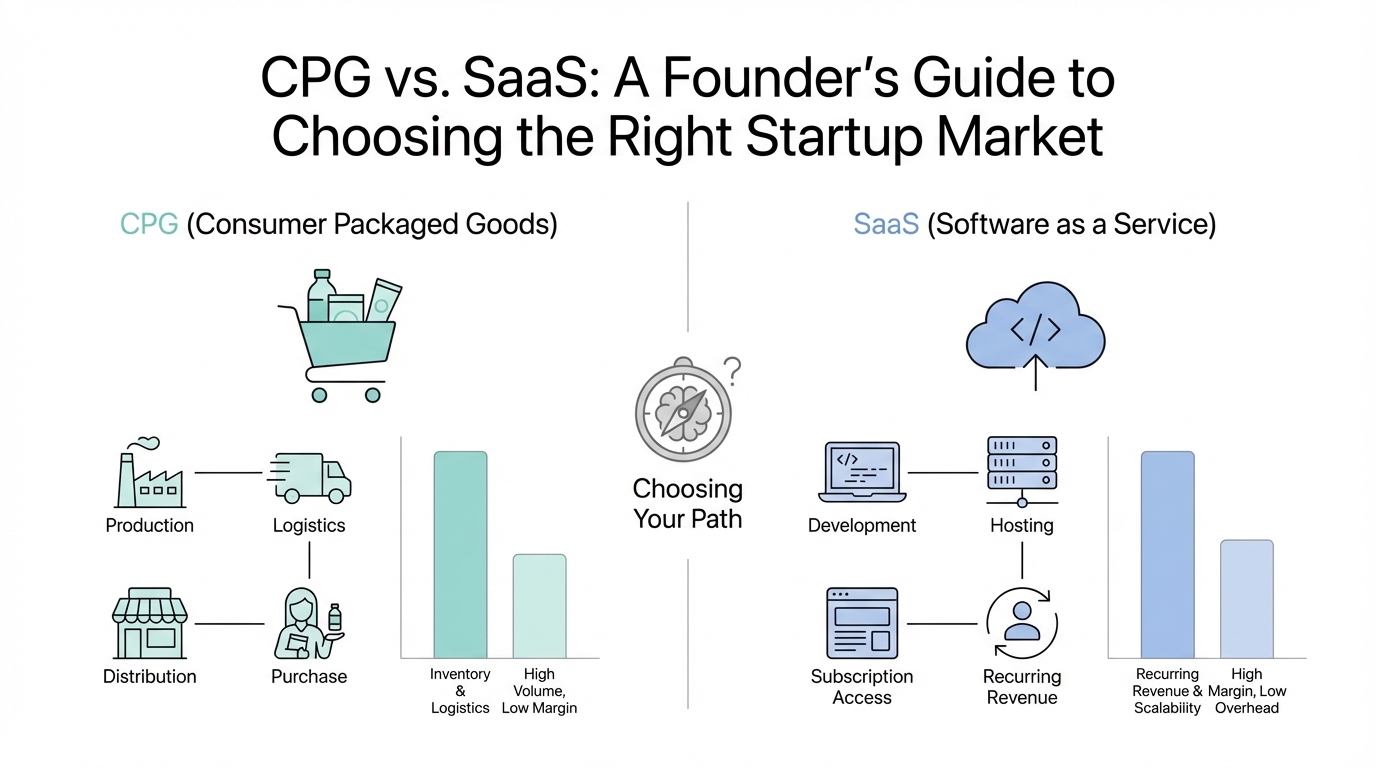
Imagine sitting at your desk in a corporate office, dreaming of building a business that actually means something. You have two paths: you could build a digital tool that solves a workflow problem for a niche industry, or you could create a physical product that people can hold, taste, and use to improve their lives. This is the ultimate founder’s crossroads: CPG (Consumer Packaged Goods) vs. SaaS (Software as a Service). For Justin Mares, the founder of the nine-figure brand Kettle & Fire, the answer wasn't found in a textbook but through a high-velocity validation framework that cost less than a nice dinner. In this guide, we will break down the strategic differences between these markets, the cpg startup strategy that leads to $100M exits, and why the 2025 landscape favors those who can bridge the gap between physical passion and digital scale.
The Passion vs. Profit Debate: Why Domain Expertise Wins
One of the most common pitfalls for new entrepreneurs is choosing a market solely based on perceived profitability. While software often boasts higher margins and recurring revenue, the most successful CPG founders often start from a place of intense personal interest. Justin Mares calls this being in the "top 0.1%" of people interested in a topic. When he started Kettle & Fire, he wasn't looking for a multi-million dollar exit; he was looking for bone broth because he was personally invested in the CrossFit and Paleo communities.
Domain expertise allows you to spot trends before they hit the mainstream. In 2014, bone broth was a niche interest within tight-knit communities. By participating in Reddit threads and reading niche forums like Mark’s Daily Apple, Justin identified a fanatic group of people who were already obsessed with the health benefits of bone broth for gut health and joint recovery. If you are just building a SaaS company because "software is scalable," you may find yourself struggling to compete with founders who live and breathe their product’s problem set. A successful market opportunity analysis starts with finding where your personal passion intersects with a growing macro trend.
Validating Demand: The Day Zero Framework
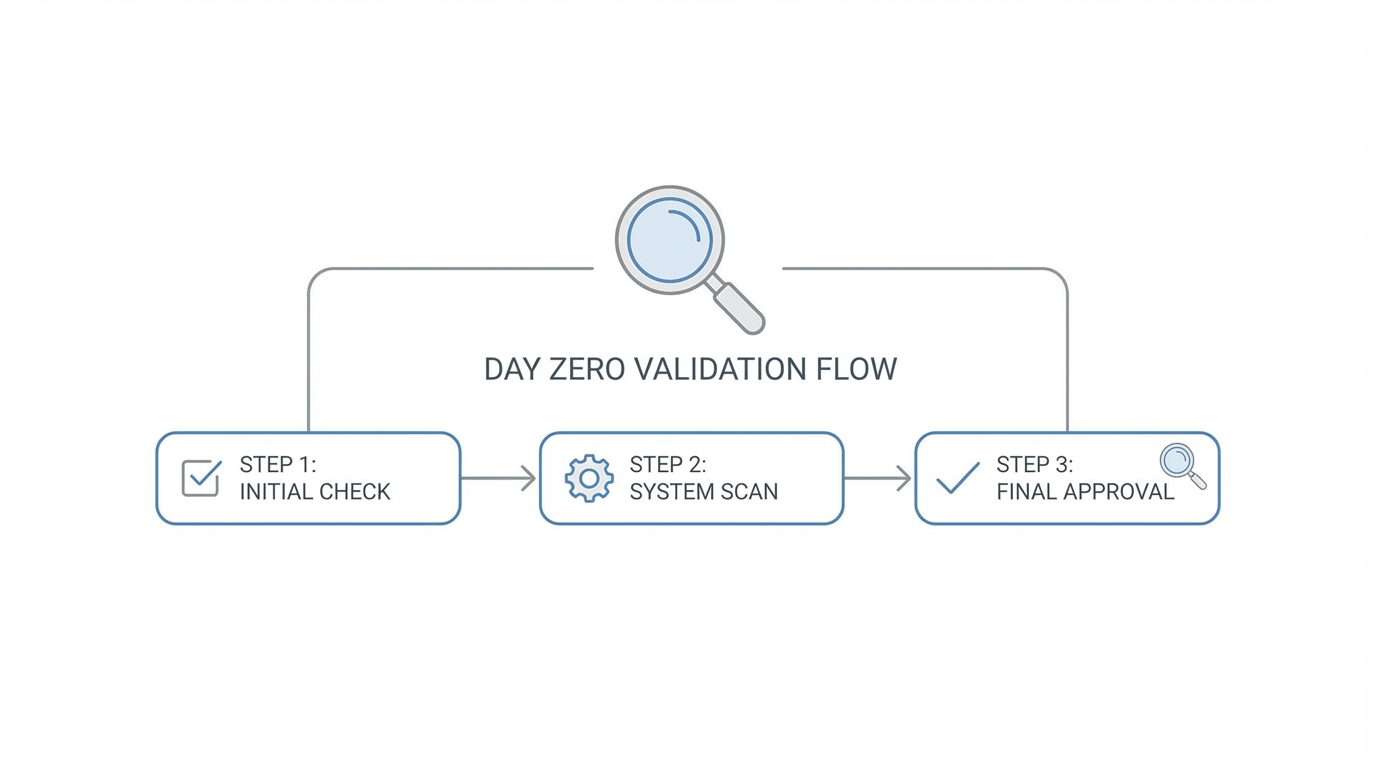
The beauty of the modern startup ecosystem is that you can validate a nine-figure idea for under $100. Justin’s validation process for Kettle & Fire is a masterclass in how to find startup ideas that actually have legs. Instead of spending months formulating a product, he started with two questions: How many people want this, and will they pay enough for it? He used Google Trends to see the macro trajectory of the term "bone broth" and confirmed it was taking off.
But search volume isn't revenue. To test willingness to pay, Justin bought a cheap domain, used Fiverr for a basic logo, and built a landing page using Unbounce. The page was "janky" and the checkout process was essentially just a personal PayPal link. However, by spending about $50 on Bing Ads (which were cheaper than Google at the time), he saw a 30% conversion rate of people clicking the "Order Now" button. This proved that the demand was so high that customers were willing to overlook a sketchy website to get the product. This level of validation is critical for any ecommerce business models before you commit to manufacturing.

Economics of Physical Products: Calculating Margins Early
When comparing saas vs cpg, the unit economics are vastly different. In SaaS, your marginal cost for an additional user is near zero. In CPG, you have COGS (Cost of Goods Sold), shipping, warehousing, and spoilage. Justin’s strategy to mitigate this risk was to price his product for profit from day one. While grocery store stock sold for $5, he decided to charge $29.99 for 16 ounces of high-quality bone broth. This 6x price premium ensured that even with high initial manufacturing costs, the business would be viable.
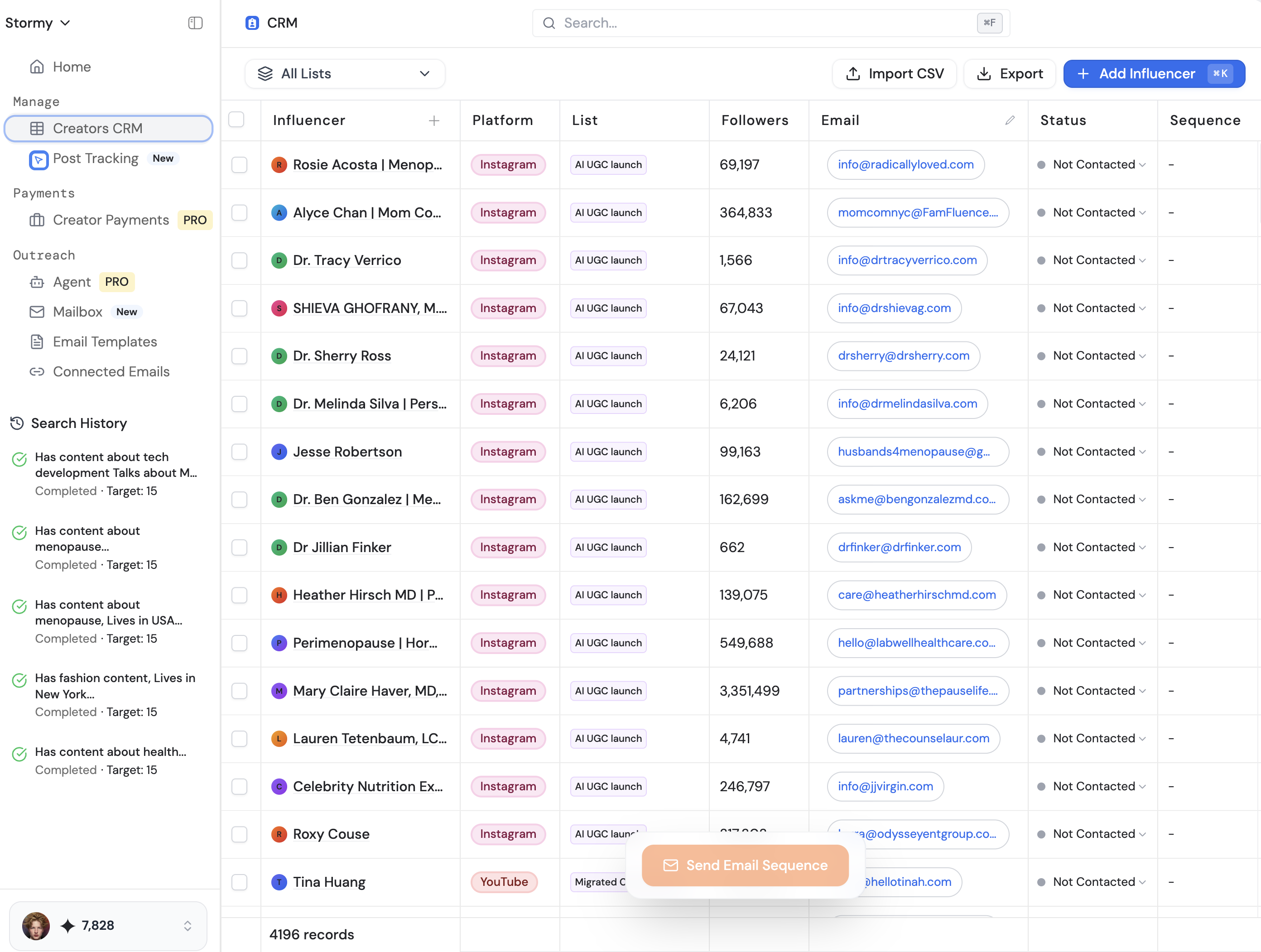
If you cannot find a way to charge a premium for your physical product, you are trapped in a commodity race to the bottom. High margins allow you to reinvest in marketing, specifically in high-growth channels like creator partnerships and UGC. Today, tools like Stormy AI can help source and manage UGC creators at scale, which is essential for CPG brands that need a constant stream of social proof to justify their premium pricing. Without high margins, you won't have the budget to acquire customers in a competitive digital landscape.
The Software Shift: Why Marketplace Models are Attractive
While Justin built his reputation in CPG, he has recently shifted focus toward marketplace software. The reason is simple: leverage. While a CPG brand requires physical logistics and supply chain management, a marketplace or SaaS product allows for exponential scaling with much smaller teams. In 2025, the barrier to building software has collapsed thanks to AI. Founders can now use tools like Bolt.new or Claude to build functional prototypes in hours rather than months.
The attractive part of software isn't just the margins; it's the ability to solve "chronic problems" through data. If you can build a platform that connects people or automates a painful process, you create an ecosystem that grows more valuable as more people use it. This is harder to achieve with a single physical SKU. However, the saas vs cpg decision often comes down to what kind of work you enjoy. Do you want to optimize a supply chain and create a physical brand identity, or do you want to iterate on user interfaces and data structures?
Trend Spotting: Identifying 'Chronic Problems'
Whether you choose CPG or SaaS, the most sustainable businesses solve what Justin calls "chronic problems." For him, the biggest opportunity lies in the US health crisis. As more people realize the food system is broken, there is a massive market for products that solve for metabolic health, longevity, and chronic disease. This isn't a passing fad; it's a structural shift in consumer behavior. A successful market opportunity analysis involves looking at where the average person is suffering and where the current solutions are failing.
When you circle a problem long enough, you start to see the gaps. For example, if you are focused on the health crisis, you might start with a CPG product (like bone broth), then notice the difficulty people have in finding healthy ingredients, which leads to a marketplace idea. For founders looking to tap into these niches, using Stormy AI to find influencers within specific health and wellness communities is a shortcut to finding early adopters and product-market fit.
Risk Assessment: Barriers to Entry in 2025
In 2025, the barriers to entry for both CPG and SaaS are lower than ever, but the competition is higher. To win, you must leverage the latest AI tools to stay lean. In the early days of Kettle & Fire, design required a $60,000 agency fee. Today, ChatGPT and other frontier models can generate high-quality product renders and brand identities for $20 a month. This democratization of design and code means that the