For years, the gaming peripheral market was dominated by a single aesthetic: aggressive RGB lighting, sharp edges, and "hardcore" branding targeted almost exclusively at a male demographic. However, a massive cultural shift has quietly taken over social media. The 'Cozy Gaming' movement—characterized by pastel palettes, lo-fi aesthetics, and the concept of the "desk as a sanctuary"—has carved out a billion-dollar opportunity. This isn't just a change in color schemes; it is a fundamental shift in how Gen Z women interact with technology. For entrepreneurs, this niche represents the perfect testing ground for a new brand-building blueprint: one that combines AI-driven product design with hyper-targeted influencer marketing for ecommerce.
Identifying 'Vibe-Driven' Niches: The Rise of Cozy Gaming
The first step in any modern niche branding strategy is moving beyond basic demographics to identify "vibe-driven" subcultures. In the case of ideabrowser.com, data shows that high-quality trends are no longer just about what a product does, but how it makes the user feel. Cozy gaming is a prime example. It’s a market where the consumer isn't necessarily looking for the lowest latency or the highest DPI; they are looking for a tactile, auditory, and visual experience that reduces stress.
Recent market analysis suggests that cozy gaming market trends are driven by a desire for mindfulness. This has created a massive gap in the market for customized peripherals that fit this aesthetic. While traditional brands struggle to pivot, agile entrepreneurs can use tools like Accio by Alibaba to spot these rising trends early. By analyzing search volumes and sales counts across platforms like Amazon, AI agents can identify that while "mechanical keyboards" is a broad term, specific searches for "thocky keyboards" or "pastel gaming setups" are seeing exponential growth with significantly less competition from major players.
Phase 1: Using AI to Design for the 'Sanctuary'
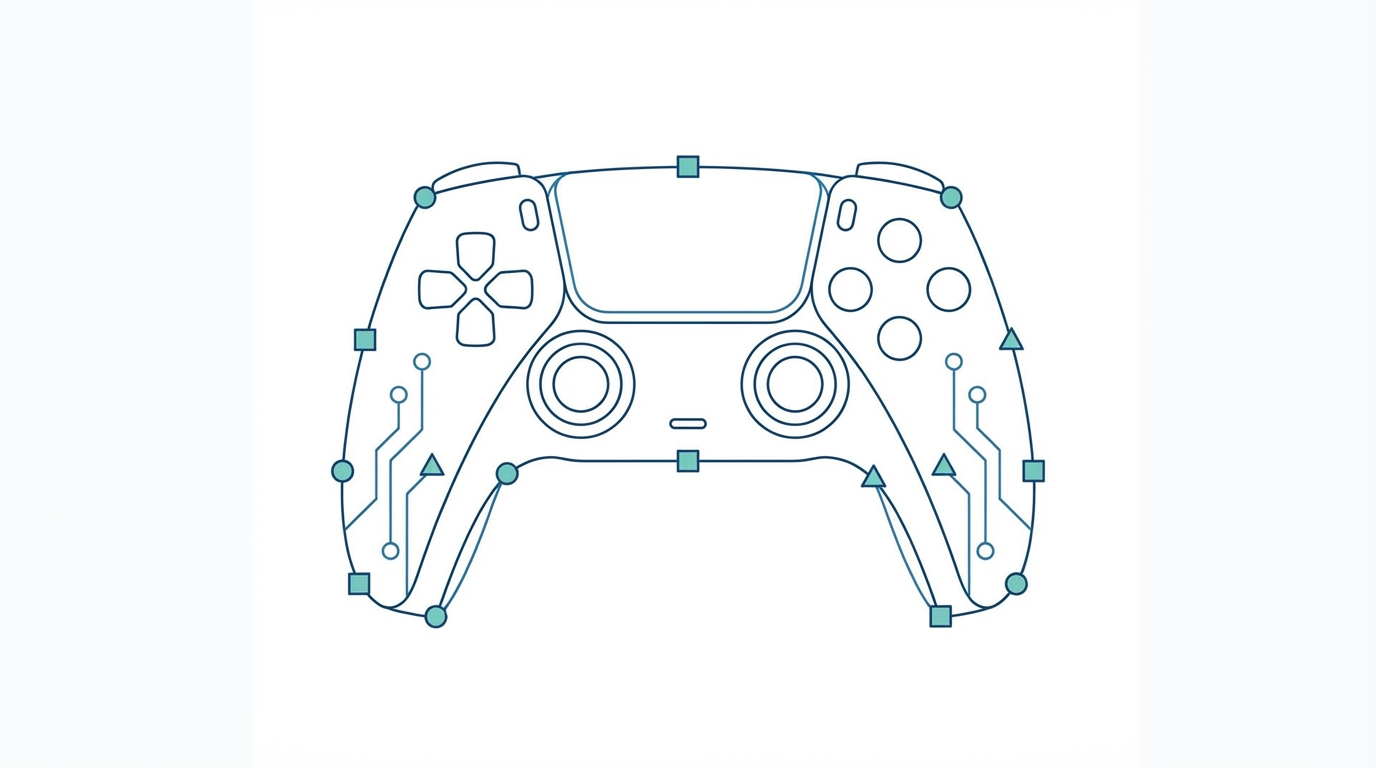
Once a niche is identified, the challenge shifts to product design. Traditionally, this required expensive industrial designers and months of prototyping. Today, AI agents can synthesize thousands of customer pain points from sources like Reddit and Geekhack to create a perfect product spec. When prompting an AI agent for the cozy gaming niche, the goal is to solve unmet customer pain points such as stabilizer rattle, mushy keys, and bloated, buggy software that disrupts the "zen" of a workspace.
Using AI-driven design, a brand like "Cloud Key" or "Nook and Switch" can be conceptualized in minutes. The AI doesn't just suggest a name; it builds a mission statement focused on "turning the desk into a sanctuary." It can specify technical features that creators in this space crave, such as ceramic coatings (e-coating) instead of standard anodization, which provides a smoother, more "milky" visual finish. These specific details are what make a product go viral in the Gen Z ecommerce trends landscape, as they signal authenticity and high-quality craftsmanship to a discerning audience.
Technical Specifications for Viral Success
- Sound Profile: Aim for a "thocky rain" sound signature using a five-layer internal dampening structure.
- Aesthetics: Seamless monochromatic designs where the PBT keycap plastic perfectly matches the CNC case color.
- Form Factor: Focus on a 75% wireless layout to maintain a clean, cable-free "cozy" aesthetic.
Phase 2: Bridging Product Design and Manufacturing
The bridge between a concept and a multimillion-dollar business is sourcing. The traditional method of scrolling through Alibaba.com can be overwhelming and risky. However, AI-powered sourcing agents now allow you to vet manufacturers based on reorder rates and specific technical capabilities. For a cozy gaming brand, you need a partner who understands OEM services and private labeling with low MOQs (Minimum Order Quantities) to test the market.
When reaching out to suppliers, precision is key. Instead of asking for general "matte paint," a sophisticated founder uses AI-generated inquiries to ask for electrophoretic deposition (e-coating) to ensure the pastel colors don't chip and maintain that premium feel. This level of technical depth, provided by AI insights, prevents the "rookie mistakes" that often sink new e-commerce ventures. By securing a verified manufacturer who can handle high-end customization, you ensure that the physical product matches the high-gloss visual concepts that will eventually be featured in creator content.
Phase 3: AI-Driven Creator Selection

With a product in hand, the focus shifts to influencer marketing for ecommerce. In the cozy gaming world, the "top" influencers aren't necessarily the ones with the most followers; they are the ones with the highest aesthetic alignment. You are looking for creators whose content feels like a "warm hug"—soft lighting, organized desks, and high-quality audio that highlights the thocky acoustics of your keyboard.
This is where tools like Stormy AI become indispensable. Instead of manually searching hashtags, you can use natural language prompts to find "creators in the cozy gaming niche with high engagement and a minimalist aesthetic." Stormy’s AI allows you to filter by audience quality and detect fake followers, ensuring your launch budget is spent on authentic voices. By identifying creators who already use ceramic-coated or pastel peripherals, you find an audience that is already pre-sold on the "vibe" of your brand.

Phase 4: Influencer Outreach for Product Launch
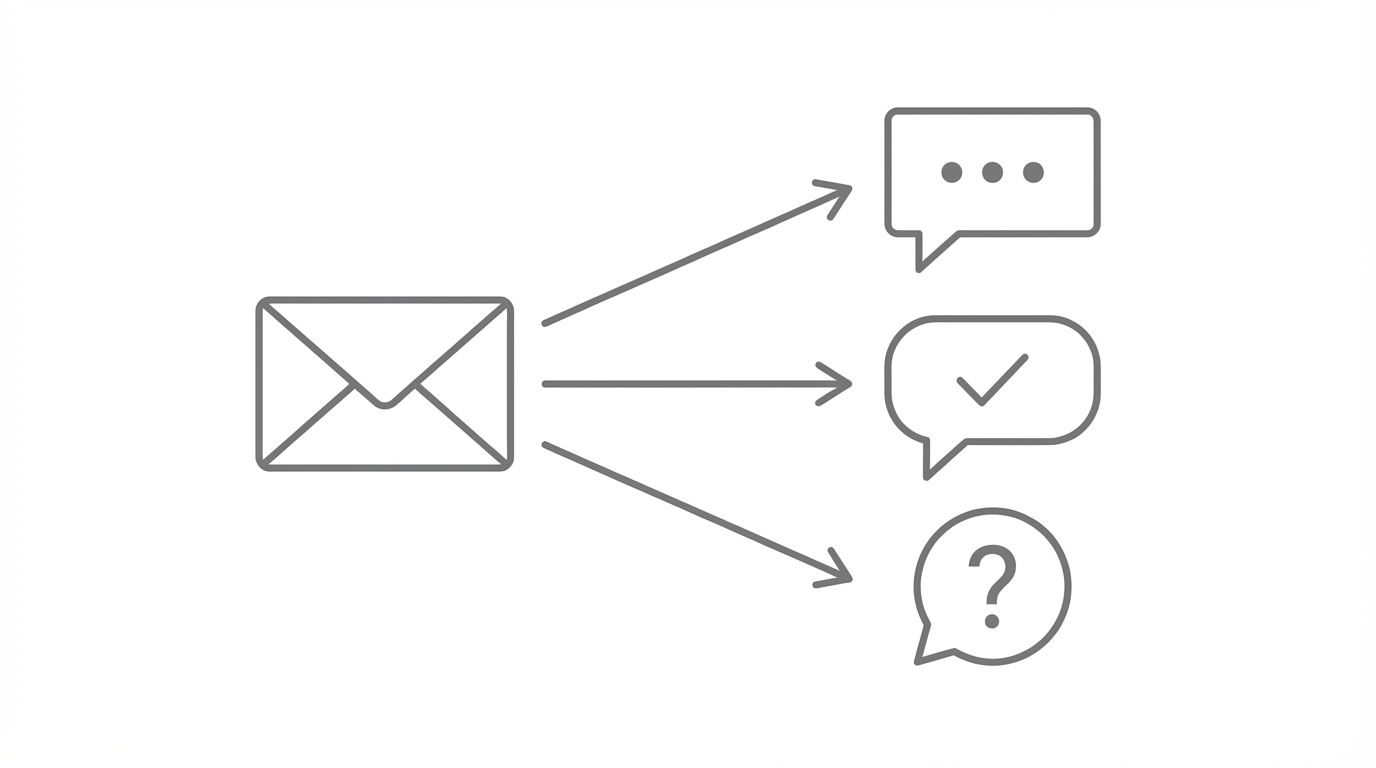
The final phase of the influencer outreach for product launch involves moving from discovery to execution. To scale a niche brand to a multimillion-dollar valuation, you cannot rely on manual emails. You need a system that manages relationships and automates the "boring" parts of the business. Distribution automation is the secret weapon of the modern e-commerce entrepreneur.
Using a creator CRM allows you to track every interaction from the initial seed shipment to the final campaign post. When working with cozy gamers, hyper-personalized outreach is critical. They are often protective of their community's aesthetic. Your outreach should mention specific technical details—like the ceramic finish or the custom dampening layers—that align with their content style. AI agents can now handle these follow-ups on a schedule, allowing you to build a massive network of brand advocates while you focus on the next product in your roadmap.
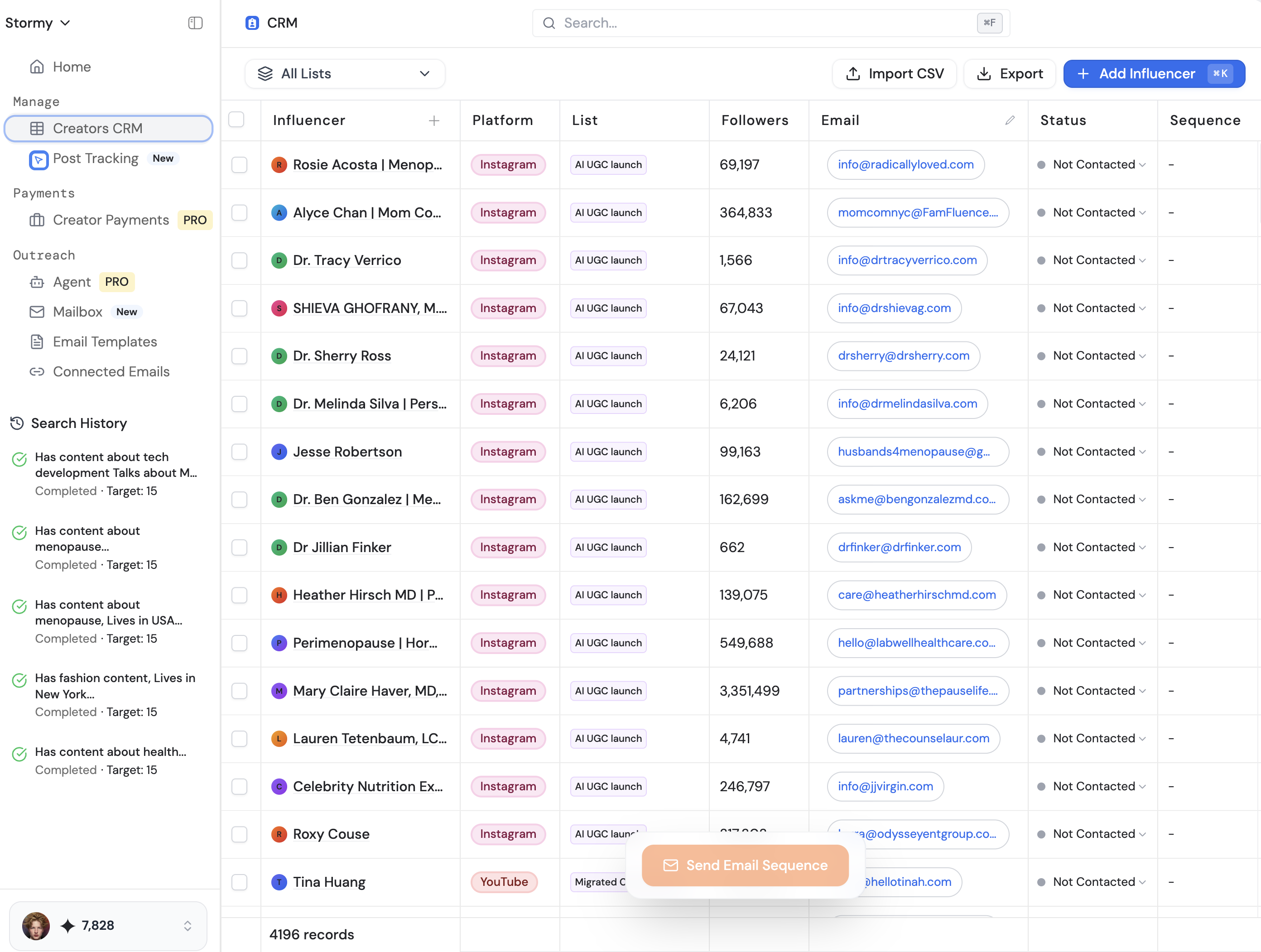
Phase 5: Scaling from Concept to Multimillion-Dollar Business

Once the initial influencer marketing for ecommerce campaign is live, the focus turns to post-tracking and analytics. You need to know which creators are driving actual sales versus just "aesthetic likes." By monitoring views, likes, and engagement rates across platforms like TikTok and Instagram, you can identify the "high-ROI" creators and move them into long-term partnerships or affiliate deals.
Tools like Stormy AI can help manage this entire lifecycle—from the first AI-personalized email to tracking the final campaign performance in a centralized dashboard. This automation allows a small team (or even a solo founder) to manage dozens of creator relationships simultaneously. As the brand grows, you can iterate on your product line, moving from keyboards into other desk sanctuary items like orthopedic wrist rests or smart ambient lighting, all backed by the same AI-driven trend data.
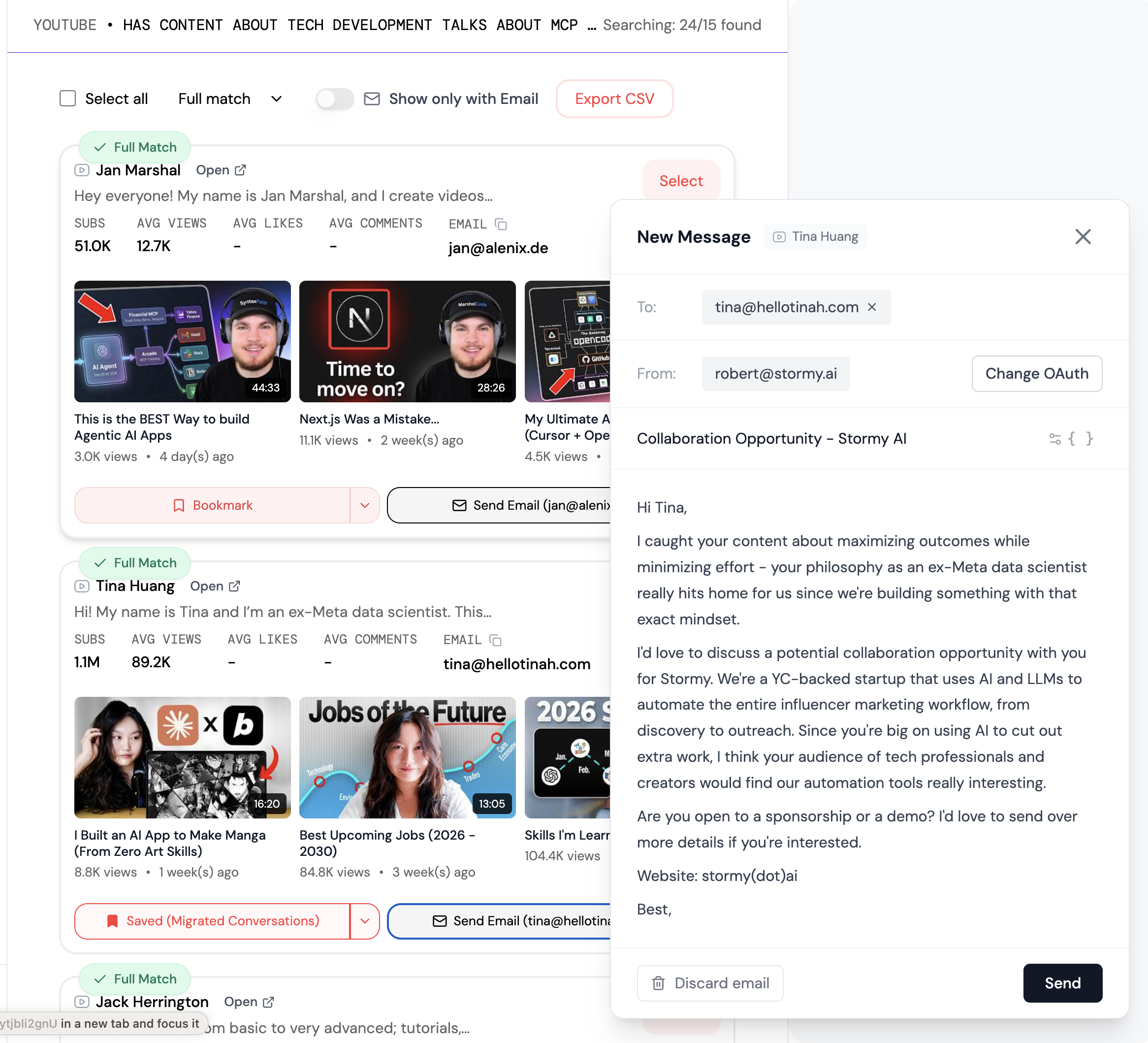
Conclusion: The 'Unfair Advantage' of AI and Influencers
The combination of AI-driven insight and creator-led distribution has created an "unfair advantage" for new brands. We are in a unique window where the tools to find trends, design products, vet manufacturers, and reach influencers are all accessible through simple natural-language interfaces. The 'Cozy Gaming' strategy is just one example of how this blueprint can be applied. Whether it’s senior dog supplies or smart baby products, the methodology remains the same: use AI to find the pain points, design a superior aesthetic solution, and use influencers to tell the story.
If you're ready to stop guessing and start building, the roadmap is clear. Start by identifying a high-growth subculture, use AI to refine your product specifications, and leverage a platform like Stormy AI to find the creators who will bring your brand to life. In the era of the idea person, the only limit is how quickly you can execute on the insights at your fingertips.