In the modern financial landscape, your side hustle is often just one viral idea away from changing your life. While traditional investors have spent decades obsessing over the S&P 500, a new generation of entrepreneurs is looking toward a more volatile, yet highly lucrative, frontier: the meme economy. This isn't just about stocks or crypto; it is about physical assets whose value is driven by cultural relevance, nostalgia, and manufactured scarcity. By combining a collectible investment strategy with social media meme marketing, savvy players are turning overlooked items into high-performing asset classes.
The Kabuto King Strategy: Cornering the Market on Niche Assets
The concept of cornering a market is ancient, but the digital age has given it a facelift. Take the "Kabuto King" strategy. An anonymous trader on Twitter/X began systematically buying every first-edition Kabuto Pokemon card he could find. In the late 90s, Kabuto was a common, non-holographic card from the Fossil edition—essentially a "lame" asset that most collectors ignored. At the start of this movement, these cards were worth roughly 30 to 50 cents each.

By leveraging platforms like TCGPlayer and eBay, the Kabuto King bought up the supply. But the real magic happened through social media. He didn't just hoard the cards; he turned the character into a meme. He posted daily updates, created a persona around the asset, and convinced others that this overlooked card was actually a status symbol. Within three months, the price of an ungraded first-edition Kabuto jumped to $10–$20, a massive return on investment driven entirely by social sentiment.
Why Collectibles Are Outperforming Traditional Markets
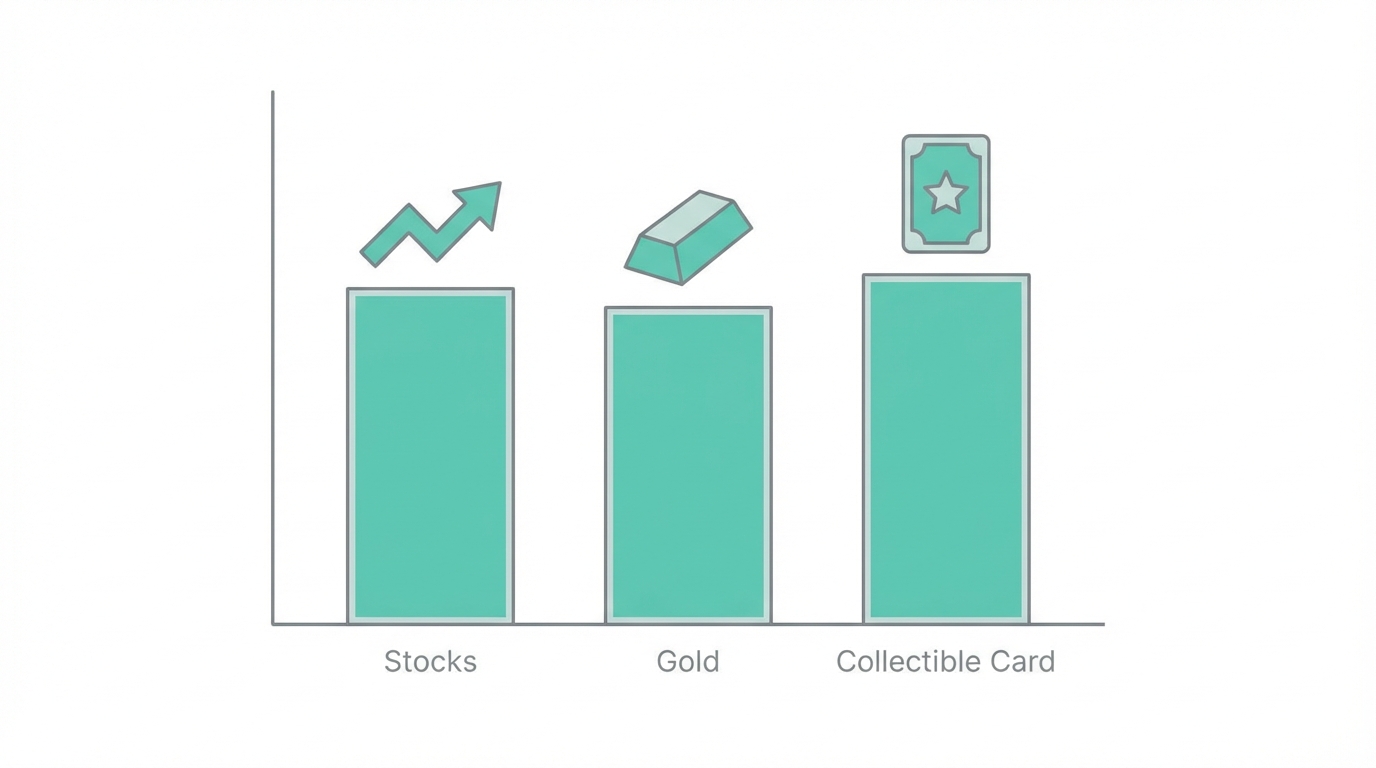
Data suggests that collectibles are no longer just a hobby; they are a legitimate financial hedge. Recent reports from CNBC indicate that Pokemon cards have outperformed the S&P 500 over several timeframes, becoming one of the best-performing asset classes of the decade. Unlike traditional stocks, the value of a collectible is tied to supply and demand that is often immune to interest rate hikes or corporate earnings reports.
To track these trends, entrepreneurs are moving beyond simple gut feelings and using AI-powered research tools. Platforms like Perplexity and Claude allow traders to scan historical pricing and identify "undervalued" characters or sets. The goal is to find the "Shellder" or "Krabby" of the set—assets that are provably old (from 1999) but currently cheap enough to accumulate at scale. For pokemon card arbitrage, the alpha lies in identifying misprints or mint-condition cards within bulk lots that can be culled and flipped for a premium.
Digital Grading and the Business of Transparency
A major bottleneck in the collectible world is the grading process. Legacy companies like PSA hold a near-monopoly, often charging $40 to $50 per card and requiring weeks of waiting. This industry is a "racket" ripe for disruption. There is a significant live commerce business idea in creating a more transparent, AI-driven grading alternative. Imagine an app that uses high-resolution photography and AI algorithms to scan for centering, corner wear, and surface scratches instantly.
By using an iPhone camera and a proprietary wrapper, a new-age grading service could provide a score in seconds rather than months. To win in this space, you don't need to replace PSA overnight; you just need to offer a five-dollar alternative that looks high-end. Packaging and branding—much like the way a Kia can be designed to look like a high-end luxury vehicle—is everything. A sleek, holographic display case sent back to the customer can create a "viral reveal" moment that drives further adoption.
Building a Social Media Personality Around an Asset

To successfully manufacture demand, you must understand the distribution. First-time founders focus on product, but second-time founders focus on distribution. This is why social media meme marketing is the core of the strategy. You aren't just selling a card; you are selling a narrative. This involves a clear, repeatable playbook:
Step 1: Scrape the Data
Use tools to find every listing of a specific niche card on Facebook Marketplace. With half a billion people using Marketplace, it is a goldmine for undervalued local deals. You can even vibe-code simple scrapers using AI to alert you whenever a specific set appears below market value.
Step 2: Create a Viral Content Hub
Build an organic audience on TikTok or X. The algorithm loves polarizing content. Half the people will think you are a genius for cornering the market on "Krabby" cards, and the other half will call you an idiot. Both types of engagement signal the algorithm to spread your content further. To reach a wider audience, tools like Stormy AI can help you discover creators and influencers in the retro gaming niche who can amplify your message through hyper-personalized outreach.
Step 3: Leverage Short-Form Video
Short-form video is the most powerful distribution tool the internet has ever seen. Showing the physical accumulation of the asset—mailboxes full of cards every single day—creates a psychological effect of "FOMO" (Fear Of Missing Out) among your viewers. When people see the supply disappearing, they start buying to get in on the action.
The 'Willy Wonka' Effect: Live Commerce and Gamification

Once you have the supply and the audience, the next step is monetization through live commerce. This is where the "Willy Wonka" strategy comes in. Instead of simply selling cards at a fixed price, you can use live commerce business ideas that incorporate games of chance. According to McKinsey, live commerce is rapidly transforming the retail experience through high-engagement entertainment. For example, a grading service could offer a "Golden Ticket" where every 100th graded card is returned with a high-value bonus asset like a Charizard.
Integrating digital grading services into a live stream adds a layer of transparency and entertainment. You can use a high-definition camera pointed at the card, reacting in real-time to its condition. This high-retention content keeps users on the platform and builds a community around the brand. Using a Shopify storefront integrated with your live stream allows for seamless transactions, while an automated Stripe-powered checkout ensures you can handle high volume during peak viral moments.
Managing the Empire
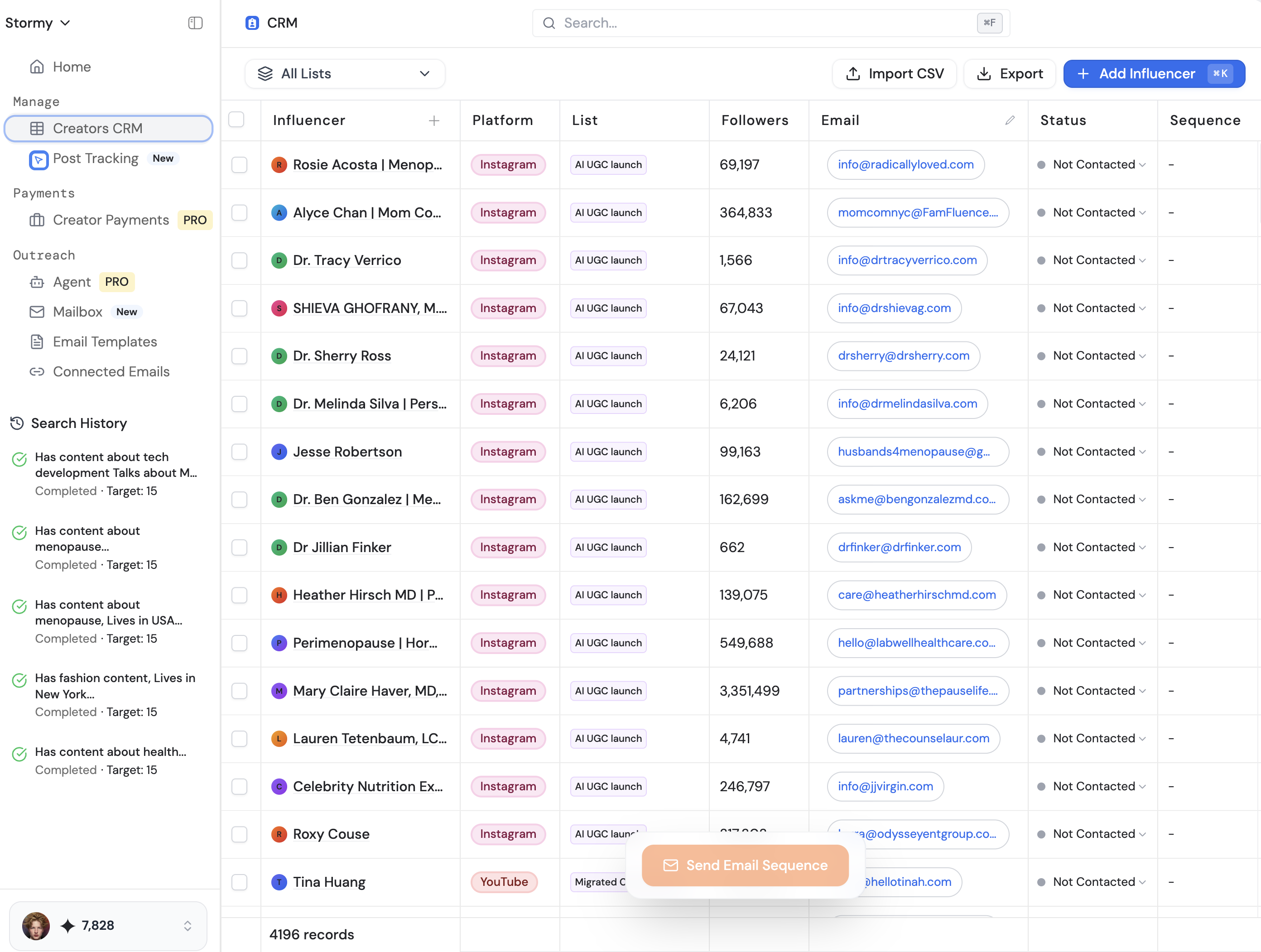
As your arbitrage business grows, managing relationships with other collectors, card shops, and influencers becomes a full-time job. You need a system to track who owns what and who is willing to sell. While legacy databases like Tagger or Julius exist, they often lack the AI-native features required for rapid social growth. A specialized creator CRM is essential for managing these deals. Instead of manually emailing every card shop in the country, using platforms like Stormy AI allows you to source UGC creators at scale, vetting them for audience quality and automating the follow-up process while you sleep.
By automating the outreach to potential sellers and influencers, you can maintain a constant flow of new inventory without spending eight hours a day in your inbox. You can even set up Meta ads to target specific demographics—such as parents of 90s kids—who may have boxes of "worthless" cards sitting in their attics. This multi-channel approach ensures that your collectible investment strategy remains fueled by a steady stream of undervalued assets.
The Future of Social Arbitrage
Cornering the meme economy requires a blend of data-driven research and psychological marketing. Whether you are buying first-edition Pokemon cards or building a new digital grading service, the goal is to identify where the world is moving before it gets there. The transition from a "dumb" piece of cardboard to a ten-million-dollar business is entirely dependent on your ability to manufacture demand and control distribution. Start small, accumulate supply, and use the power of the internet to turn your niche interest into a scalable empire. In a world where attention is the ultimate currency, the person who controls the meme controls the market.