In the high-noise environment of 2026, where AI-generated filler content clogs every digital pore, the brands that win aren't necessarily the ones with the largest budgets—they are the ones that prioritize humanity. If you have watched the "Forks" episode in season two of The Bear, you have seen a masterclass in what happens when a team commits to the pursuit of excellence. It is not just about polishing forks; it is about the unreasonable pursuit of hospitality—the act of making a customer feel seen, heard, and deeply cared for in a way that defies logic.
This philosophy, pioneered by Will Guidara at the legendary restaurant 11 Madison Park, is the ultimate blueprint for email marketing copywriting and brand building this year. By applying the "Unreasonable Hospitality" framework to your forgotten marketing touchpoints—like welcome emails, unsubscribe pages, and shipping notifications—you can transform mundane transactions into viral growth engines. This article explores how to rewrite your customer journey to spark emotional connections and drive conversion rate optimization through high-intent, hospitable copy.
The 'Hustle' Method: Rewriting the Forgotten Text
Learn how to turn mundane transactional text into memorable brand-building moments.
In most digital businesses, there exists a massive category of what we call "forgotten text." These are the default messages sent by platforms like Mailchimp, Beehiiv, or Shopify. They usually say things like, "Thanks for subscribing. Click here to confirm." In 2026, this is a wasted opportunity. Unreasonable hospitality dictates that every touchpoint, no matter how small, is a chance to build a relationship.
The "Hustle" method, named after the early growth strategy of The Hustle newsletter, involves identifying these sterile moments and injecting them with personality. Instead of a standard confirmation, imagine a welcome email with the subject line: "Look what you did, you little jerk." The body copy might describe how a bell went off in the office and the team did push-ups to celebrate the new subscriber. This isn't just "clever" copy; it is a meta-signal that your brand cares about details that no one else has paused to consider.
"Smallest enhancements to the most overlooked touchpoints can have the greatest impact because it says: we are willing to care about things that no one else does."Tier 1: One Size Fits All (Systemic Generosity)
Will Guidara breaks down the three tiers of unreasonable hospitality philosophy.Will Guidara divides hospitality into three tiers. The first is One Size Fits All. These are systemic improvements that every single customer experiences. At 11 Madison Park, this was the cognac gesture. When the check arrived—usually the most stressful part of a fine dining meal—the staff would pour a splash of cognac and leave the bottle on the table with a compliment. It neutralized the "pain" of the bill with a gesture of profound generosity.
In your content distribution strategy, this looks like giving away your best value for free before the user even asks. For example, a SaaS company might include a surprise $15 Starbucks gift card in the "glove compartment" of their onboarding experience—perhaps a hidden link in the first tutorial that says, "Coffee is on us while you learn the ropes." This triggers the rule of reciprocity: when you do an unprompted favor, the customer feels a psychological debt to remain loyal.
| Touchpoint | Standard Approach | Unreasonable Approach (2026) |
|---|---|---|
| Welcome Email | "Welcome to the list." | Hyper-personalized story about the team's reaction. |
| The Invoice | Plain PDF receipt. | Handwritten-style note with a surprise discount or gift. |
| Error Page | "404: Not Found." | Interactive game or a humor-driven apology video. |
Tier 2: One Size Fits Some (Pattern Recognition)
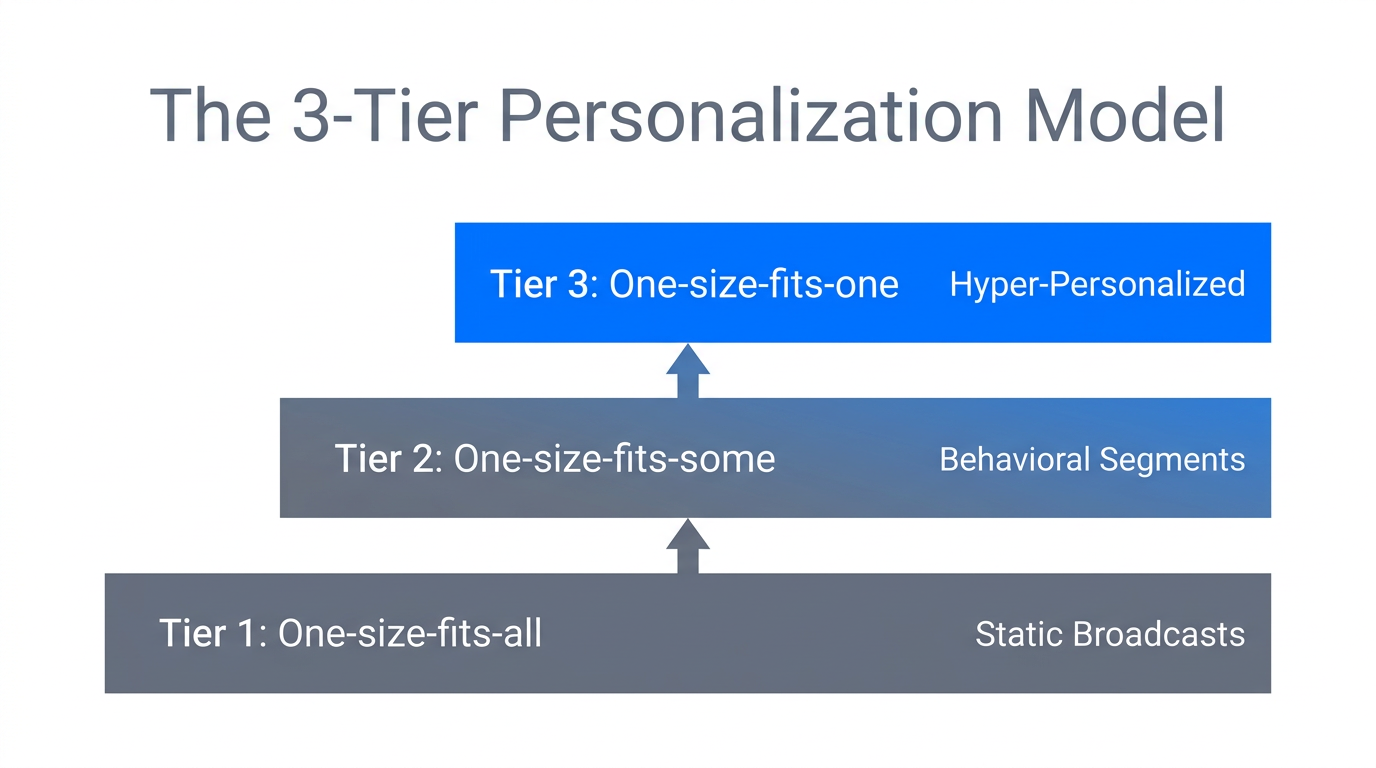
The second tier is One Size Fits Some, which relies on pattern recognition. In every business, certain life events happen to customers repeatedly. They get engaged, they move house, or they lose a pet. A 2026 brand uses data to anticipate these moments and react with "unreasonable" speed.
The gold standard for this is Chewy. When a customer calls to cancel a recurring food order because their dog has passed away, Chewy doesn't just refund the money—they send a bouquet of flowers and a sympathy card 48 hours later. This isn't scalable in the traditional sense, but it is massively viral. One customer tells ten friends, and suddenly your customer acquisition cost (CAC) drops because of the stories being told about your brand.
To implement this in your copywriting, you must build "hospitality triggers" into your CRM. If your analytics show a user has been inactive for 30 days, don't send a generic "We miss you" email. Send a message that recognizes the pattern of their industry or role. "We know Q4 is chaos for marketing managers. Here is a 10-minute meditation we recorded for you—no sales pitch included."
"Hospitality happens at the intersection of creativity and intention. It is being intentional enough to seek out relationships."The Anatomy of the 'World's Greatest Welcome Email'
Exploring the design and intention behind creating a world-class welcome email experience.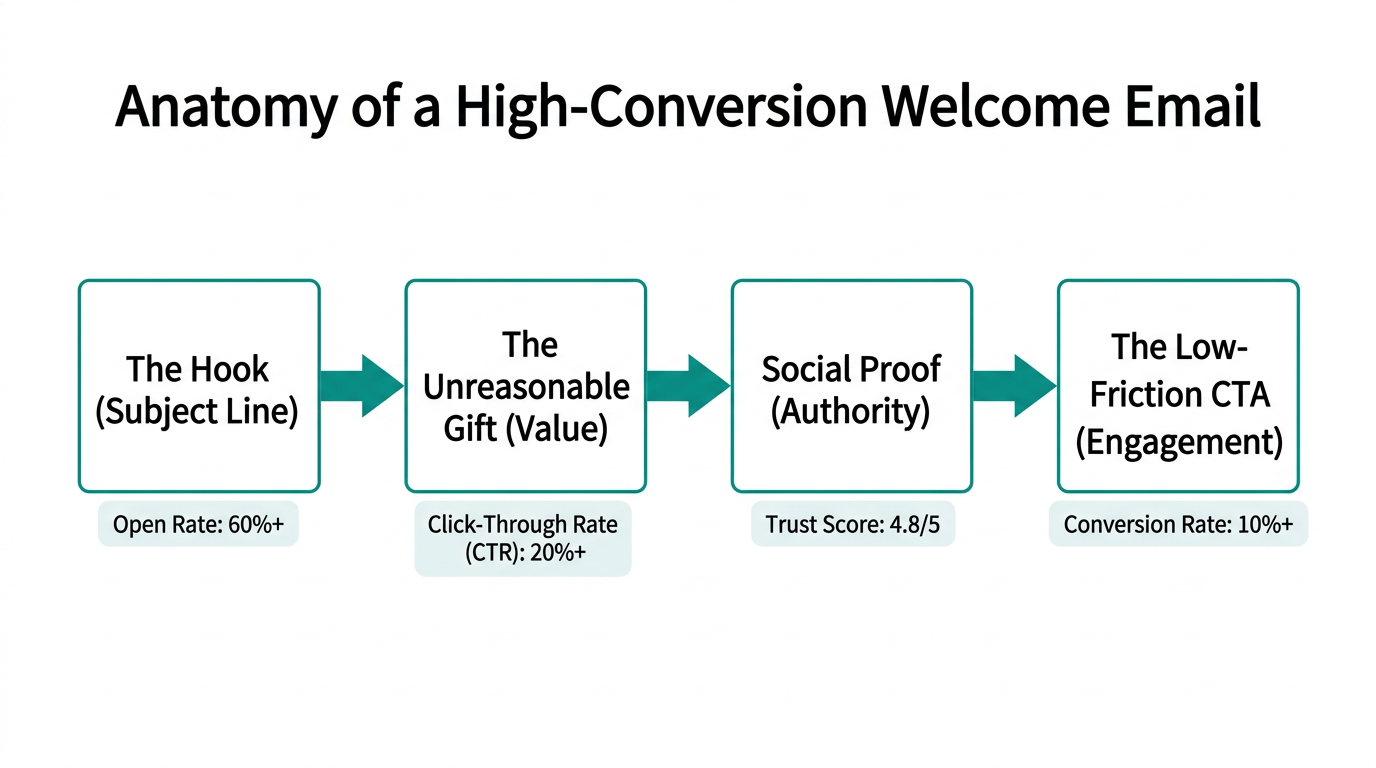
In 2026, your welcome email is your digital front door. If you want to win the inbox, you must move beyond brand building and start pursuing people. The anatomy of a high-converting, hospitable welcome email includes:
- The Hook: A subject line that breaks the pattern of the inbox (e.g., "I'm a little embarrassed..." or "You're hired").
- The Narrative: A story that makes the reader feel like they've joined a secret society rather than a mailing list. Reference internal team members by name.
- The Surprise: A small, unannounced gift. This could be an exclusive template, a Notion board, or a direct line to the founder.
- The Call to Connection: Ask a specific question. Not "How can we help?" but "What is the one thing keeping you up at 2:00 AM this Tuesday?"
Brands like Stormy AI are revolutionizing this by allowing companies to discover creators and influencers who align with these human values, ensuring that the outreach isn't just automated, but hyper-personalized through AI-driven discovery tools.
Tier 3: One Size Fits One (The Dreamweaver)
This is the hardest tier to execute but the most powerful. One Size Fits One is about gestures that are specific to a single individual. At 11 Madison Park, this was the "Hot Dog Story." A table of foodies mentioned they never got to try a New York street dog. Guidara ran outside, bought a $2 hot dog, and had his Michelin-star chef plate it beautifully. The customers freaked out—more than they did for the caviar—because they felt seen.
In a digital context, this requires a Dreamweaver role—someone on your team with the bandwidth to execute on creative ideas. If you notice a customer tweeting about a difficult move while using your app, the Dreamweaver doesn't just 'like' the tweet. They send a pizza to the new address. Or, if you are managing influencer relationships, you can use Stormy AI to track specific life milestones of your creators and send bespoke gifts that prove you are paying attention to more than just their engagement rates.
Operationalizing Magic
How do you make the "unreasonable" sustainable? You must mandate it. A UPS store owner in Sarasota recently made it mandatory for every employee to "comp" one customer per shift up to $40. This forced the staff to engage with every person to find the most deserving recipient. It transformed the culture from transactional to relational.
Using Humor and Humanity to Reduce Unsubscribe Rates
Even the end of a relationship is a touchpoint. Most unsubscribe pages are cold and clinical. Groupon famously changed the game with a video of their CEO "punishing" an intern for the user's decision to leave. It was silly, human, and memorable.
In 2026, use your unsubscribe page to remind the user that there are humans behind the screen. A simple video or a piece of humorous copy can reduce churn by 10-15%. Use lines like, "We're currently playing 'All By Myself' on the office speakers and eating sad ice cream. If you change your mind, we'll stop immediately." While it won't save every subscriber, it ensures that even those who leave do so with a positive brand recall.
Actionable Audit: Mapping Your Customer Journey
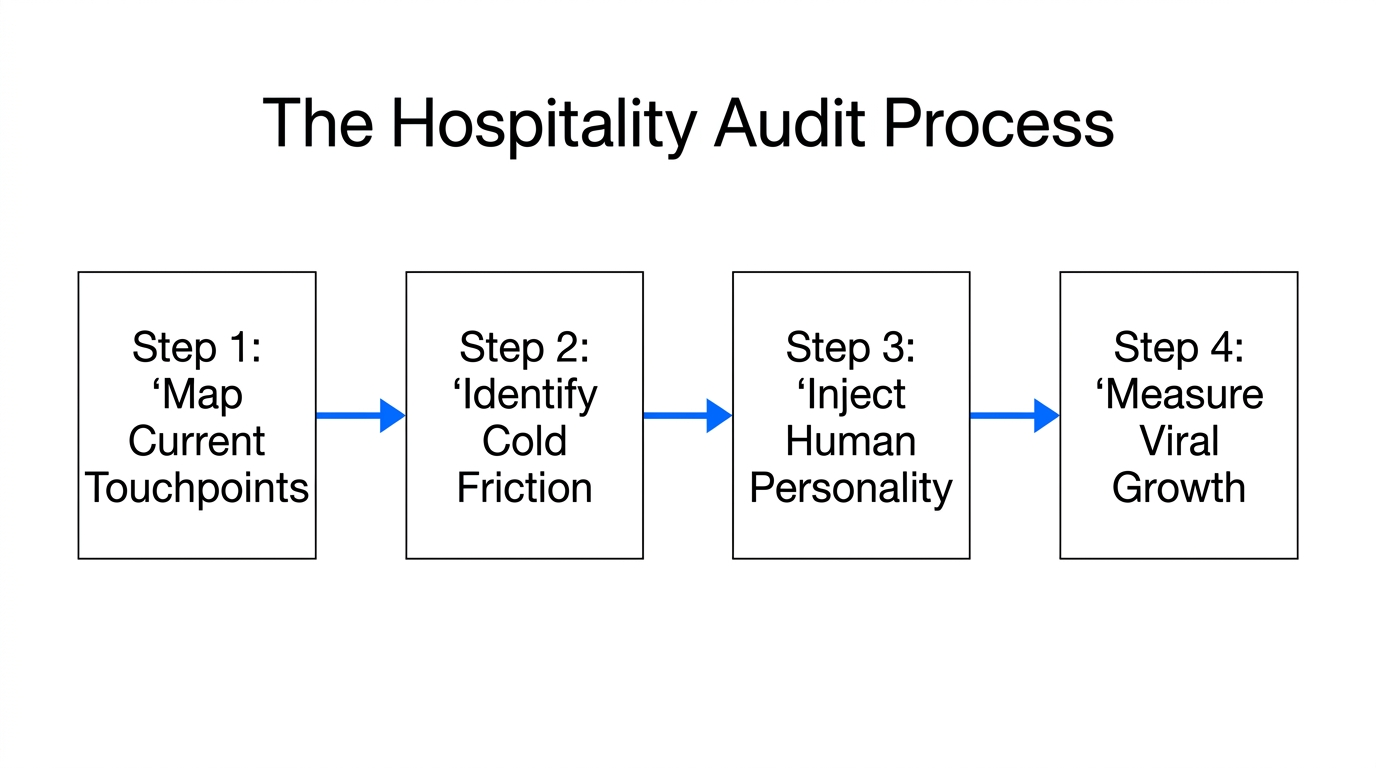
To win with Unreasonable Hospitality, you must find the gaps where your competitors are being "reasonable." Follow this playbook:
- Identify the 'Forgotten' Touchpoints: List every automated email, error page, and notification your customer receives.
- Apply the Tier System: Decide which moments can be improved for everyone (Tier 1) and which require pattern recognition (Tier 2).
- The 'Hot Dog' Test: Ask your team, "What is the digital version of a street hot dog for our specific customer?" What is the small, silly thing that would make them feel seen?
- Empower a Dreamweaver: Give one person on your team the authority (and a small budget) to act on Tier 3 opportunities without needing a meeting.
- Rewrite for Humanity: Use tools like Canva for custom visuals and ensure your copy sounds like a smart friend, not a corporation.
Conclusion: Excellence is Not Optional
A final reflection on why excellence in service is mandatory for success.As we navigate 2026, the brands that thrive will be those that realize hospitality is the ultimate competitive advantage. Whether you are running an e-commerce store on Shopify or a newsletter on Beehiiv, your email marketing copywriting must transcend the transaction.
By being unreasonable in your pursuit of excellence, you give people stories to tell. And in the digital age, a story told by a customer is worth a thousand dollars of traditional advertising. Start small, rewrite one "forgotten" email today, and begin the journey of making your brand unforgettable.