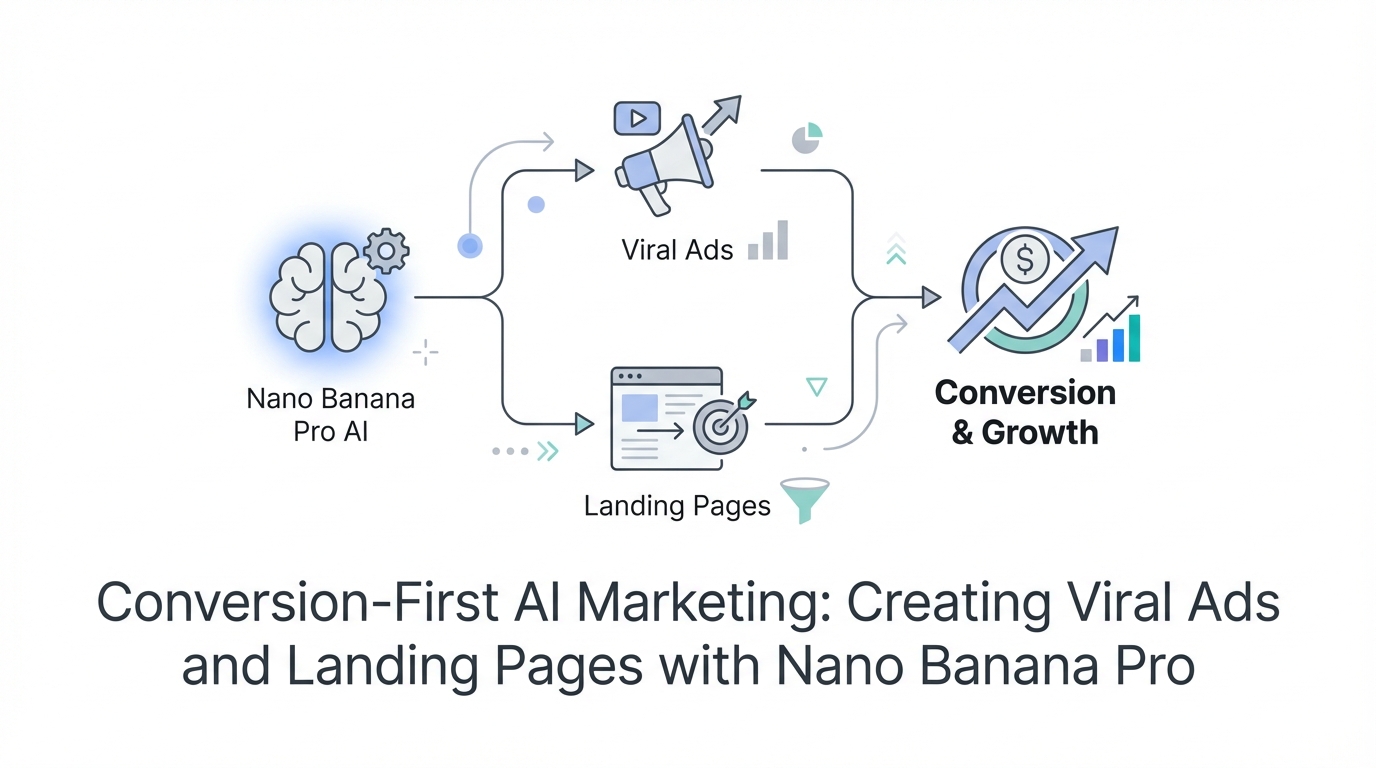
The marketing landscape is currently undergoing a seismic shift, moving away from fragmented workflows toward a unified, automated reality. As Sam Altman recently noted, we have officially entered the era of the idea guy, where the distance between a concept and a market-ready asset has been reduced to a single prompt. For growth marketers and founders, this means the ability to leverage AI for direct response marketing is no longer just a luxury—it is the baseline for survival. By utilizing advanced tools like Nano Banana Pro and Gemini 3, brands are now capable of generating high-performing ad creative and complex landing page architectures in seconds, effectively removing the traditional bottlenecks of design and engineering.
The Infographic Hack: High-Impression Social Ads with Nano Banana Pro
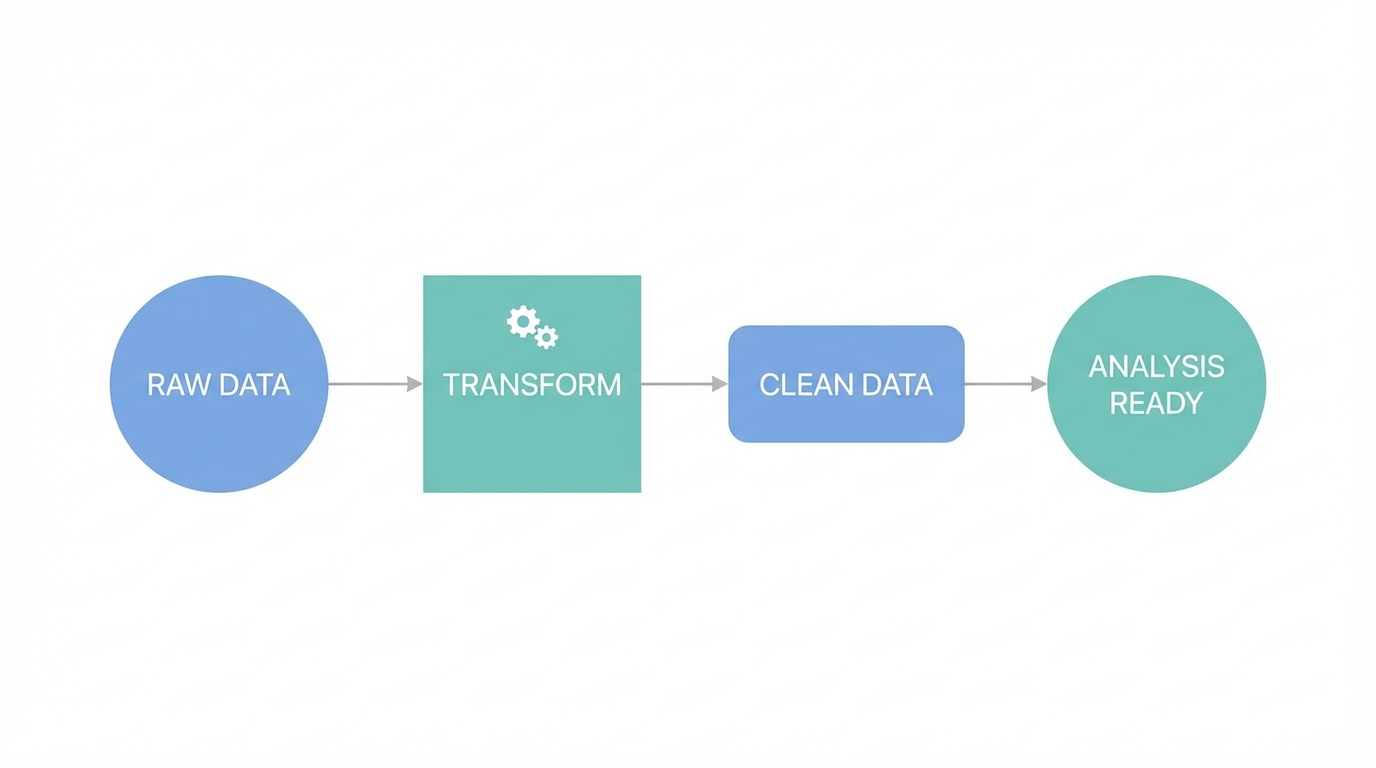

One of the most powerful developments in Nano Banana Pro marketing is the ability to render perfect text within images, a feat that older models struggled to achieve. This has birthed the 'Infographic Hack,' a strategy used by elite growth hackers to dominate feeds on platforms like X (formerly Twitter) and Meta. By creating AI generated infographics that provide immediate value to the user—such as one-page maps, checklists, or step-by-step frameworks—marketers can achieve upwards of 50,000 impressions on organic posts with minimal effort. According to research from The Vibe Marketer, these infographic-style ads work because they provide value before asking for a click, effectively lowering the cognitive friction of the user journey.
When executing this hack, the focus should be on clarity over complexity. Use Nano Banana Pro to generate clean layouts with bold headers. A successful framework often involves a 'Before vs. After' comparison or a 'System Over Hacks' visual. For instance, if you are running a retargeting campaign, an infographic that breaks down a complex solution into three simple steps can significantly boost CTR. Tools like Glyph.app further enhance this by allowing you to prompt Nano Banana Pro with specific stylistic constraints, ensuring that your AI generated infographics do not look like generic stock imagery but rather bespoke brand assets.
The Elevated Direct Response Framework: Beyond Brand Speak
A common pitfall in modern digital marketing is 'empty brand speak'—vague promises that lack emotional resonance or a clear path to action. To counter this, the 'Elevated Direct Response' framework focuses on the Pain-Agitate-Solution (PAS) model. This involves identifying a core pain point, stoking the frustration of the user, and then positioning your product as the only logical escape. Insights from Idea Browser suggest that the most successful founders are those who spend time researching niche leaders like Cody Sanchez and Alex Hormozi to understand how they structure their high-ticket offers.
To build a high-performing voice skill in models like Claude Opus, you must feed the AI transcripts and examples of this direct response DNA. Researching leaders like Cody Sanchez reveals a 'contrarian educator' hook—starting with a viewpoint that goes against the grain to capture immediate attention. Meanwhile, Alex Hormozi emphasizes the 'Value Stack,' where the offer is framed with so many bonuses and guarantees that it feels 'dumb to say no.' By blending these perspectives with your own natural brand voice, you create a marketing presence that feels authentic yet remains ruthlessly focused on conversion.
Gemini 3 for Ad Creative and Visual Storytelling
While Nano Banana Pro marketing is ideal for static assets, Gemini 3 for ad creative offers a unique advantage through its deep integration with the Google ecosystem. For marketers running Meta and X retargeting campaigns, Gemini 3 can analyze current industry trends and suggest visual hooks that align with high-performing data patterns. The 'Vibe Building' process involves taking a raw concept—like a family dashboard for estate management—and asking the AI to generate a 'clickable prototype' visual first. This high-fidelity mockup serves as a North Star for the rest of the campaign, ensuring the ad creative matches the eventual landing page experience perfectly.
Utilizing tools like Glyph.app alongside Gemini 3 allows for a more iterative creative process. You can generate multiple variations of a 'transformational' ad—one that shows the chaotic 'before' state and the streamlined 'after' state—to see which resonates most with your audience. This data-driven approach to visual storytelling ensures that every pixel is working toward the goal of increasing your ROAS (Return on Ad Spend).
High-Converting Landing Page Architecture: A Step-by-Step Guide
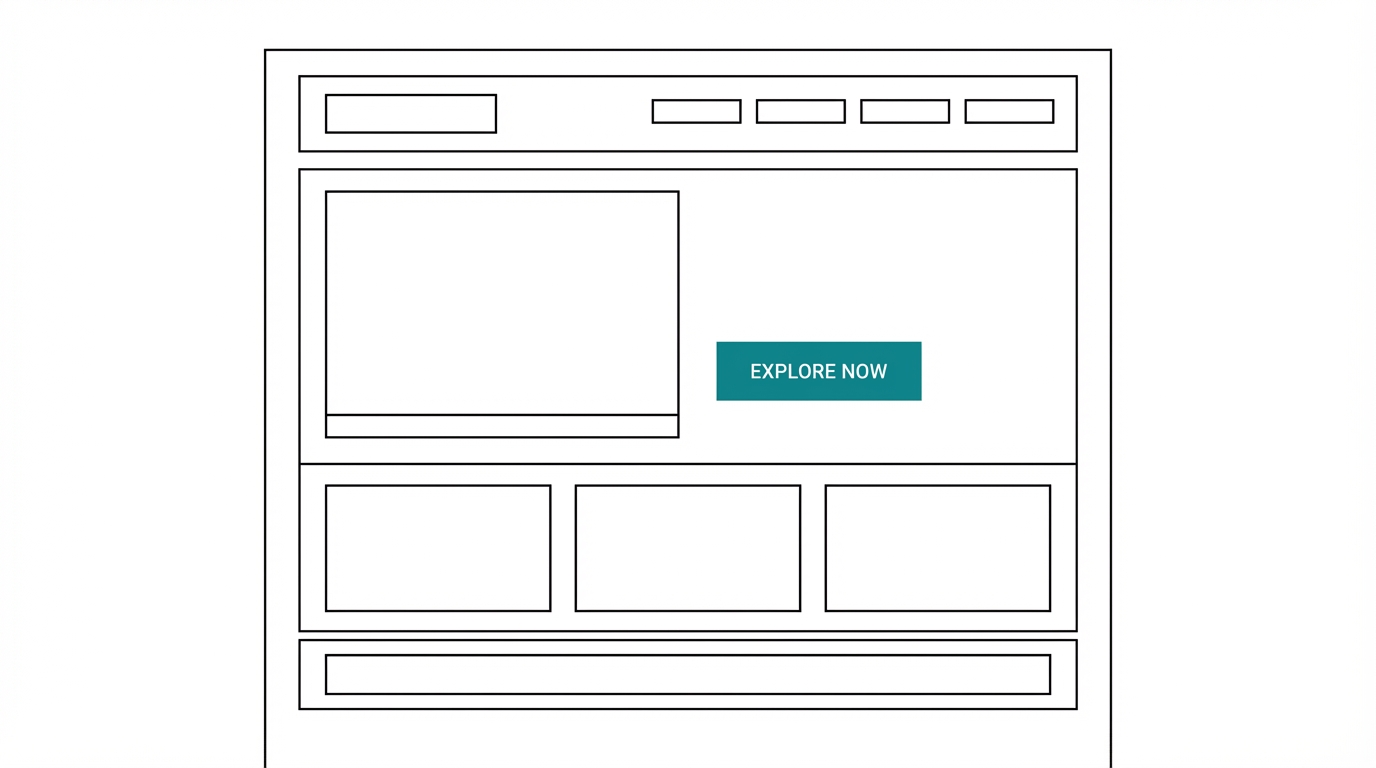
Building a high converting landing page architecture requires more than just good design; it requires a psychological flow that leads the user from awareness to conversion. Using AI models like Claude Opus 4.5 with specific 'front-end design skills' allows non-technical marketers to generate production-grade code that avoids the 'typical AI look.' A standard conversion-optimized layout should follow this hierarchy:
- Impactful Hero Section: State the primary transformation or outcome immediately.
- Problem-Agitate-Solution (PAS): Clearly define the user's struggle and how you solve it.
- The Value Stack: List everything the user gets, creating an overwhelming sense of value.
- Social Proof: Use testimonials or logos to build trust.
- Strong CTA: A clear, singular action the user must take.
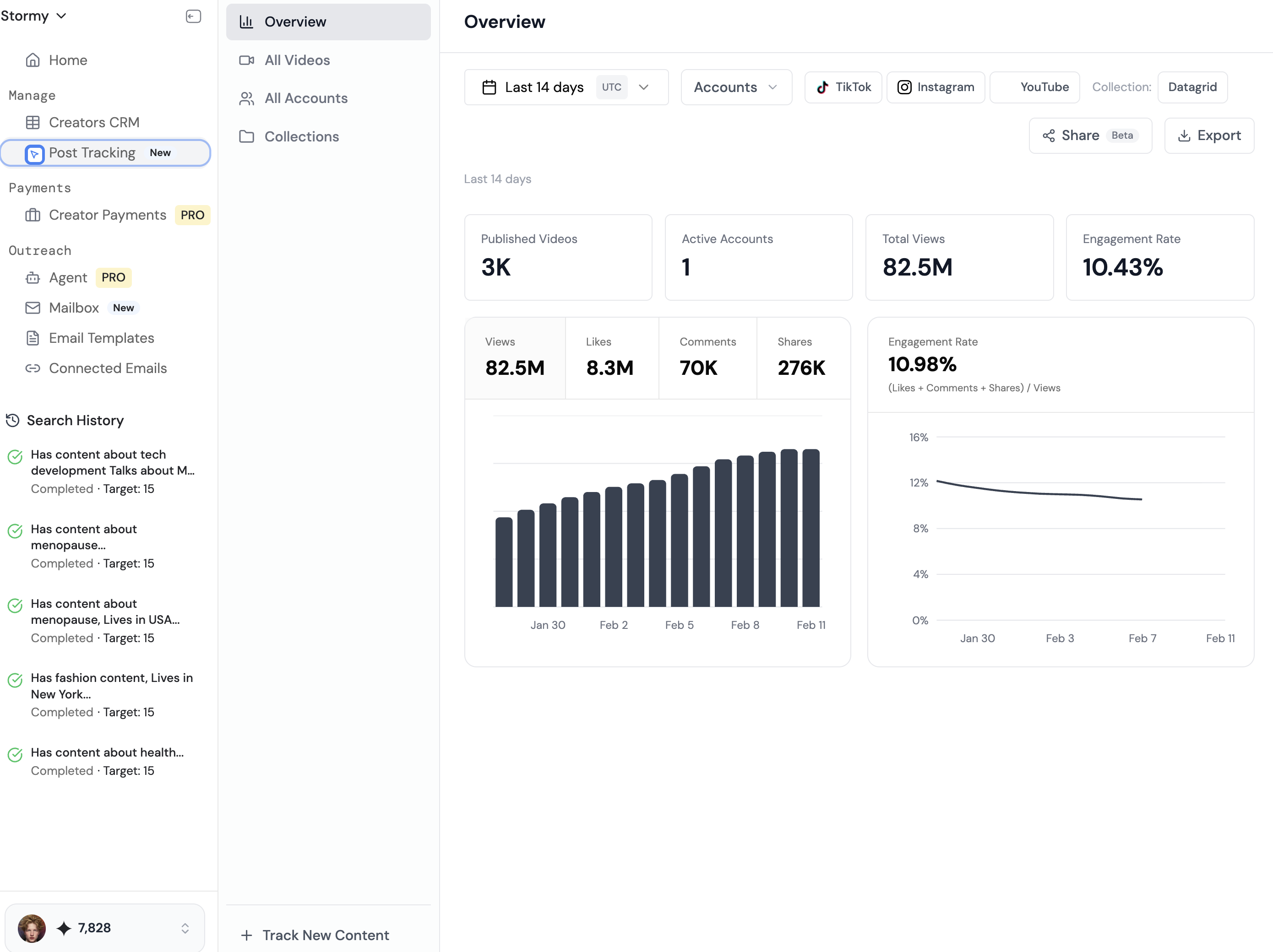
As you build these pages, remember that the copy is the most critical element of the user experience. You can use platforms like Stormy AI to discover and source UGC (User-Generated Content) creators who can provide the authentic social proof needed to fill these landing page sections. Managing these relationships through an AI-powered CRM ensures that your high converting landing page architecture is supported by real human faces, which significantly boosts conversion rates compared to using stock photography or AI-generated avatars alone.
Vibe Marketing: Balancing Aesthetics with Authenticity
The concept of 'Vibe Marketing' represents the intersection of professional-grade design and the raw, authentic feel that characterizes the creator economy. It acknowledges that today's consumers are highly sensitive to 'over-produced' content. They want to see systems over hacks and long-term thinking over quick wins. To achieve this 'vibe,' marketers must blend AI-generated efficiency with human-led content strategy. This is where AI for direct response marketing becomes truly effective: by automating the boring stuff—like research and initial drafts—you free up time to focus on the creative direction and creator partnerships.
For mobile app developers and brands, sourcing the right UGC creators is a vital part of this philosophy. Tools like Stormy AI can help source and manage UGC creators at scale, allowing you to find influencers who naturally fit your brand's 'vibe.' By integrating these creators into your Nano Banana Pro marketing workflow, you can create a seamless brand experience that spans from the first social media impression to the final landing page checkout. This hybrid approach—combining AI's speed with human authenticity—is the most effective way to build a sustainable brand in the current market.
Conclusion: Building Your Conversion Machine
The era of spending weeks on a single ad campaign or landing page is over. By mastering Nano Banana Pro marketing and the 'Elevated Direct Response' framework, you can now build a complete conversion machine in a matter of hours. Start by researching the leaders in your niche via Idea Browser, then move into visual storytelling with Glyph.app and Gemini 3. Finally, ensure your high converting landing page architecture is backed by authentic creator content to maximize trust and conversion. The tools are ready; the only variable left is your ability to prompt and execute.