In 2013, Kevin Espiritu was just a guy with a hobby. After graduating college and feeling aimless, he cycled through obsessive interests—photography, drumming, and video games—before landing on gardening. What started as a way to get away from the computer and into nature evolved into a blog making $400 a month. Fast forward to today, and Epic Gardening is a global powerhouse, having scaled from a bootstrap operation to generating tens of millions of dollars in annual revenue. This transformation didn't happen by accident; it was the result of a masterfully executed content-to-commerce strategy.
For years, the dream for creators was to land a lucrative brand deal. But as the creator economy matures, the most successful entrepreneurs are realizing that being an "influencer" for other brands is often the least profitable way to monetize an audience. Instead, they are looking toward vertical integration for influencers—owning the entire supply chain from the content that generates the lead to the warehouse that ships the product. Kevin Espiritu’s journey provides a definitive playbook for how to monetize a social media audience by shifting from media to physical goods.
The 'Educational Mat' Concept: Trust Before Commerce
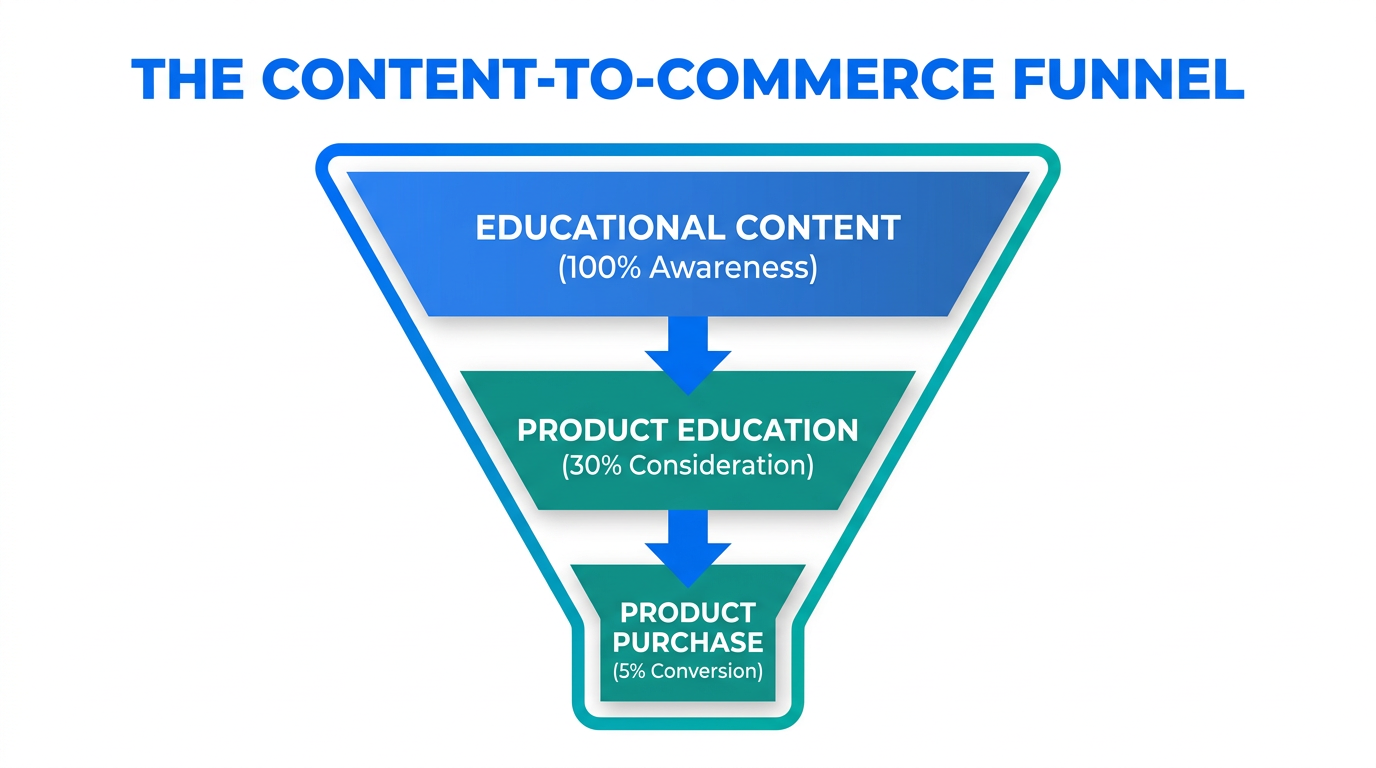
At the core of Kevin’s success is what he calls the ‘educational mat.’ This is the layer of high-value, free content that sits on top of the business. Most creators fail because they try to sell before they provide value. Kevin spent years in the trenches, writing blog articles for 12 hours a day and filming YouTube videos that taught people how to grow their own food. By the time he introduced a product, he had already built a massive reservoir of trust.
In the early days, the blog was making around $2,000 to $3,000 per month from affiliate links and ads. This was enough to cover a modest living, but it wasn't a business yet. The "mat" was the foundation—it provided the traffic, the SEO authority, and most importantly, the audience data. When you provide educational value at scale, your audience tells you exactly what they need. You just have to listen.
Identifying 'The Weird Metal Bed': Data-Driven Product Discovery
How do you know what to sell? Many creators make the mistake of launching "merch"—branded t-shirts or hats that have nothing to do with their content's utility. Kevin took a different approach. He looked at his comment sections. In his gardening videos, he used a specific type of corrugated metal raised garden bed. Over and over, the audience asked: "Where did you get that weird metal bed?"
This was the lightbulb moment. Kevin realized that he was essentially acting as a free marketing department for a product he didn't own. Instead of just linking to a third-party site for a small commission, he decided to become the brand himself. This is the essence of a creator economy business model that prioritizes high-utility products over low-margin vanity merch.
"Why would I not just be the brand who would sponsor my own content? Nothing is preventing me from offering my own product line."Kevin didn't have a product development background, so he started with distribution. He found the manufacturer of the beds (Birdies Garden Beds in Australia), secured the rights to distribute them in the US, and built a Minimum Viable Product (MVP) using a basic Shopify store. He didn't wait for a perfect business plan; he tested the demand immediately on Instagram Stories.
The Shift from Brand Deals to Vertical Integration
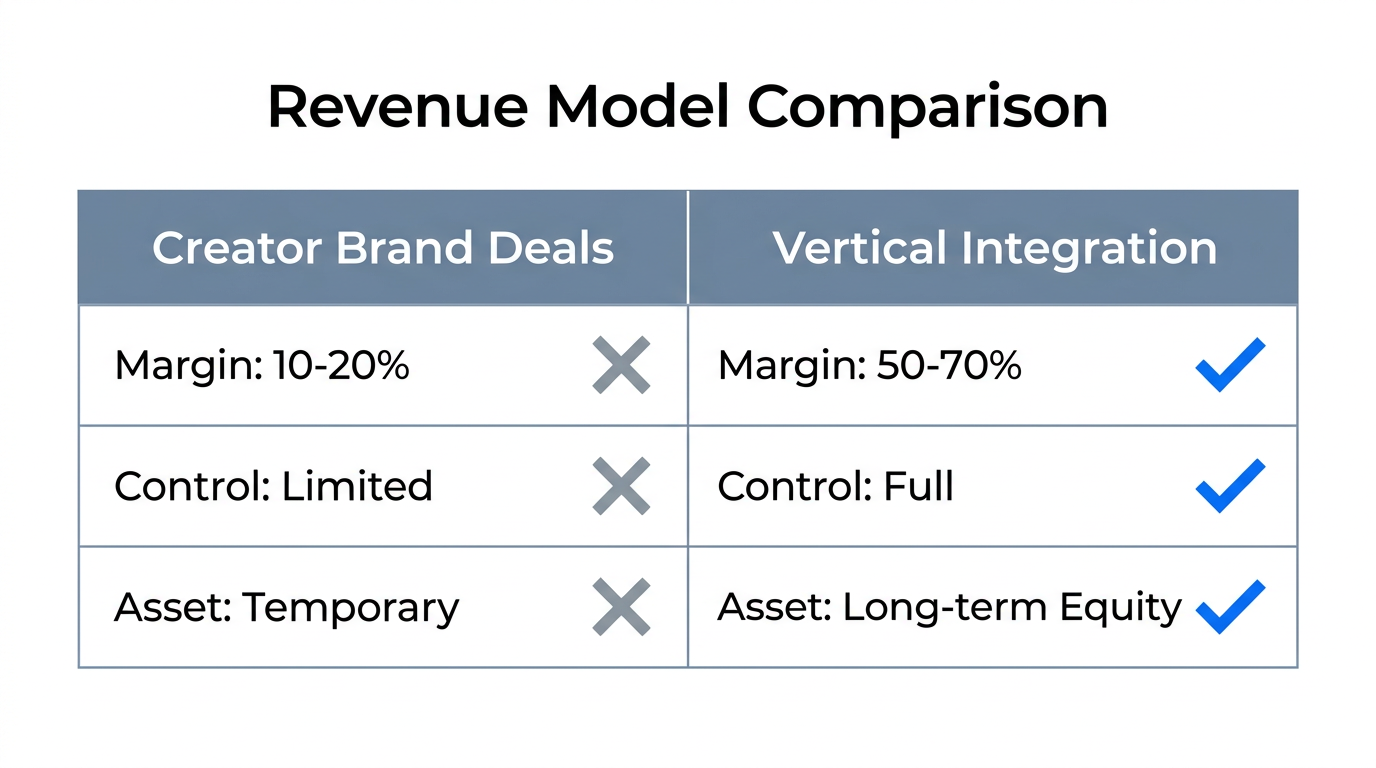
Why is brand building for creators so much more effective than traditional brand deals? It comes down to ownership and margins. When a creator does a brand deal, they are renting out their audience's attention for a one-time fee. When they own the brand, they own the customer relationship, the data, and the recurring revenue.
The growth of Epic Gardening's revenue tells the story of this transition perfectly. Look at how the numbers exploded once the product-led strategy took hold:
| Year | Revenue | Major Strategy Shift |
|---|---|---|
| 2016 | $70,400 | Full-time blogging & SEO |
| 2017 | $75,000 | Scaling YouTube & Affiliate |
| 2018 | $225,000 | Initial product testing |
| 2019 | $540,000 | Birdies Garden Beds launch |
| 2020 | $2.8 Million | Full e-commerce integration |
| 2021 | $7.3 Million | Vertical integration & supply chain control |
By 2019, Kevin noticed that half of his revenue was coming from media (ads/affiliates) and half was coming from his own products. By 2021, the product side of the business had completely eclipsed the media side, leading to current revenues in the $30M+ range. This is the power of owning the brand rather than just promoting someone else's.
The Playbook: How to Test Product-Market Fit
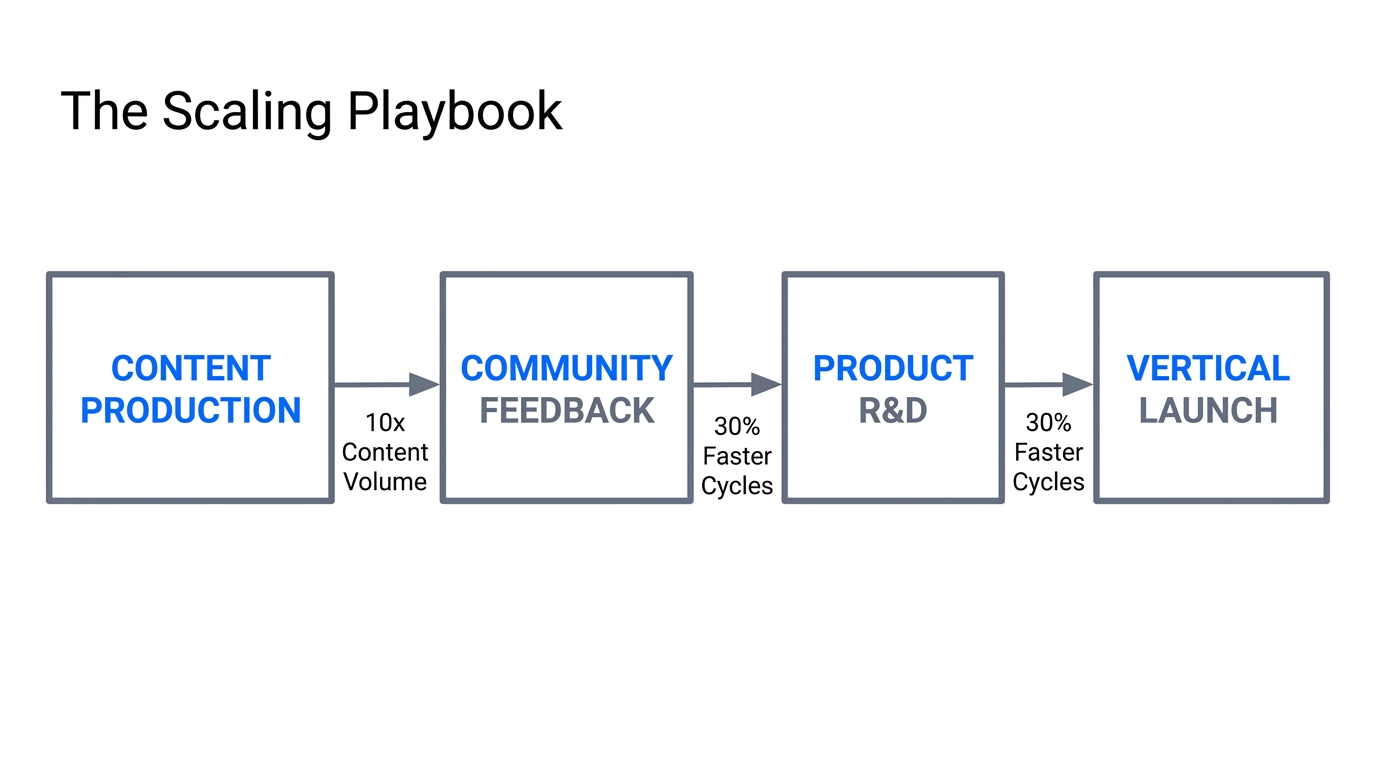
If you are a creator or a marketer looking to replicate this content-to-commerce strategy, you don't need a massive team to start. You need a process. Kevin’s approach can be broken down into four clear steps:
Step 1: Analyze Engagement for Product Gaps
Don't guess what your audience wants. Look for the questions they ask repeatedly. Are they asking about a tool you use? A software you recommend? A specific problem they can't solve? Tools like Stormy AI can help you discover other creators in your niche to see what their audiences are complaining about, giving you a competitive edge in product discovery.
Step 2: Launch a Minimum Viable Store
Kevin didn't spend months building a custom website. He used a "crappy" Shopify store and tested the demand with a single Instagram story. If people are willing to buy a product from a basic landing page, you have Product-Market Fit (PMF). If they aren't, you haven't wasted thousands on inventory and development.
Step 3: Gradually Move Up the Supply Chain
Epic Gardening started by distributing an existing product. As they scaled, they moved into original product development, seed varieties, and even acquiring other businesses like Botanical Interests. This is the "vertical" in vertical integration—moving from being a reseller to being the manufacturer.
Step 4: Use Content as an Unfair Advantage
While traditional e-commerce brands have to pay high Customer Acquisition Costs (CAC) on Meta Ads Manager or Google Ads, creators have "free" traffic. Every YouTube video Kevin posts is a top-of-funnel ad that doesn't cost him a dime in media spend. This allows for significantly higher profit margins than a traditional D2C brand.
Scaling Without Losing the Brand Voice
One of the hardest parts of brand building for creators is transitioning from a solo operator to a CEO. Kevin mentions that he now has to block off time just to be in the garden, away from the computer. As the business grows, you have to hire a team to handle the logistics so you can remain the "face" of the educational mat.
This is where User-Generated Content (UGC) becomes vital. You cannot be the only person filming content if you want to scale to $30M. By sourcing other creators and experts to contribute to the brand, you maintain the "helpful friend" vibe while increasing your content output. Modern platforms like Stormy AI streamline this by helping brands source and manage UGC creators at scale, ensuring that the brand voice remains consistent even as the founder steps back from daily filming.
"The problem is, I didn't have a product development background... the actual business is beneath the educational mat I was putting out."Kevin’s transition from "curious hobbyist" to "CEO of a gardening empire" was fueled by an innate curiosity and a willingness to act. He didn't wait for a perfectly formatted business plan. He consumed enough knowledge to get started and then immediately put it into action. For any creator looking to build a real business, that bias toward action is the most important trait you can cultivate.
Final Takeaway: Own the Ecosystem
The story of Epic Gardening is a blueprint for the future of commerce. It’s no longer enough to just have a great product; you need an audience. And it’s no longer enough to just have an audience; you need a product that solves their problems. By building an educational mat of trust and vertically integrating into the physical products your audience already wants, you create a defensible, high-margin business that can weather any algorithm change.
Whether you are starting with a small blog making $400 a month or you are a seasoned creator looking to pivot, remember Kevin’s lesson: The most valuable business is the one that exists right beneath the content you are already making. Stop building someone else's brand and start building your own.