The 2026 Content Format Playbook: How to Share 'The Sauce' and Stand Out
Master your content strategy 2026 with our guide on 'giving away the sauce.' Learn the ACP framework, viral content formats, and how to build a moat through transparency.
In the hyper-saturated social media landscape of 2026, the traditional marketing funnel has been turned on its head. The old guard of 'gatekeeping' secrets is failing, replaced by a new era of radical transparency. Today, the most successful founders and creators aren't just sharing their wins; they are giving away 'the sauce'—the exact playbooks, execution details, and 'vibe' that competitors are too afraid to reveal. Building personal branding for founders in this environment requires a shift from being a polished brand to being an open-source resource.
The ACP Framework: Why Audience Comes Before Product
Discover how to build your business starting with audience, then community, then product.
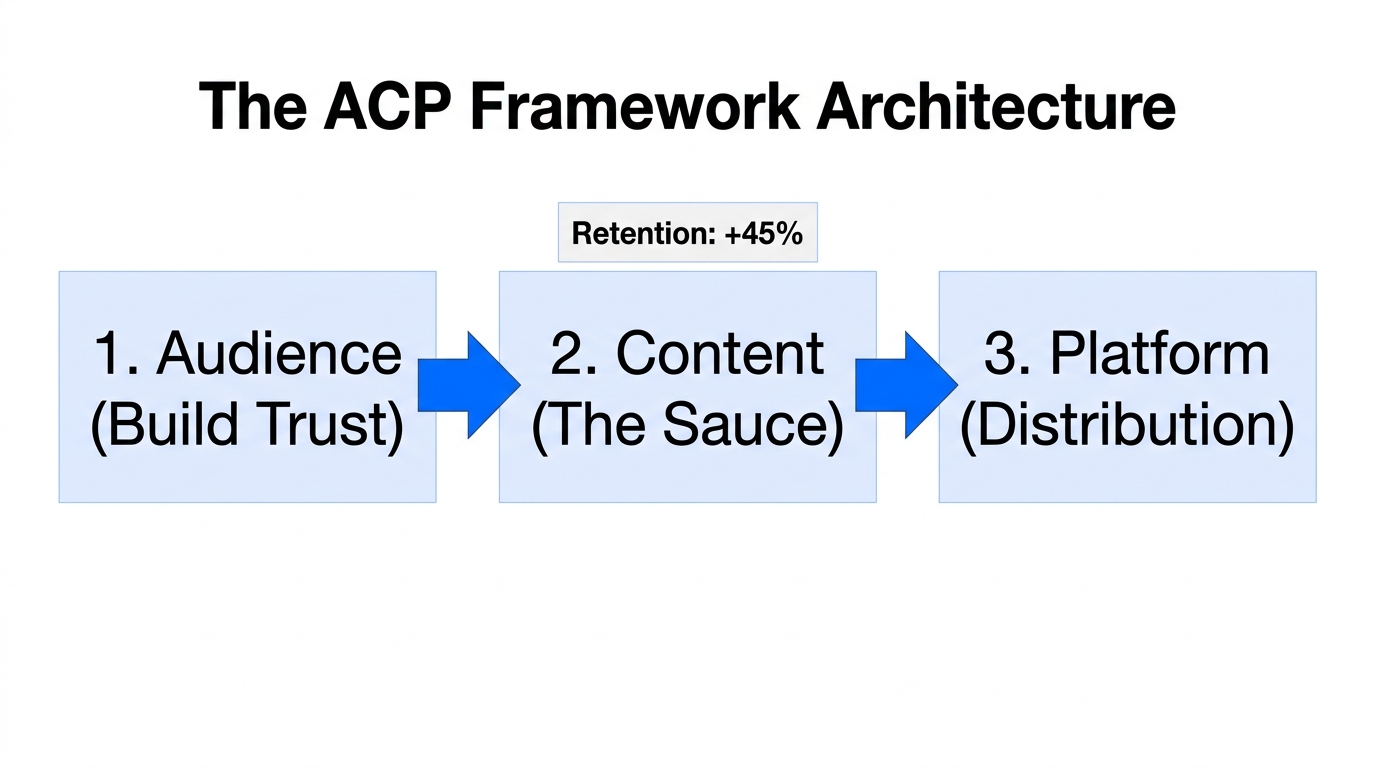
Most failed startups share a common tragedy: they spend two years building a product in a vacuum, only to launch to the sound of crickets. In 2026, the most resilient businesses are built using the ACP Framework: Audience, Community, and Product. This sequence ensures you 'dig the well before you need the water.' By starting with an audience, you gain the confidence that when you finally release a product, people will actually use it.
While venture-funded startups might have 'years to burn' on product development, the modern entrepreneur uses platforms like X or LinkedIn to identify who they are creating for. This process involves understanding what the audience is not getting from others. If you find your engagement is stalling, the best content strategy 2026 tactic is to start one level broader than your niche. For example, if you want to be known for 'Design Sprints' but no one is searching for it, start by creating content around 'UX Design' on YouTube to build a broader top-of-funnel reach before narrowing down.
Why 'Giving Away the Sauce' is Your Only Moat
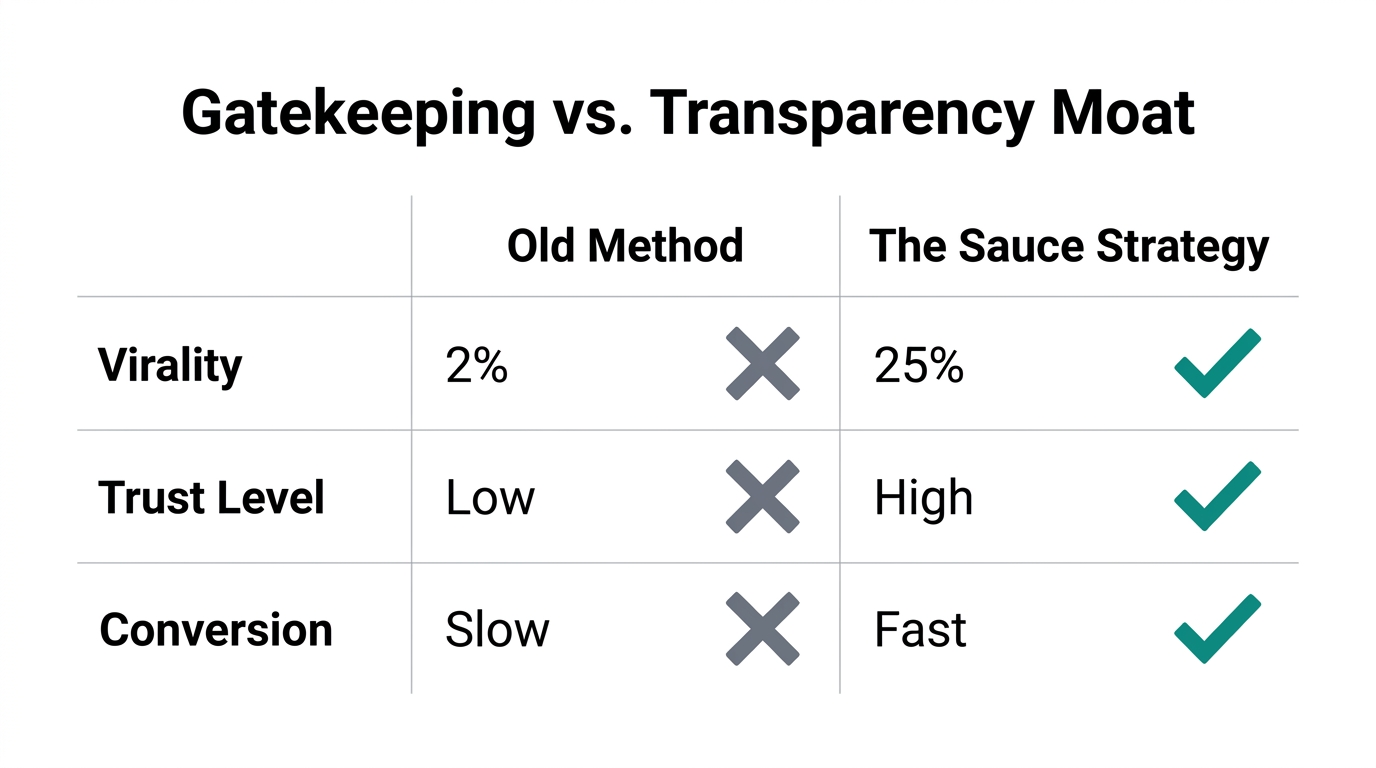
The term 'sauce' refers to the specific execution details that most people hold back. Whether it’s sharing how to use Beehiiv to scale a newsletter or revealing the exact code for a 'vibe coder' project, transparency is the ultimate differentiator. Many worry that sharing their playbook will invite competition. While a small percentage might try to compete, the vast majority will simply view you as the uncontested authority in the space.
"Transparency isn't just about being honest; it's about making yourself indispensable. If you give away the playbook for free, you aren't losing customers—you're building a moat of trust that no competitor can buy."
In 2026, execution remains the hardest part of any business. By giving away the ideas, you demonstrate your competence. If you’re a founder building a SaaS on Shopify or managing payments via Stripe, documenting your workflows creates a 'built-in' trust that translates directly into lower customer acquisition costs. Tools like Stormy AI can help you identify which creators in your space are already winning by being transparent, allowing you to find 'sauce-gap' opportunities in your industry.
The Naval One-Liner vs. The Long-Form 'Sauce' Approach
Learn why picking one natural format per day helps you compete with giants.Identifying your primary viral content formats is the second step in the 2026 playbook. You don't need to be everywhere; you need to be where your format thrives. There are two dominant schools of thought in the current landscape:
| Format Type | Style | Platform Best Fit | Primary Goal |
|---|---|---|---|
| The Naval One-Liner | Philosophical, concise, catchy | X (Twitter), Threads | Maximum Reach & Virality |
| The Long-Form Sauce | Tactical, storytelling, data-heavy | Newsletter, YouTube, LinkedIn | Authority & Trust |
| The Short-Form Clip | High-energy, visual, 'vibe' focused | TikTok, Reels, Shorts | Discovery & Awareness |
The 'Naval' style relies on being concise and clear. These are one-line 'bangers' that challenge conventional wisdom. On the other hand, 'The Sauce' approach (often seen on long-form X posts or Substack) focuses on depth. To succeed, you must pick a format that feels natural and enjoyable. If you hate being on camera, forcing yourself into short-form video will only lead to burnout. Instead, leverage your strengths—whether that’s writing deep-dives in Notion or engaging in real-time debates.
The 90-Day Format Experiment: Using Data to Pivot
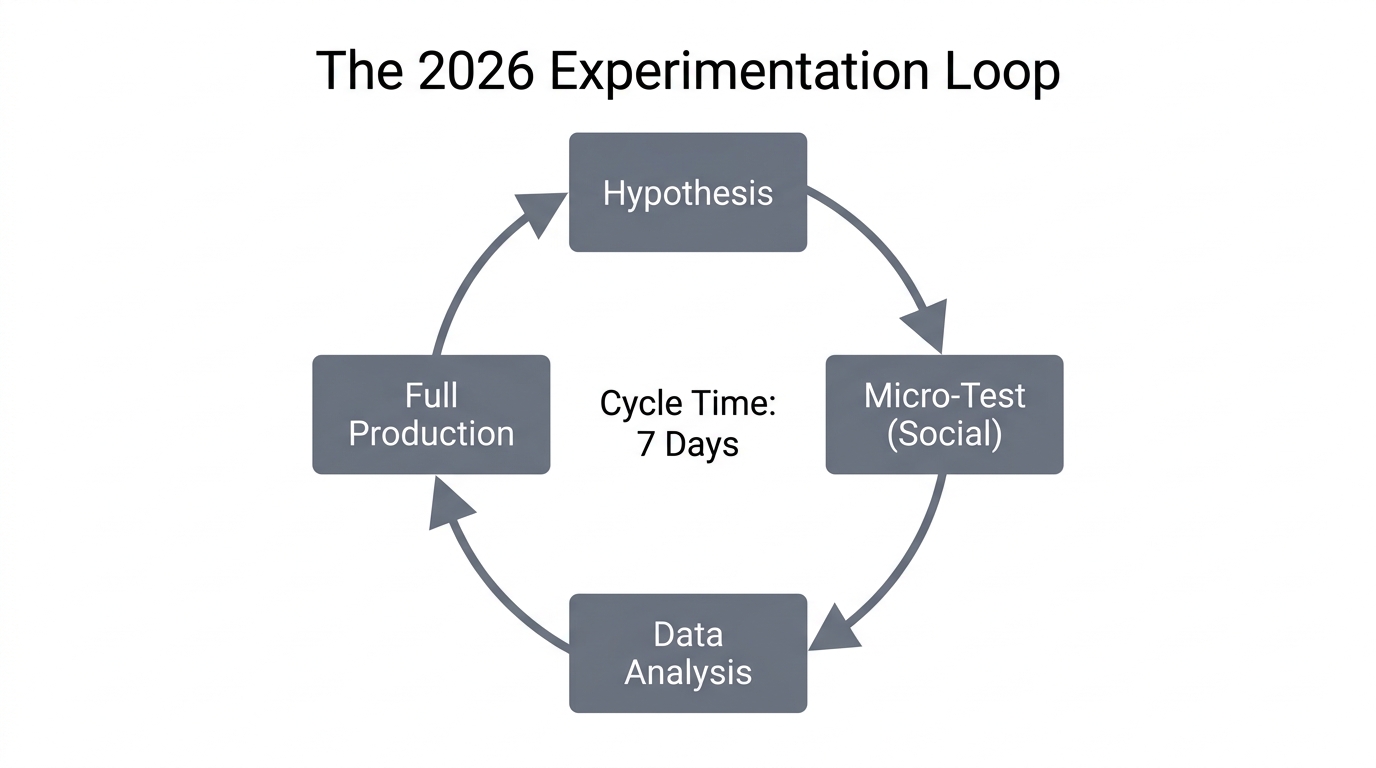
Content formats have lifecycles. What worked in 2024 might be 'cringe' by mid-2026. A format that used to have a two-year lifecycle now sometimes dies in two weeks. This is why you must treat your content like a product—with the same rigor and systematic testing you’d bring to a software launch.
"Don't get married to a format. Get married to the goal. If the data says your 'one-liners' are flatlining but your 'how-to' videos are exploding, pivot without hesitation."
Commit to a specific format for 90 days. During this window, ignore vanity metrics like follower count and focus on social media engagement tactics that drive meaningful conversation. Use the built-in analytics on platforms like TikTok or Meta to see which hooks are stopping the scroll. If you aren't seeing traction after three months, it’s time to look for formats outside your niche. Copying what is already saturated in your space makes it impossible to stand out. Instead, find a format from the gaming world or the fitness world and apply it to B2B SaaS.
The 2026 Content Systems Playbook
Consistency is the byproduct of a system, not willpower. To maintain a high-output content strategy 2026, you need a workflow that separates 'ideation' from 'execution.'
- Build a Creative Faucet: Identify what triggers your ideas. This could be following 50 niche leaders on X or attending in-person events.
- The Ideas Capture System: Use a simple tool like Apple Notes to jot down every thought immediately. Don't worry about quality; just capture the 'raw ore.'
- Weekly Productization: Set aside a specific time (e.g., Friday mornings) to turn those notes into 'products' (tweets, newsletters, videos) using tools like Canva or CapCut.
- Strategic Scheduling: Use a scheduling tool to match platform timing to audience behavior. Don't post high-level business strategy on LinkedIn at 3 AM on a Saturday.
- Newsjacking: Look for opportunities to join trending conversations early via newsjacking. If a new AI model drops, be the first to share the 'sauce' on how to actually use it.
Audience as the Ultimate Insurance Policy
Understand why building an audience serves as a powerful insurance policy for your career.Why do this? Beyond the revenue and the vanity metrics, an audience is financial insurance. In an unpredictable economy, your audience is the asset you can fall back on if your primary business fails. It provides clarity into what people actually want and creates a 'built-in' trust that makes future launches significantly easier. Whether you're looking for a new job or launching a side project on Gumroad, a loyal audience ensures you never have to start from zero.
For those managing large-scale campaigns, Stormy AI streamlines this entire process by helping you discover which creators are building these high-trust 'sauce-based' communities. By partnering with creators who have already done the hard work of building a 'well,' brands can tap into authentic engagement that traditional ads simply can't replicate.
Final Takeaway: Just Start
The biggest barrier to building an audience in 2026 isn't a lack of ideas—it's analysis paralysis. You don't need to be original; you just need to be yourself. As the saying goes, even the most successful bands started as cover bands. By trying to emulate your favorite creators, you will naturally inject your own 'imperfect' vibe and life experiences, eventually creating a format that is uniquely yours. Stop gatekeeping and start sharing the sauce.