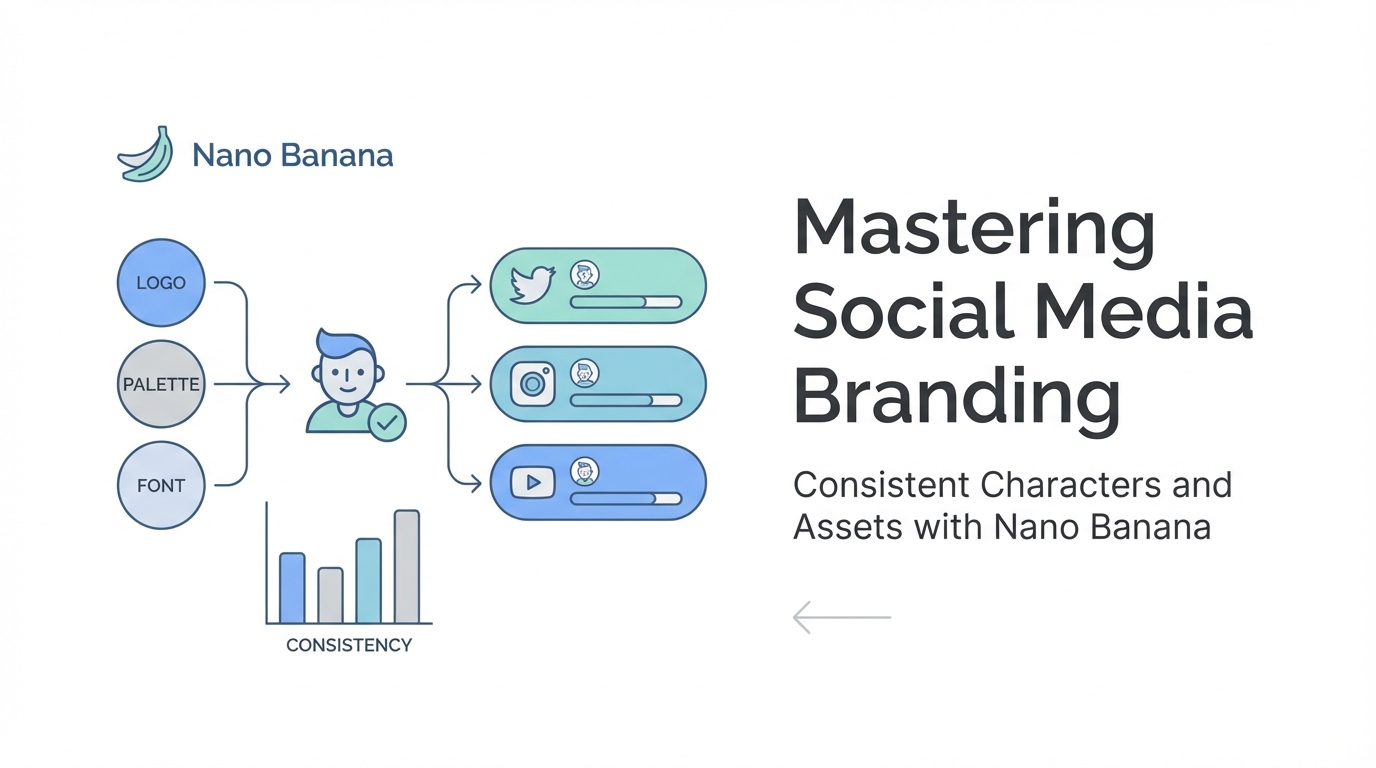
In the hyper-competitive landscape of social media, the primary currency is no longer just content—it is attention. With millions of posts uploaded daily across TikTok, Instagram, and LinkedIn, the challenge for social media managers and influencers is creating scroll-stopping content that maintains brand fidelity without requiring a massive production budget. Traditionally, high-end branding required a team of graphic designers, photographers, and Photoshop experts to ensure that every asset looked cohesive. However, the release of Google’s Nano Banana (officially known as the Gemini 1.5 Flash image model) has shifted the paradigm. This model allows creators to maintain consistent AI characters and assets across different scenes using nothing but natural language, effectively democratizing the ability to build a world-class brand identity.
The Power of Scroll-Stopping Content in 2024

The term "scroll-stopping" is more than a marketing buzzword; it is a technical necessity. Social media algorithms, particularly those on Meta Ads Manager and TikTok, prioritize content that triggers an immediate engagement or a significant pause in scrolling behavior. Visuals that feel authentic yet strikingly high-quality are the most effective at capturing this interest. As Logan Kilpatrick from Google’s AI team notes, the speed of modern AI models is a major factor in this creative process. When a model can generate a high-fidelity image in seconds rather than minutes, creators can iterate on scroll-stopping content AI strategies in real-time, responding to trends as they happen.
To build a brand that resonates, you need a story that scales. This is why the ability to create consistent AI characters is so transformative. In the past, AI-generated images often suffered from "hallucinations" or subtle changes in character appearance between prompts, making them useless for long-term influencer branding. With Google Gemini technologies, those barriers are disappearing. Creators can now place products or characters in different settings—from a luxury magazine spread to a rainy bus stop—while ensuring the core assets remain identical. This level of control is what allows a single idea to transform into a multi-platform campaign.
Tutorial: Remixing Social Assets for Multi-Platform Campaigns
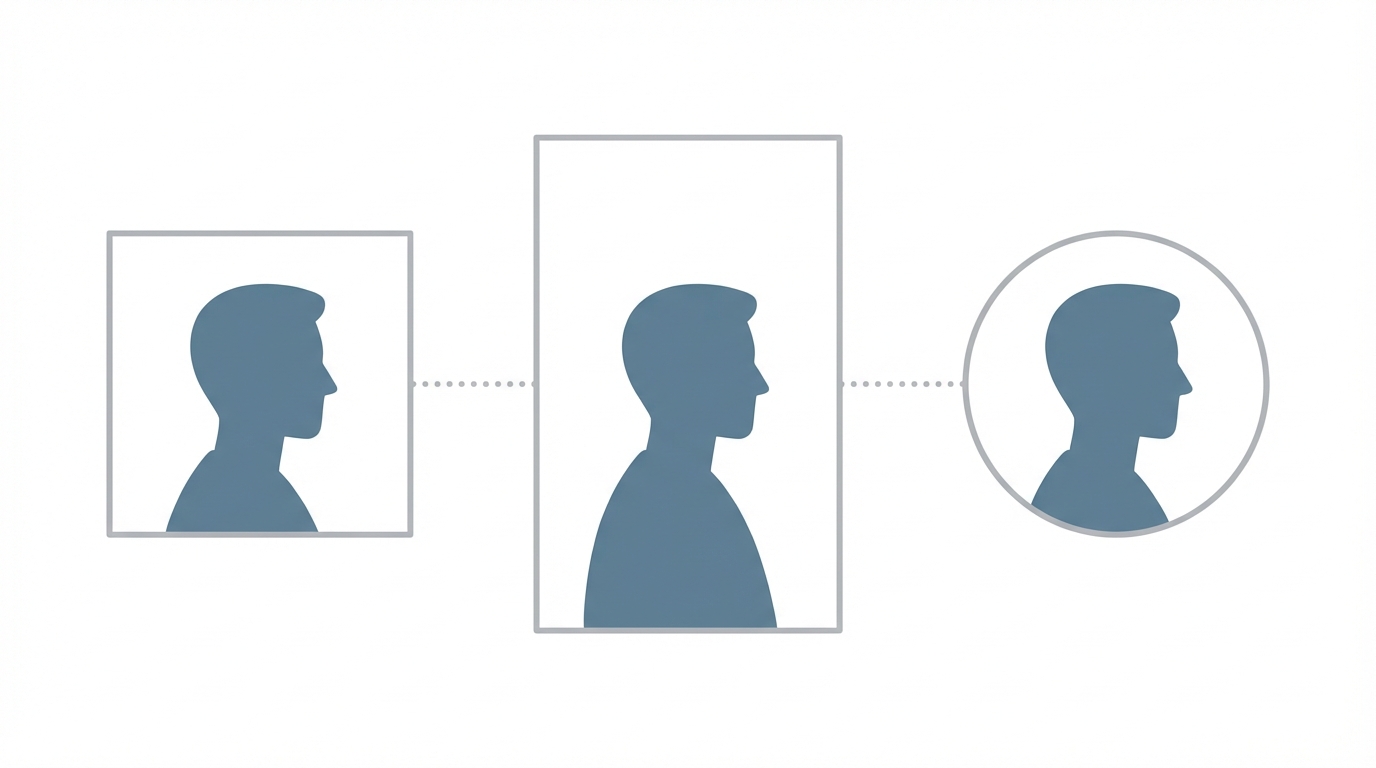
One of the most effective ways to use AI for social media marketing is content remixing. This involves taking a single product shot or character image and placing it in various contexts to see which converts best. This strategy is essential for brands running Google Ads or influencer campaigns where visual variety prevents ad fatigue. According to data trends highlighted by TechCrunch, high-quality asset remixing is one of the fastest-growing startup opportunities in the AI space.
Step 1: Define Your Core Asset
Start by uploading a high-resolution image of your product or character to the AI Studio interface. For example, if you are marketing a new mobile app, you might start with a clean render of the phone interface. The Gemini 1.5 Flash model is exceptionally fast—roughly 45 seconds faster than legacy models—which means you can test multiple "core" images until you find the perfect base.
Step 2: Choose Your Vibe
Using the "Build" tab in AI Studio, you can select pre-made templates or "vibe-code" your own. You can prompt the model to place your asset in a "luxury magazine spread" or a "subway interior ad." This process, known as vibe coding, allows you to generate dozens of professional-looking mocks without ever touching a layers panel. You can even create an urban mural ad that feels like a real-world activation, providing social proof that your brand is "everywhere."
Step 3: Embed Marketing Context
Visuals alone aren't enough; you need context. You can instruct the model to manually or automatically generate marketing slogans and embed them directly into the image. For instance, a prompt like "add the slogan 'Created for tomorrow, inspired by you' in a minimalist font under the product" ensures that the text and the image feel like a unified piece of design rather than a tacky overlay.
Using Natural Language Brushes for Precise Editing
The most frustrating part of traditional design is the need for pixel-perfect precision. Nano Banana introduces the concept of natural language editing, where you can treat your words as brushes. If you have an image that is 90% perfect but has an unwanted logo or a distracting background element, you don't need to open Adobe Photoshop. You simply "paint" over the area in the AI Studio UI and give a command like "remove the logo" or "change the color of the curtains to forest green."
This level of granular control is vital for AI influencer marketing tools. It allows influencers to adapt their content to different brand aesthetics while maintaining their personal "vibe." For example, an influencer working with multiple sponsors can use these tools to subtly adjust their background or lighting to match a specific brand's color palette, ensuring a seamless integration that feels native to their feed. For those managing dozens of these creators, platforms like Stormy AI can help source and manage UGC creators at scale, providing a central AI-powered hub for all these assets.
Best Practices for Prompting and Brand Fidelity
While the models are becoming more powerful, the quality of the output is still heavily dependent on the quality of the prompt. To avoid "hallucinated" logos or distorted characters, creators must follow a few specific rules when using AI for social media marketing. The goal is to be a smart creative partner rather than just a passive user.
- Use Precise, Single-Turn Edits: While the model can handle complex instructions, it performs best when you break down edits into single steps. If you want to change the background AND add text, do them one after the other. This prevents the model from losing the "gist" of your original asset.
- Leverage World Knowledge: Gemini 1.5 Flash has extensive world knowledge. You can reference specific styles, like "the aesthetic of a 1990s Nike print ad," to get more accurate results without needing to describe every detail.
- Avoid Multi-Instruction Clutter: When you layer too many instructions in a single prompt, you risk diminishing the fidelity of the image. Keep your prompts focused on the most important visual element first.
- Focus on Consistency: If you are creating a series, use the same seed or reference image consistently. This is the secret to consistent AI characters that look identical across Instagram Stories and TikTok videos.
By treating the AI as a creative contractor, you can iterate quickly. If the first result isn't perfect, look back at your instructions. As Logan Kilpatrick points out, bad instructions lead to bad outcomes. Refine your language, be specific about placement, and use the interactive tools in the Google AI Studio to see your ideas come to life visually before finalizing them for a Apple Search Ads campaign or social post.
Scaling Influence: From Idea to Production

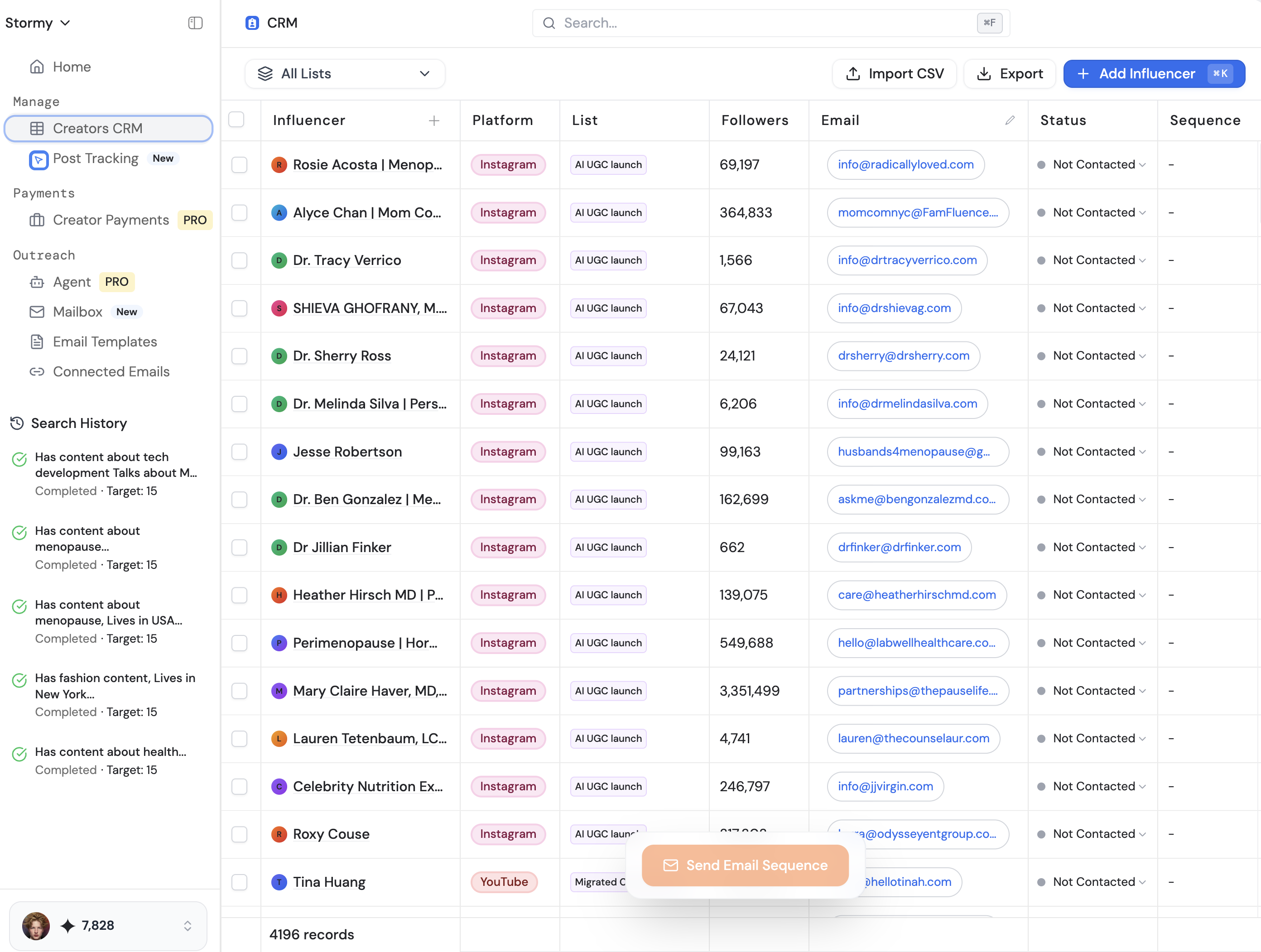
For founders and marketing teams, the ultimate goal of these tools is to build a product or a brand that people love. The ability to "vibe code" an entire marketing campaign in an afternoon gives smaller teams an unfair advantage over legacy competitors who are still stuck in long production cycles. Once you have mastered the art of creating scroll-stopping content AI, the next step is distribution. Managing these assets across a network of creators can be a logistical nightmare, which is where a Creator CRM becomes essential. Tools like Stormy AI allow you to track every interaction, manage creator payments, and monitor campaign performance in one place, ensuring that your AI-generated assets are actually driving results.
The current market for these AI-driven experiences is still relatively untapped. There are only a handful of products that truly leverage the speed and low cost of models like Nano Banana. By logging into Google AI Studio today and experimenting with these tools, you are positioning yourself at the forefront of a new wave of digital marketing. Whether you are building a SaaS startup or growing your personal brand, the barrier between a great idea and a great asset has never been thinner.
Conclusion: The Era of the Idea Guy
As Sam Altman famously noted, we have entered the "era of the idea guy." We are no longer limited by our technical ability to use complex software like Photoshop or Illustrator; we are only limited by the clarity of our vision. By using Nano Banana to maintain character consistency and remix social assets, you can create a brand presence that is both professional and prolific. Start by exploring the Google AI Studio tutorials and building your first vibe-coded assets. The competitive advantage goes to those who build while others are still watching. It's time to stop scrolling and start creating content that stops the world.