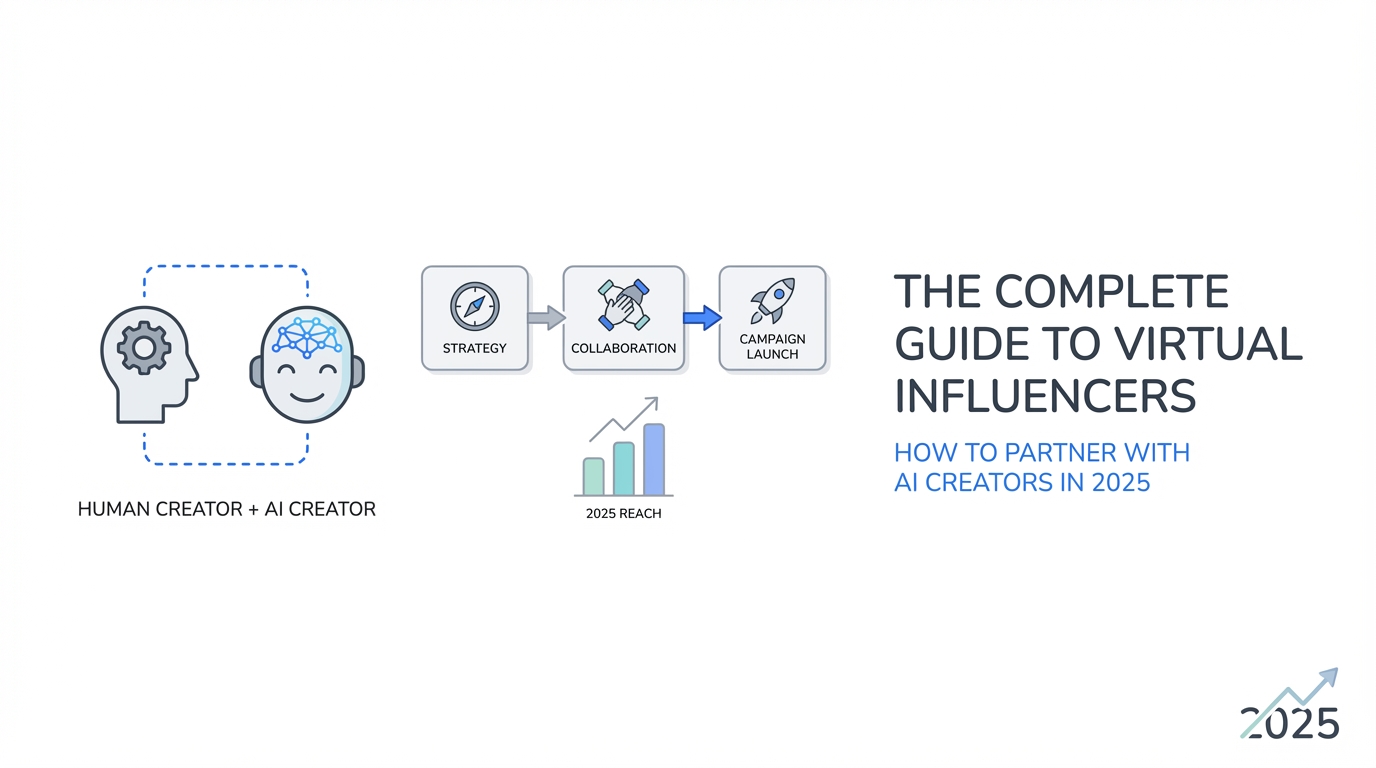
The Rise of the Virtual Influencer Economy
To understand the scale of this shift, one only needs to look at the numbers. According to recent data from Straits Research, the global virtual influencer market was valued at $6.33 billion in 2024. However, the trajectory is what should catch every marketer's eye: it is projected to skyrocket to $111.78 billion by 2033, representing a staggering compound annual growth rate (CAGR) of 38.4%. This isn't just a trend; it's a foundational shift in how brands communicate.
Adoption is following suit. A report from the Influencer Marketing Hub indicates that 51.9% of marketers plan to incorporate AI-generated avatars into their strategies by 2025. In a world where platform algorithms demand constant output, platforms like Stormy AI are seeing a surge in brands looking for creators who can maintain high-frequency posting without the burnout or logistics of traditional human shoots.
Why Engagement Rates Favor AI Creators
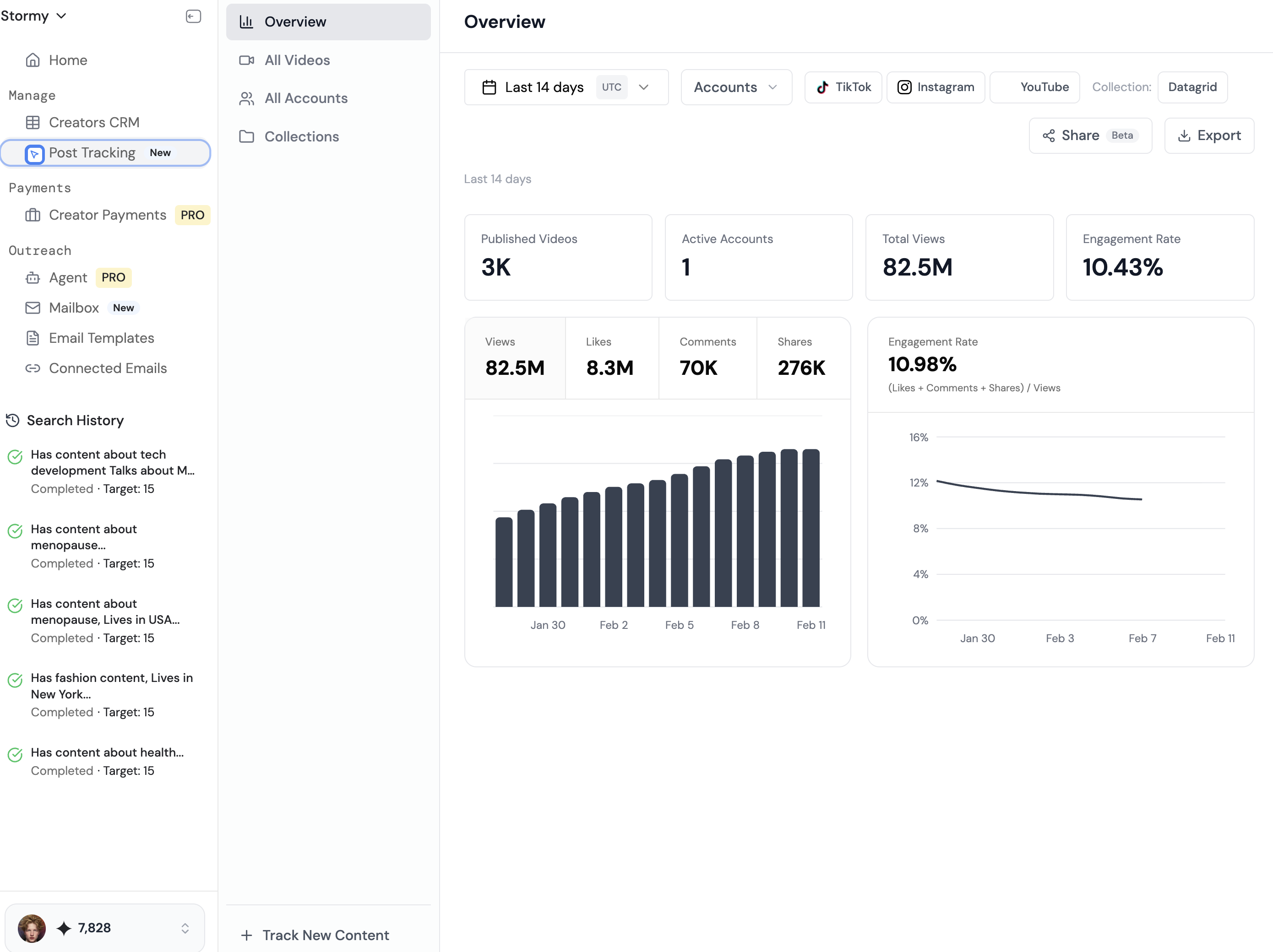
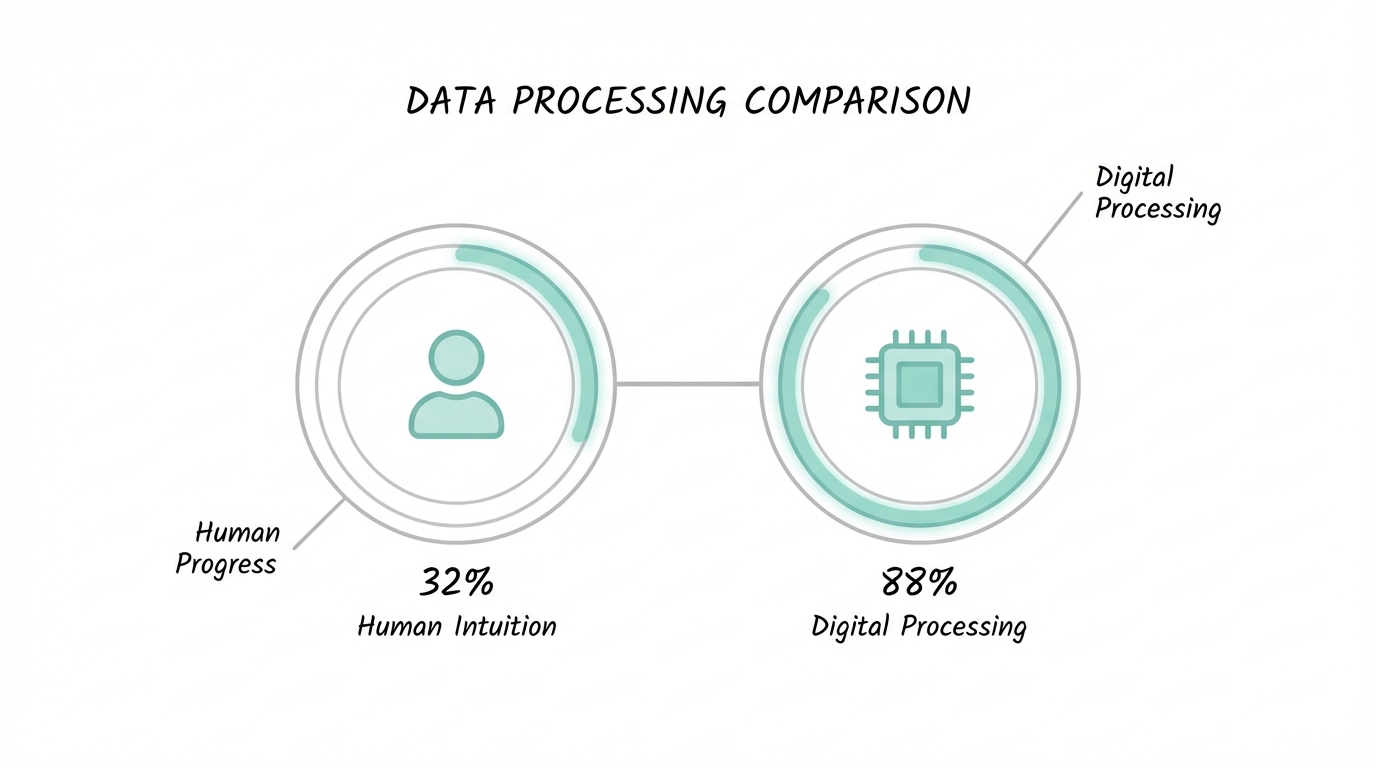
One of the most surprising metrics in the current landscape is the performance gap between human and digital talent. Data from Stormy AI reveals that AI influencers can deliver engagement rates up to 3% higher than their human peers. Furthermore, virtual micro-influencers often achieve 12x the reach of human creators in the same niche. But why?
The answer lies in the precision of the content. Virtual influencers are designed from the ground up to appeal to specific psychographics. Every aesthetic choice—from their wardrobe to their "hobbies"—is data-driven. This allows for a level of brand safety and visual consistency that is impossible to guarantee with humans. When brands use tools like Stormy AI to discover the right audience fit through AI-powered analysis, they often find that the highly curated nature of virtual creators aligns perfectly with the visual storytelling required for mobile app marketing and UGC-style campaigns.
Case Studies of Success: Lil Miquela and Aitana Lopez
To see this strategy in action, we look at the pioneers. Lil Miquela, perhaps the most famous virtual persona to date, earns an estimated $10 million per year. She has secured major partnerships with global powerhouses like Samsung, Prada, and Calvin Klein. Her appeal isn't just her look; it's the narrative world built around her, including her "friendships" and "political stances," which keeps her audience deeply invested.
On the other end of the spectrum is Aitana Lopez, a virtual fitness model from Spain. Aitana generates up to €10,000 per month through her partnerships, including collaborations with brands like Olaplex. Her success proves that virtual creators can dominate specific niches, such as fitness and beauty, where visual perfection and high-frequency content are paramount. These case studies show that the market has transitioned from novelty to utility, where AI creators are viewed as legitimate talent in the creator economy.
The Uncanny Valley Trap: Stylization vs. Realism
When entering the AI creator strategy space, brands often make the mistake of chasing hyper-realism. However, the "Uncanny Valley"—the point where a digital human looks almost, but not quite, real—can trigger a sense of unease or even revulsion in viewers. Research has shown that stylized or toon-shaded avatars often outperform hyper-realistic ones in terms of sentiment and trust.
By leaning into the "virtualness" of the character, brands can avoid the discomfort of a human-passing avatar that feels "off." This stylized approach allows for more expressive animations and a more distinct brand identity. Whether you are building an avatar for a mobile app ad or a 24/7 livestream host, focusing on character design and personality is more critical than the number of pores on their digital skin. High authority scores for these creators can often be found on platforms like Favikon, which helps brands vet both human and AI-driven authority.
Navigating Mandatory Disclosure and Transparency

As the technology has advanced, so too have the regulations. Major platforms like Meta and TikTok now require mandatory AI disclosure labels. While some feared this would hurt engagement, it has actually birthed a trend known as "Radical Transparency." For many Gen Z and Alpha consumers, the fact that an influencer is AI is part of the appeal.
Failing to follow these disclosure laws—such as using the #AIInfluencer tag—can lead to account bans or FTC fines. Transparency builds trust. When audiences know what they are interacting with, they can enjoy the creative content without feeling deceived. As Brian Klais, founder of URLgenius, suggests, AI should be viewed as a "super virtual assistant" that enhances the creative process rather than a way to trick the consumer.
The Actionable Playbook for AI Influencer Marketing

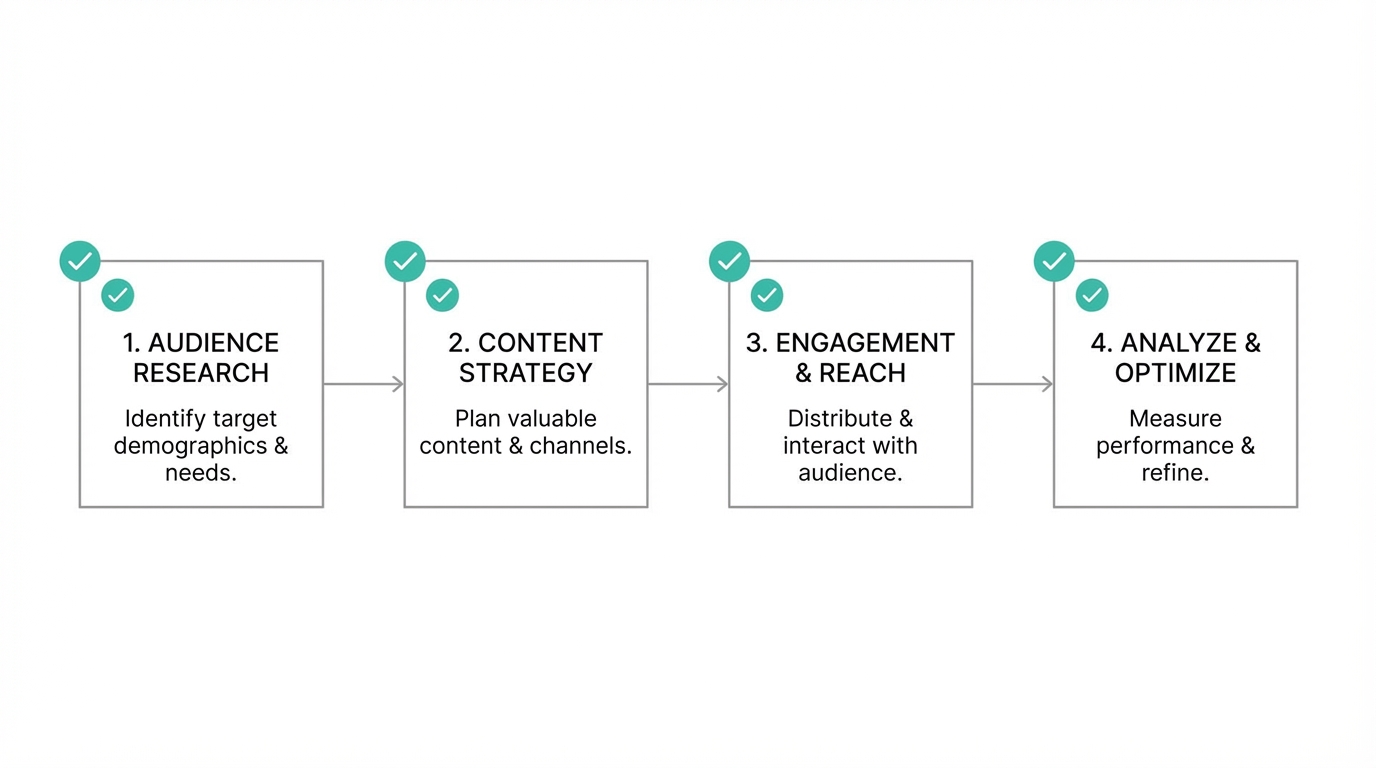
If your brand is ready to dive into the world of digital avatars for brands, you need a systematic approach. You can either hire an existing persona or build your own. Here is the 2025 playbook for success.
Step 1: Define Your Goals and Aesthetic
Before searching for a creator, determine if you need a "digital twin" of a human spokesperson or a completely original character. Are you looking for high-volume UGC for Google Ads or a long-term brand mascot? Use semantic prompting to define your needs. Instead of searching for "fitness," use specific AI prompts: "Find creators in NYC who post about marathon training for beginners and have a high saves-to-likes ratio."
Step 2: Use AI-Powered Discovery Tools
Don't rely on manual searching. Brands using AI-powered discovery report a 25% reduction in time spent on sourcing and a 20% cost savings on ad spend. Tools like Stormy AI allow you to search using natural-language prompts to find the perfect visual fit across TikTok, Instagram, and YouTube. For advanced audience vetting, you should establish a minimum Audience Quality Score (AQS) of 70+ to ensure you aren't paying for bot engagement.
Step 3: Build or Partner
If you choose to build your own proprietary avatar, several high-end tools are available. For hyper-realistic 3D models, MetaHuman Creator (from Unreal Engine) is the industry standard. For video-based content and digital twins, HeyGen and Synthesia offer seamless AI video generation. Alternatively, you can browse existing personas through the Virtual Humans directory to find established talent.
Common Mistakes to Avoid
The virtual space is exciting, but it's easy to stumble. One major pitfall is overpaying for vanity metrics. A high follower count on an AI account doesn't always translate to sales. Focus on conversion-intent signals such as link clicks and comment depth. Use sentiment analysis to scan the last 50 comments on a creator’s post; if 80% are emoji-only, the audience quality is likely low.
Another error is brand voice mismatch. If you rely solely on AI to generate your influencer briefs, you risk creating content that sounds like a "robot on autopilot." Human oversight is still essential to ensure the virtual influencer's narrative feels grounded and intentional. Finally, ensure your discovery tools integrate with your workflow. Using a platform like Stormy AI (an AI-powered platform for creator discovery and CRM) helps prevent the "integration headaches" that come from manual data entry and siloed discovery efforts, while its automated AI agents handle outreach and follow-ups while you sleep.
Conclusion: The Future is Synthetic
By 2025, virtual influencers will no longer be an experimental "add-on" to a marketing budget—they will be a core pillar of a comprehensive AI creator strategy. The ability to scale content infinitely, maintain total brand control, and reach younger demographics who are already accustomed to digital interaction is too powerful to ignore.
Whether you are a mobile app developer looking for UGC creators to scale your Apple Search Ads or a global brand building a permanent digital ambassador, the tools and talent are now mature enough to deliver measurable ROI. Start by experimenting with niche virtual creators, lean into transparency, and always prioritize audience quality over raw numbers. The digital horizon is here—it’s time to claim your space in it.