In the rapidly evolving landscape of knowledge commerce strategy, the era of the static, one-off online course is effectively over. Modern business leaders and entrepreneurs are no longer seeking passive information; they are hungry for transformation, peer validation, and actionable resources. This shift has given rise to the high-margin B2B membership site, a model that prioritizes community-led growth over traditional funnel marketing. By shifting from a transactional relationship to a recurring network model, operators can build sustainable, scalable assets that generate value long after the initial sign-up. Building a successful expert network business requires more than just a Slack channel; it requires a strategic blend of 'Artifacts,' asynchronous engagement, and a ruthless focus on high-impact niches.
The 100M Revenue Lens: Filtering for Impact

When evaluating a new B2B membership site concept, it is vital to apply what Holdco legends like Michael Girdley call the 100M Revenue Lens. This framework involves selecting niches that not only have the potential for outsized impact but can realistically scale to $100 million in annual revenue. To achieve this, you must look beyond surface-level interests and identify segments of the market that are fundamentally 'stuck.' For example, many founders operating in the $500k to $5M revenue gap find themselves in a precarious position: they are too large to be solopreneurs but too small to have a full executive suite. They frequently share their progress and frustrations on platforms like LinkedIn, seeking answers that traditional education doesn't provide.
This specific revenue segment is often underserved by legacy organizations such as EO or Vistage, which frequently require significant time commitments that a time-starved founder simply cannot afford. By focusing your community-led growth efforts on these specific pain points—such as hiring a first lawyer, cash planning, or navigating founder-led sales—you create a value proposition that is both highly specific and immensely valuable. Success in this space is about identifying where the 'ripple' of market demand is turning into a 'tsunami.' Researching these trends often requires deep dives into audience sentiment on YouTube and specialized forums to ensure the niche has enough depth to support a recurring revenue model.
The Artifacts Strategy: Why They Join, Why They Stay
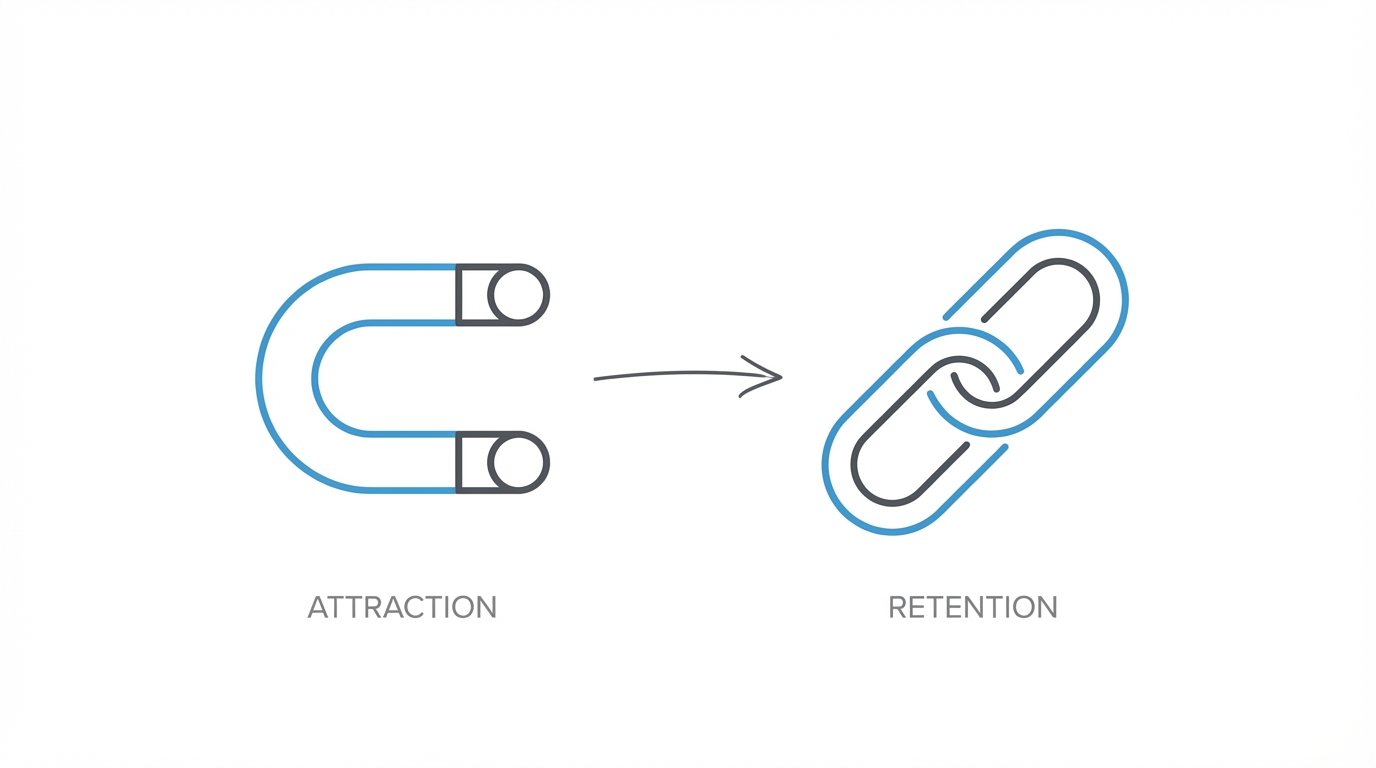
One of the most successful frameworks for scaling a B2B membership site is the 'Artifacts' strategy, pioneered by industry leaders like Reforge. In this model, members don't just pay for access to people; they pay for access to proven templates, internal briefs, and strategic playbooks. These artifacts serve as the 'Trojan Horse' that gets users into the community. When a member can download a 'User Interview Card' or a 'Product One-Page Brief' that has been used at a top-tier company, they receive immediate, tangible ROI. This is the core of a modern knowledge commerce strategy: providing the 'recipe' so the founder doesn't have to invent it from scratch.
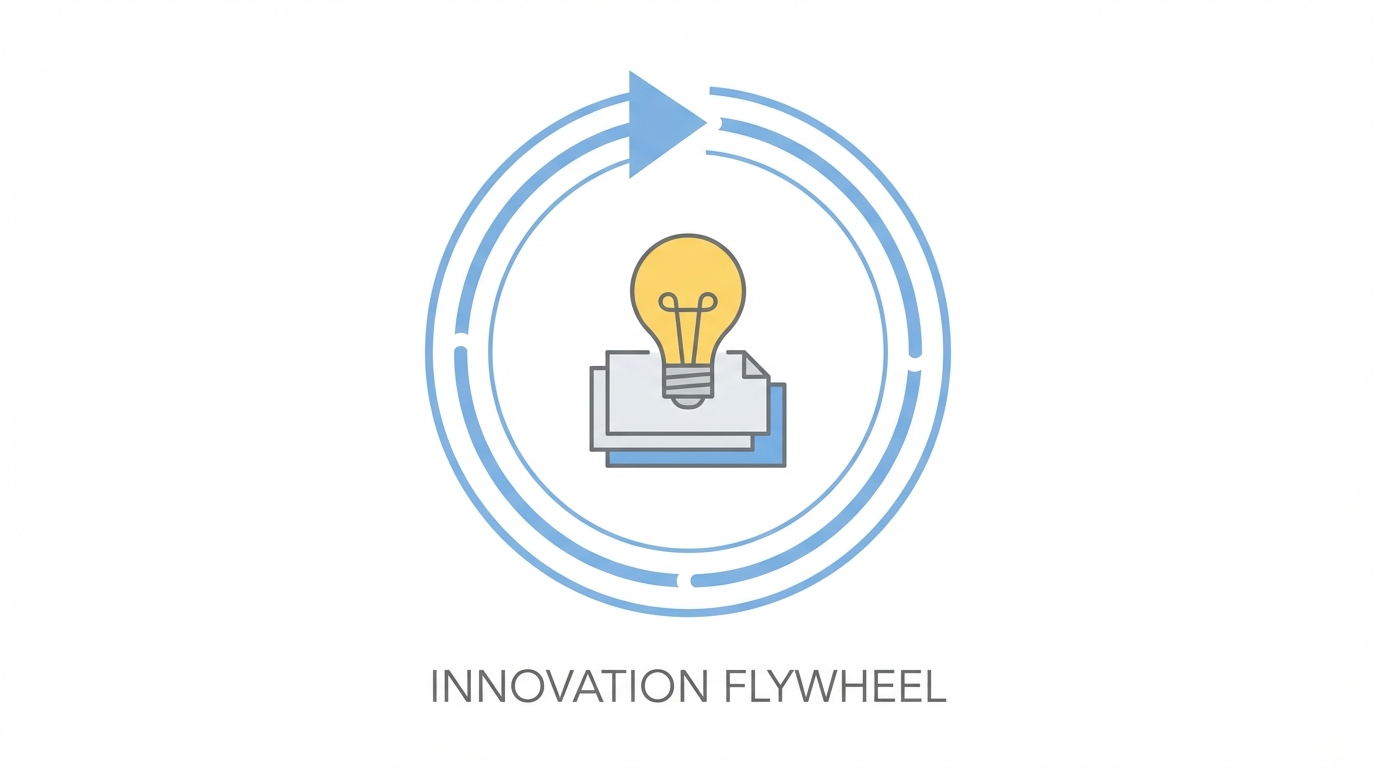
However, while they join for the artifacts, they stay for the network. Over time, the static value of a template diminishes, but the dynamic value of peer-to-peer feedback increases. This is where community-led growth becomes a defensive moat. By housing these resources in an organized portal—often managed via tools like Notion or custom dashboards—and linking them to active discussion threads, you create a flywheel of engagement. Members use the artifact, share their results, and then engage with others doing the same. Tracking this engagement via Google Analytics allows operators to see which playbooks are driving the most retention and which are falling flat.
Asynchronous vs. Synchronous: Solving the Time-Starved Founder Problem
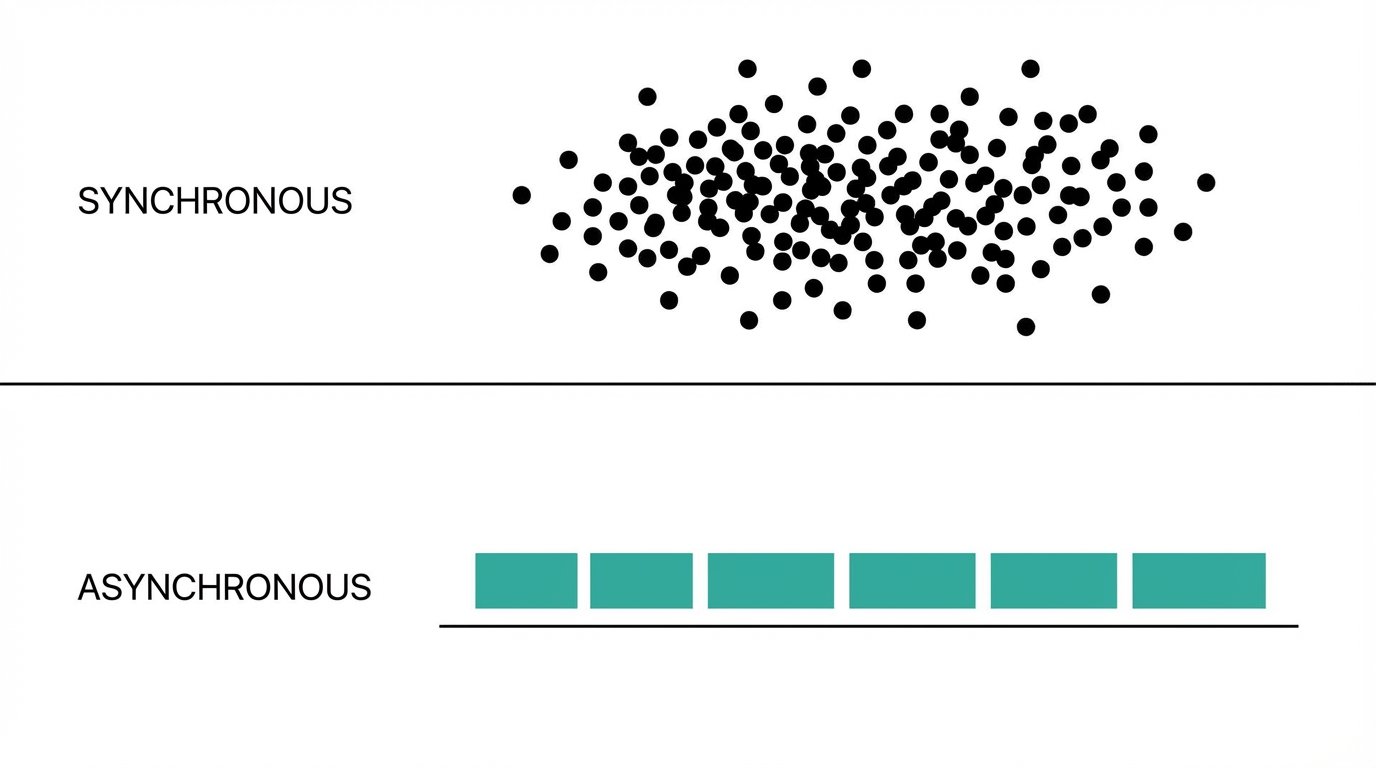
A common mistake in building an expert network business is over-indexing on live, synchronous events. While Zoom calls and live Q&As have their place, they often create a barrier for the busiest (and most valuable) members. The time-starved founder working *in* their business rarely has the luxury of attending a 90-minute workshop at 2:00 PM on a Tuesday. To solve this, the most successful B2B membership sites, such as ScalePath, utilize a Slack-centric, asynchronous model.
The Async First Playbook
- Prioritize Slack/Discord: Make the community accessible where the user already works. Real-time chat allows for quick wins and 'drive-by' advice.
- Bite-Sized Content: Instead of 80-hour masterclasses, release short, 5-minute video summaries of key playbooks on TikTok or private feeds.
- Expert Hours: Bring in specialists for 'Ask Me Anything' sessions that are archived and searchable, ensuring the value persists long after the session ends.
- Curated Connections: Use community managers to manually connect members who are facing identical challenges, facilitating 1-on-1 value without requiring a group call.
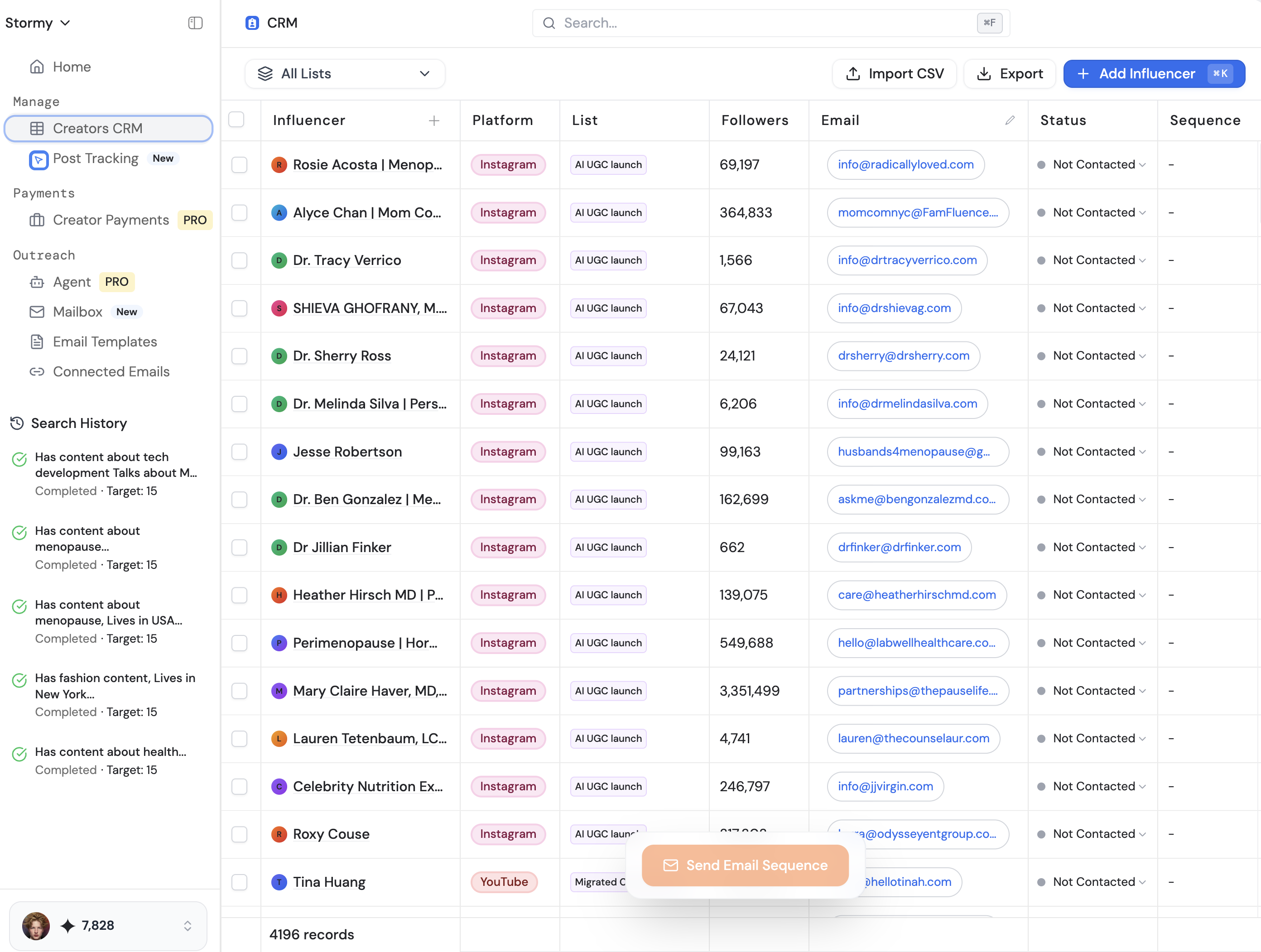
By leading with an asynchronous philosophy, you respect the member's most valuable asset: their time. This approach also allows for better scalability, as the community isn't dependent on the founder's physical presence to provide value. Automation tools and AI-driven platforms can help manage these interactions at scale, ensuring no member feels ignored. For instance, platforms like Stormy AI streamline creator sourcing and outreach by helping community owners discover and vet niche B2B experts or UGC creators who can contribute high-signal 'artifacts' or social proof to the community, keeping the content engine running without constant manual intervention.
Monetizing Expertise: The Recurring Revenue Model
Shifting from a course-based model to a recurring revenue model is the key to building a 'castle' rather than a 'prison.' In a course model, you are on a constant treadmill of customer acquisition. In a membership model, you focus on retention and expansion. Successful operators often price these memberships to fit within existing corporate 'education budgets,' which are typically around $2,000 per year for mid-level managers and significantly higher for executives. Using a payment processor like Stripe to manage these subscriptions ensures a seamless experience for the end-user.
The goal is to move from being a 'teacher' to being a 'platform.' This involves recruiting other experts to share their playbooks, effectively creating a marketplace of business intelligence. This is similar to the model used by Everything Marketplaces, where the value is derived from the collective wisdom of 1,800+ founders rather than a single 'guru.' To maintain high margins, it is essential to keep overhead low by using lean operations and automated systems to manage these expert relationships. If you can automate the discovery and outreach to these experts, you can scale the 'knowledge hub' portion of your site much faster than your competitors.
The Constellation Benchmark: Building for Longevity
To truly understand the potential of a recurring revenue model in the software and knowledge space, one must look at Constellation Software. Led by the reclusive Mark Leonard, Constellation has built a $100 billion empire by acquiring niche, vertical market software companies and holding them for the long term. Their strategy is simple but profound: focus on sticky customers, high gross margins, and predictable cash flow. A B2B membership site functions much like a vertical software company; once a member integrates your playbooks into their business operations, the switching cost becomes incredibly high.
Building for longevity means playing 'multi-decade games.' This requires a 'tanker' mindset rather than a 'speedboat' mindset as the business matures. Speedboats can change direction on a dime, which is great for the 0-to-1 phase. However, a tanker requires planning 3-4 quarters ahead, particularly regarding people problems and systems. As your community grows past 100-200 members, your habits must shift. You need to invest in infrastructure—whether that is a robust creator CRM to track member progress or a sophisticated email outreach system—to ensure the quality of the network doesn't dilute with scale. This is where the power of Stormy AI for AI-powered creator discovery comes in, helping you find the right 'micro-influencers' within your niche to act as brand ambassadors and maintain the community's high-signal environment.
Conclusion: The Future of Community-Led Growth
Scaling a B2B membership site is a marathon, not a sprint. By focusing on a specific 'stuck' niche, lead with high-value 'Artifacts,' and prioritizing asynchronous engagement, you can build a recurring revenue model that serves you as much as you serve it. The knowledge commerce strategy of the future isn't about selling a dream; it's about providing the tools, the network, and the playbooks necessary for real-world business success. As you grow, remember the 'Multiple of Fun'—if 95% of your day is 'tap dancing to work,' you have built a castle. If not, it might be time to re-evaluate your systems. Platforms like Stormy AI can assist in this journey by automating the heavy lifting of creator discovery and outreach, allowing you to focus on the high-level strategy that truly moves the needle.