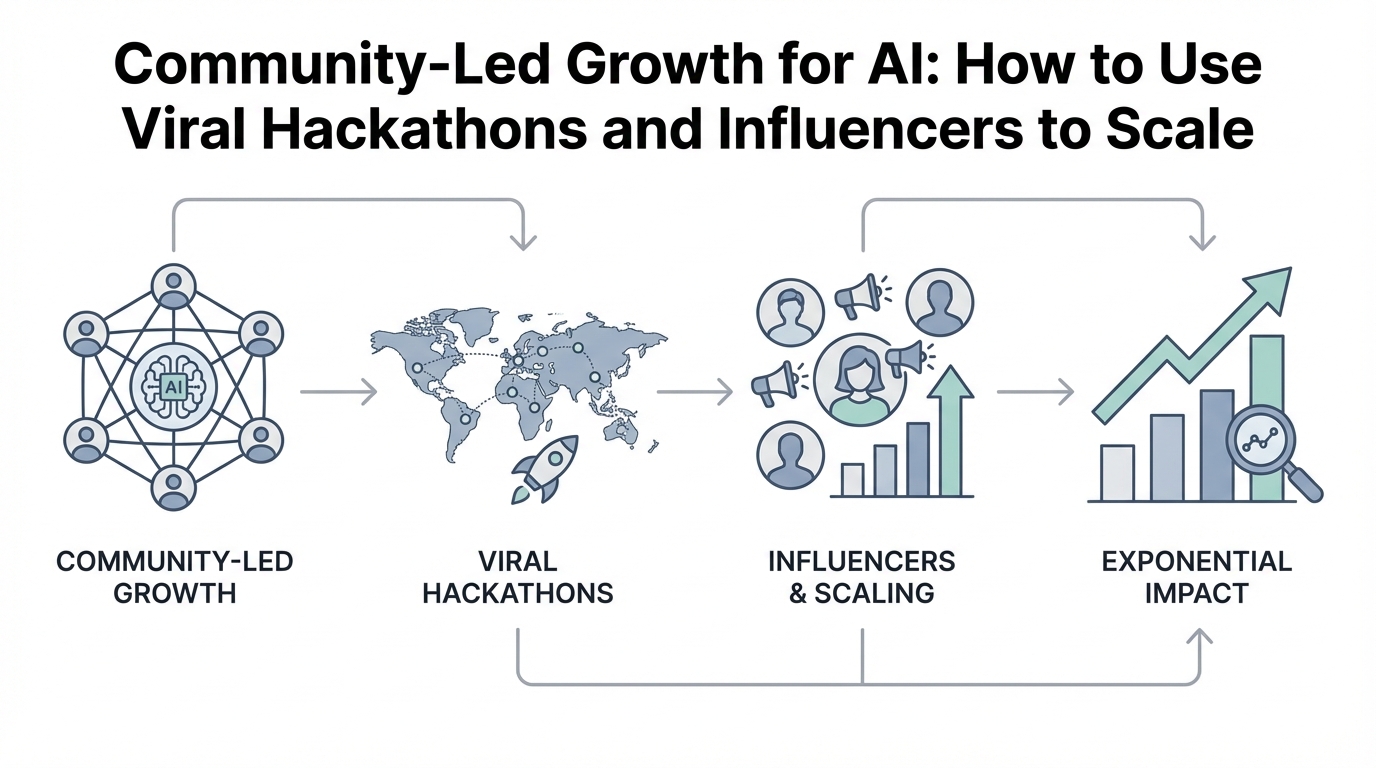
In the heart of San Francisco, a new kind of gold rush is unfolding. It isn't just about the technology—it is about the energy, the culture, and the rapid-fire communities forming around artificial intelligence. For modern startups, the traditional SaaS playbook of cold emails and whitepapers is dead. Replacing it is a high-octane strategy known as community-led growth. From viral residencies like HF0 to record-breaking events hosted by Bolt.new, the secret to scaling in the AI age lies in the intersection of technical utility and social momentum. This guide explores how to leverage AI influencer marketing and experiential events to turn a product into a movement.
The Twitter-to-IRL Funnel: Building Founder Density
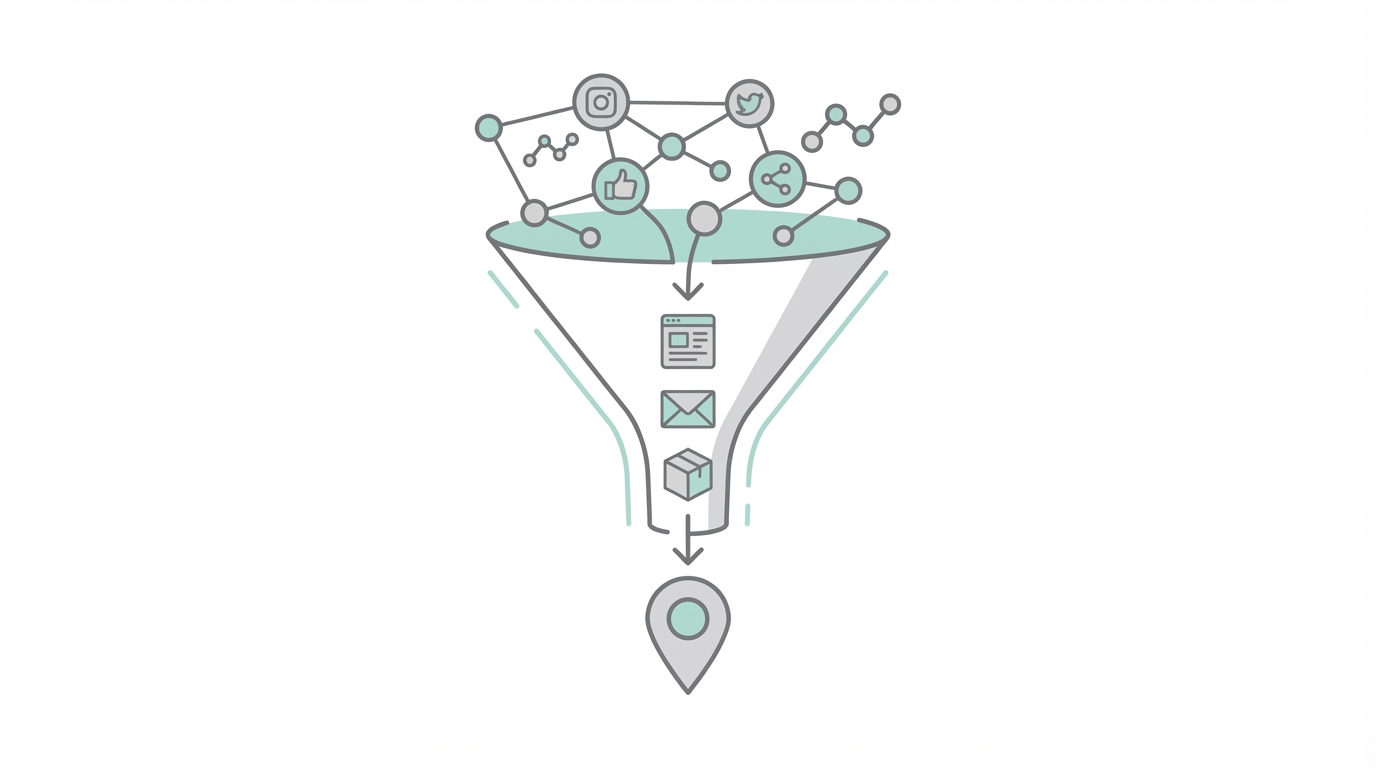
The journey from a digital impression to a loyal user often begins with a single tweet. In the AI ecosystem, Twitter (X) has become the primary discovery engine for both talent and capital. Founders are no longer waiting for formal introductions; they are using "open invitations" to create physical density. When a founder like Greg Isenberg tweets an invitation to a meetup in Dolores Park, it isn't just a social gathering—it is a low-friction acquisition funnel.
This "Twitter-to-IRL" strategy works because it removes the corporate barrier. It allows founders to meet their users in an environment where the "alpha" is shared freely. At these meetups, you find 17-year-olds flying in from Hong Kong and repeat unicorn founders in sweatpants, all united by a singular focus on building. For a startup, this physical presence validates the digital hype. It creates a sense of belonging that community led growth strategies thrive on. By hosting these informal meetups, brands can gather immediate feedback, identify power users, and spark the organic word-of-mouth that precedes a viral launch.
The Bolt.new Hackathon: A Blueprint for Viral Social Proof
If meetups are the spark, hackathons are the explosion. A prime example of this is the Bolt.new hackathon, which aimed to set a Guinness World Record for the largest event of its kind. Hosting a hackathon is one of the most effective viral marketing for startups techniques because it forces users to actually use the product to solve problems in real-time. It moves the needle from "passive observer" to "active builder."
To create a truly viral hackathon, you need three elements: hype, utility, and reward. Bolt.new achieved this by combining a massive technological shift—the ability to build full-stack web apps with AI—with a high-production party featuring The Chainsmokers. By buying out a nightclub and inviting 2,000 builders, they signaled that building software is the new rock-and-roll. This creates a feedback loop: builders post their progress on social media, their followers see the product’s utility, and the community grows exponentially. The key insight isn't just the party; it is the public documentation of the building process.
Leveraging AI Influencer Marketing and Technical Creators

In the world of AI influencer marketing, the most valuable partners aren't just people with high follower counts—they are "technical creators" who can demonstrate utility. Influencers like KP or creators who teach no-code AI tools act as the bridge between complex technology and mainstream adoption. When a creator makes a video showing how they used Bolt.new to fix a bug or launch an app in minutes, it carries more weight than any paid advertisement.
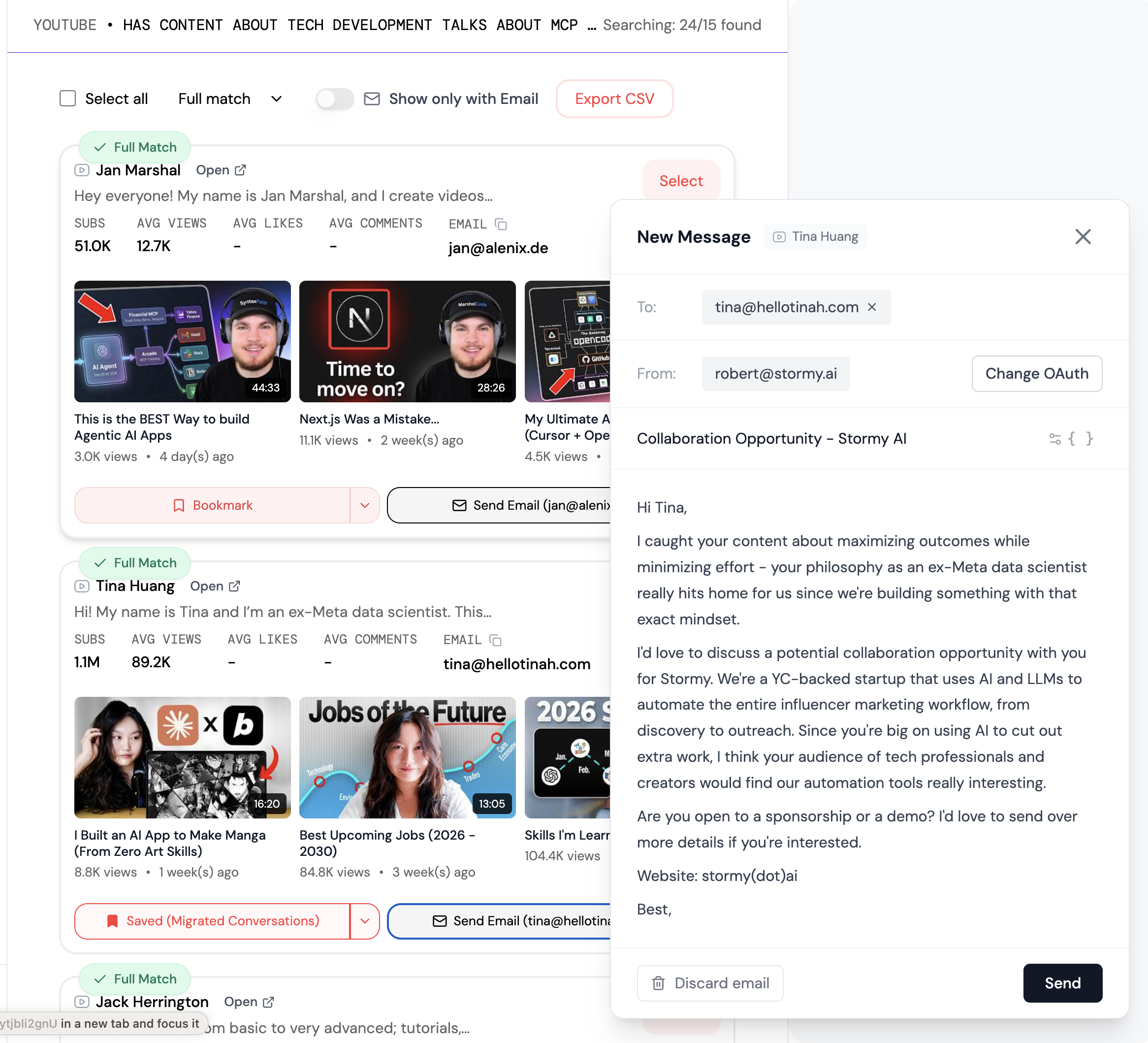
When selecting influencers for an AI campaign, focus on those who have a high "builder-to-follower" ratio. You want influencers whose audience is actively looking for tools to increase their productivity or start new ventures. For example, platforms like Stormy AI can help brands discover these niche technical creators across TikTok and YouTube, allowing companies to vet them for engagement quality and audience demographics before reaching out. These creators don't just promote a product; they onboard users by providing tutorials and real-world use cases, which is essential for sticky growth.
The 'No-Code' AI Wave: Empowering the Non-Technical Creator
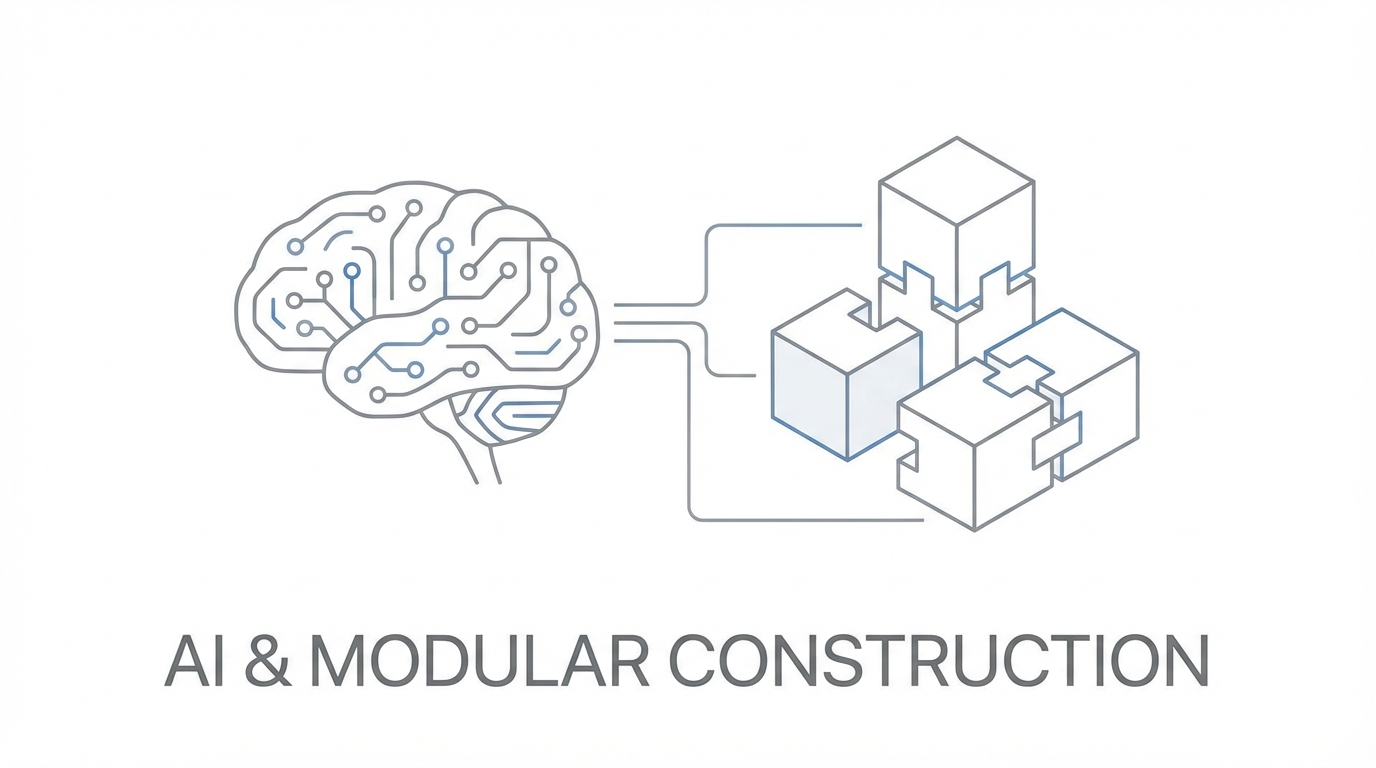
One of the biggest shifts highlighted by recent AI trends is the democratization of software development. We are entering an era where non-technical people can use AI to build complex systems. This "No-Code" AI wave is a massive opportunity for startups. If your product allows a 12-year-old or a non-technical marketing manager to create a web application, your potential market size increases by 100x.
This is where community led growth strategies become truly powerful. By fostering a community that welcomes non-coders, you turn every user into a potential advocate. These users are often more vocal about their successes because the technology has empowered them to do something they previously thought impossible. During the Bolt.new events, creators with no coding background were seen building automated systems that provide real business value. This democratization of creation is the ultimate viral engine: when the barrier to entry drops, the volume of community-generated content skyrockets.
The Power of Residencies: HF0 and the Subtraction of Focus
While viral events capture attention, residencies like HF0 (Hacker Fellowship Zero) capture the talent. Based in the historic Archbishop's Mansion in San Francisco, HF0 is modeled after silent meditation retreats. The philosophy is simple: subtraction of focus. By removing the mundane tasks of daily life—laundry, cooking, and social planning—founders can spend 12 weeks in a state of pure "flow."
This environment produces world-changing companies because it maximizes executive function. When you have 10 teams of elite builders living under one roof, the cross-pollination of ideas is inevitable. Startups in these residencies, such as Cluey, have gone from zero to millions in ARR in just months. For a brand, being associated with these high-intensity hubs provides immediate cultural capital. It signals that you are at the frontier of the "AI Gold Rush." If you are looking to scale, finding ways to support or embed your product within these high-output communities is a winning strategy.
Playbook: How to Host a Hackathon for Viral Growth
If you want to replicate the success of the AI leaders in San Francisco, follow this step-by-step playbook on how to host a hackathon that actually scales your user base.
Step 1: Define a Clear Technical Challenge
Don't just ask people to "build something." Give them a specific problem to solve using your tool. This ensures the entries actually demonstrate your product’s core value proposition.
Step 2: Recruit 'Anchor' Influencers
Partner with 3-5 key technical influencers early on. They should be the first ones to "leak" the event on social media and should act as judges or mentors during the hackathon. Use a platform like Stormy AI to track their outreach and manage these relationships in a dedicated Creator CRM.
Step 3: Create a 'Build in Public' Incentive
Offer prizes not just for the final product, but for the best social media documentation of the build process. This turns every participant into a mini-influencer for your brand.
Step 4: Host a High-Energy Finale
Whether it is a demo day or a closing party, the event needs a climax. This is where you invite VCs from firms like Andreessen Horowitz (a16z) to see the talent. The presence of high-tier investors adds a layer of professional validation to the community energy.
Step 5: Post-Event Content Repurposing
The hackathon doesn't end when the prizes are given out. Record every demo, clip every influencer shoutout, and turn the winning projects into case studies. This content will fuel your marketing for months.
Measuring Community ROI: Beyond Simple Metrics
Traditional marketing measures ROI through CAC (Customer Acquisition Cost) and LTV (Lifetime Value). However, with community led growth strategies, you must also look at Social Velocity and Builder Sentiment. Are people talking about your product without being prompted? Are they building open-source plugins or tutorials for it?
Using social media analytics to track the impact of experiential marketing is crucial. You want to monitor the increase in brand mentions, the quality of community-generated content, and the conversion rate of hackathon participants into long-term paid users. Companies like Founders Inc focus on these qualitative signals to find the next big thing. By staying close to the builders and the hardware designers in spaces like their "Garage," they can spot trends months before they hit the mainstream media.
Conclusion: Scaling with Soul in an AI World
The AI revolution is moving at breakneck speed, but the core of successful growth remains human. By leveraging AI influencer marketing, hosting viral hackathons, and fostering deep-rooted communities, startups can achieve exponential growth that feels organic rather than forced. Whether you are building 3D-printed drones or AI-powered longevity diagnostics, the goal is the same: empower your community to build with you. Start by finding your tribe on social media, move them into a physical or focused digital space, and give them the tools to change the world. The gold rush is here—it is time to start building.