In an era dominated by algorithmic feeds and massive, impersonal social giants, the urge to build something smaller, more meaningful, and deeply connected is stronger than ever. But launching a new social platform is notoriously difficult. Most founders attempt to solve the "cold start problem" by chasing mass-market appeal from day one, only to find themselves shouting into an empty room. Building a successful social media community management plan doesn't start with millions of users; it starts with a handful of people who are genuinely obsessed with your value proposition. This is the heart of the "Kernel Strategy," a philosophy famously championed by Ryan Hoover, the founder of Product Hunt.
The Kernel Strategy: Why Small is Sustainable
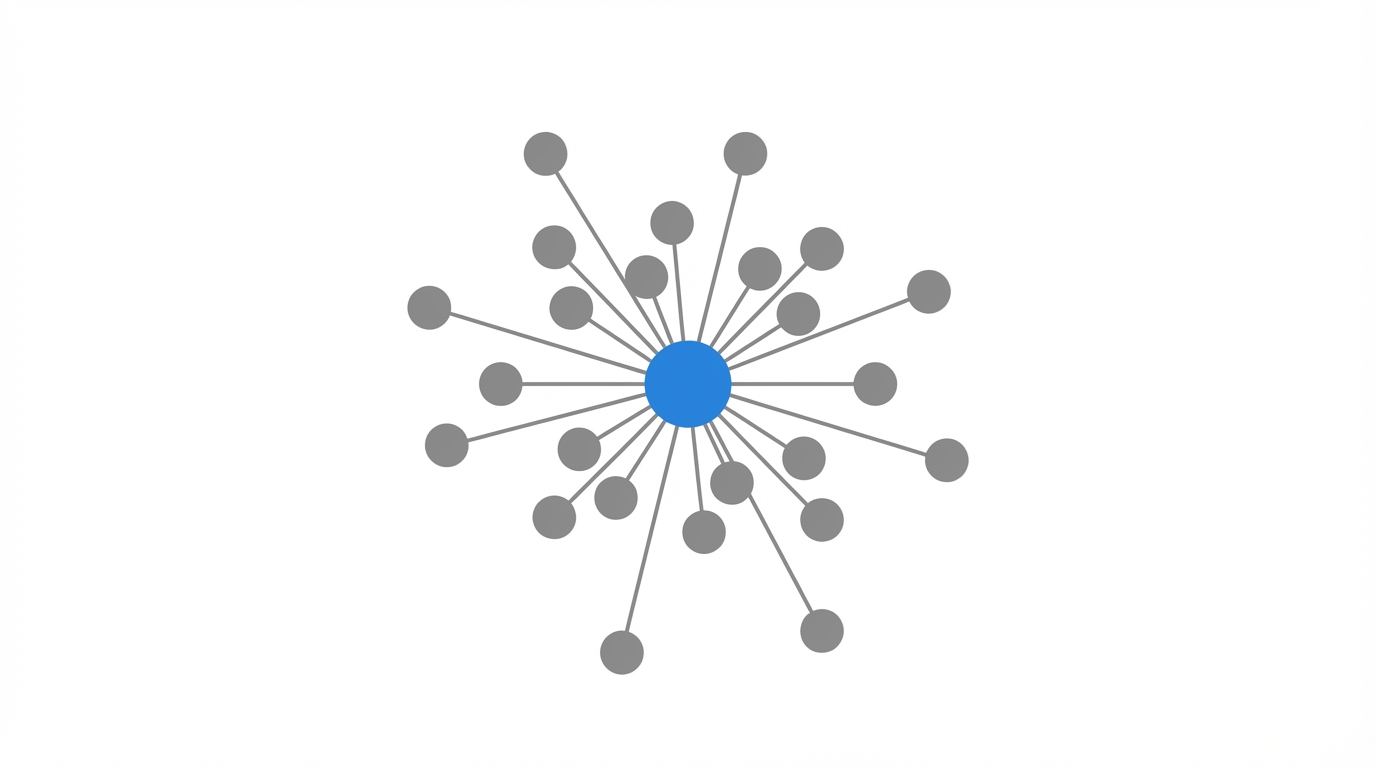

The most common mistake in a community building strategy is the desire for scale before substance. We often think that a social network requires a massive influx of users to be viable. However, the most successful products of the last decade began by intentionally limiting their scope. As Ryan Hoover suggests, social products don't need everyone on them at the start—in fact, you probably don't want everyone. You want a "kernel," a tight-knit group of people who are fervently excited about what you have built.
Finding your first 100 obsessed users is far more valuable than acquiring 10,000 indifferent ones. These early adopters provide the high-quality signals needed to refine your user engagement loops. They are the ones who will post daily, comment thoughtfully, and forgive the bugs that are inevitable in early-stage software. When looking for this kernel, you should seek out people who are already trying to solve the problem your platform addresses in a fragmented way. For Product Hunt, this was people who mowed their lawn while listening to specialized podcasts or those who scoured TechCrunch just to find a single new app link. They were already hunters; Hoover just gave them a home.
To identify this group, look for "contrarian insights." As discussed in industry circles, the initial spark of a world-changing product usually feels weird or even wrong to the general public. Take Snapchat as an example. In its infancy, the idea of disappearing photos seemed niche or even suspicious to older generations. But for its core kernel—high school students who didn't want a permanent record of every interaction on Facebook—it was the perfect solution. By serving a specific niche remarkably well, they bought themselves the time to iterate and eventually expand into a global powerhouse.
System Thinking vs. Over-Engineering
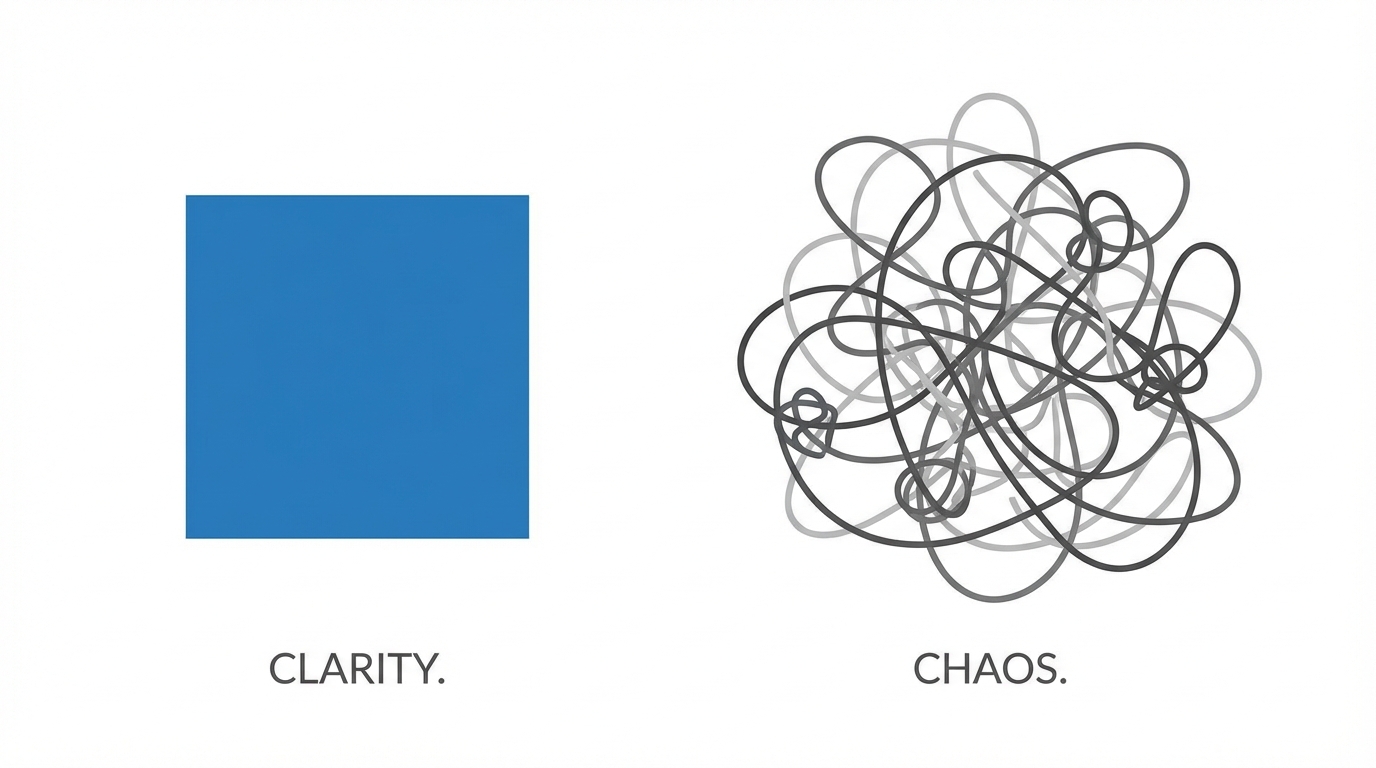
Product builders often fall into the trap of becoming "too clever." They design complex flywheels and hypothetical features before they even have a core utility that people love. This often leads to paralysis by analysis. You might spend months building a sophisticated recommendation engine when your users really just want a better way to upvote a post. The key to product led growth is to act on obvious user needs rather than complex hypothetical systems.
Hoover notes that the best roadmaps often "fall out" of the product naturally based on user feedback. In the early days of Product Hunt, there was no grandmaster plan to become a global discovery engine. It started as a simple list. As makers began showing up in the comments to explain their work, the team realized they needed to "productize the maker." This wasn't a pre-planned "system"; it was an obvious response to real-world behavior. If you find yourself spending more time in Notion planning features than you do talking to users, you are likely over-engineering.
Instead of building the entire machine at once, focus on the "one small insight" that could transform your life. Whether it is a new way to track sleep based on the science of electrolytes and hydration or a social tool that plays to the natural human instinct for gossip, one small, well-executed insight is worth more than a dozen half-baked features.
Productizing the Creator: Turning Users into Engines
For a social network to grow, it must provide social capital to its most active participants. When building a social network, you need to identify your "makers"—the people creating the content—and give them the tools to show off. By creating robust profiles and clear attribution, you turn your creators into your primary growth engine. People are naturally proud of what they build; if your platform highlights their achievements, they will share their profiles on other networks like X or LinkedIn, driving organic traffic back to you.
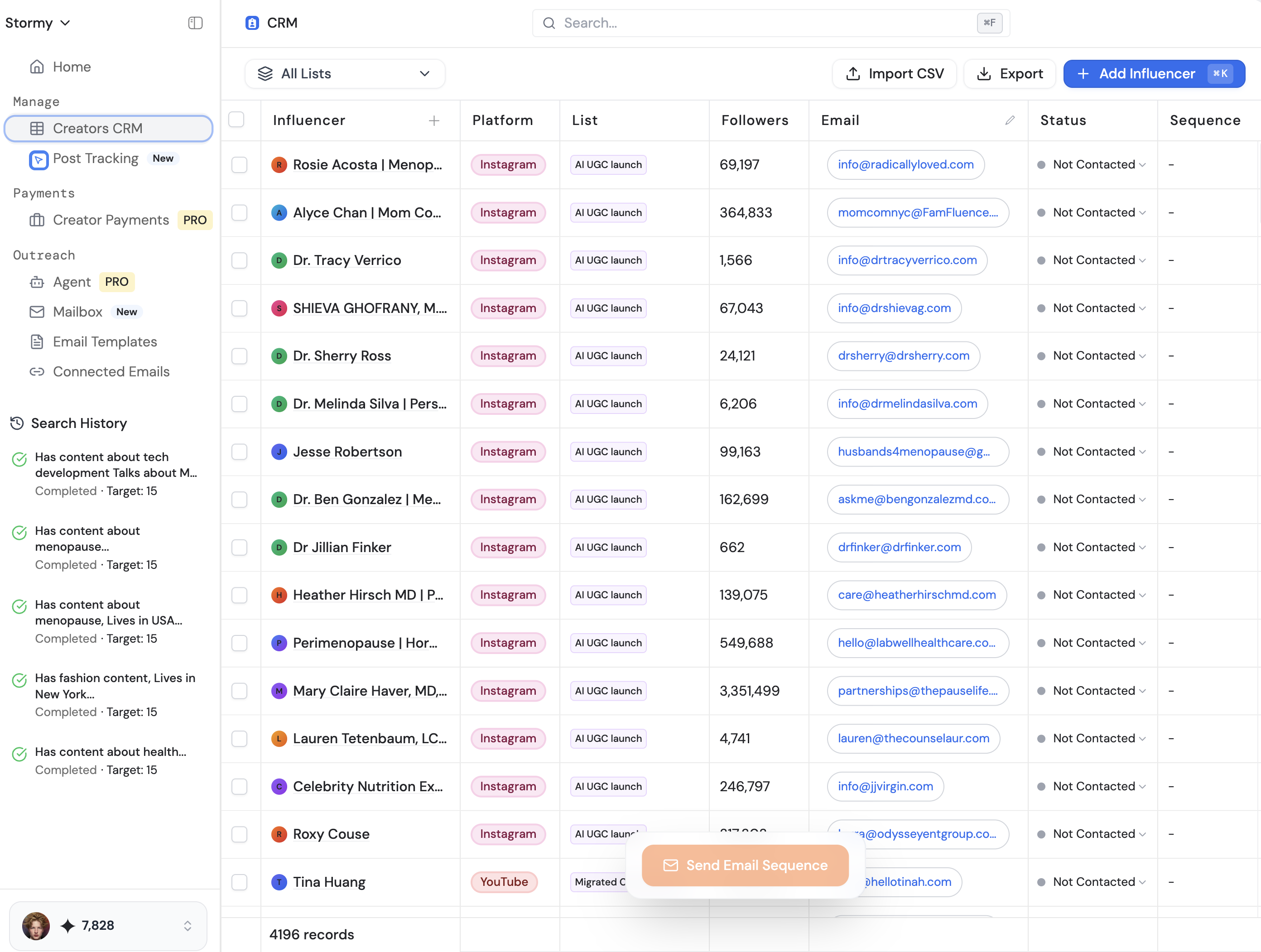
This creates a powerful set of user engagement loops. For instance, when a prominent creator launches a new project, their followers should be instantly notified. These notification loops, when tied to real human relationships, have much higher open and engagement rates than generic marketing emails. It transforms the platform from a static website into a dynamic ecosystem where users feel a sense of ownership and status. This is the essence of building affinity. As we see with modern tools, platforms like Stormy AI can help source and manage these high-value creators at scale, ensuring that the people seeding your community are actually the influential "makers" you need.
The IRL Factor: Why Offline Still Matters
Digital-only communities often suffer from a lack of "stickiness." To solidify digital brand affinity, you must find ways to bring people together in the real world. This is what many call the "Avocado Toast" strategy—using meetups, brunches, and human connection to turn a digital utility into a cultural movement. When Product Hunt began hosting in-person meetups, it wasn't just about the technology; it was about the people who loved the technology.
These events don't have to be massive, thousand-person conferences. In fact, smaller, more intimate settings—like a 20-person brunch in Bangalore or Berlin—are often more effective at building deep relationships. These irl interactions act as a "shelling point" for the community. When users meet the person behind the avatar, their commitment to the platform deepens. They become ambassadors rather than just users. Even in a world where we spend our lives on our phones or riding a recumbent bike while checking Google Ads, the human element remains the strongest retention tool available.
The Newsletter-First Playbook

Before you write a single line of complex code or hire a developer to build a mobile app, you should validate your value proposition through low-cost distribution. The "Newsletter First" approach is perhaps the most underrated community building strategy. By starting with a simple curated email list on a platform like Substack, you can prove that people actually care about the content you are aggregating or the niche you are serving.
Step 1: Curate the Core Value
Pick a vertical you have high conviction in. Don't be the "chatbot guy" of 2016; pick something sustainable and authentic. Start manually finding the best links, products, or insights in that space and send them to a small group of friends and peers.
Step 2: Listen for the "Obvious"
Pay attention to which items get the most clicks and which sections prompt people to reply. If people aren't replying to your emails, they probably won't post on your social network. Use this feedback to refine your voice and your focus.
Step 3: Gradually Productize
Only after you have a growing, engaged audience should you move that community onto a dedicated platform. This ensures that on "Day 1" of your product launch, you already have a kernel of users ready to populate the feed. You aren't launching a product to an empty room; you are giving an existing community a better place to hang out. For those looking to scale this outreach and find the right influencers to seed these early newsletters, Stormy AI’s creator discovery tools can be a massive unlock, helping you find those "obsessed" individuals who already have the ears of your target audience.
Conclusion: Building for the Long Haul
Building a tight-knit social platform is an exercise in patience and intuition. It requires the discipline to stay small until you've earned the right to be big. By focusing on the kernel strategy, avoiding the trap of over-engineering, and prioritizing human connection both online and off, you can build a platform that doesn't just attract users, but fosters a genuine community. Remember that in the early days, you are looking for product led growth that feels organic. Don't worry about being the next global giant immediately. Instead, focus on being the best place in the world for your first 100 users. If you can make them obsessed, the rest of the world will eventually follow.