In the shifting landscape of 2026, YouTube advertising has moved from manual dashboard management to Agentic Marketing. The era of simply setting a budget and walking away is over; today, the platform rewards brands that foster active, healthy communities within their ad units. The leading framework driving this radical change is OpenClaw (formerly Moltbot), an open-source AI agent runtime that has amassed over 219,000 GitHub stars on GitHub. By leveraging OpenClaw, brands are no longer just broadcasting—they are participating in real-time sentiment management that drastically improves algorithmic quality signals.
Why 'Community-First' Marketing is the Primary Reward Signal in 2026
By 2026, the YouTube algorithm has evolved to prioritize "Community-First" metrics over raw view counts. While CTR and conversion rates remain vital, the depth of engagement—specifically the quality and sentiment of comments—has become a primary signal for determining an ad's relevance and placement priority. When users engage in a dialogue within the comment section of a video ad, it signals to YouTube that the content is high-value, leading to lower CPAs and better organic reach.
According to research from Stormy AI, accounts that utilize automated engagement pruning and sentiment management see a 2.5–4% higher conversion rate. This is achieved by redirecting wasted spend away from controversial or low-engagement assets and toward those that spark genuine community interest. To manage this at scale, sophisticated marketers are turning to the OpenClaw Comment Commander skill.
"In 2026, a YouTube ad with zero comments isn't just quiet—it's invisible to the algorithm. Depth of dialogue is the new gold standard for ad quality."
Connecting OpenClaw to the YouTube API for Sentiment Analysis
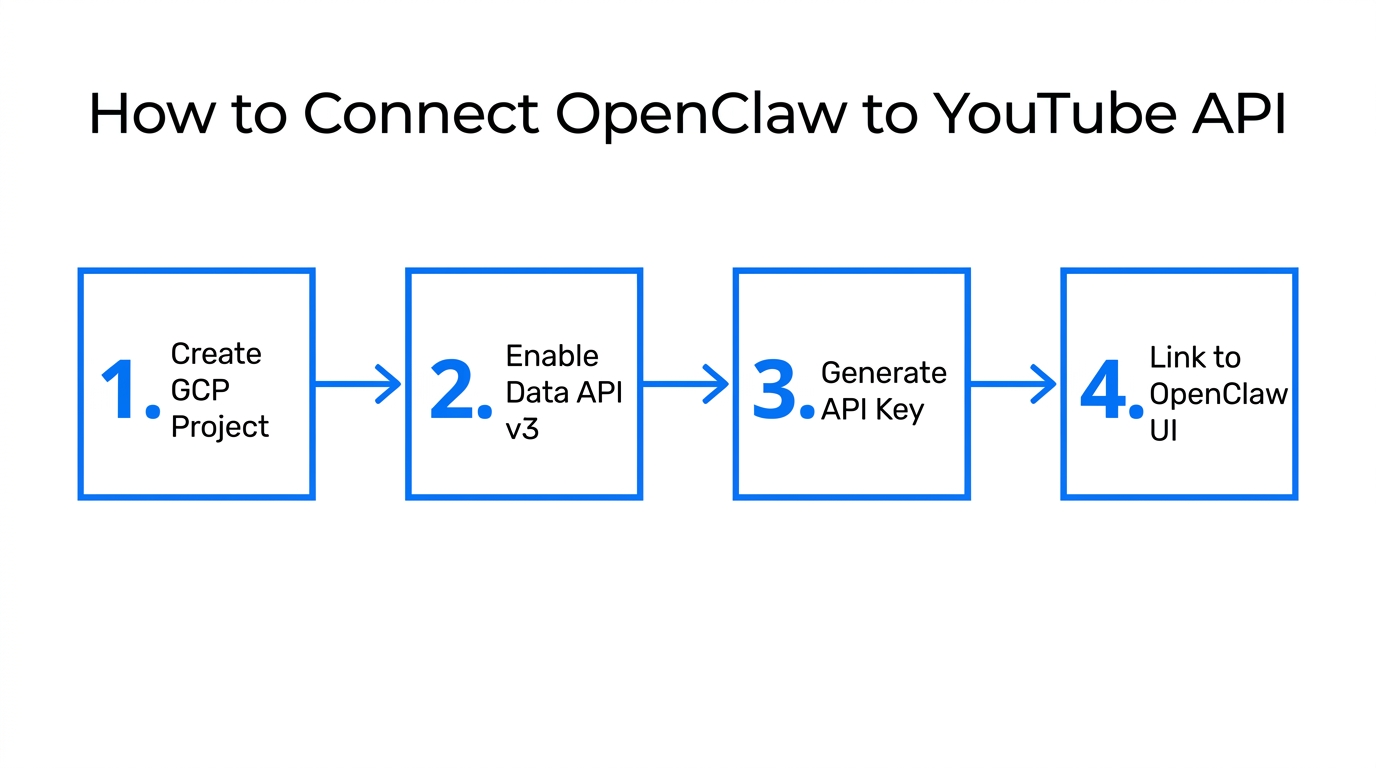
Unlike traditional automation tools, OpenClaw agents use the Model Context Protocol (MCP) to interact with the Google Ads API, local files, and vision models like Claude 3.5 Sonnet or GPT-4o. This allows for a level of OpenClaw sentiment analysis that was previously impossible. Setting up the connection is the first step in your YouTube ad engagement strategy.
Step 1: API Authentication
To begin, you must authorize your OpenClaw instance to access your YouTube channel via the Google Cloud Console. This allows the agent to pull comment data in real-time. By using tools like YouTube Playlist & Transcript skills, the agent can cross-reference what is being said in the video with what the audience is typing in the comments.
Step 2: Defining the Sentiment Threshold
Once connected, you must define the parameters of "healthy engagement." You can program the agent to recognize sarcasm, brand-specific terminology, and even emerging slang that could indicate a shift in public perception. This is where YouTube brand reputation management becomes truly autonomous.
| Feature | Manual Moderation | OpenClaw Agentic Moderation |
|---|---|---|
| Response Time | Hours to Days | Near Real-Time (Seconds) |
| Sentiment Accuracy | Subjective / Inconsistent | Data-Driven / Standardized |
| Scalability | Limited by Staff Size | Infinite across all ad units |
| Algorithmic Feedback | None | Auto-adjusts bids based on sentiment |
Mastering the Comment Commander Skill for Reputation Protection
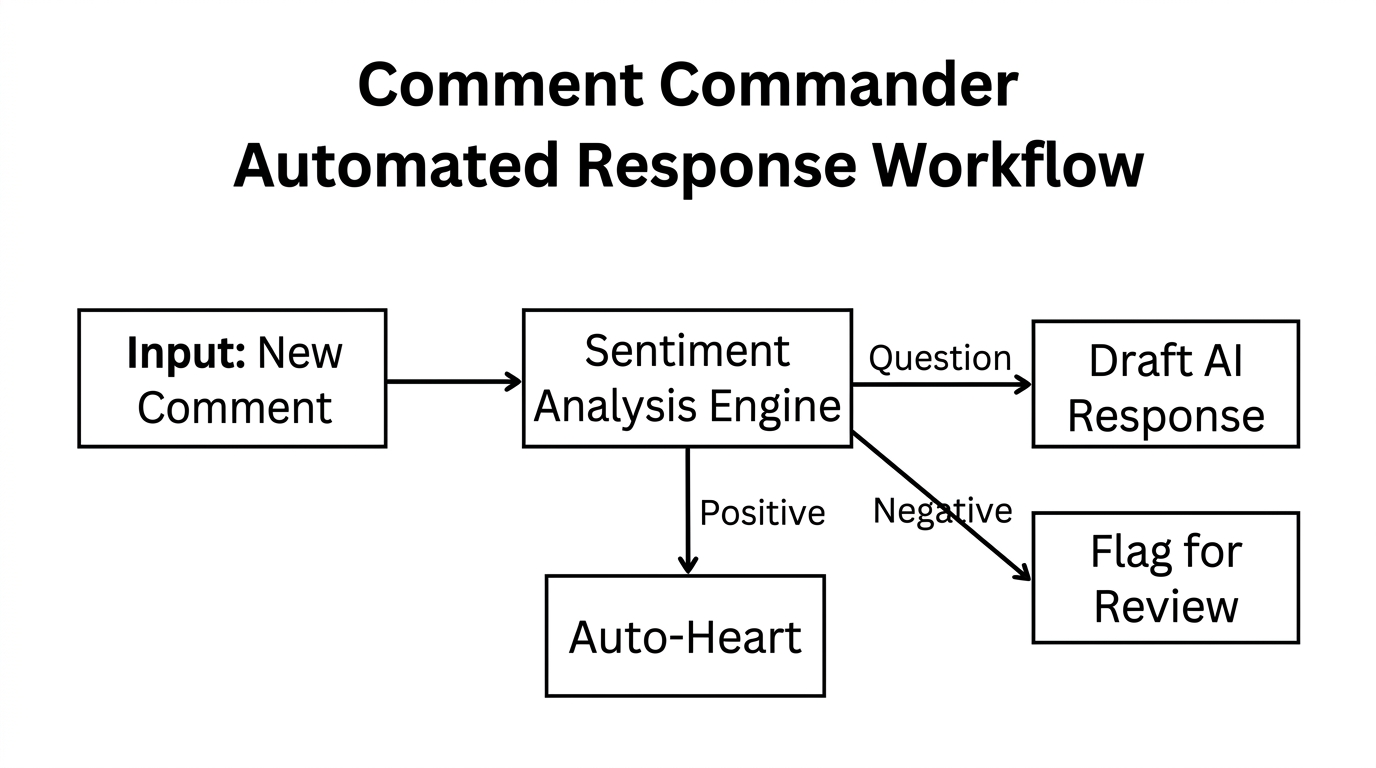
The Comment Commander is a specialized skill designed for AI comment moderation for ads. It doesn't just delete spam; it actively manages the narrative of your brand. In 2026, the speed at which you address negative feedback can determine whether a video goes viral for the right or wrong reasons.
Actionable Strategy: Configure the agent to monitor comments on your ads, summarize the collective sentiment every hour, and flag brand-damaging feedback that exceeds a certain toxicity threshold. If a specific ad begins to receive a flurry of negative sentiment, the agent can trigger an automatic pause of that campaign while alerting the human manager via Telegram or WhatsApp.
"OpenClaw isn't just a tool; it's a digital bodyguard that manages your brand reputation while your team focuses on high-level creative strategy."
Expert marketers also use this skill to highlight positive customer testimonials. If a user leaves a particularly glowing review in the comments, the agent can be programmed to "pin" that comment or even draft a personalized response to encourage further interaction. This level of community-first marketing 2026 builds immense trust with potential customers who are scrolling through the feedback section before deciding to click your CTA.
The 'Skip' Ad Paradox: Using Comment Depth as a Quality Signal
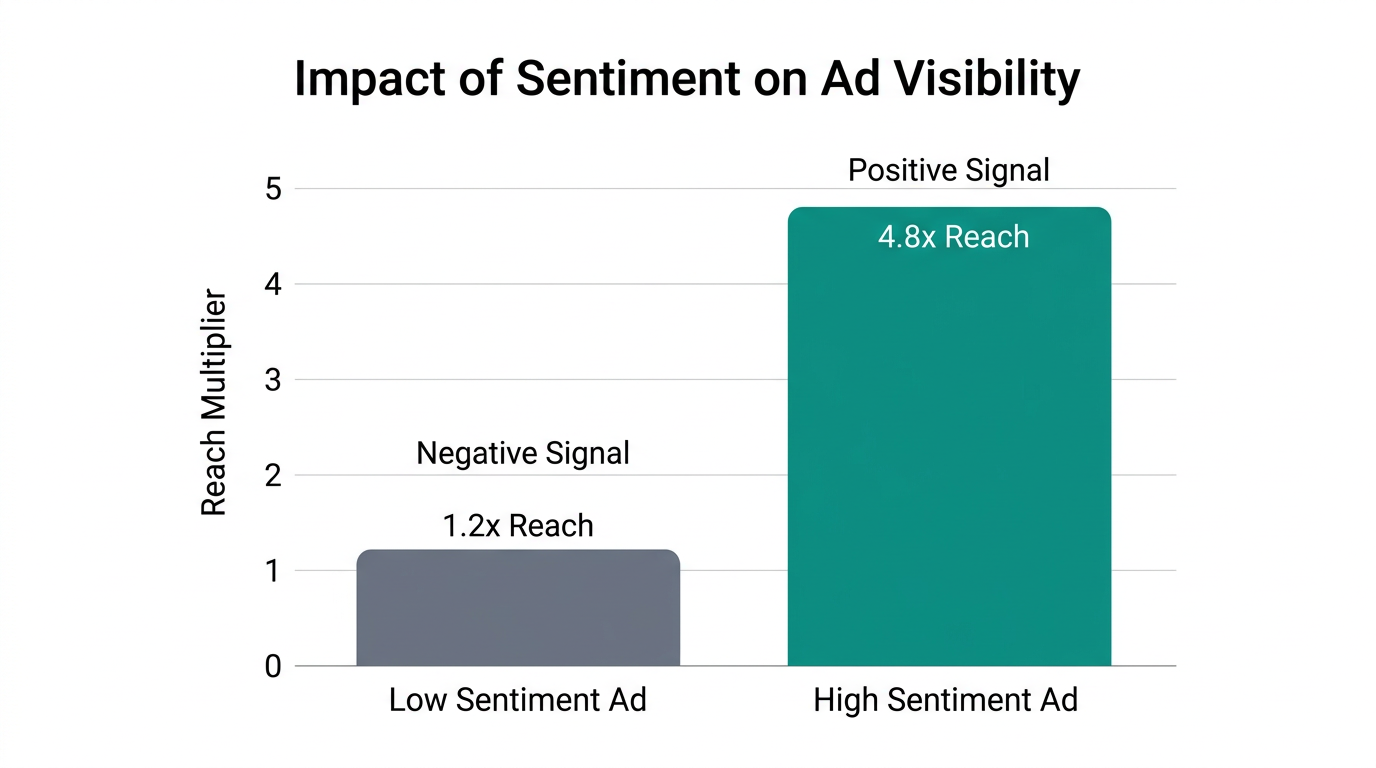
One of the most surprising trends in 2026 is the value of engagement on "Skip" ads. Traditionally, if a user skips an ad, it's seen as a loss. However, OpenClaw data suggests that high comment depth on 'Skip' ads signals exceptional quality to the YouTube algorithm. Even if the user doesn't watch the full video, the fact that they felt compelled to stop and comment is a powerful indicator of creative resonance.
By using the Video Ad Analyzer skill, brands can analyze their hooks to see which specific visual or audio cues are driving these comments. As noted by Julian Goldie, scripts with a "pattern interrupt" created in tools like CapCut increase view-through rates and engagement by up to 15%. When combined with the Comment Commander, you can turn a skipped ad into a community touchpoint.
Managing the MEMORY.md File to Prevent Hallucinations
One of the most critical aspects of running an OpenClaw sentiment analysis engine is managing the MEMORY.md file. This file acts as the agent's long-term storage, housing historical data about campaign performance and audience sentiment. However, if not properly maintained, this can lead to "Memory Bloat."
Stale data in the agent's memory can cause it to hallucinate sentiment trends. For example, if a product issue was resolved three months ago but the agent still has those negative comments at the top of its memory stack, it may continue to flag new, positive comments as suspicious or reactionary. To prevent this AI hallucination, marketers must implement a regular memory hygiene protocol.
- Weekly Audits: Manually review the
MEMORY.mdfile to ensure the agent is prioritizing the most recent 30 days of data. - Context Windows: Set strict parameters on how far back the agent should look when summarizing "current" sentiment.
- Approval Loops: Never allow the agent to make major budget shifts based on memory alone; always use a human-in-the-loop system for high-stakes decisions as recommended by the OpenClaw Academy.
Integrating UGC and Creator Partnerships for Better Sentiment
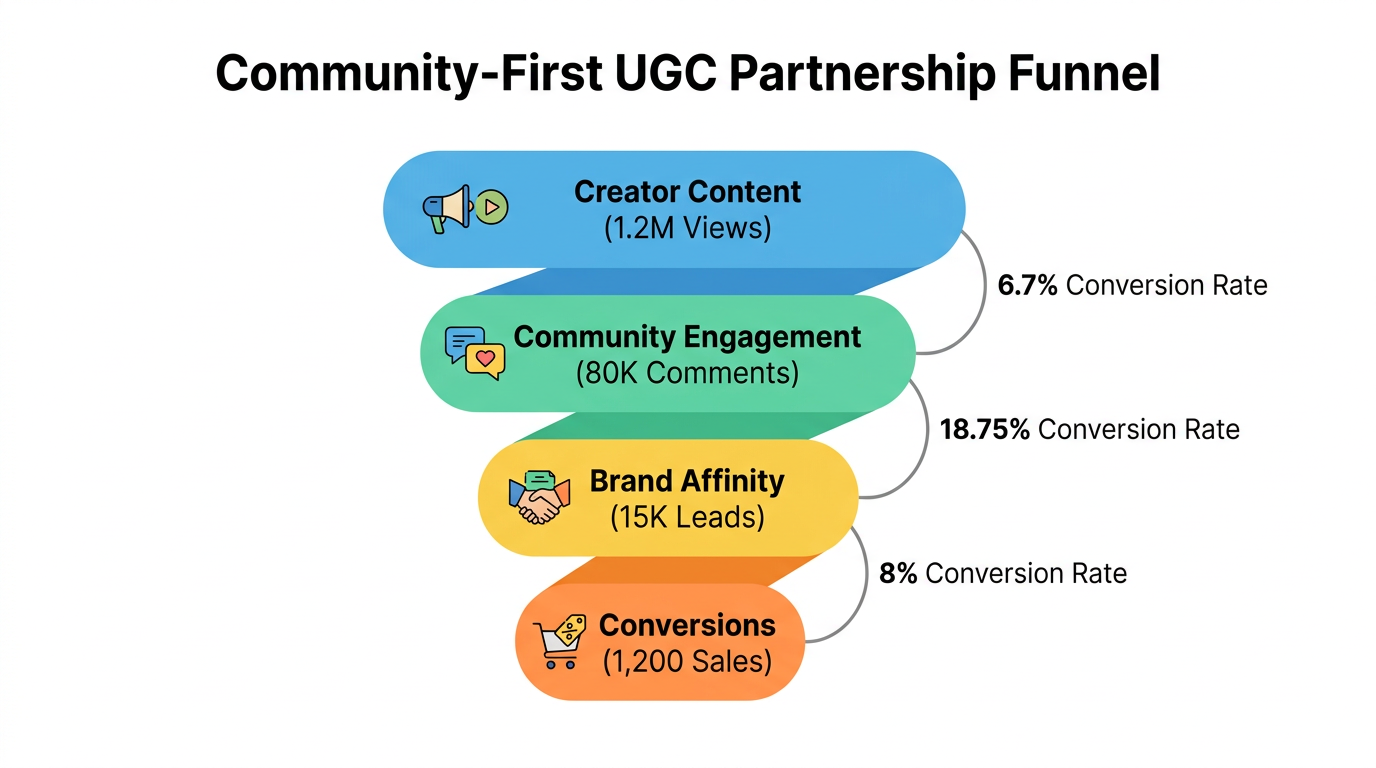
The most successful YouTube ad campaigns in 2026 don't look like ads—they look like User-Generated Content (UGC). Sentiment is naturally higher when the content feels authentic and relatable. To find the right creators to fuel this strategy, platforms like Stormy AI are essential. Stormy allows brands to discover creators whose existing audience sentiment aligns with their brand values, ensuring that when their UGC is used as an ad, the comment section is already primed for positive engagement.
By pairing OpenClaw's automated moderation with high-quality creator content found via Stormy AI, brands can create a self-sustaining loop of positive community interaction and high algorithmic reward.
The Future of YouTube Ads is Agentic
Mastering YouTube brand reputation management in 2026 requires more than just a creative eye; it requires a sophisticated technical stack including tools like Notion for documentation and AI for execution. By connecting OpenClaw to your YouTube ads and utilizing the Comment Commander skill, you can turn your comment section from a liability into your greatest algorithmic asset. Remember to keep your MEMORY.md files lean, your engagement depth high, and your sentiment analysis sharp.
Ready to scale your creator strategy alongside your AI agents? Use Stormy AI to find the perfect UGC partners and keep your brand's community-first marketing strategy ahead of the curve this year.