In the modern digital economy, the traditional model of buying attention is dying. For decades, brands and creators relied on the brute force of TV ads, billboards, and banner ads to capture leads. But today, the most successful creators—like Thomas Frank, Dan Koe, and Colin and Samir—have pioneered a new framework: the ACP funnel. Standing for Audience, Community, and Product, this model allows creators to generate significant passive income by focusing on community building for influencers rather than just chasing vanity metrics. According to Goldman Sachs, the creator economy could approach a value of $480 billion by 2027, driven largely by this shift toward deep community engagement.
Transitioning from a 'broadcast' mindset to a 'dialogue' mindset is the secret to moving from a transactional relationship with your viewers to a deep-rooted community. This article will explore how to charge your trust battery, foster two-way communication, and build a business that remains rock-solid regardless of economic shifts.
The ACP Funnel: Reimagining Growth
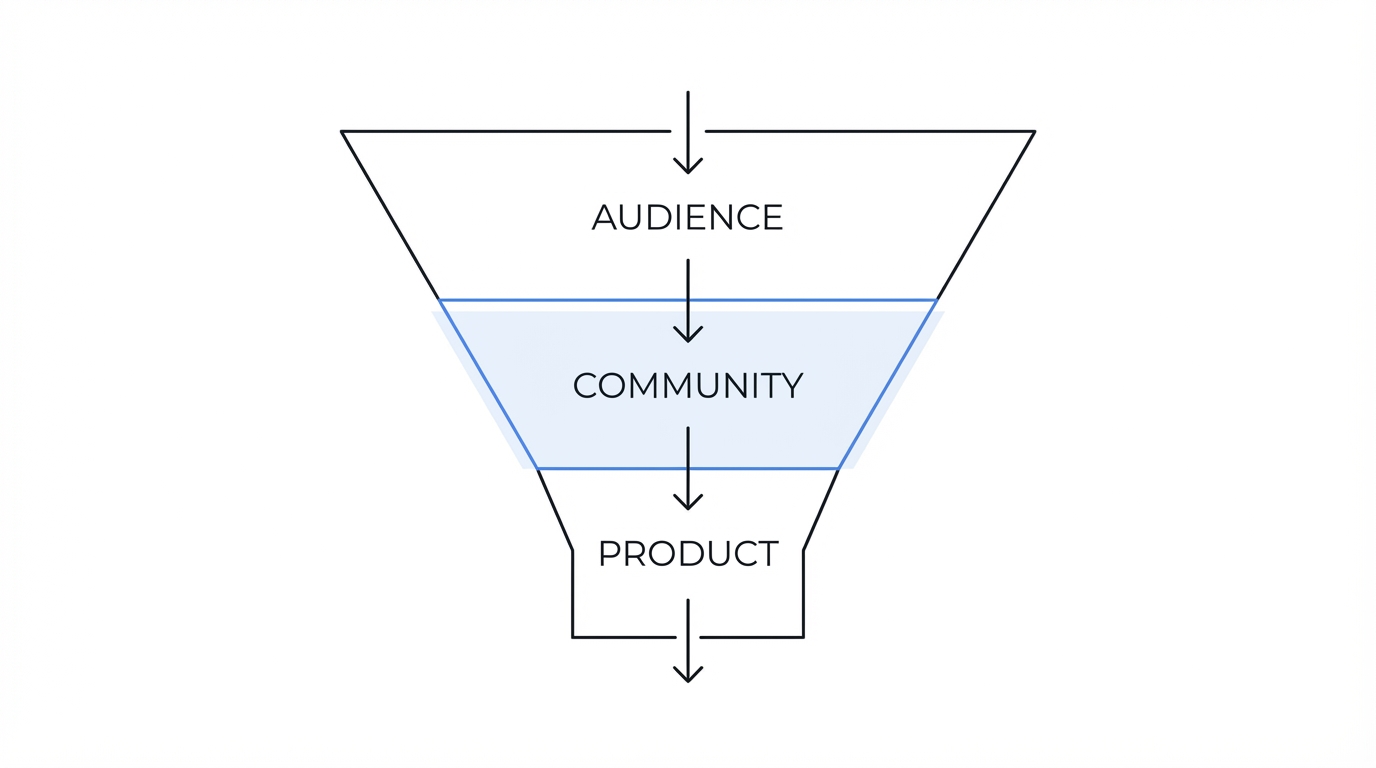

The old way of doing business was simple: buy attention, capture a lead (usually via an email address), and sell a product. This "lead magnet" approach is increasingly ineffective because it lacks the middle layer that sustains long-term loyalty: community. The ACP funnel flips the script. It begins with Audience, where you earn attention by going deep—not wide—on a specific topic. For YouTube creators, this means creating high-quality content that resonates with a specific niche, much like Thomas Frank did by focusing exclusively on productivity apps and Notion. The global productivity software market continues to grow, proving that niche focus can lead to massive scale.
The second step is Community. This is the space where people move from being passive viewers to active participants. It is a place where like-minded individuals can chat, express themselves, and work toward a shared outcome. Whether the goal is mastery of a complex software tool or personal development, communities with a clear goal outperform those without one every single time. Finally, the Product emerges naturally from the community’s needs, acting as a routine that supercharges the existing experience rather than distracting from it.
The Apartment Building Model of Trust
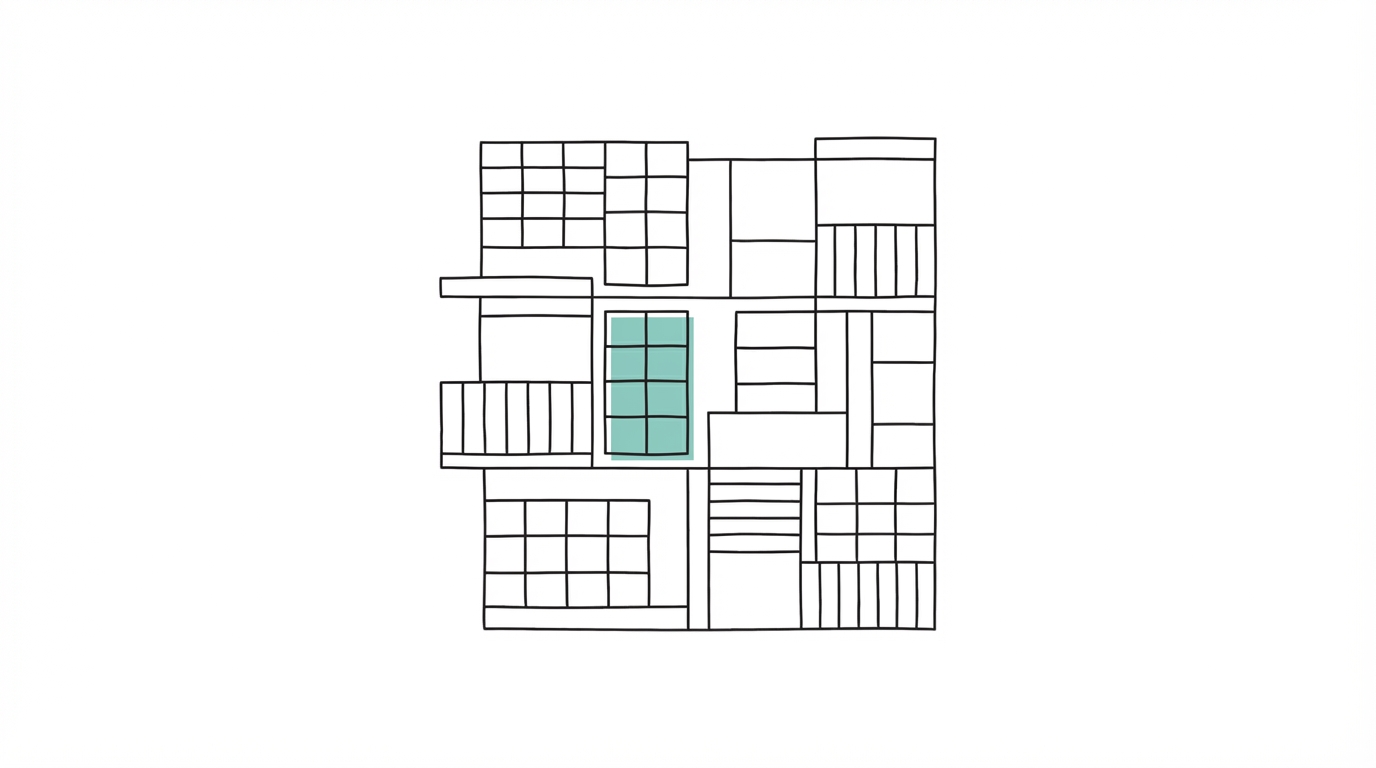
To understand creator community management, one must distinguish between a 'hotel' and an 'apartment building,' a concept often championed by Greg Isenberg. A hotel is transactional. You check in, you sleep, and you leave. You don't bake an apple pie for your neighbor in a hotel. Many social media accounts operate like hotels; followers drop in for a video and leave without any further connection. However, a thriving business is built on the Apartment Building Model.
In an apartment building, residents know and trust one another. This deep, deep trust is what makes a business resilient. When the economy fluctuates, those with an 'apartment-style' community don't have to worry as much because their audience is emotionally and socially invested. By fostering these relationships, you ensure that your social media engagement strategy isn't just about the algorithm, but about building a foundation of advocacy. This is essential when learning how to monetize a community effectively.
Why the Comment Section is the Most Underrated Growth Hack
One of the primary ways to transition from a broadcast to a dialogue is through active engagement in the comment section. Thomas Frank, who recently surpassed 2.9 million subscribers on his main channel, treats his YouTube channel as a two-way street. He doesn't just post and ghost; he responds to questions, addresses concerns, and asks for feedback. This level of interaction makes the audience feel valued and is the fastest way to convert a viewer into a community member.
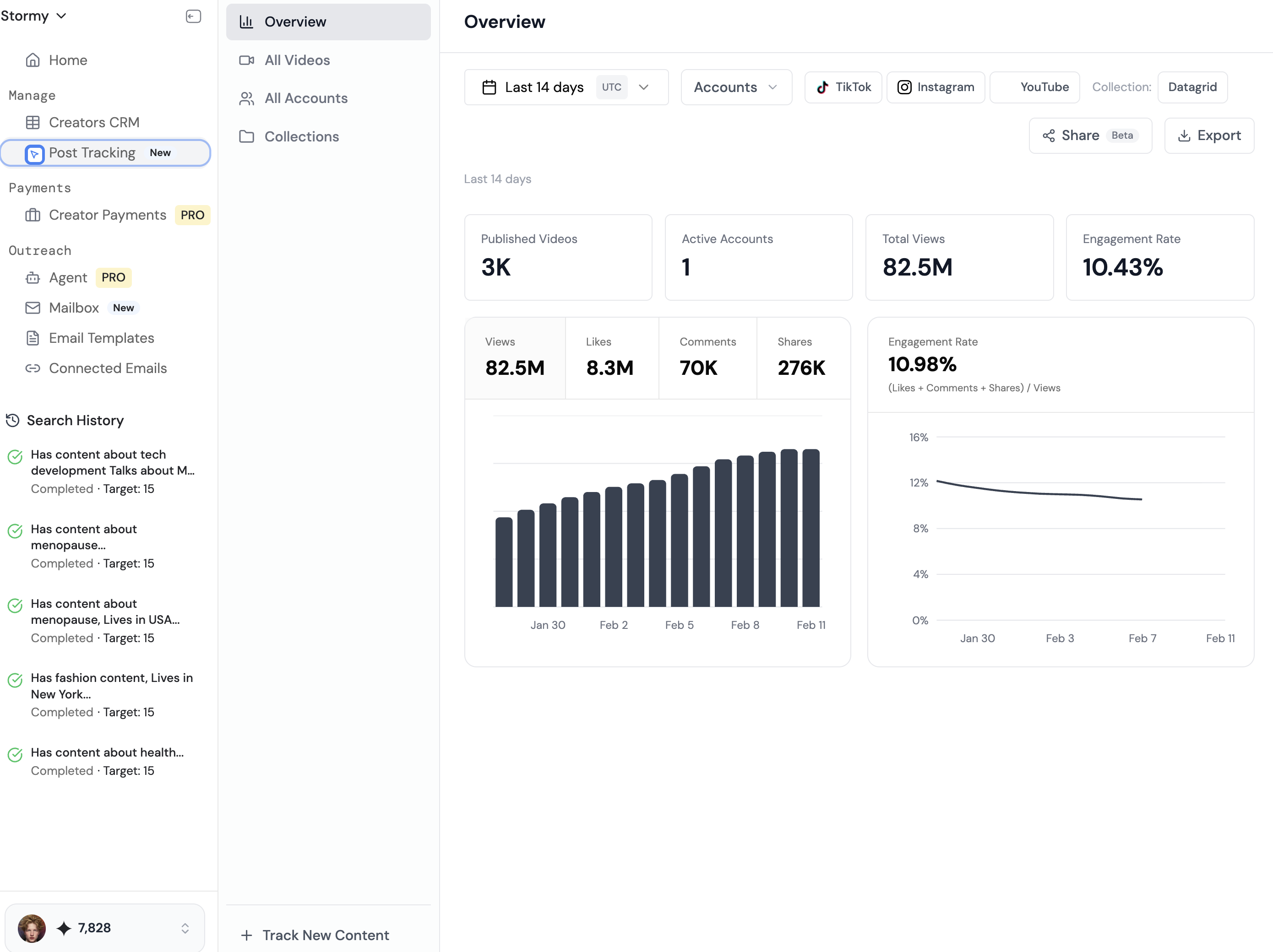
Beyond sentiment, the comment section serves as a content flywheel. By engaging with your followers, you gain valuable insights into what they actually want. You see their pain points in real-time. If you don't engage with your viewers, there is no way you are building a community. You are simply shouting into a void. For brands looking to scale this discovery of what works, platforms like Stormy AI offer post-tracking and analytics tools that allow you to monitor which content is sparking the most genuine dialogue, helping you identify which creators are truly engaging their base versus those who just have high (but hollow) numbers.
Conducting Social Listening to Find Pain Points
Social listening is the process of monitoring digital conversations to understand what customers are saying about a brand or industry. In the context of community building for influencers, it means looking for the specific problems your audience is trying to solve. When Thomas Frank noticed his audience was struggling with Notion, he didn't just make more videos—he built Notion templates that solved those exact problems.
This is where your social media engagement strategy meets product development. By listening to feedback and implementing it, you build a product that people actually want to use daily. The key is to create a product that becomes a routine. Much like people check Instagram or Netflix daily, your community-based product should provide ongoing value that keeps members coming back.
Charging the "Trust Battery" with Free Education
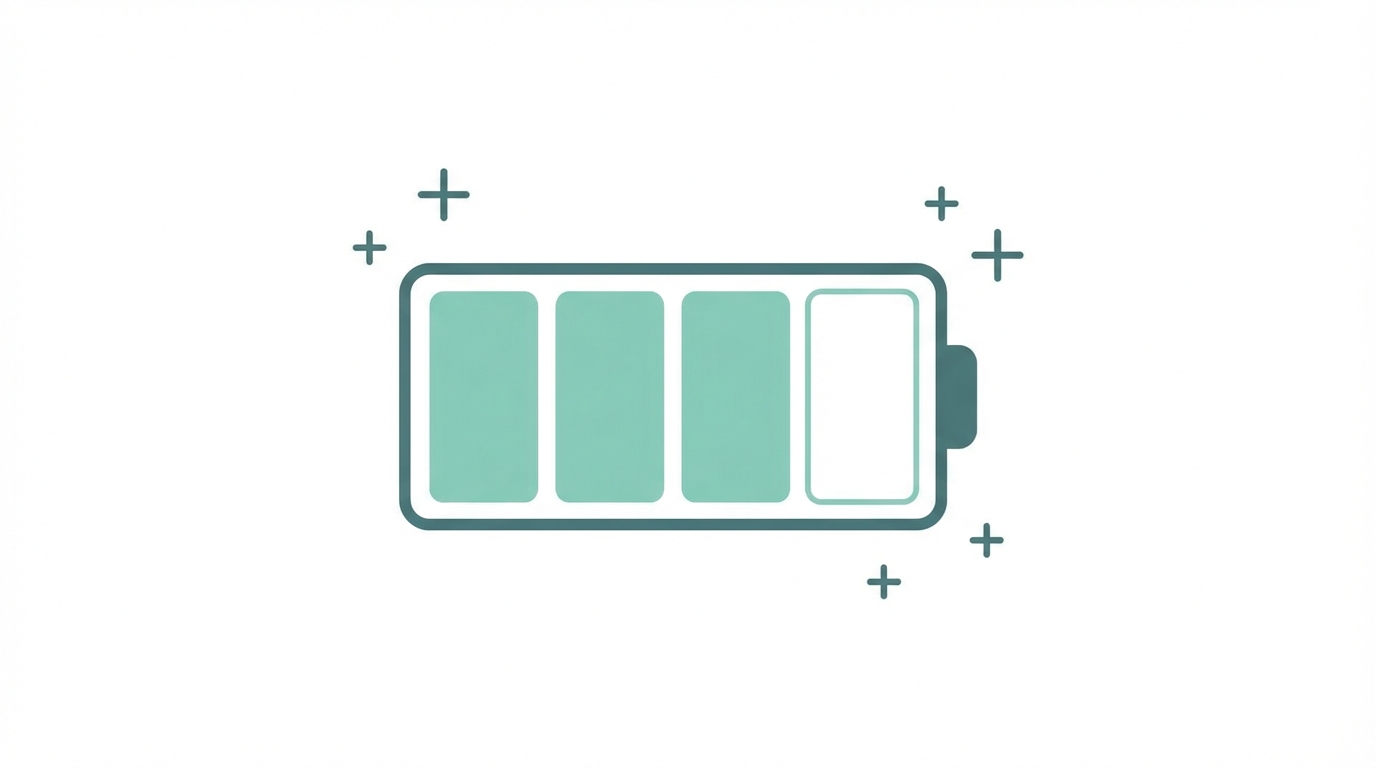
Tobi Lütke, the founder of Shopify, popularized the concept of the "Trust Battery" in a famous interview with Farnam Street. Every interaction you have with your community either charges or drains this battery. If you consistently provide free tutorials, how-to guides, and valuable insights, your trust battery goes way up. If you only reach out to sell products or ignore your audience's needs, the battery drains.
Building "Mega Trust" involves providing so much value for free that a product launch feels like a natural extension of the relationship rather than a sales pitch. When your battery is fully charged, you don't need to spend thousands on Google Ads or Meta Ads to rent attention. Your community already trusts you enough to buy whatever you build next. For creators and brands managing multiple partnerships, using a tool like the Creator CRM within Stormy AI can help track these relationship stages, ensuring you are consistently charging the battery with every influencer you collaborate with.
The Playbook: From Dialogue to Monetization
Monetizing a community is the final stage of the ACP funnel, but it must be handled with care to avoid draining the trust you've built. Here is a clear playbook for converting community engagement into a thriving business:
Step 1: Go Deep, Not Wide
Focus on a specific niche. Become the go-to authority for a particular problem or interest. This makes your audience discovery much more effective as you attract high-intent followers.
Step 2: Create a Two-Way Street
Use the comment section and social media platforms to foster dialogue. Ask questions, run polls, and respond to as many people as possible. This moves you from 'broadcasting' to 'community building.'
Step 3: Conduct Social Listening
Identify the recurring pain points in your community. Use these insights to guide your content and your future product roadmap. Look for problems that your audience is already trying (and failing) to solve.
Step 4: Charge the Trust Battery
Provide free education. Create how-to guides and tutorials that help your community achieve their goals. This builds the "Mega Trust" required for a successful launch.
Step 5: Launch a Routine-Based Product
Develop a product that solves a primary pain point and fits into your audience's daily or weekly routine. Whether it's a template, a course, or a physical tool, it should supercharge the community experience.
Conclusion: The Future is Community
Building a successful business in the creator economy doesn't require venture capital or a massive advertising budget. It requires a shift in focus from transactional attention to communal trust. By following the ACP funnel and prioritizing the trust battery, you can create a sustainable income stream that survives market volatility.
Remember, your audience is not just a collection of data points; they are a group of people looking for connection and solutions. If you treat your platform like an apartment building rather than a hotel, you will build a business that not only blows your mind but also provides lasting value to your community. To learn more about mastering these frameworks, you can explore resources like the Community College or start implementing these strategies on your own platforms today.