For years, the standard approach to digital growth was simple: build a product, run some ads, and hire a community manager to moderate the comments. But in 2024, that model is breaking. Startups and brands are realizing that a passive group of followers isn't a community—it's just a crowd. To build a sustainable digital moat, you need to shift your focus from community management to community design. This playbook explores how to move beyond sleepy engagement points and create high-engagement rituals that turn a casual audience into a vertical social network.
The Fundamental Difference: Community Management vs. Community Design
Most companies hire a community manager once things get messy. The manager’s job is reactive: delete spam, answer customer support tickets, and maybe post a "Happy Monday" graphic. This is management, and while necessary, it doesn’t drive growth or retention. Community design, on the other hand, is a proactive discipline. A community designer is part product manager, part designer, and part community builder. They don't just moderate the conversation; they build the architecture that makes the conversation inevitable.
As Late Checkout founder Greg Isenberg often points out, a community designer asks: "What can I build that brings people back on a daily basis?" They are looking at email flows, bot integrations, and channel structures to create a self-sustaining ecosystem. Instead of manually pushing content, the designer creates systems where members provide value to each other. This shift is the secret to moving from a low-traction group to a high-growth platform with strong retention metrics for social platforms.
How to Audit Your Community Channels to Identify 'Sleepy' Engagement Points
Before you can design for high engagement, you must identify where your current strategy is failing. A "sleepy" community is one where the ratio of active users to total members is plummeting. You might have 3,000 members in a Discord or Facebook Group, but if only 10 people are talking, you have a design flaw, not a member problem. Start by looking at your retention metrics—are people returning daily, or do they join and never come back?
To perform a thorough audit, examine your "Top of Funnel" vs. "Community Experience." Many founders spend too much time on TikTok or Twitter building an audience (the top of the funnel) without having a place for that audience to actually live (the community). If your members feel like they are just shouting into a void, they will churn. Look for channels with zero replies, high exit rates on your landing pages, and low open rates on your community newsletters. These are your sleepy points.
Step-by-Step Guide to Designing 'Habit Rituals' for Daily Retention
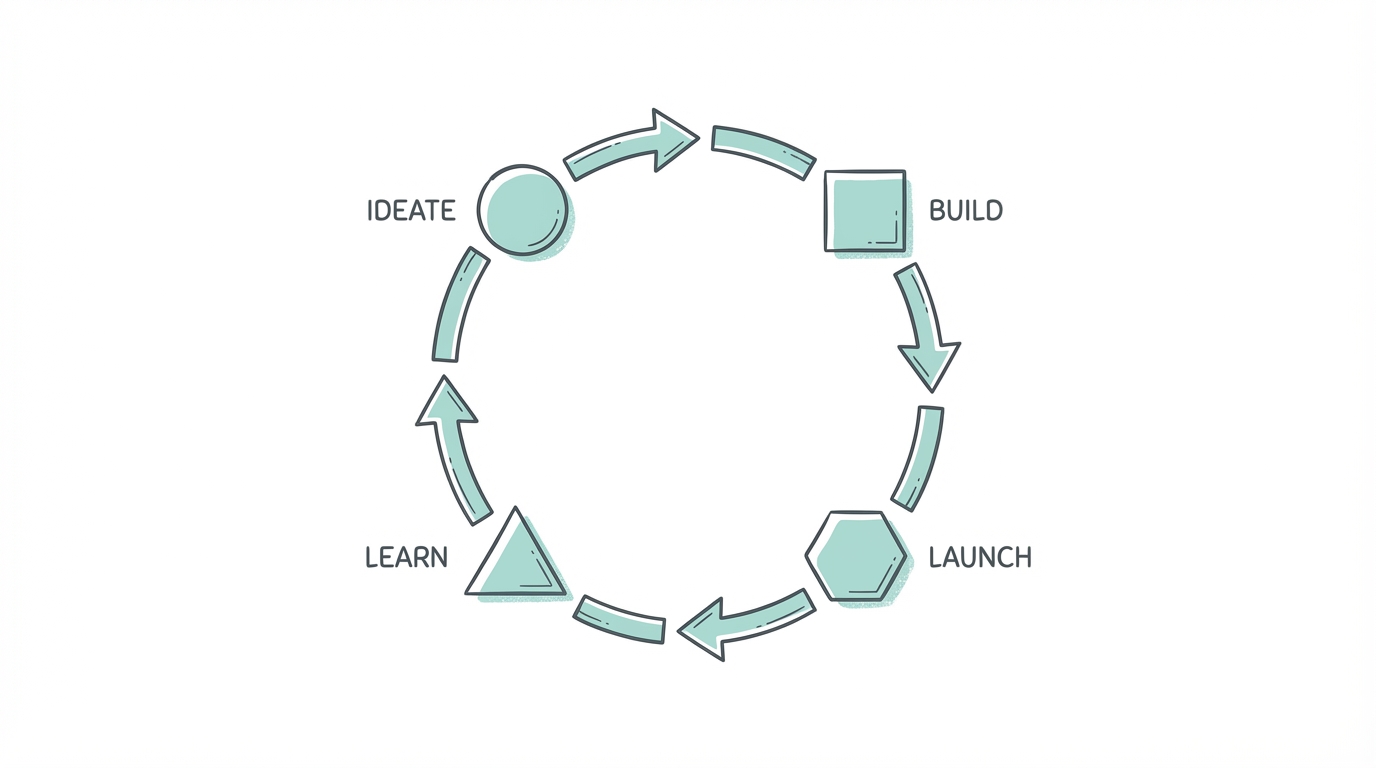

The goal of community design is to create habit rituals—actions that members perform instinctively. Think of how Reddit users check their favorite subreddits first thing in the morning. To build this in your own community, follow these steps:
Step 1: Identify the Daily Value
What is the one thing your members need every day? If it's a fitness community like Jimrat, it might be a daily workout prompt. If it's a FIRE (Financial Independence, Retire Early) community, it might be a daily market update. The value must be frequent enough to justify a daily visit.
Step 2: Create a Prompt or Bot
Don't rely on users to remember to check in. Use community design tools to automate the ritual. This could be a Discord bot that asks for a "daily win" at 9 AM, or an automated email that highlights the most important discussion of the last 24 hours. Tools like Black Magic for Twitter can even help you track how your rituals are landing with your power users.
Step 3: Reward Participation
Rituals stick when they are rewarded. This doesn't have to be monetary. It can be status, access, or recognition. High-engagement communities often use leaderboards or "member of the month" spotlights to reinforce the habit. In the world of Web3, this might involve sourcing UGC creators to showcase the community's best work, which builds both social proof and retention.
Unbundling Reddit and Facebook: Identifying Your Niche Vertical Social Network
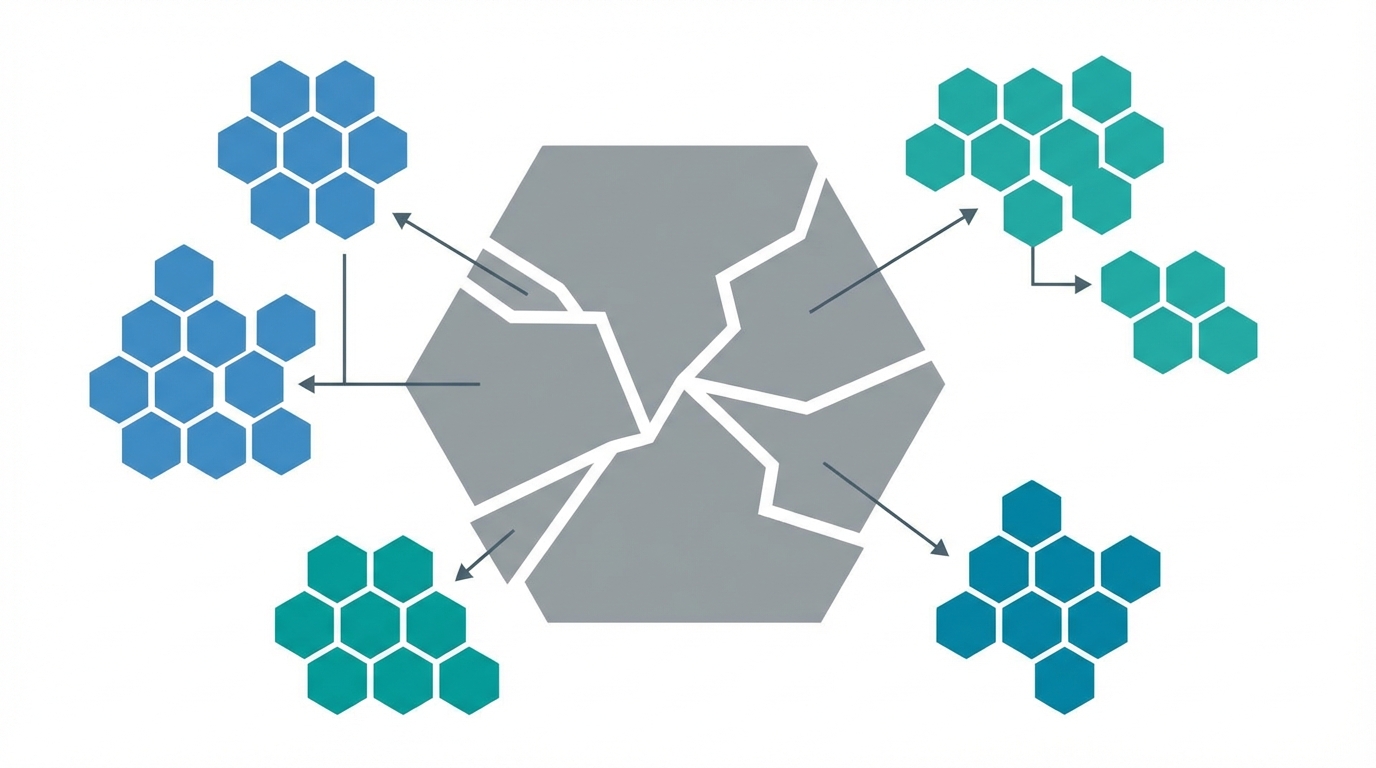
Horizontal social networks like Facebook and Reddit are too broad. They try to be everything to everyone, which leaves an opening for vertical social networks. The "unbundling" strategy involves taking a specific niche—like plant-based fitness or crypto-native designers—and building a dedicated experience for them.
When you unbundle a subreddit, you aren't just moving the conversation; you are designing a product specifically for that group's "Jobs-to-be-Done." For example, a generic fitness group on Facebook might just be a place to post selfies. But a vertical social network for marathon runners could include integrated race tracking, shoe reviews, and training schedules. By focusing on a narrow niche, you can charge for access or services, turning a simple group into a sustainable business. If you're managing a growing list of creators within these niches, tools like Stormy AI can act as a creator CRM to track these high-value relationships and collaborations.
The 'Shiny Object' Strategy: Converting Traffic with Free Tools
One of the most effective online community engagement strategies is the "Shiny Object" strategy. This involves creating a free, high-value tool—like a calculator, template, or checklist—that captures attention and brings users into your ecosystem. For the FIRE community, this might be a Net Worth Calculator. For a marketing community, it could be a lead magnet like a Thread Hook Generator.
These shiny objects serve two purposes. First, they act as top-of-funnel magnets that people naturally want to share on LinkedIn or Twitter. Second, they provide an immediate "aha moment" that proves your community's value before the user even joins. Once they've used your tool and seen the value, they are much more likely to convert into a long-term community member. This is how you build an audience of 500,000 followers in record time, as seen on platforms like TikTok when creators lead with value rather than a sales pitch.
Measuring Success: Beyond Vanity Metrics

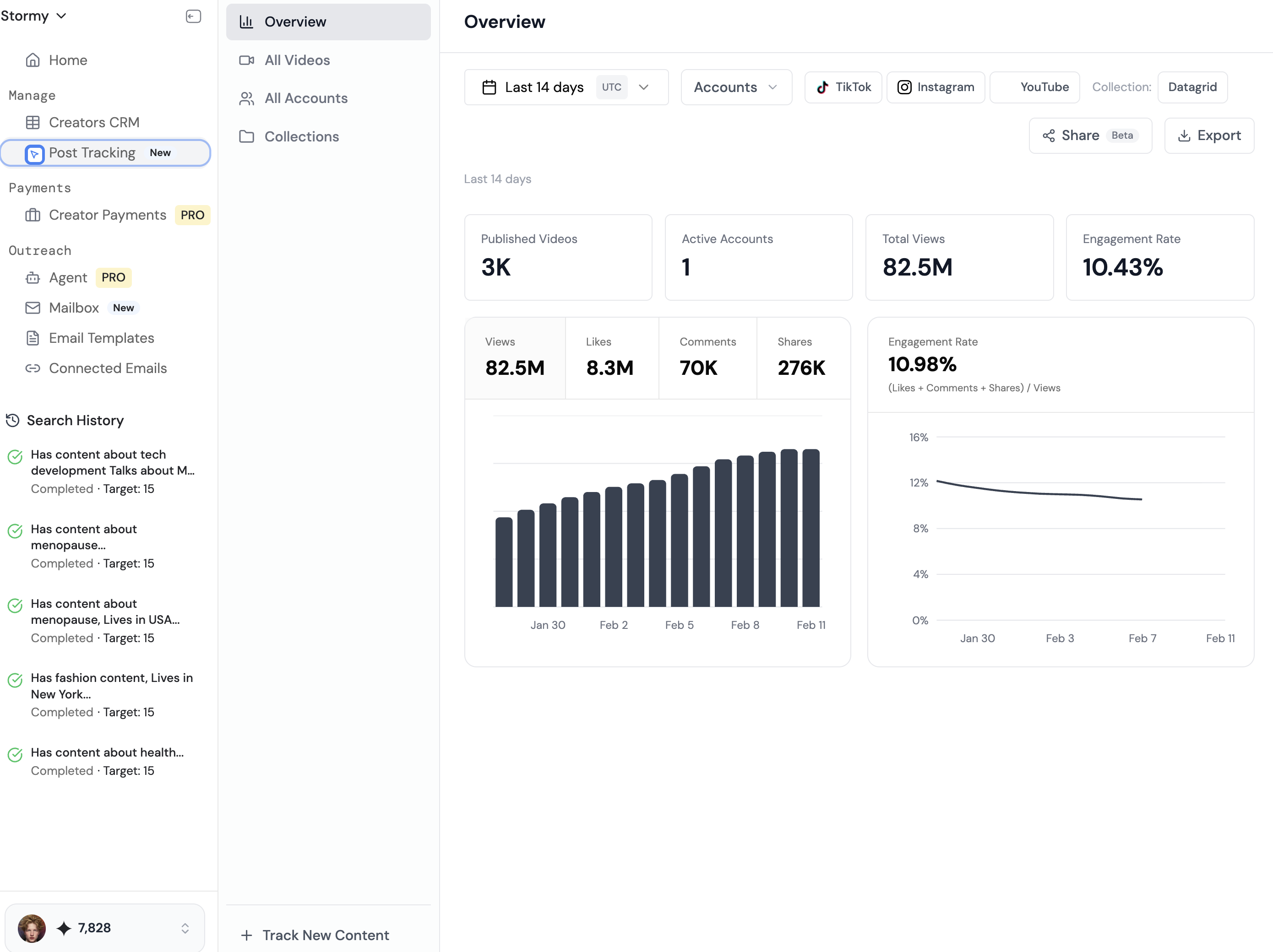
In community design, member count is a vanity metric. What matters is retention and depth of engagement. If you are building a community-based product, you need to track how many people are returning daily (DAU) versus monthly (MAU). A healthy community should have a high DAU/MAU ratio, indicating that the rituals you've designed are working.
Don't be afraid of slow growth. It is better to have 100 people who are obsessed with your community than 10,000 people who never log in. If your retention is high, your product-market fit is likely strong, and the growth will follow naturally. Aim for at least 18-24 months of runway to allow your rituals time to take root. Building a digital community is a long game—many of the most successful projects today, from The Room Where It Happens to tokenized DAOs, spent years in the "quiet phase" before exploding into the mainstream.
Conclusion: Building Your Digital Moat
In an era of AI-generated content and infinite noise, community is the only true moat. By moving from community management to community design, you stop fighting for attention and start building an environment where attention is given freely. Focus on designing daily habit rituals, unbundling broad platforms into vertical niches, and using shiny objects to provide instant value. If you can make your members feel like they are part of something immersive and rewarding, you won't just build a group—you'll build a movement. Start auditing your channels today and identify where you can replace a sleepy interaction with a high-engagement ritual.