In the hyper-competitive mobile landscape of 2026, the distance between a viral hit and a sustainable business is measured in conversion percentages. Most founders chase millions of views on TikTok, only to find that high-volume traffic often leads to low-intent users who never open their wallets. Coconote, an AI-powered note-taker for students, proved that the real growth engine isn't just the 'top of the funnel'—it's a rigorous approach to mobile app conversion rate 2026 strategies. By the time founders Brett Bauman and Zach Huang exited to Quizlet in mid-2026, they had built a lean machine generating $6.7M ARR with a team of just four engineers.
The secret to their 18-month journey from launch to acquisition wasn't just luck; it was a series of counter-intuitive experiments focused on app onboarding optimization and strategic paywall placement. Using Superwall to run continuous A/B tests, the team discovered that doing the 'wrong' thing—like making onboarding twice as long—actually yielded the highest revenue gains. This article breaks down the exact playbook they used to scale Coconote into a monetization powerhouse.
The Longer Onboarding Paradox: Why 13+ Screens Increased Conversion
 31:05
31:05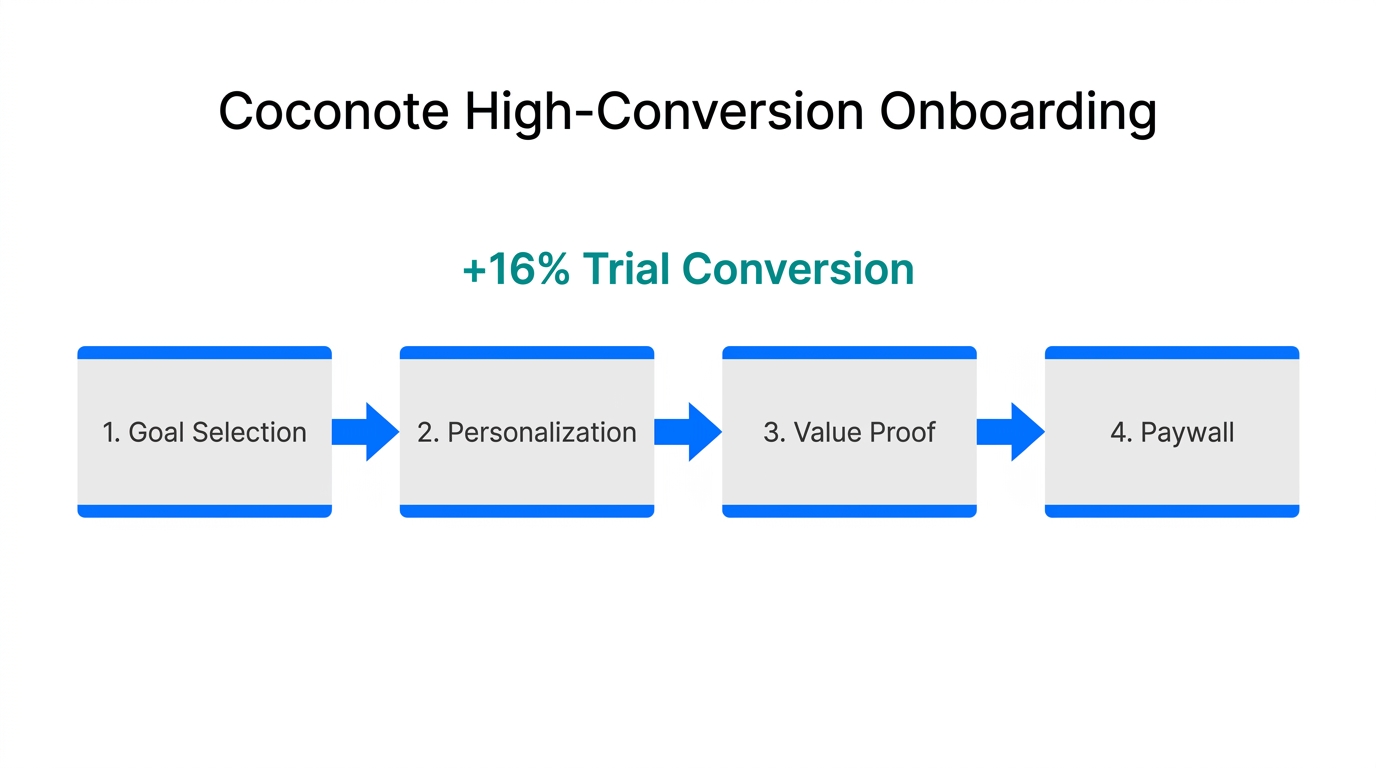
For years, the conventional wisdom in UX design was to 'reduce friction' at all costs. Founders were told to get users to the 'aha moment' in as few clicks as possible. However, in 2026, consumer psychology has shifted. Users don't just want speed; they want personalization. When Coconote increased their onboarding flow from five screens to over 13, their trial conversion rates spiked by 16%.
This 'Longer Onboarding Paradox' works because it builds psychological investment. By asking users about their study habits, their specific majors, and their learning goals, Coconote made the app feel tailor-made for the individual. Each screen was an opportunity to reaffirm the value proposition before finally presenting the offer. In the age of AI, users expect a tool to 'understand' them before they are willing to pay for it.
"We doubled the length of our onboarding to about 13 screens and that really helped with our initial trial conversion—it went up 16%."
Strategic Friction: Moving the Paywall Before the Login Screen
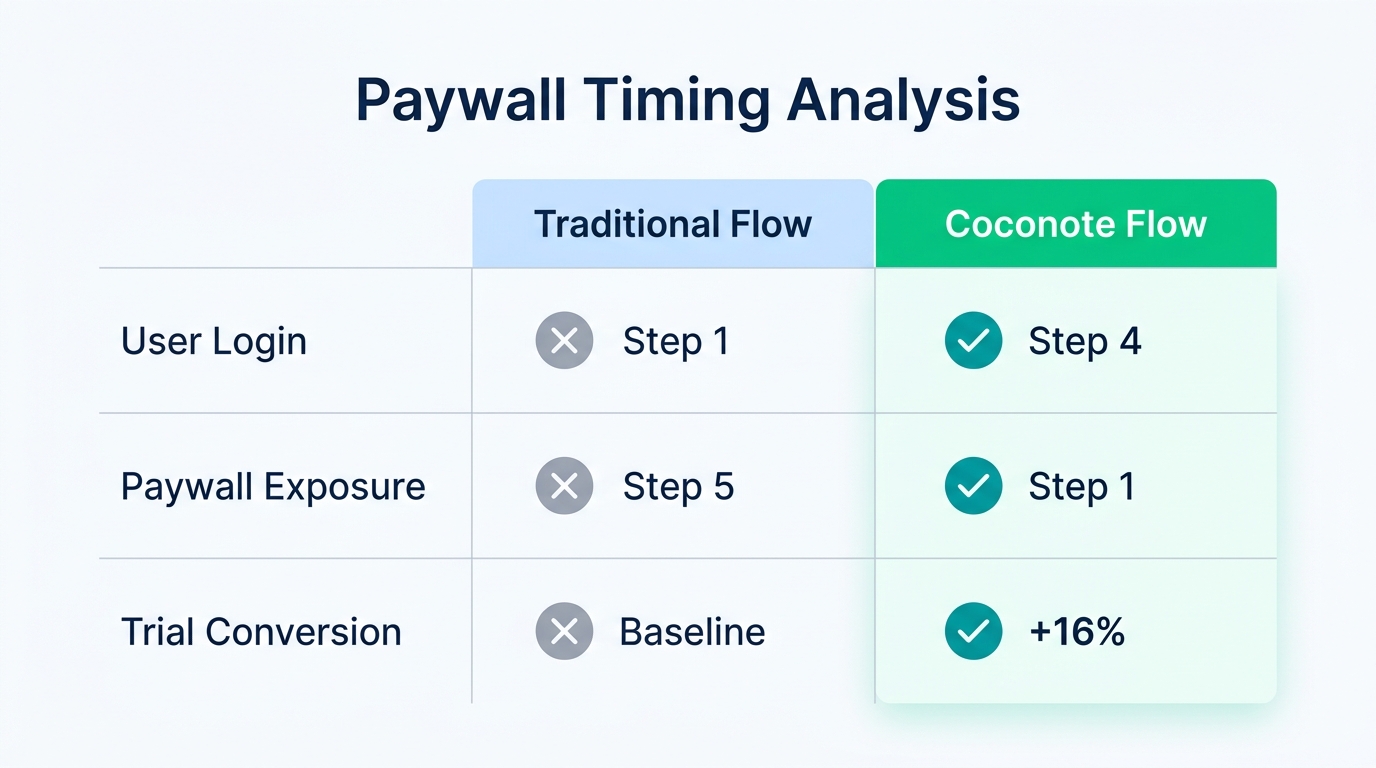
One of the most significant Superwall implementation guide takeaways from Coconote's success was the decision to place the paywall before the account creation screen. Traditionally, apps ask users to sign up via Meta or Apple login before showing a price. Coconote flipped this script.
By showing the paywall immediately after the value-building onboarding screens, they captured the user's intent at its peak. If a user is convinced of the value, they are ready to start a trial. Forcing them to navigate a 'Sign Up with Google' flow first often leads to a drop-off in momentum. With Superwall, the team was able to process trial starts before the user even had a registered account, removing one of the biggest roadblocks in the conversion funnel.
| Strategy | Old Approach | Coconote Approach (2026) | Result |
|---|---|---|---|
| Onboarding Length | 3-5 Quick Screens | 13+ Personalized Screens | +16% Conversion |
| Paywall Placement | After Login/Sign-up | Before Account Creation | Reduced Friction |
| Trial Extension | Let them cancel | Offer 7-day Extension | 27% Saved Users |
The Power of 'User Investment': Post-Recording Paywalls
Coconote's core feature is recording lectures and generating AI summaries. In early versions, they might have asked for a subscription up-front. However, they found massive success by allowing the user to perform the core action first. A student could record an entire 60-minute lecture, watch the wave animation, and see the app 'working' for them.
Only after the recording was finished—when the user was most invested and eager to see the result—did the paywall appear. At this point, the user has already spent an hour of their life using the tool. The sunk cost of that hour makes the trial start feel like a logical next step rather than an interruption. This is a masterclass in paywall A/B testing: identifying the exact moment when the user's perceived value of the output outweighs the 'pain' of starting a subscription.
"You want people to be as invested in what they're doing as they can be before you ask them to pay... letting them record an entire lecture before showing the paywall was a big win."
The 27% Save: An Anti-Churn Playbook for 2026
34:05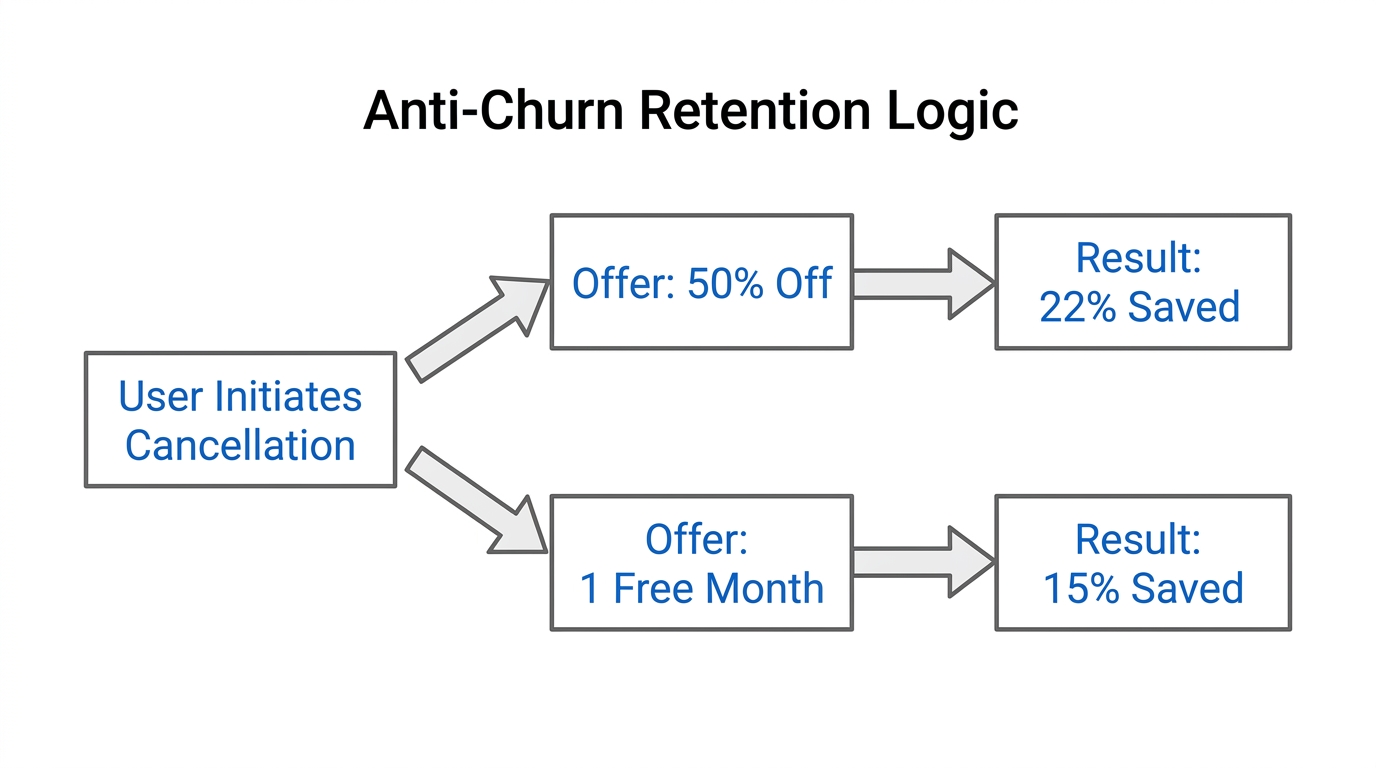
Getting a user to start a trial is only half the battle; keeping them is where the real $6.7M ARR is built. Churn is the silent killer of mobile apps, but Coconote found a way to reduce app churn by 27% using a simple trial extension tactic. When a user enters the 'Cancel Subscription' flow in the app settings, Coconote doesn't just let them go.
Instead, they trigger a Superwall-powered screen offering a 7-day trial extension. Many users cancel trials because they simply haven't had enough time to test the product during a busy week. By granting an extra week for free, Coconote saves over a quarter of users who intended to quit. This tactic is especially effective for educational apps where study cycles (exams, midterms) might not perfectly align with a standard 3-day or 7-day trial period.
Building the 'Navy SEALs' of UGC Marketing
17:42Coconote's growth was fueled by organic social media, but they didn't rely on traditional influencers. Founders Brett and Zach built a team of 10-12 part-time marketers who understood the product deeply. They called this their 'Navy SEALs' team—small, elite, and focused on high-intent conversion rather than raw view counts.
While some of their videos, like the 'PDF to Brainrot' trend, generated 40 million views, those videos actually converted poorly because they attracted 'low-intent' traffic. The videos that drove the most revenue were 'shock hooks' followed by clear product demos in actual lecture halls. To scale this, apps in 2026 need tools to find these undiscovered marketing talents. Platforms like Stormy AI allow founders to search for creators based on specific niches and engagement quality, ensuring you're hiring 'Navy SEALs' who can actually sell, not just influencers chasing likes.
A/B Testing Frameworks for 2026 Mobile Apps
In 2026, you cannot guess your way to a million-dollar app. You must test. The Coconote team recommends a high-velocity testing framework. Instead of changing one button color at a time, they recommend testing big swings. Change the entire onboarding flow, move the paywall to a completely different part of the user journey, or test a 'lifetime' offer against a 'monthly' subscription.
Using Superwall alongside a robust Creator CRM or data warehouse allows you to see the long-term impact of these tests. Does a longer onboarding lead to better Day-30 retention? Does moving the paywall before login increase LTV? These are the questions that separate the top 1% of apps from the rest. When you find a winning creator on a platform like Stormy AI, you should immediately feed that creative into your paywall backgrounds to maintain ad-to-paywall congruency.
"We'd rather have 10 million views on a video that converts well because it's actually targeting our target audience than 40 million views that drive low-intent traffic."
Conclusion: The Future of AI App Monetization
51:41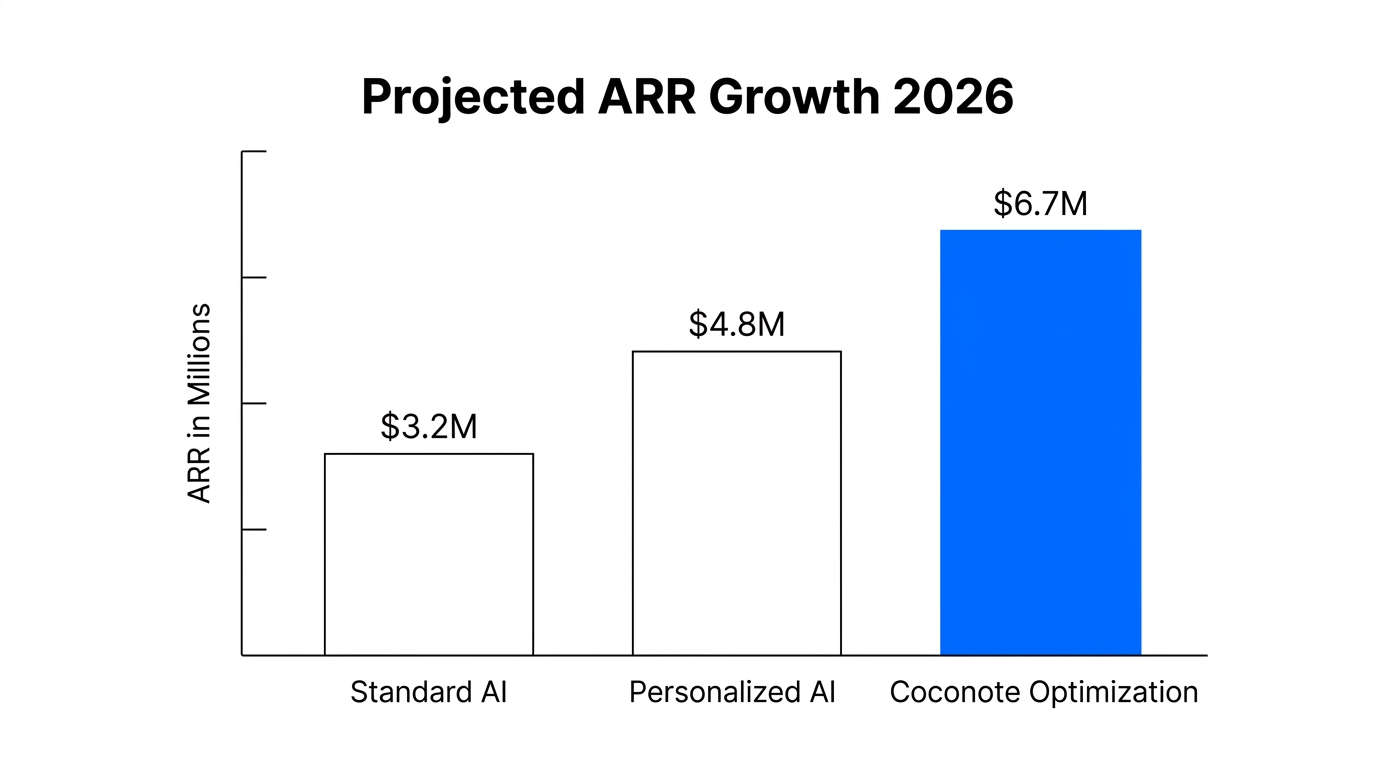
Coconote's 18-month journey to a Quizlet acquisition is a blueprint for the modern 'lean' founder. By focusing on app onboarding optimization, strategic paywall timing, and a aggressive anti-churn playbook, they proved that a small team can out-execute giant corporations. As we move further into 2026, the barriers to building software are lower than ever, meaning the real moat is no longer the code—it's how well you convert and retain your users.
If you are building a mobile app today, start by auditing your onboarding. Are you building enough investment? Are you asking for payment at the peak of the 'wow' moment? And most importantly, are you testing your assumptions? Tools like Superwall for paywalls and Stormy AI for creator discovery are no longer optional—they are the essential stack for any founder aiming for a 7-figure exit in 2026.