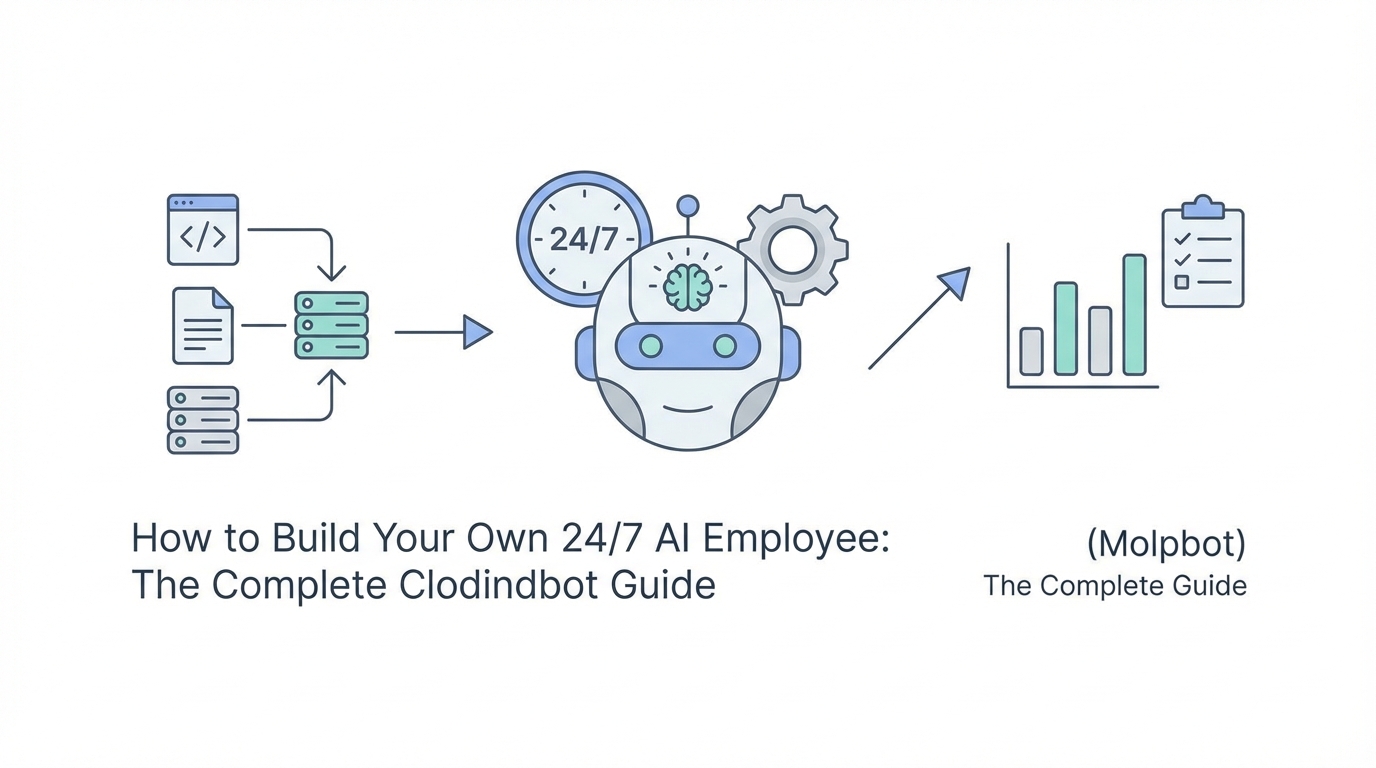
Imagine waking up to find that your business has improved while you were asleep. Not because you hired a costly agency or a frantic offshore team, but because your autonomous AI agent identified a trending market opportunity, built a new feature for your software, and submitted a pull request for your review. This isn't a futuristic daydream; it is the reality of the AI employee. For solopreneurs and founders, the transition from reactive chatbots to proactive agents is the single greatest leverage point in the modern economy. By utilizing tools like Molpbot (formerly Clodbot), you can move beyond simple Q&A and into the realm of 24/7 digital operations that actually ship code, conduct research, and grow your brand.
Defining the AI Employee: Proactive vs. Reactive Agents

To understand why Molpbot is causing such a stir in the tech community, we first need to define what an "AI Employee" actually is. Most people use AI tools like Claude or ChatGPT as high-powered search engines. You ask a question, and it gives an answer. This is a reactive relationship. You are the bottleneck because the AI only moves when you provide a prompt. An AI employee for solopreneurs, however, operates on a proactive relationship. It has memory, it has access to your files, and most importantly, it has the autonomy to initiate tasks without your direct supervision.
When you set up AI autonomous agents, you are essentially creating a digital operator that understands your goals, monitors your business metrics on Meta Ads Manager, and hunts for "unknown unknowns." These are the opportunities you haven't even thought of yet. Instead of waiting for you to ask for a competitor analysis, a proactive agent like Molpbot might notice a rival's video performing exceptionally well on YouTube and present you with a summary of why it's trending before you've even had your morning coffee.
Molpbot Setup Guide: The One-Line Installation
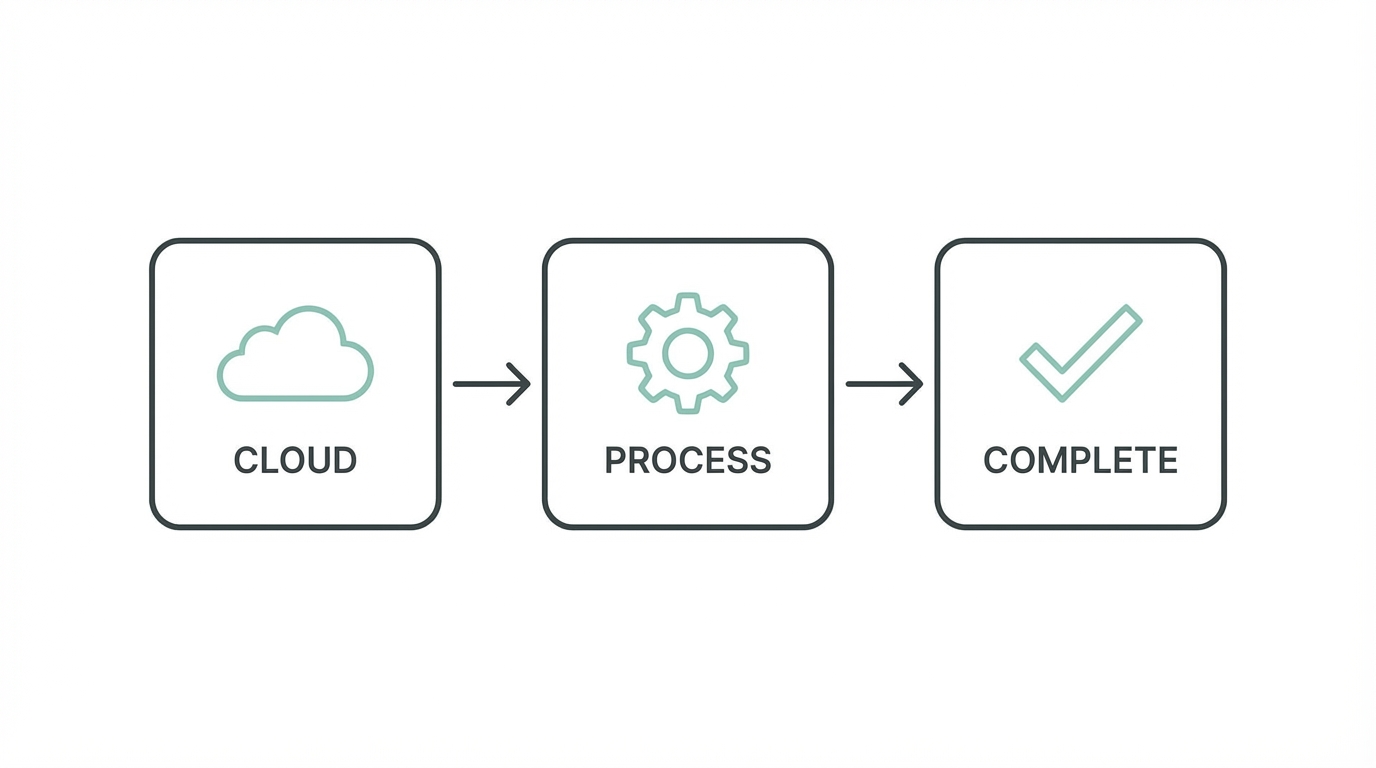
One of the biggest misconceptions about Molpbot setup is that it requires a degree in computer science. While the results feel like magic, the installation is surprisingly streamlined. The developers have reduced the complex backend of an autonomous agent into a one-line command that can be run on your local machine. This harness allows the AI to interface with your computer's file system, browser, and external APIs securely.
Step 1: Choose Your Hardware
While you can run these agents on a cloud server like Amazon AWS EC2, many power users recommend a local device. A dedicated Mac Mini or a high-end Mac Studio is often cited as the ideal "business in a box." Running the agent locally gives you full control over the environment and allows you to monitor the agent's actions in real-time. If you are just dipping your toes in, any computer with decent RAM will suffice, but as you scale your best AI agents for business, dedicated hardware becomes a massive asset for running local models and saving on API token costs.
Step 2: Run the Installation Command
To get started with your Clodbot tutorial, you simply open your terminal and paste the official installation script provided by the GitHub repository. This script handles the dependencies, sets up the Python environment, and prepares the harness for the LLM. Once installed, you will interface with your agent through a messaging app, typically Telegram, which allows you to manage your business from your phone while the agent works on your desktop.
The Power of the Onboarding Prompt: Giving Your Agent Context
An AI employee is only as good as the context it possesses. If you treat Molpbot like a stranger, it will act like one. The secret to a successful deployment lies in the onboarding prompt. This is where you download your entire business brain into the agent's memory. You should include your YouTube channel links, your SaaS product goals, your relationship status, your hobbies, and even your daily frustrations.
By providing this level of detail, the agent can connect the dots. For instance, if you mention you are a one-person startup running a newsletter, the agent can autonomously build a content repurposing skill. It understands that a tweet can become a newsletter segment, which can then become a script for a short-form video. Without this context, the agent is just a generic tool; with it, it becomes a bespoke digital partner that understands your specific voice and market niche.
When crafting your prompt, use language that sets clear expectations: "I work from the moment I wake up to the moment I go to sleep. I need an employee taking as much off my plate as possible. Please monitor my business and build things that improve our workflow." This directive tells the AI that it has permission to be creative and autonomous, rather than waiting for specific commands for every micro-task.
Developing a Proactive Relationship: Moving Beyond Chat
The goal of using AI autonomous agents is to reach a state where you are the "editor-in-chief" of your business rather than the sole laborer. This requires shifting your mindset. Instead of asking "How do I do X?", you should ask your agent, "What are the best ways for us to achieve Y, and which parts can you start on right now?"
A major breakthrough for many founders is realizing that these agents can interact with other models. For example, you can use the high-reasoning capabilities of Claude Opus as the "brain" for strategy, while using faster, more specialized models for the "muscles" of actual coding. This hybrid approach ensures you don't hit rate limits while maintaining a high quality of output. As your agent builds features—such as a new checkout workflow or a Kanban board to track its own tasks—you simply review the pull requests and approve the work.
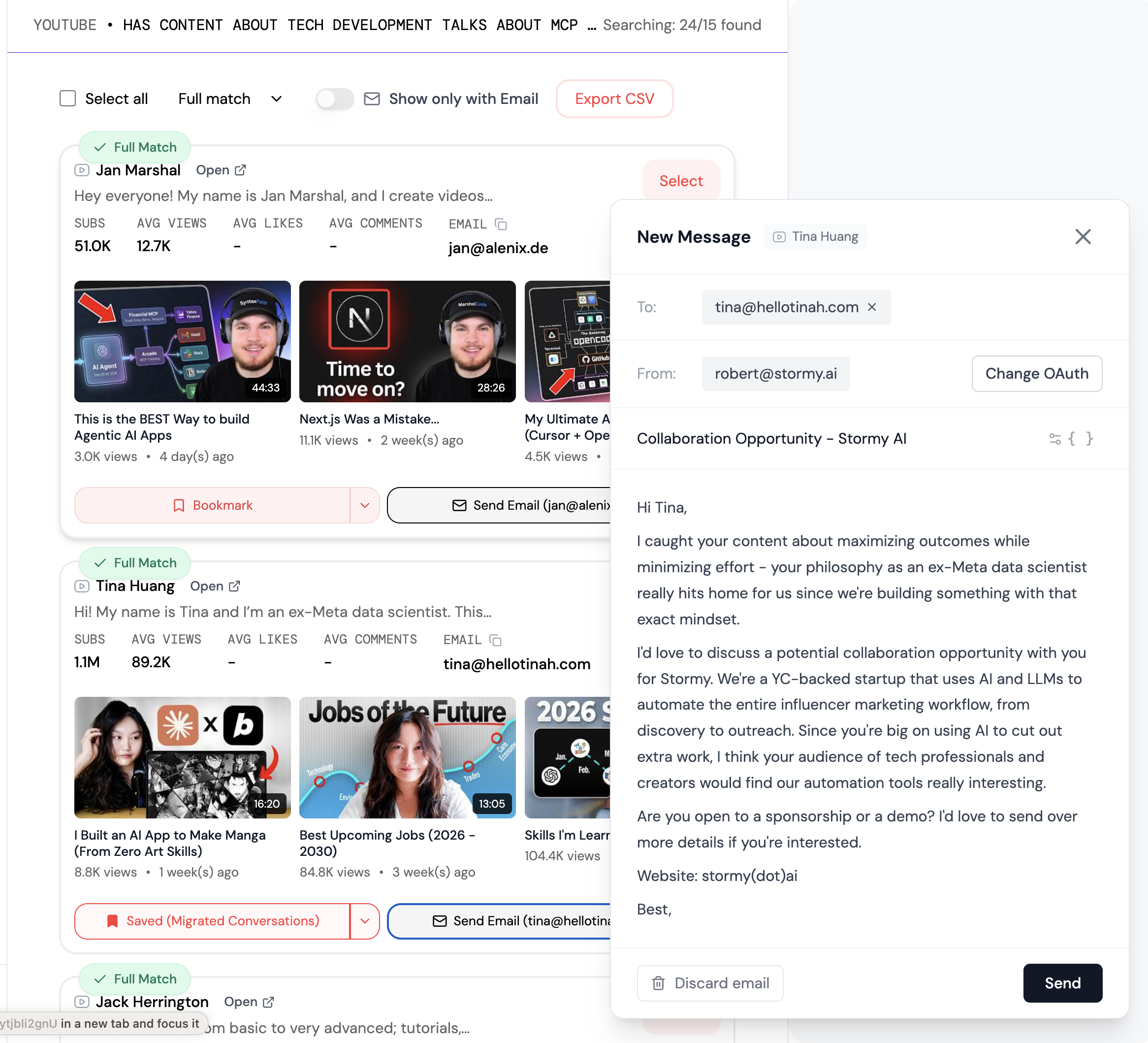
For those in the marketing space, tools like Stormy AI can help source and manage UGC creators at scale, providing the high-quality data your agent needs to analyze market trends. You can instruct your Molpbot to take the creator list you found via Stormy AI and research their highest-performing content to identify outliers that your brand can replicate. This synergy between specialized AI discovery tools and autonomous agents creates a growth engine that runs 24/7.
Creating a 'Morning Brief' Workflow
One of the most valuable workflows you can implement with your AI employee for solopreneurs is the Morning Brief. This is a scheduled report delivered to your Telegram every day at a specific time. Instead of scrolling through social media or checking 50 different tabs, your agent provides a condensed summary of what matters.
A typical Molpbot Morning Brief might include:
- Weather and Logistics: Basic context for your day.
- Competitive Analysis: Which of your competitors on YouTube or X had an "outlier" post that went viral overnight.
- Business Metrics: A summary of your conversions from Google Ads or Shopify.
- Autonomous Accomplishments: A list of tasks the agent completed while you slept, such as fixing bugs or generating new content ideas.
Risk, Safety, and Privacy in the Age of AI Agents

With great power comes significant responsibility—and risk. Because an autonomous AI agent like Molpbot has the ability to browse the web and potentially interact with your accounts, you must prioritize security. Prompt injection is a real threat; if your agent is reading every incoming email and someone sends a malicious prompt designed to trick the AI, it could theoretically leak data or perform unwanted actions.
To mitigate this, follow a "least privilege" model. Do not give your AI agent access to your primary accounts for sensitive platforms like your bank or your main X (Twitter) profile where a single bad tweet could damage your reputation. Instead, create dedicated burner accounts for the agent. For example, set up a specific email address that only receives forwarded messages you want the AI to process. As the open-source community continues to build safety frameworks on GitHub, the risks will decrease, but for now, always keep a human in the loop for final approvals and sensitive deployments.
Conclusion: The Future of Solopreneurship is Autonomous
Building a 24/7 AI employee is not just about saving time; it's about expanding your capacity to create value. By using this Molpbot setup guide, you are moving from being a "doer" to being an architect. The cost of a dedicated Mac Mini and a few API subscriptions is negligible when compared to the thousands of dollars you would spend hiring a human assistant or developer.
As you continue to tinker and refine your agent's skills, you will find that the barriers to entry for complex projects begin to vanish. Whether you are optimizing Apple Search Ads for a mobile app or managing a fleet of UGC creators, AI autonomous agents provide the muscle to scale your vision. Start small, set clear expectations, and prepare to be amazed at what your digital employee can accomplish while you sleep.