In the high-stakes world of 2026 digital marketing, traditional cold outreach has hit a brick wall. Gatekeepers are more fortified than ever, and the average C-suite executive receives hundreds of AI-generated pitches daily. Yet, two roommates—Henry and Dylan—managed to scale Clip.co to a $2 million annual run rate by doing the exact opposite of what the gurus suggest. They didn't send emails; they squatted on their targets' digital real estate.
By leveraging a high-risk, high-reward client acquisition strategy in 2026 known as "Squatter Marketing," the duo bypassed traditional sales cycles and forced their way into the inner circles of the world's most influential creators. This wasn't just luck; it was a calculated blitz that involved $40,000 in credit card debt, unauthorized high-quality assets, and a relentless commitment to "free work" that eventually landed them contracts with the likes of Will Smith, Naval Ravikant, and the All-In podcast.
The Mechanics of Squatter Marketing: Occupation Over Outreach
Two roommates reveal the core strategy they used to build a massive business.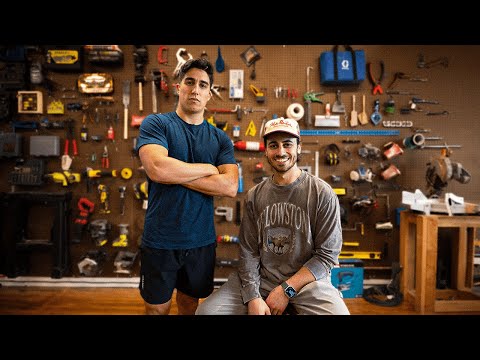
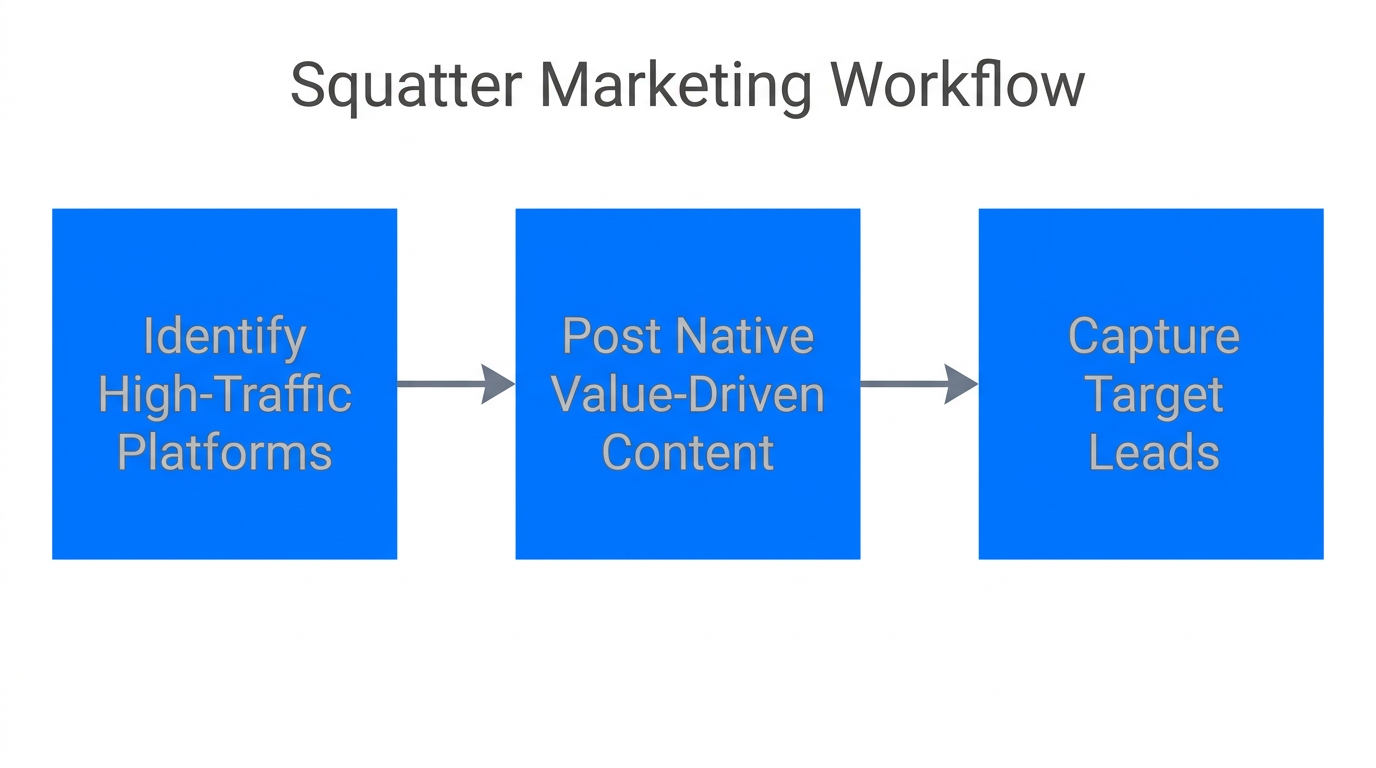
The core philosophy of Squatter Marketing is simple: Stop asking for permission to be valuable. Most agencies spend months in the discovery phase, but Clip.co realized that in the attention economy of YouTube and TikTok, showing is infinitely more powerful than telling.
Henry and Dylan began by identifying high-value targets who had massive amounts of raw content but lacked high-end execution. Their first major target was the My First Million podcast. Instead of sending a pitch deck, they forged plane tickets, told the hosts they were "arriving tomorrow," and began producing high-quality animated shorts of the podcast's best moments. They weren't just editors; they were visual storytellers who understood that humans are wired to finish stories.
"We had this strategy: we’re going to show you exactly what we’re going to do for you and then just beat you over the head with it until you pay us money."
By publishing these "unauthorized" clips, they created a scenario where the target had two choices: ignore the high-quality traffic being driven to their brand, or hire the people responsible for it. This is a guerrilla marketing tactic for agencies that prioritizes momentum over administrative friction.
The '3-Video Rule': A Systematic Blitz
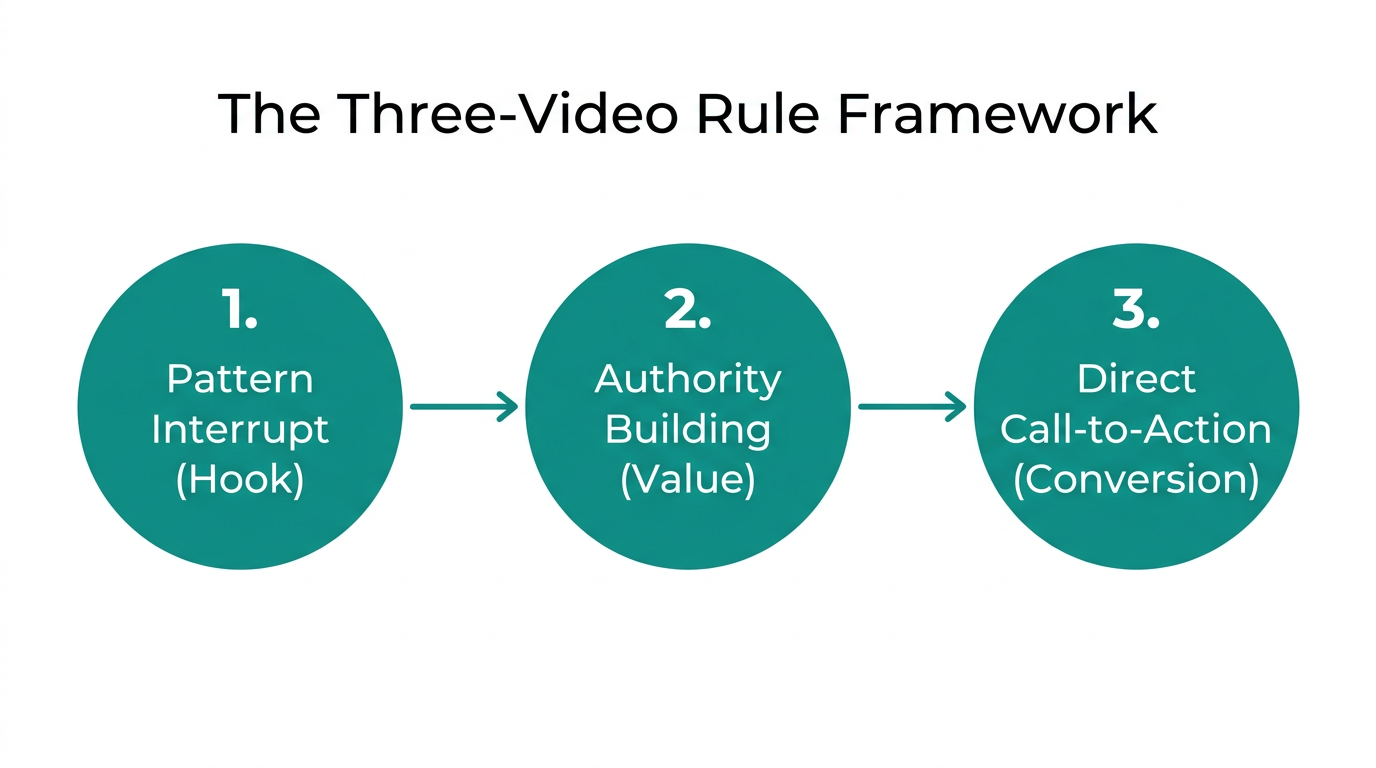
One video is a fluke. Two videos is a coincidence. Three videos is a partnership. Clip.co developed a systematic creative agency sales tactic they call the "3-Video Rule" to ensure they never faded into the background noise of social media.
| Phase | The Goal | Target Reaction |
|---|---|---|
| Video 1 | The "Wake Up" Call | "Who are these guys? This is actually good." |
| Video 2 | The Interest Spike | "They're doing it again? What's the catch?" |
| Video 3 | The Closing Blow | "How do we hire you immediately?" |
When they targeted the All-In podcast, the first video caught the attention of the hosts. By the third video, tech mogul Jason Calacanis was so impressed (and perhaps slightly annoyed by the persistence) that he essentially hired them on the spot. The 3-video rule works because it demonstrates consistency and talent density—two traits that high-net-worth clients value above all else.
Case Study: Funding the Dream with $40,000 in Debt
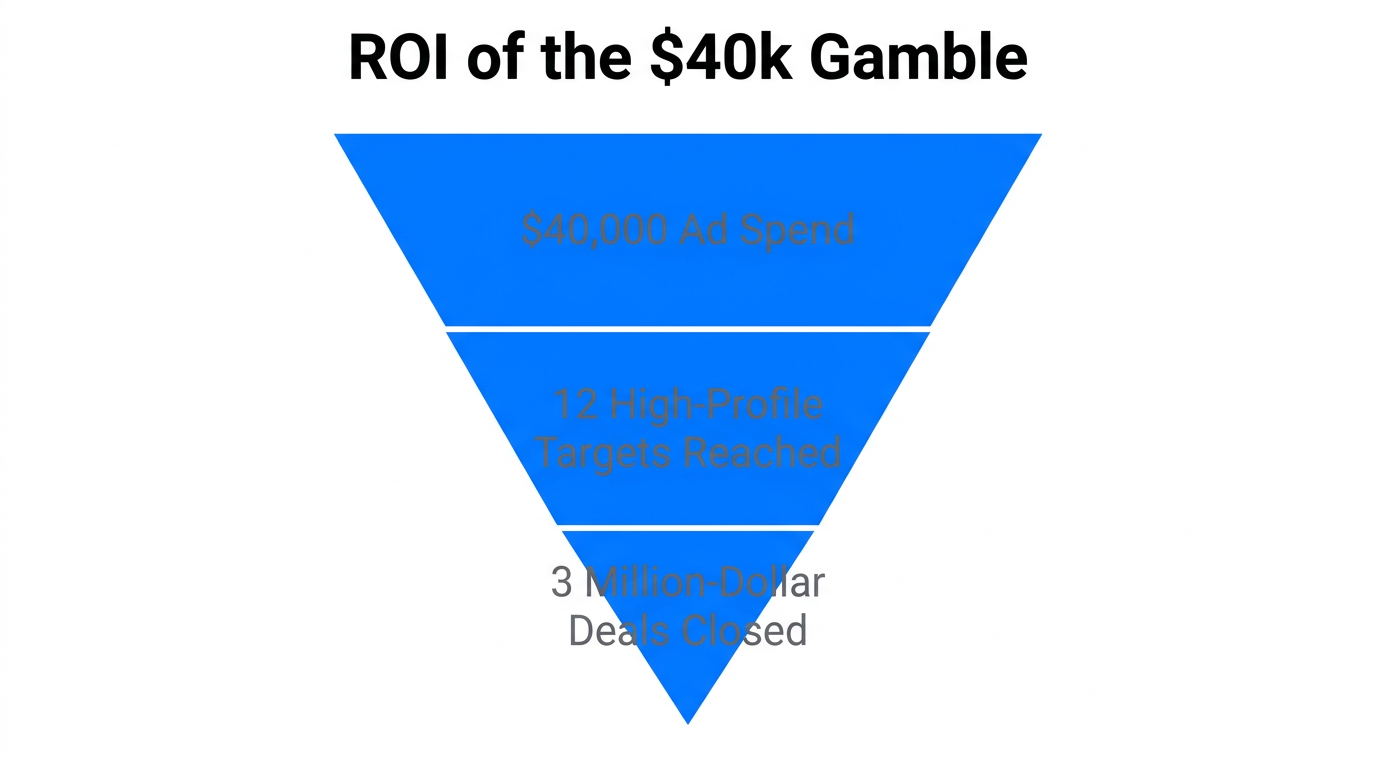
The road to 1 billion views wasn't paved with VC funding. It was paved with credit card debt. To execute Squatter Marketing at the highest level, you need a world-class team. Henry and Dylan knew they couldn't scale if they were doing the editing themselves. They turned to the Philippines, which they cite as the best place in the world for creative talent, to build a team of 50 animators.
However, quality comes at a price. At one point, the duo was $40,000 in debt, betting everything on the fact that their free work would eventually convert. They optimized for "Authority by Association." By pretending they already worked for the biggest names in the world, the rest of the market assumed they were the gold standard.
"Because they share all our stuff, everyone thinks we work with them... if the big whales want to work with them, why wouldn't we?"
This psychological hack allowed them to land clients like Will Smith and Naval Ravikant. They weren't just selling animation; they were selling the prestige of being associated with the creators they had already "squatted" on.
Leveraging 'Authority by Association' in 2026
Discover how leveraging relationships with famous personalities can boost your agency's professional reputation.In 2026, the "middle class" of the agency world is disappearing. You are either a commodity or an authority. Squatter marketing creates instant authority. When a high-ticket prospect sees your work being shared by an industry titan, the sales friction vanishes. You no longer have to prove your ROI; your portfolio has already done the heavy lifting on LinkedIn and X.
For founders looking for how to get high ticket clients, the lesson is clear: your best marketing isn't an ad campaign—it's a finished product that solves a problem the client didn't even know they had. For Clip.co, that problem was "dead air"—valuable podcast audio that wasn't being utilized for short-form video growth.
The 2026 Founder’s Playbook: The 30-Day Blitz
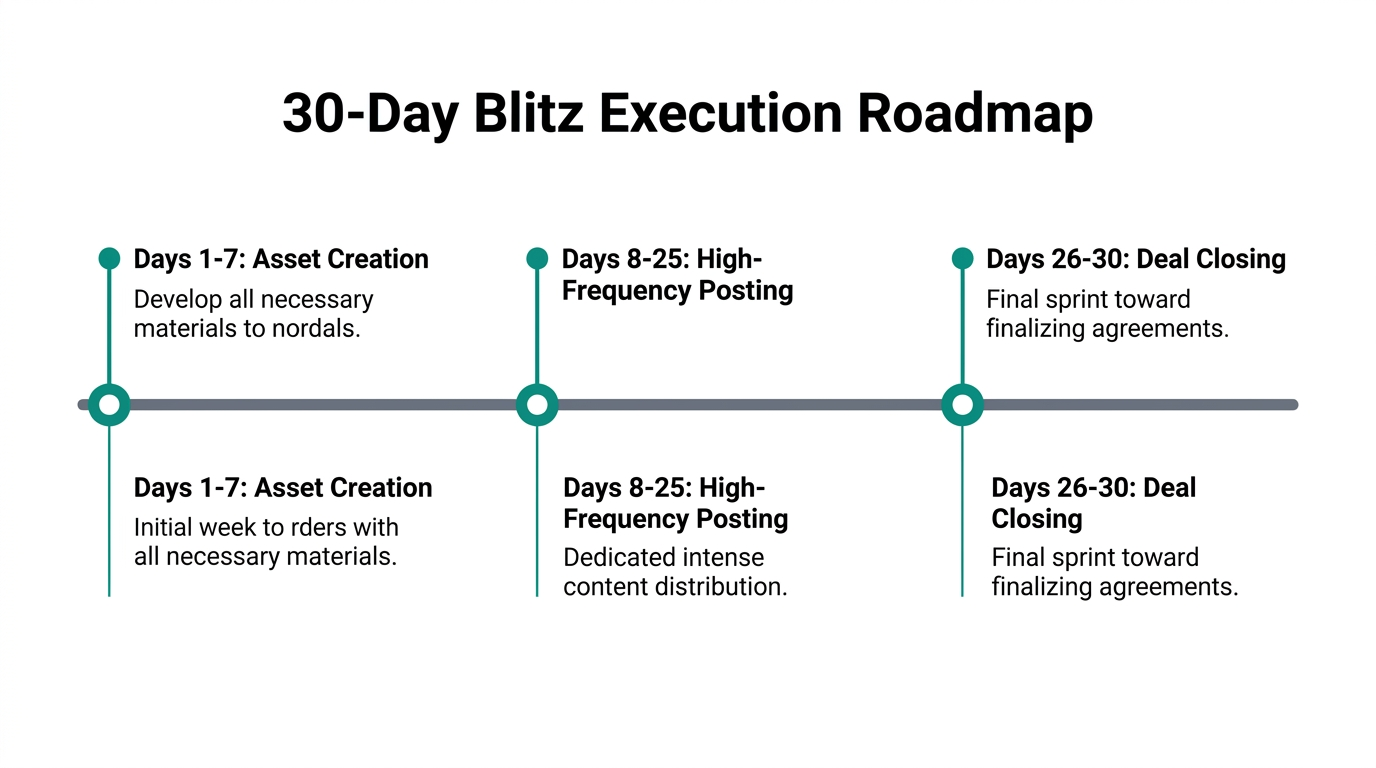
If you want to replicate the Clip.co growth trajectory, you need a rigid execution plan. Here is the 30-day playbook for executing a Squatter Marketing campaign in the current market.
Step 1: Identify Your "Whales"
Don't waste time on small fish. Use Stormy AI to discover high-authority creators in your niche with over 1 million followers but suboptimal short-form content. These are your targets.
Step 2: The Asset Production Phase
Produce three pieces of content that are better than anything the target currently has. If you are an animation studio, follow the South Park for nerds model—simplify complex ideas through humor and high-end visuals. If you are a dev agency, build a functional feature for their existing app.
Step 3: The Blitz Launch
Release the content on your own channels, tagging the target and their inner circle. Do not ask for a job. Use a "gift" mentality. Reach out to their managers or assistants on platforms like HubSpot to ensure the assets reach the right eyes.
Step 4: The Follow-Up Close
Once the target engages—whether it's a like, a retweet, or a comment—move in for the close. Offer a paid pilot that scales the work you've already done for free. By this point, the psychological principle of reciprocity is firmly on your side.
"If we create something we truly need right now, there’s probably 10 other people that need it and we can charge them a couple thousand bucks."
Building a Lifestyle-First Business in 2026
See how the creators structured their company to prioritize curiosity and personal freedom.The most surprising part of the Clip.co growth case study is that Henry and Dylan don't prioritize profit. Following the Mr. Beast Strategy, they reinvest every dollar of profit back into their creative pursuits. They use the agency as a cash-flowing machine to fund their own animated shorts and newsletters, such as Smart Nonsense.
In 2026, the ultimate flex isn't a high-margin business; it's a talent-dense business that allows the founders to remain "above the clouds." By outsourcing the day-to-day operations to their team in the Philippines using project management tools like Asana and Linear, they can focus entirely on what they love: storytelling and experimentation.
The Future of Agency Sales
The success of Clip.co proves that in 2026, the most effective client acquisition strategy is to be undeniable. Squatter Marketing is risky, it's aggressive, and it requires a level of "delusional confidence" that most founders lack. But as Henry and Dylan demonstrated, if you can bridge the gap between a great story and a high-end execution, the world's biggest clients will eventually come knocking at your door.
Stop sending pitches and start sending finished products. The era of the "ask" is over; the era of the "gift" has begun. Whether you're using Stormy AI to find your next target or maxing out a credit card to hire your first editor, the message is clear: default to action and make money 10 hours from now, not 10 years from now.