The landscape of digital advertising has shifted from a battle of budgets to a battle of algorithmic creativity. In early 2026, the primary question for growth teams is no longer whether to use artificial intelligence, but which model drives the highest return on investment. As Meta’s platforms continue to dominate the social commerce space, a clear trend has emerged: performance marketers are increasingly abandoning general-purpose assistants in favor of specialized, agentic workflows. Specifically, the debate over Claude vs ChatGPT for ads has reached a tipping point, with the industry moving toward Anthropic’s models for customer-facing creative.
The Shift to Generative AI in Meta Advertising
In the past year, generative AI has evolved from a simple writing assistant into a critical piece of Meta Ads creative strategy infrastructure. According to the Meta Newsroom, advertisers using the platform’s native AI-driven tools saw a 22% improvement in Return on Ad Spend (ROAS) in 2024. This efficiency isn't just a marginal gain; it translated to nearly $550 billion in economic activity in the U.S. alone during the same period, according to data from Meta's GenAI report.
With over 4 million advertisers now actively deploying generative text, image, and video tools as reported by Marketing Dive, the market has become saturated with "AI slop"—content that feels robotic and detached. This is where the choice of Large Language Model (LLM) becomes a competitive advantage. While ChatGPT pioneered the space, Claude has become the preferred choice for those seeking high converting ad copy AI that resonates with human emotions.
"The difference between a 1% and 3% CTR often comes down to the 'vibe' of the copy—and in 2026, Claude is winning the vibe war hands down."
Claude vs ChatGPT for Ads: Why Language Quality Matters
The core reason for the mass migration to Claude lies in its natural language processing (NLP) capabilities. A staggering 80% of marketers prefer Claude's output for customer-facing copy, such as emails and Facebook ads, because it avoids the predictable corporate patterns often found in ChatGPT. As noted by the experts at The Vibe Marketer, ChatGPT is frequently relegated to "internal" tasks—structured research, data cleaning, and reporting—while Claude is entrusted with the actual voice of the brand.
This preference is driven by Claude’s ability to mimic nuanced human conversation without the common "hallmarks" of AI, such as overuse of words like "delve," "comprehensive," or "unleash." In AI ad copywriting, the goal is to stop the scroll, not sound like a legal department. Anthropic’s commitment to a "trusted advisor" stance, as highlighted by Anthropic, makes it particularly effective for long-form Reels scripts and narrative-driven Instagram ads.
The '80% Rule' in AI Advertising
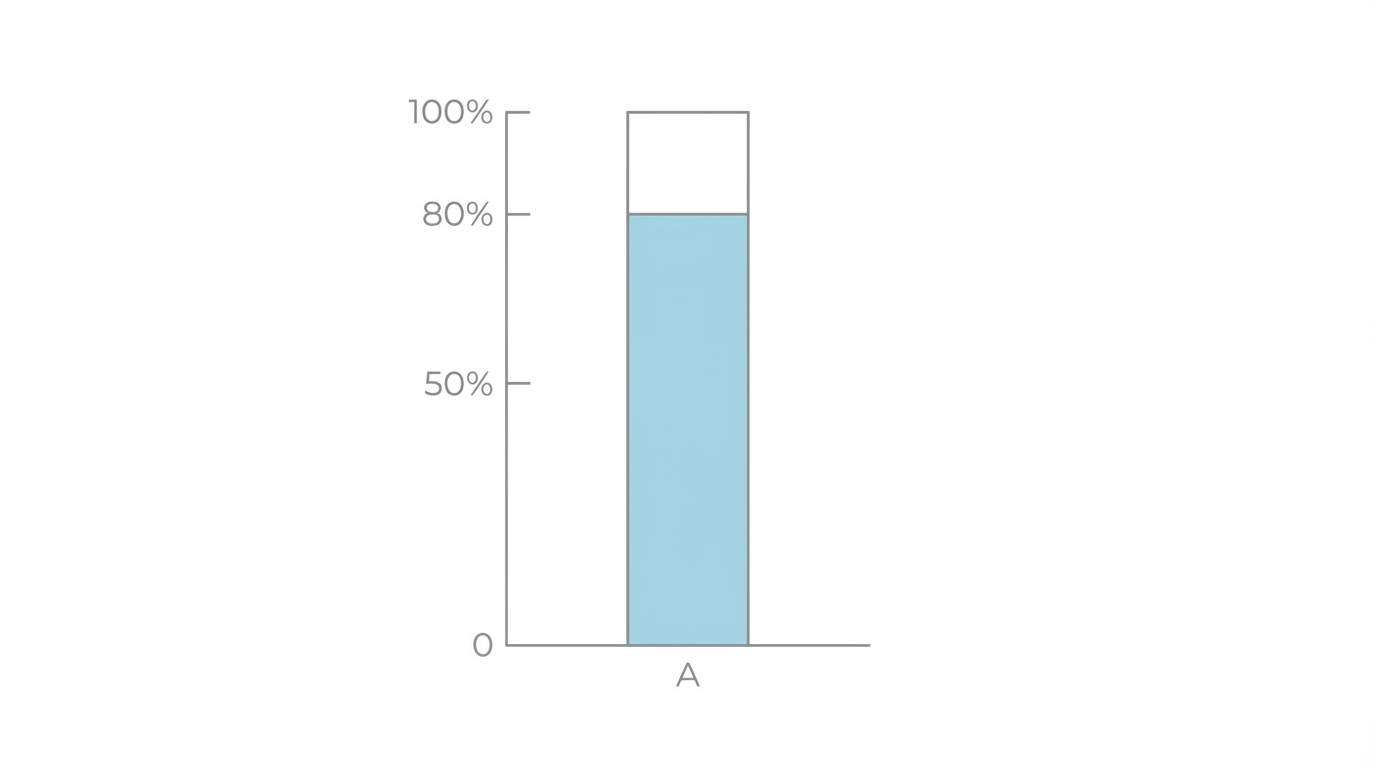
Despite the advancements in generative AI for advertisers, the industry has settled on what experts call the "80% Rule." Experts at Shared Physics argue that while AI can get you 80% of the way to a finished ad campaign, the final 20%—the brand nuance, legal compliance, and emotional resonance—still requires a human hand. Relying 100% on AI output without human intervention is the fastest way to creative fatigue and account flagging.
Sophisticated marketing teams are now building "Hybrid LLM Stacks." In this setup, Claude handles the creative strategy and writing depth, while ChatGPT might be used for speed and multi-format automation. This balanced approach ensures that the brand doesn't lose its soul to automation while still reaping the benefits of 75% time savings reported by agencies using modern AI tools (Digital Applied).
Playbook: Implementing the PAS Framework with Claude
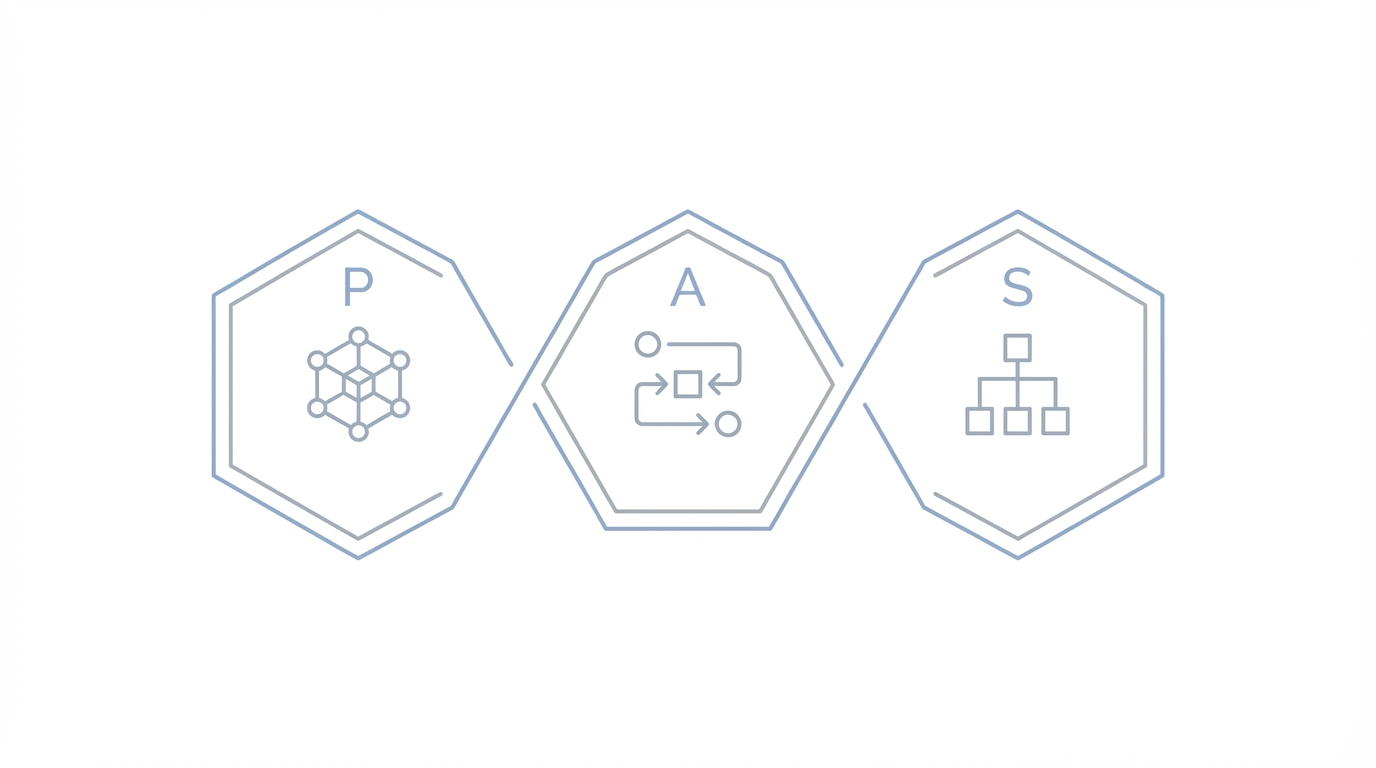
One of the most effective ways to use Claude for Meta Ads is through the Problem-Agitation-Solution (PAS) framework. This structure is particularly potent for 4:5 visual formats and Instagram Reels where the hook must land in the first 1.5 seconds.
Step 1: Define the Problem
Prompt Claude to identify the deep-seated frustrations of your target audience. Instead of asking for "benefits," ask for the "friction points" your product eliminates. For example, if you are advertising a productivity app, the problem isn't "too much work," but the "paralyzing anxiety of a never-ending to-do list."
Step 2: Agitate the Emotion
Instruct Claude to lean into the consequences of the problem. This is where Claude’s superior natural language shines. It can write copy that feels empathetic rather than clinical. Mentioning specific platform constraints like a 125-character limit for the primary text area helps keep the output actionable (ADEN's Lab).
Step 3: Present the Solution
Finally, introduce your product as the bridge to a better reality. When scaling these campaigns, platforms like Stormy AI can help source and manage the right UGC creators to provide the visual foundation that matches these AI-generated scripts, ensuring the content feels native to the feed.

"The PAS framework, when executed by Claude, transforms static ads into compelling narratives that stop the scroll by speaking directly to the viewer's current pain."
Technical Strategy: Claude Code and MCP
The most advanced marketers in 2026 have moved beyond the chat interface and into the terminal. By using Claude Code, advertisers can "vibe code" custom marketing tools—such as creative analytics dashboards—that sync directly with Meta Ads Manager. Using the Model Context Protocol (MCP), Claude can now read real-time performance data via an API, eliminating the need for manual CSV exports (Anthropic).
This technical integration allows for "Agentic Commerce." For instance, media buyers are deploying MCP servers like mcpservers.org to allow Claude to "see" which hooks are currently winning and automatically iterate on new variations. This level of automation is how individuals like Giorgio Liapakis managed a $1,500 autonomy test, where the AI handled research, creative strategy, and ad publishing with minimal human oversight.
Case Studies: Efficiency at Enterprise Scale
The impact of Claude-driven internal tools is best seen in the enterprise sector. For example, TELUS utilized Claude to create over 13,000 internal AI tools, which saved an estimated 500,000 staff hours and generated over $90 million in business benefit (TELUS Case Study). In the world of Meta Ads, this efficiency allows teams to test 10x more creative variations than they could manually, drastically reducing the Average CPC which sat at roughly $0.77 in late 2024 (SMK).
Common Mistakes to Avoid in AI Ad Copywriting
While the tools are powerful, they are not foolproof. The most common mistake marketers make is using the "Traffic" objective instead of "Conversions." As reported by Search Engine Land, Meta's AI will technically hit a traffic goal by finding the cheapest, lowest-quality clickers who have zero intent to buy. Other pitfalls include:
- Budget Spiraling: Over-relying on Meta’s automation without manual spending controls. AI can occasionally overspend daily budgets by 75% during surge optimizations (AdAmigo).
- Vague Prompting: Asking for "a good ad" results in generic content. You must include specific platform constraints, such as the 4:5 visual format and psychological triggers.
- Audience Saturation: AI often over-optimizes for a tiny top-performing segment, leading to high frequency and rapid creative fatigue. Experts suggest using Frequency Caps to prevent performance tanking.
Conclusion: The Future of Ad Creative
In 2026, the winner of the Claude vs ChatGPT for ads debate is clear: use both, but use them strategically. Claude is your creative director, your copywriter, and your emotional anchor. ChatGPT is your data scientist and your logistics manager. By integrating these tools with Meta Ads creative strategy, marketers can move past the era of generic automation and into an age of hyper-personalized, high-converting creative.
As you scale your AI-driven campaigns, remember that the human element—the final 20%—is your ultimate moat. Whether you are using Claude Code to build custom analytics or Stormy AI to discover the perfect UGC creators for your next campaign, the goal is the same: creating authentic connections with your audience at a scale that was previously impossible.