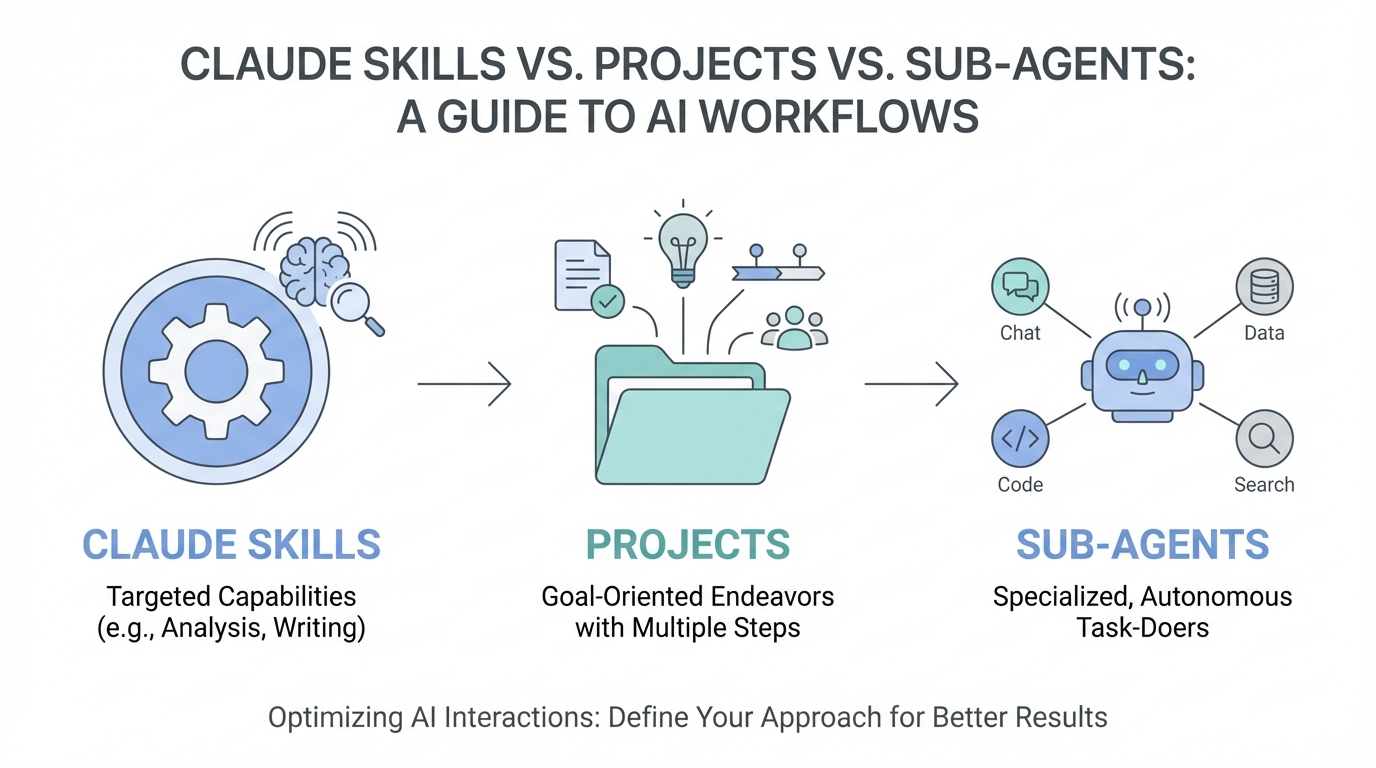
Marketing leaders today face a paradox: the more AI tools they adopt, the more time they spend managing the output rather than scaling the vision. As Anthropic continues to ship updates at a breakneck pace, understanding the technical architecture of Claude AI skills, Projects, and Sub-agents has become a prerequisite for operational efficiency. We are moving away from simple prompt-and-response interactions toward a sophisticated ecosystem of "digital employees" that can handle complex, multi-step workflows with high fidelity. This guide breaks down how to navigate these new features to eliminate noise and maximize ROI.
The Hidden Tax on Performance: Understanding Context Rot
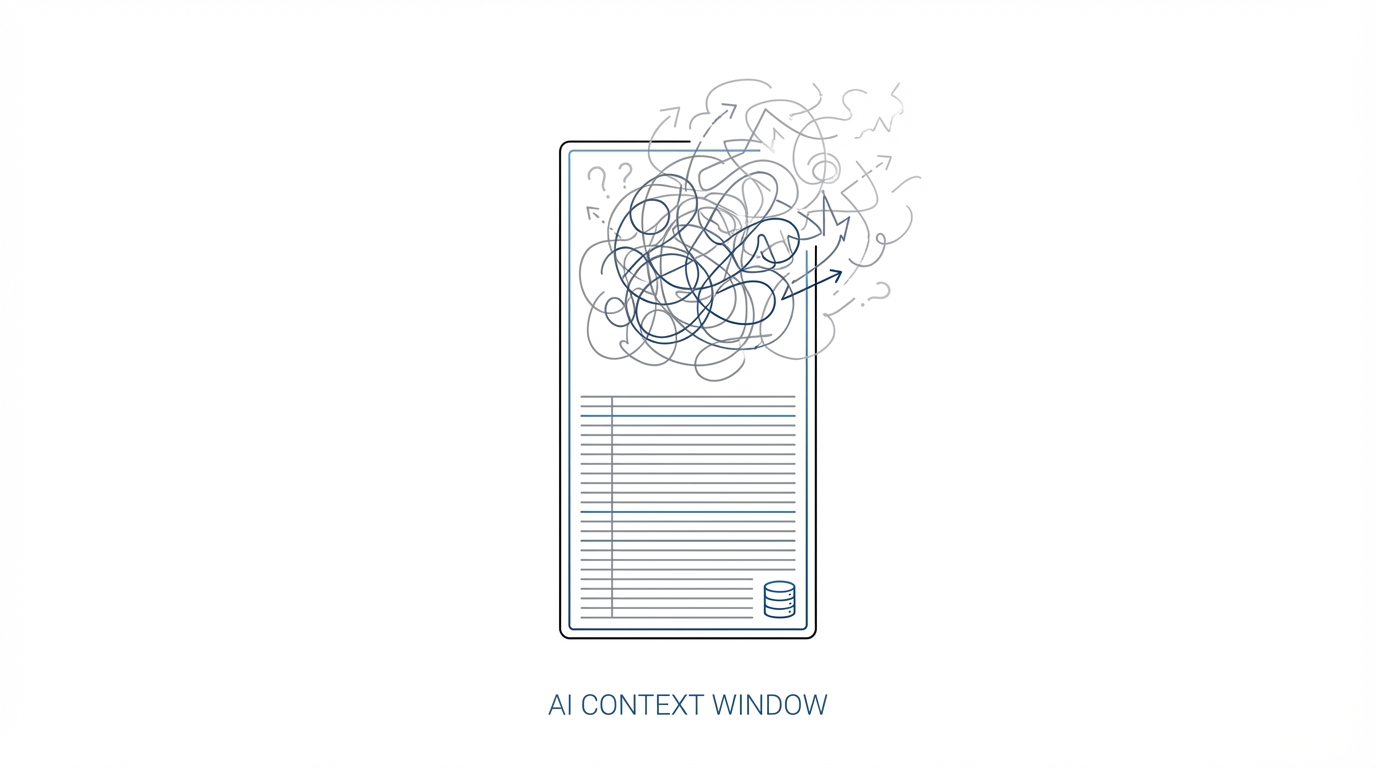
The biggest challenge facing LLM implementations today isn't a lack of data; it's the phenomenon known as AI context rot. Many teams assume that feeding every brand guideline, spreadsheet, and strategy document into a single chat window will yield better results. In reality, research on long-context models shows that overloading an LLM with excessive data can actually degrade performance and lead to hallucinations. When the model is forced to sift through too much non-essential information, its ability to focus on the specific task at hand weakens.
As noted in recent research on effective prompt engineering, the right amount of context has a massive impact on output quality. If you treat your AI like a new hire, you wouldn't dump the entire company history on them on day one and expect them to execute a perfect Meta Ads campaign. You would drip-feed them only the information relevant to that specific deliverable. This is where the distinction between Claude Projects, Sub-agents, and Skills becomes vital.
Claude Projects: Building Collaborative Workspaces

When comparing Claude projects vs skills, think of Projects as your shared team workspace. A Claude Project is essentially a persistent environment with a set of custom instructions (system prompts), relevant memories, and specific tool access. It is designed for repeatable team tasks where collective knowledge is an asset.
For a marketing department, a Project might include your company's newsletter style guide, a glossary of internal terms, and brand guidelines. This ensures that every team member interacting within that project receives consistent outputs. However, Projects have a limitation: the LLM is the one determining which pieces of context to retrieve from the project files. This can still lead to non-deterministic results—meaning you might get a slightly different answer every time you run the same query.
- Best for: Long-term team collaboration, maintaining brand voice across multiple threads, and document analysis.
- Management Tip: Constantly update your context files as your business evolves to avoid outdated outputs.
Sub-Agents: Breaking Down Complex Multi-Step Tasks
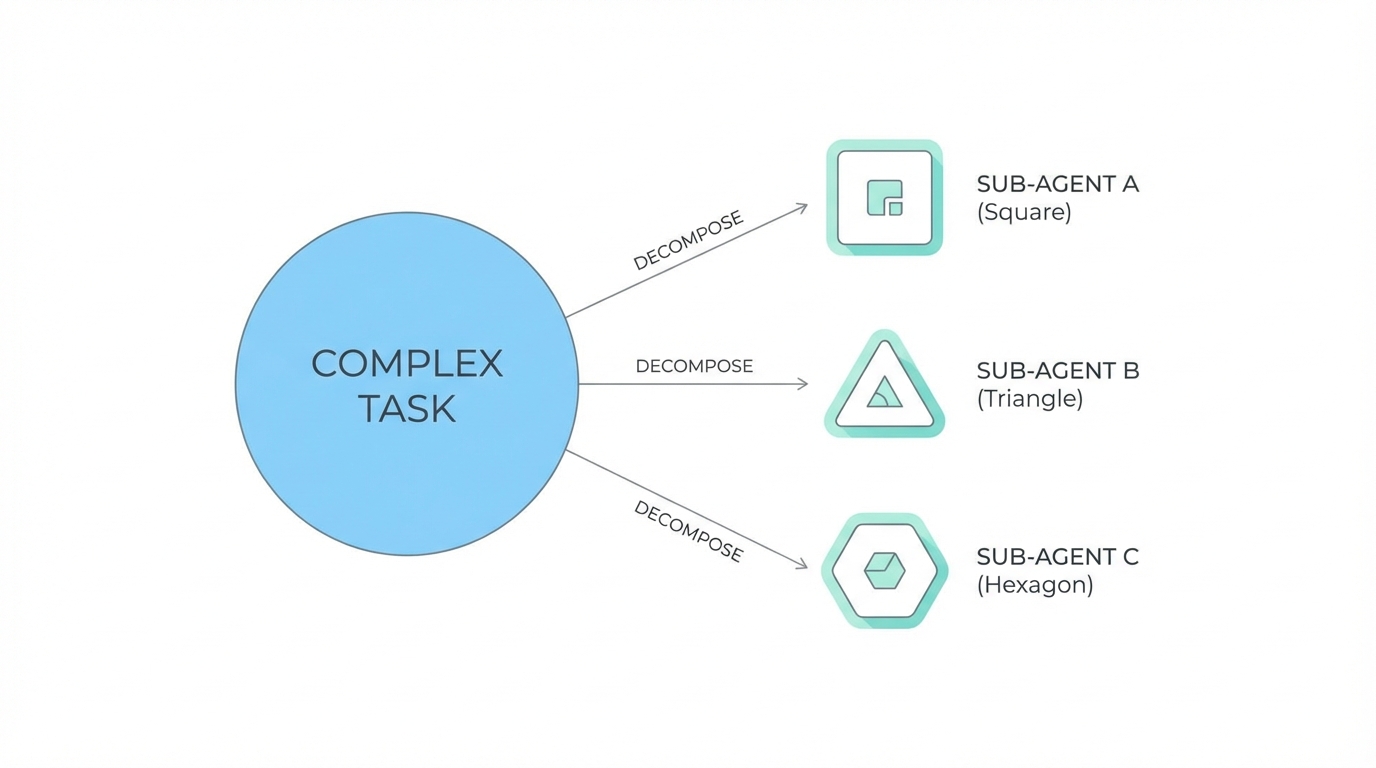
If Projects are workspaces, sub-agents are the specialist contractors you hire for a specific job. This architecture is most prevalent in Claude Code and developer environments. Sub-agents excel at breaking down complex multi-workflow tasks into individual, manageable pieces. For instance, if you are building a new landing page for a Google Ads campaign, you might spin up one sub-agent to handle the frontend code and another to manage the backend data structure.
The key advantage of sub-agents is isolated context. The agent working on the CSS doesn't need to know the database schema. By restricting the information flow, you drastically reduce the chance of errors. In a Claude AI skills workflow, sub-agents act as the execution layer for tasks that require deep focus on a narrow technical scope.
The Shift to Claude Skills: Deterministic Digital Employees
The introduction of Claude AI skills represents a fundamental shift in how we interact with LLMs. Unlike Projects, which are general-purpose, Skills are automated workflows designed for global, repeatable tasks. They move the model from being "suggestive" to being "deterministic."
A Skill often involves custom scripts or code that runs behind the scenes. For example, instead of asking Claude to "look at this data and tell me what’s interesting" (which is non-deterministic and prone to hallucination), a Skill can be programmed to "multiply column X by column Y and provide a profit margin analysis." This functional code ensures that the math is always accurate and the logic remains consistent every time the skill is triggered. Platforms like Idea Browser use similar logic to search for trends and present them as high-quality data rather than vague guesses.
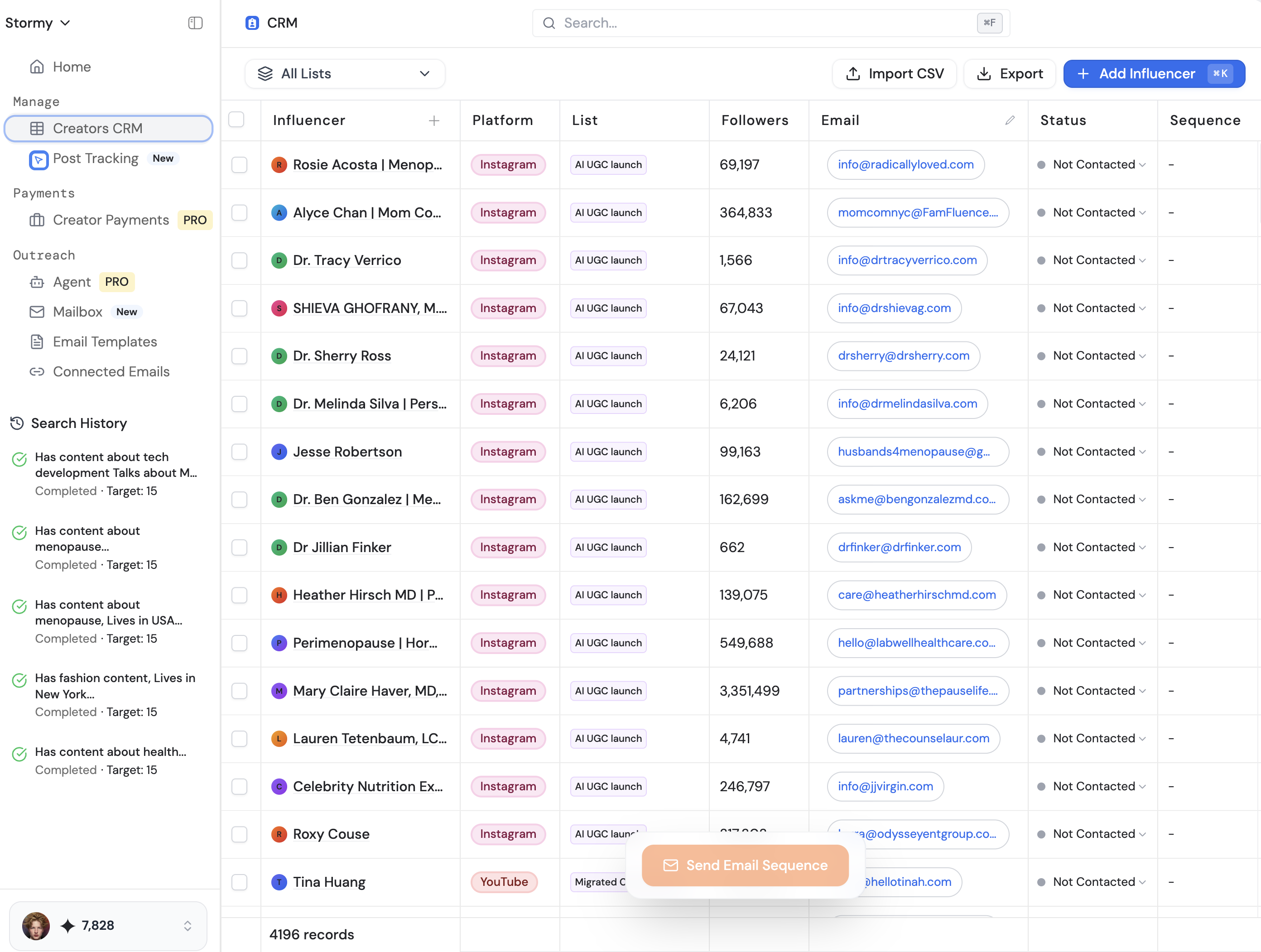
When managing large-scale influencer campaigns, tools like Stormy AI provide a similar level of specialized utility, helping brands discover creators and manage outreach at scale by applying specific vetting parameters that go beyond simple chat interactions.
Decision Matrix: Choosing Your AI Architecture
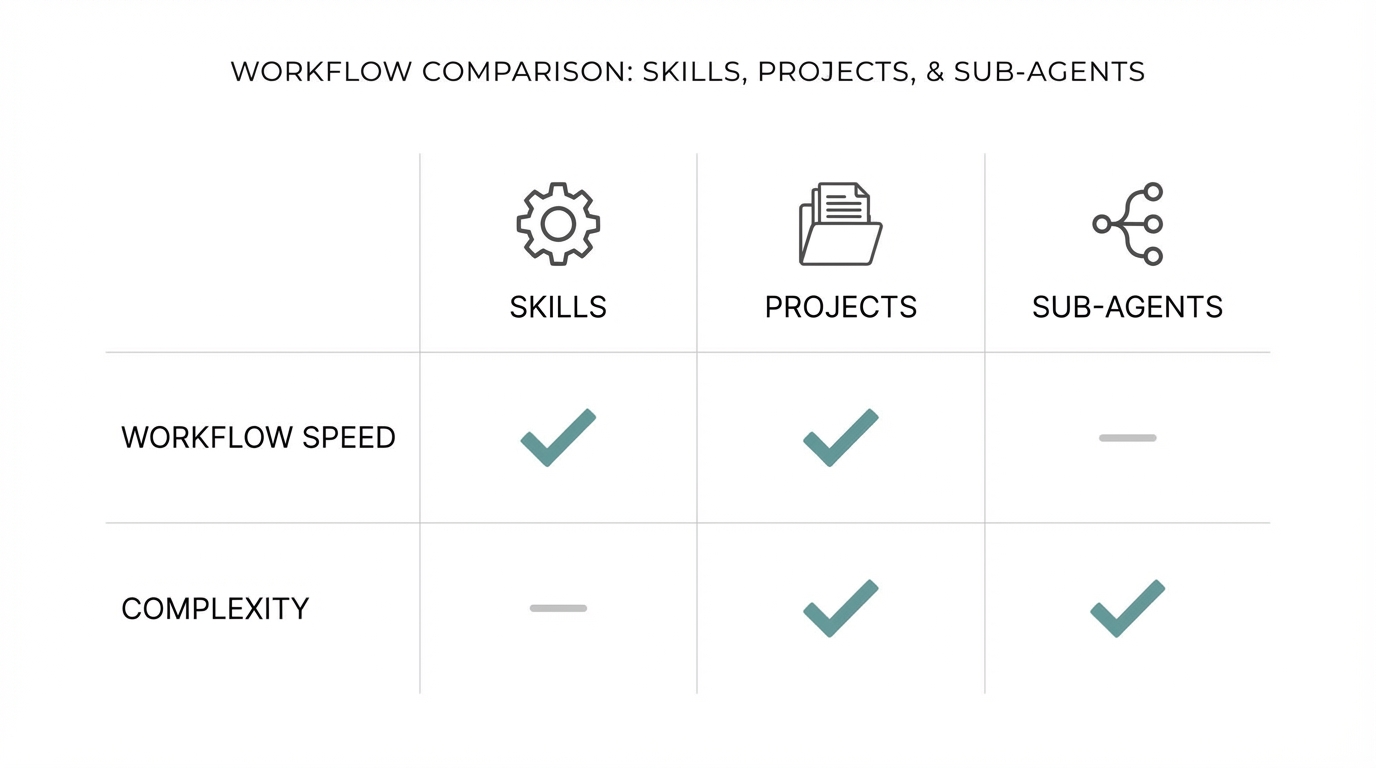
To help marketing leaders decide which AI agent workflows to deploy, use the following framework based on the technical requirements of your task:
- Use Claude Projects when you need a shared knowledge base for a human team to brainstorm, draft, and refine content over time.
- Use Sub-Agents when you have a massive, complex project that needs to be modularized into independent technical tasks.
- Use Claude Skills for high-frequency, repeatable tasks where accuracy and consistency are non-negotiable, such as data reporting, URL generation, or file conversions.
By defining these boundaries, you treat AI as a true teammate. As Sam Altman recently suggested in an interview about the future of work, we are entering the "era of the idea guy," where success depends on your ability to provide structured constraints and clear guidelines to your AI workforce.
Playbook: Building a Marketing Insight Skill
Building your own Anthropic Claude tutorial for skills doesn't require a computer science degree. It requires a deep understanding of your own business logic. Follow these steps to build a skill that analyzes Meta Ads Manager data with 100% accuracy.
Step 1: Define the Deterministic Logic
Write out exactly how a human analyst would calculate your KPIs. Don't just say "analyze churn." Instead, define: "Take Total Subscriptions, subtract Cancellations, and divide by the Start-of-Month Total."
Step 2: Create the Skill Markdown File
Create a skill.md file that outlines the instructions, the scripts to be run (Python or Javascript), and the structure of the expected output. This is where you set the guardrails for the model.
Step 3: Provide Reference Context
Upload specific reference files, such as a metrics.md file that defines your company’s specific ranges for "Good," "Average," and "Poor" performance. This ensures the Skill uses your standards, not the generic internet average.
Step 4: Deploy and Refine
Upload the skill to your Claude settings and test it with a raw CSV file. Because it is running scripts rather than just guessing, the output will be a comprehensive analysis that includes net profit, conversion rates per channel, and actionable insights.
For those managing complex creator relationships, utilizing the creator CRM features in Stormy AI can help track these performance metrics across hundreds of individual collaborations, bringing the same level of deterministic rigor to influencer marketing.
Moving From Noise to AI Fluency
The dip in AI adoption seen in some enterprise reports isn't due to the technology failing; it’s due to a gap in AI fluency. Most users are still stuck in the "one-off prompt" mindset, which inevitably leads to frustration when the output isn't perfect. By mastering Claude AI skills and Projects, you are building a proprietary library of digital talent that understands your brand, your data, and your specific goals.
As you build these workflows, remember that the most valuable asset in the AI era is your process. Whether you are generating a viral newsletter from a single tweet or analyzing a million-dollar ad spend, the architectural choices you make today will determine how fast you can scale tomorrow. Focus on reducing AI context rot, building deterministic skills, and treating your AI agents like the high-performing teammates they are destined to be.