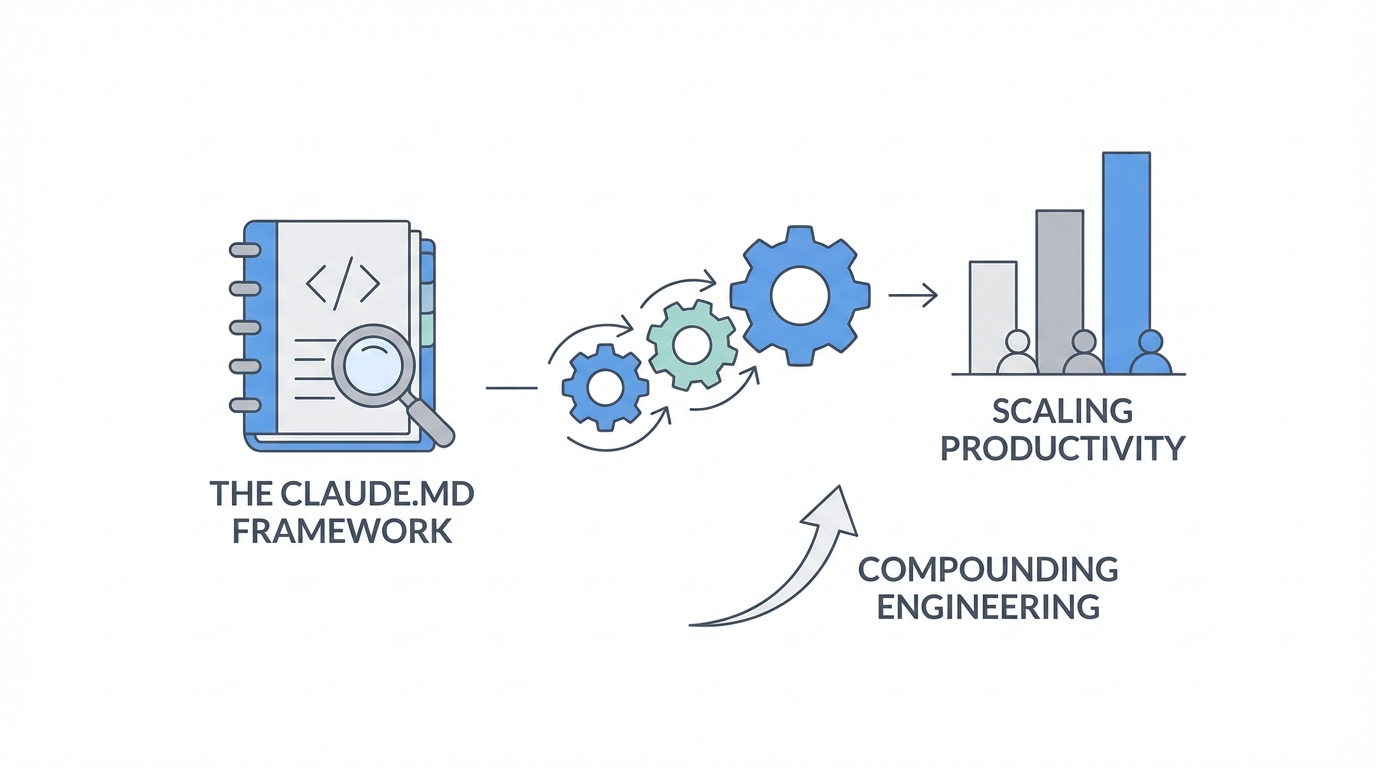
We are currently witnessing an exponential shift in how software is built. It is no longer just about writing lines of code; it is about orchestrating an army of intelligent agents to execute complex plans. Boris, the creator of Claude Code, recently shared insights on the Startup Ideas podcast that redefine our understanding of developer productivity. The core of this revolution lies in a simple yet powerful concept: the Claude.md framework and the philosophy of compounding engineering.
The Rise of AI Coding Agent Workflows
The traditional workflow—where a developer spends hours manually debugging and refactoring—is being replaced by high-level orchestration. Boris reveals that in the last few months, Claude Code has written 100% of his code. He hasn't written a single line by hand, despite shipping 200 to 300 pull requests (PRs) per month. This level of output is only possible by moving away from granular coding and focusing on AI coding agent workflows that emphasize planning and verification.
For teams looking to adopt this, the first step is understanding that the model is advancing faster than our "puny human meat brains" can often track. We think linearly, but AI advances exponentially. To keep up, engineering teams must transition from being coders to becoming "Claude tenders," managing multiple sessions in parallel and ensuring the agent has the right context to succeed.
What is Claude.md? The Brain of Your AI Agent
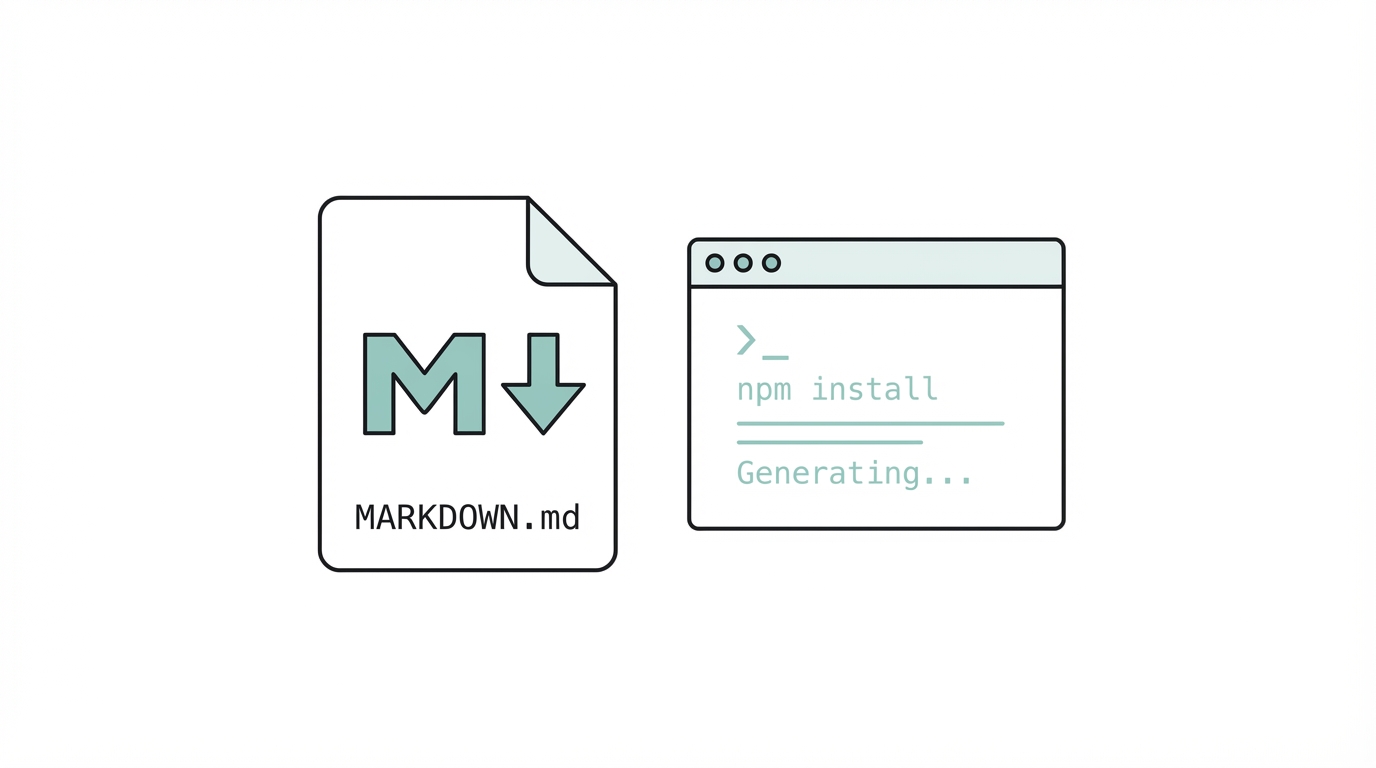
At the heart of a high-functioning AI-driven team is the Claude.md file. Many users search for complex schemas or JSON structures to guide their agents, but the claude.md best practices are surprisingly simple: it is just a plain text file. It serves as the persistent "source of truth" for the Claude agent within a specific repository.
The Role of Persistent Context
When an agent enters a codebase, it needs to know the "vibes," the specific linting rules, the architectural preferences, and the common pitfalls of that project. Without a Claude.md file, the agent starts from scratch every time. By checking a Claude.md file into your GitHub repository, you provide a permanent memory that any Claude session can access instantly.
Boris explains that at Anthropic, every team maintains their own Claude.md. It isn't a static document; it is a living entity that the team contributes to multiple times a week. This leads us into the most critical part of the framework: the feedback loop.
The Compounding Engineering Loop: Never Fix the Same Bug Twice
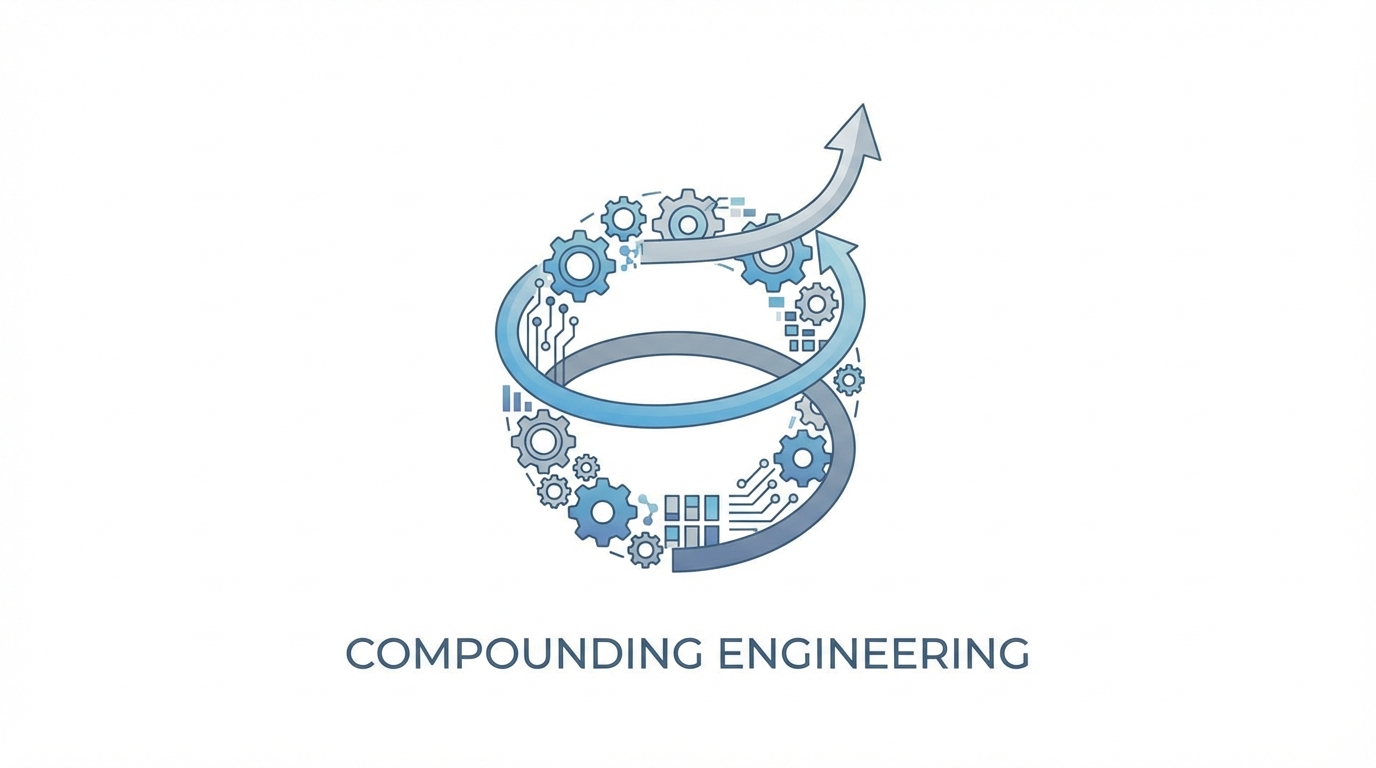
The term compounding engineering (or compound engineering) refers to a system where every error leads to a structural improvement that prevents that error from ever happening again. In the context of software development with Claude Code, this means updating your documentation every time an agent—or a human—makes a mistake.
Step 1: Identify the Error
During a code review or while testing a feature, you might notice that Claude used an outdated library version or ignored a specific naming convention. In a traditional team, you would simply fix the code. In a compounding engineering team, you realize that the mistake is a symptom of a context gap.
Step 2: Update the Claude.md
Instead of just fixing the line of code, you immediately add a rule to the Claude.md file. For example: "Never use the old Auth provider; always use the new v2 service located in /services/auth." By doing this, you are automating the future of your code reviews. You should never have to point out the same issue twice. This creates a self-improving knowledge base that grows more powerful with every PR.
Step 3: Verify and Scale
By constantly feeding corrections back into the Claude.md, the agent becomes increasingly specialized for your specific stack. Boris mentions that this is the equivalent of writing a lint rule in the pre-LLM era, but infinitely faster because it only requires a sentence of natural language.
Automated Workflows with Claude GitHub Action
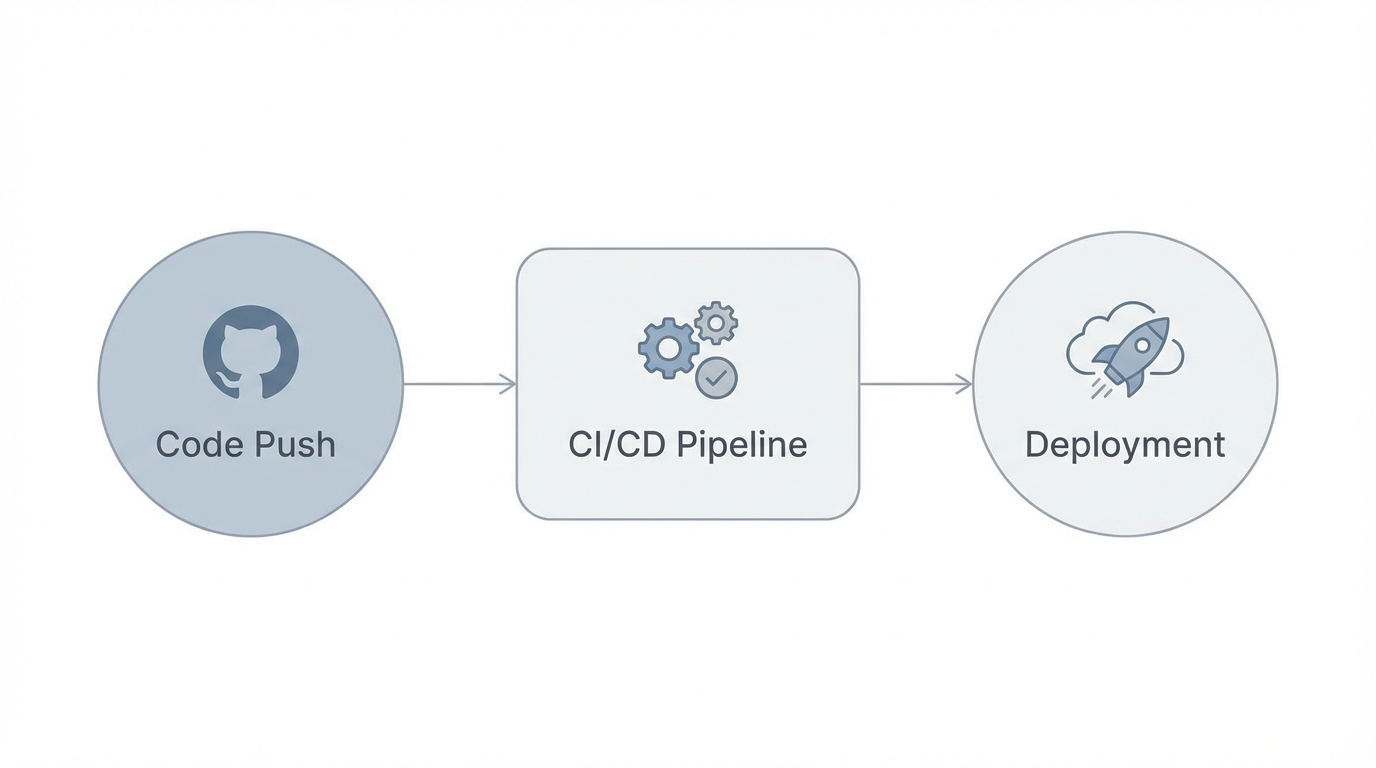
To truly scale this, you cannot rely on manual terminal commands alone. The Claude Code GitHub Action allows you to bring the agent directly into your PR reviews and issue tracking. By running the /install-github-action command, you enable a workflow where you can simply tag @Claude in a comment to trigger an automated fix.
Streamlining PR Reviews
Imagine a coworker opens a PR, and you notice a small formatting error or a missed edge case. Instead of checking out the branch locally, you can tag @Claude and ask it to "fix the edge case and update the Claude.md to prevent this in the future." The agent will then push the changes directly back to the branch. This is the ultimate expression of compounding engineering AI—the system fixes itself based on your high-level feedback.
Managing Parallelism
Boris highlights a pro-tip for power users: parallelism. He often runs 5 to 10 Claudes simultaneously across different platforms—the terminal, the Claude desktop app, and even the mobile app. By using the GitHub Action, these sessions can all converge on the same repository, allowing you to manage a massive volume of work without being a bottleneck.
Beyond Coding: GTM and Marketing Adoption
While Claude.md started in engineering, it is quickly spreading to non-technical departments. At Anthropic, half of the Go-To-Market (GTM) team uses Claude Code every week. They use it to manage brand voice, project standards, and complex data shuffling tasks that would normally require a data scientist.
For instance, marketing teams are now using Claude Co-work—a UI-based version of the agent—to automate tedious operations like renaming thousands of files, organizing receipts into Google Sheets, or even drafting emails via the Gmail interface. Just as engineers have a Claude.md for their code, marketing teams can have a Brand.md that stores tone guidelines and campaign history.
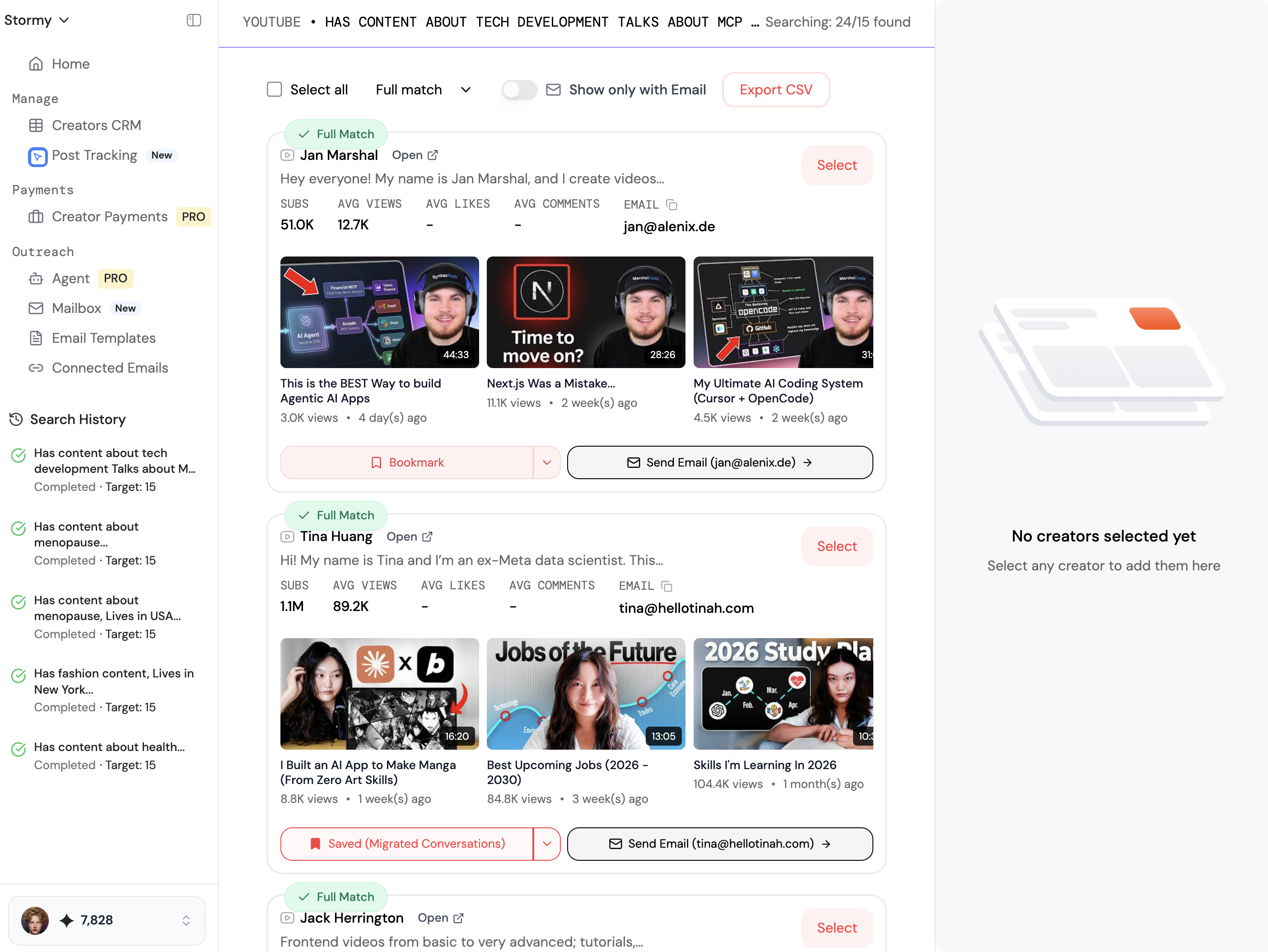
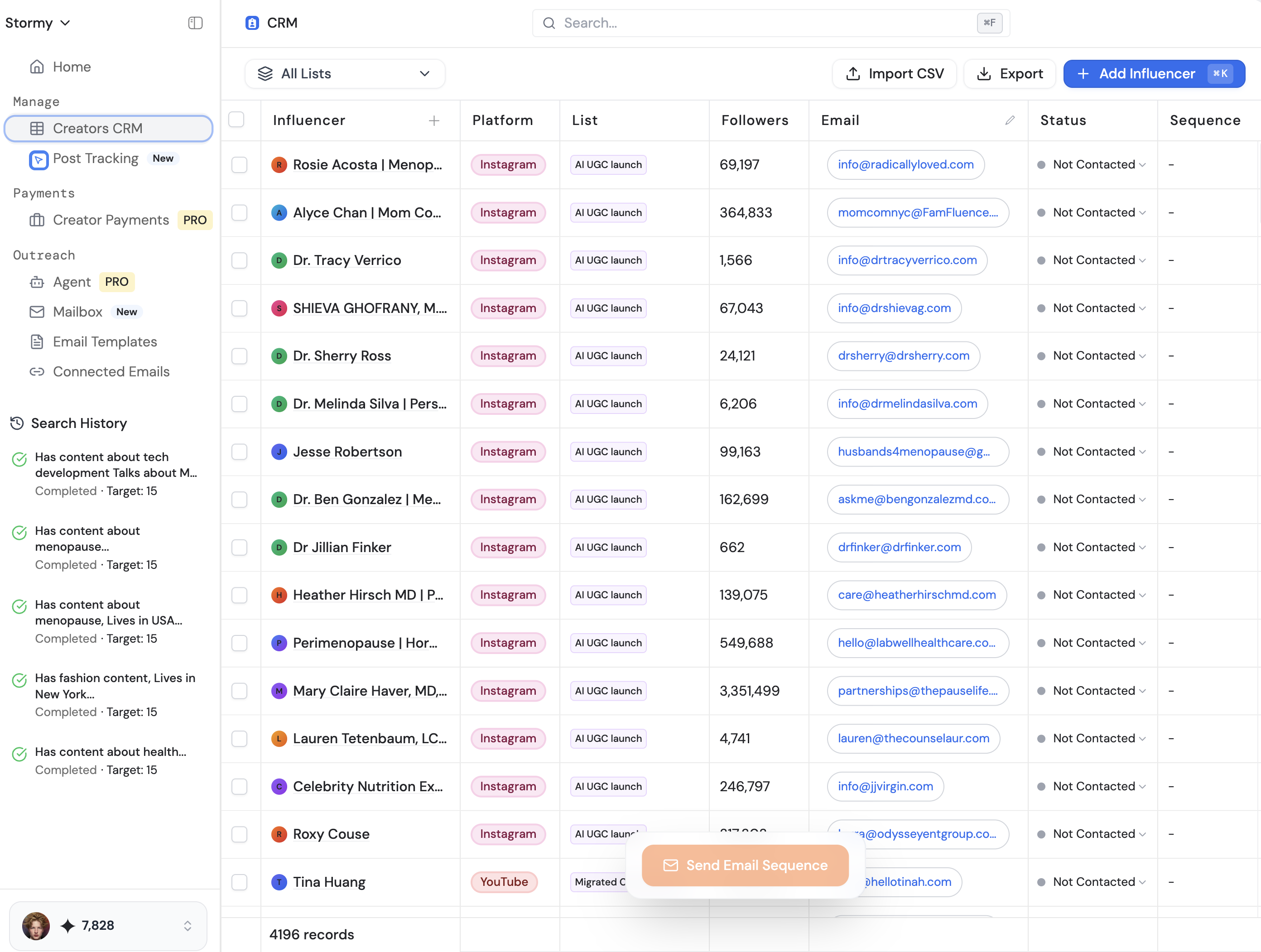
In high-growth scenarios, such as scaling an app's reach, managing these workflows becomes a competitive advantage. When sourcing creators for user-generated content (UGC), platforms like Stormy AI streamline creator sourcing and outreach at scale, while a Claude agent handles the background research and data organization. This combination of specialized AI tools and general-purpose agents is the blueprint for the modern business landscape.
Best Practices for Maximizing Performance
To get the most out of these ai coding agent workflows, Boris suggests three non-negotiable rules:
- Use the Smartest Model: Always use Claude 3.5 Sonnet or upcoming releases with Thinking. Even if it seems slower or more expensive per token, its superior planning ability means it uses fewer tokens overall and requires less "steering" from you.
- Verification is Key: An agent is only as good as its eyes. Give Claude a way to verify its output by using the Chrome extension to view web pages, running local test suites, or checking logs. A blind agent is a dangerous agent.
- Plan Mode First: Never ask Claude to start coding immediately. Start in Plan Mode, iterate on the plan until it is perfect, and only then switch to Auto-Accept Edits. This "one-shot" execution method is the most efficient way to ship error-free code.
As you scale these efforts, managing the influx of data and creator relationships becomes a full-time job. Using a creator CRM to track interactions ensures that while your AI agents are building the product, your human-to-human relationships remain organized and impactful.
Conclusion: The Future of "Tending to the Claudes"
The Claude.md framework is more than a technical trick; it is a shift in mindset. We are moving toward a world where the "toilsome" work—the repetitive, manual tasks—is entirely handled by agents. Boris predicts that by early 2027, the ability to connect apps and shuffle data via agents will be a baseline requirement for every professional.
The winners of this new era will be the teams that invest in their compounding engineering infrastructure today. Start simple: create a Claude.md file, install the Claude Code GitHub Action, and begin documenting every mistake. By doing so, you aren't just fixing bugs—you are building an autonomous engine of productivity that grows stronger every single day.