In 2026, the competitive landscape for startups has shifted from who has the most venture capital to who has the most efficient automated development workflow. The rise of "Vibe Coding"—a term famously operationalized by Anthropic’s Claude 3.7 series—has turned the traditional software development lifecycle on its head. For Go-To-Market (GTM) leaders and founders, the choice is no longer about which language to build in, but which AI agent to manage.
As of February 2026, the AI coding assistant market has skyrocketed to a valuation exceeding $12 billion, according to data from MarketsandMarkets. With Anthropic’s annualized run-rate revenue hitting a staggering $14 billion this month, it is clear that tools like Claude Code are no longer niche developer utilities; they are the core infrastructure of the modern enterprise. But for a startup trying to ship a minimum viable product (MVP) or an agency building proprietary attribution tools, should you lean into the agentic autonomy of Claude, the polished interface of Cursor, or the one-click deployment of Replit? This guide breaks down the Claude Code vs Cursor 2026 debate to help you finalize your 2026 GTM technology stack.
The Philosophy of Coding: AI as Senior Engineer vs. Co-Author
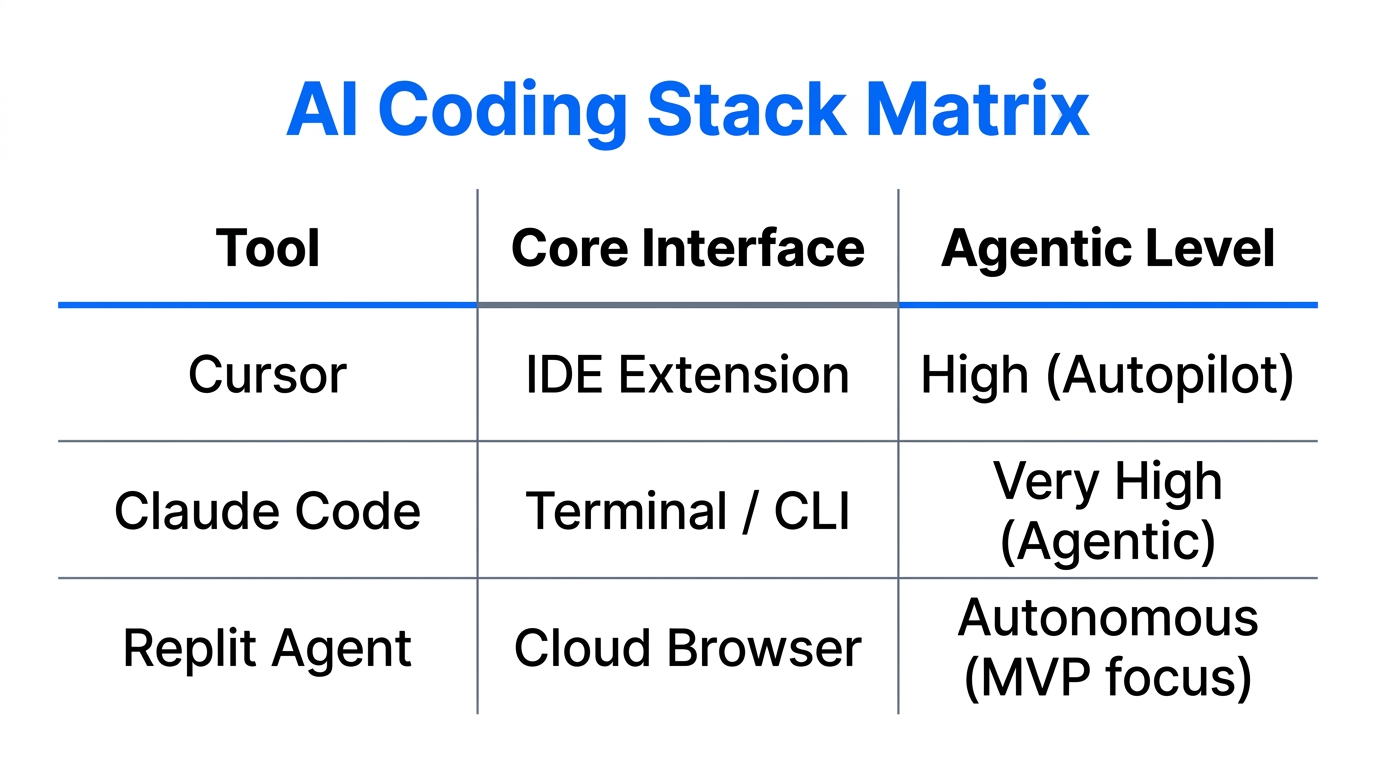
The fundamental difference between these platforms lies in their underlying philosophy of human-AI collaboration. When evaluating a GTM technology stack 2026, founders must decide how much "hand-holding" they want to do.
Cursor remains the gold standard for the "AI-Native IDE" experience. It follows an "AI as Co-Author" philosophy, where the AI lives inside the editor, offering real-time suggestions and project-wide context. As noted in recent Reddit community discussions, Cursor is the most polished experience for those who still want to maintain a granular view of their code. It’s perfect for the developer who wants to move 3x faster but still wants to drive the car.
Conversely, Claude Code represents the "AI as Senior Engineer" shift. Operating primarily through a Command Line Interface (CLI), Claude Code is designed for high-autonomy agentic workflows. It doesn't just suggest lines of code; it executes complex refactors across 50 files in one shot. In the 2026 landscape, this distinction is critical: Cursor is for building with AI, while Claude Code is for managing AI that builds for you.
"We are moving from a world of 'chatbot as a toy' to 'agent as infrastructure.' Claude Code is the first step toward software that builds itself based on human values, not just human syntax." — Dario Amodei, CEO of Anthropic
| Feature | Claude Code | Cursor | Replit Agent |
|---|---|---|---|
| Core Philosophy | Autonomous Senior Engineer | Collaborative Co-Author | Rapid Prototyper |
| Best For | Complex refactoring & logic | Day-to-day feature dev | Non-tech founders / MVPs |
| Autonomy Level | High (Multi-agent teams) | Medium (Inline assistance) | Very High (Auto-deploy) |
| Learning Curve | High (Terminal-based) | Medium (IDE-based) | Low (Web-based) |
Deployment Strategy: Why Replit Agent is the 'One-Click' GTM Winner
For startups, speed-to-market is the only metric that matters. This is where Replit Agent excels. While Claude Code might have superior reasoning (hitting 70.3% on SWE-bench Verified), Replit Agent solves the "deployment gap."
In a Claude Code vs Replit Agent comparison, Replit wins on the "zero-to-one" journey. A non-technical founder can describe an app in natural language, and Replit Agent will not only write the code but also provision the database, set up the servers, and host the live URL within minutes. In 2026, many growth teams use Replit to spin up temporary landing pages or internal lead-gen tools that integrate with their primary marketing tech. For instance, a team might use Replit to build a quick calculator that feeds data into Stormy AI for influencer outreach analysis.
The Economic Engine: Analyzing the $200 Max Tier ROI
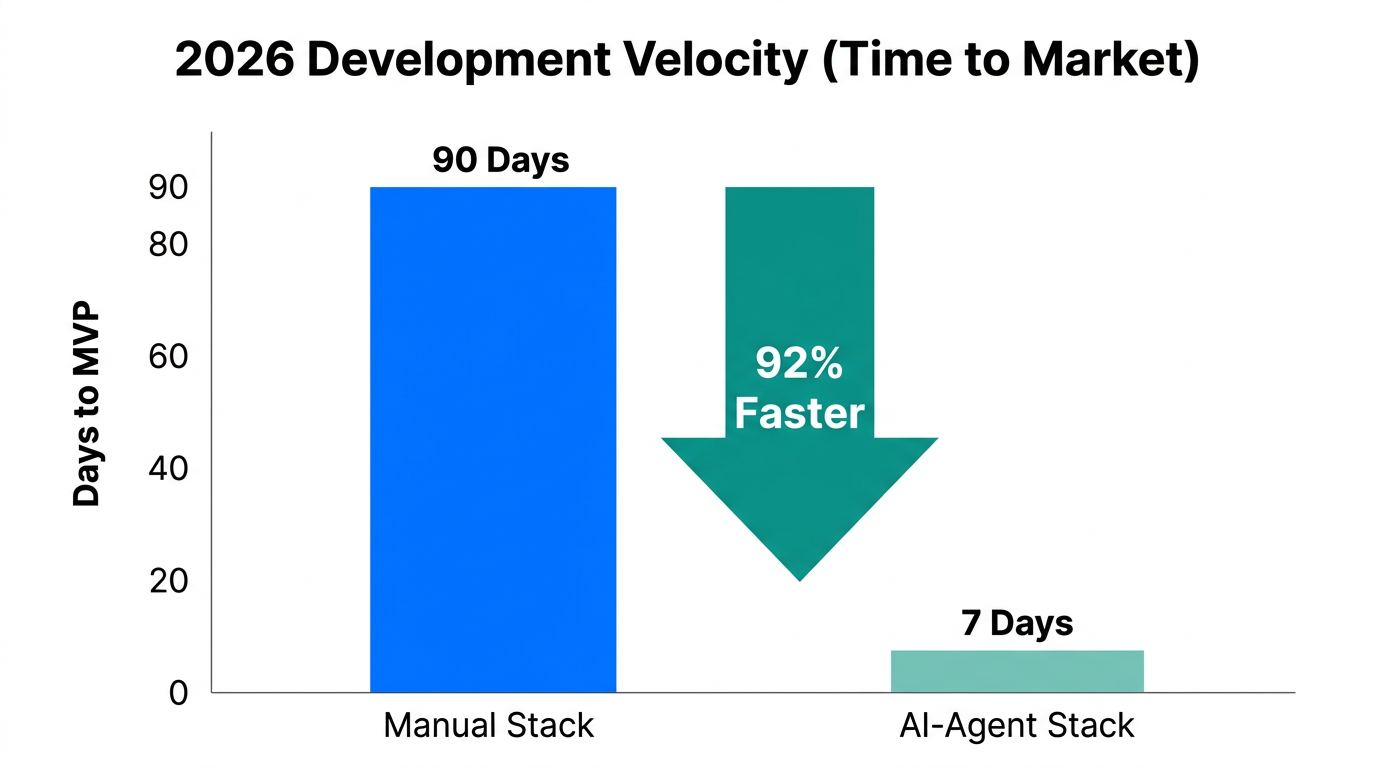
One of the most significant shifts in 2026 is the transparent pricing of "Agent Hours." Anthropic’s Claude Max tier ($200/mo) has become the standard for high-intensity startups. While $200 per month sounds steep compared to a standard Netflix subscription, the math for a business leader is compelling.
According to Sacra’s 2026 market analysis, "Vibe Coders" using the Max tier effectively pay $0.30 per "agent hour." Compare this to the $45–$150/hour cost of a junior to mid-level developer. For a digital agency like AdVenture Media, which used Claude Code to build proprietary tools, this resulted in a 40% increase in gross margins by allowing a single senior developer to oversee five projects per quarter instead of three.
Furthermore, the introduction of Prompt Caching in late 2025 has reduced recurring costs by up to 90%. This means you can keep a massive 1-million-token codebase active in Claude's memory without being penalized financially every time you ask a question. For startups, this makes the best AI tool for startups a question of reasoning density per dollar.
"The shift from chatbot to agent is the most important change since ChatGPT. You aren't prompting anymore; you are managing." — Ethan Mollick, Wharton Professor
The 1M+ Token Advantage: Why Context is King
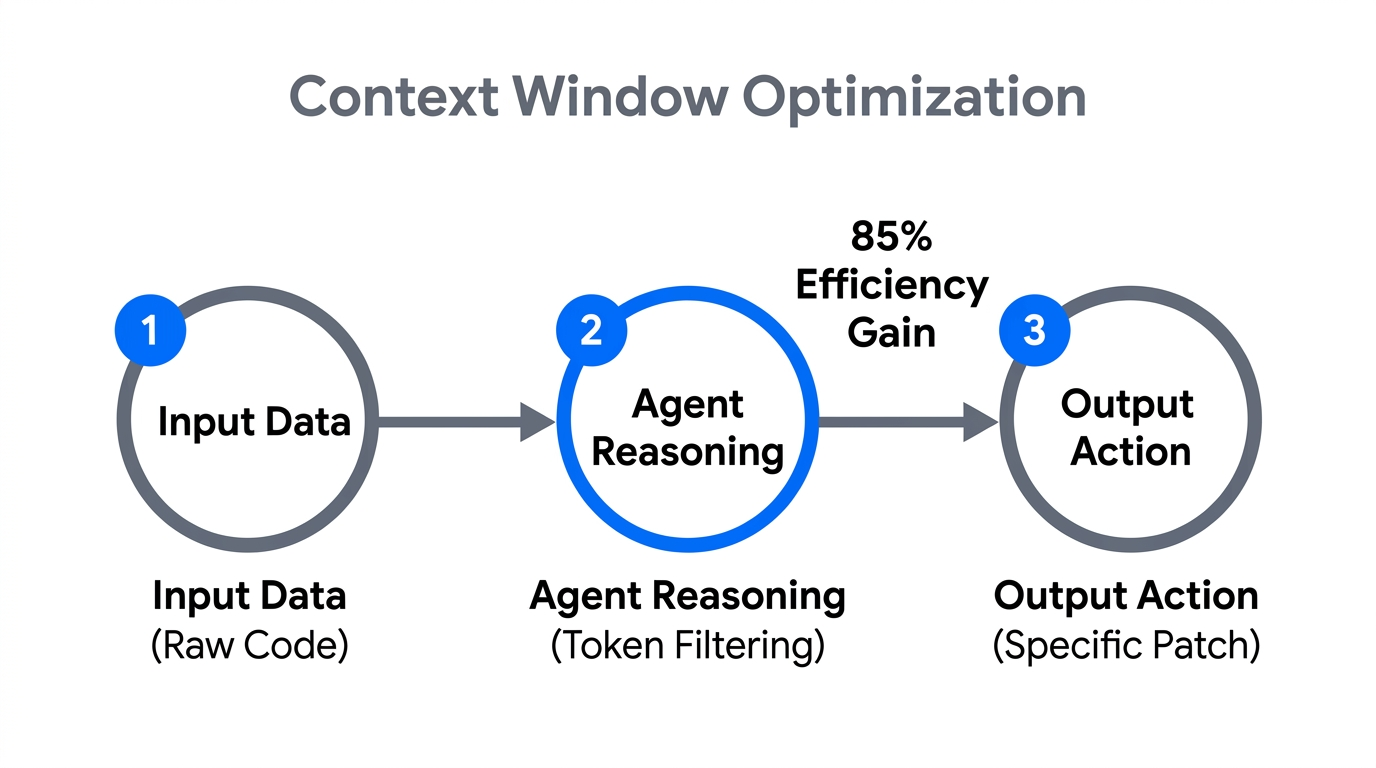
In 2026, the size of your AI’s "memory"—its context window—is a competitive moat. Claude Code, powered by Opus 4.6, now supports 1-million-token context windows in Beta. This allows business leaders to drop an entire company wiki, three years of project history, and a full API documentation library into a single session.
Why does this matter for your GTM strategy? Context prevents hallucination. When an agent has the full scope of your business logic, it doesn't suggest generic solutions; it suggests solutions that respect your existing tech debt and branding guidelines. This is the secret sauce behind Claude Cowork, which applies the same agentic reasoning to non-technical tasks like managing complex Excel models or Google Ads reporting structures.
Tools like Windsurf and Cursor offer project-wide context, but they often struggle with the same sheer volume of data that Claude's 1M+ window can ingest. For complex, long-term product development, Claude’s memory is unmatched.
Security Considerations: Navigating the 'Check Point' Vulnerabilities
As we move toward autonomous agents, security becomes the primary friction point for founders. In early 2026, researchers at Check Point Research identified a critical vulnerability (CVE-2025-59536) involving "Project Hooks."
Agentic tools that have terminal access—like Claude Code—can potentially be exploited if they interact with an untrusted project folder. A malicious script could trick the agent into exfiltrating your Stripe API keys or GitHub credentials.
Furthermore, the 2026 phenomenon of "Ghost Bugs"—perfect-looking code that fails in edge cases—requires human oversight. A study found that users become 3.7% less likely to fact-check outputs as the AI becomes more fluent, leading to potential stability issues in your GTM tech stack if left unchecked.
The 2026 Non-Technical Playbook for GTM Success
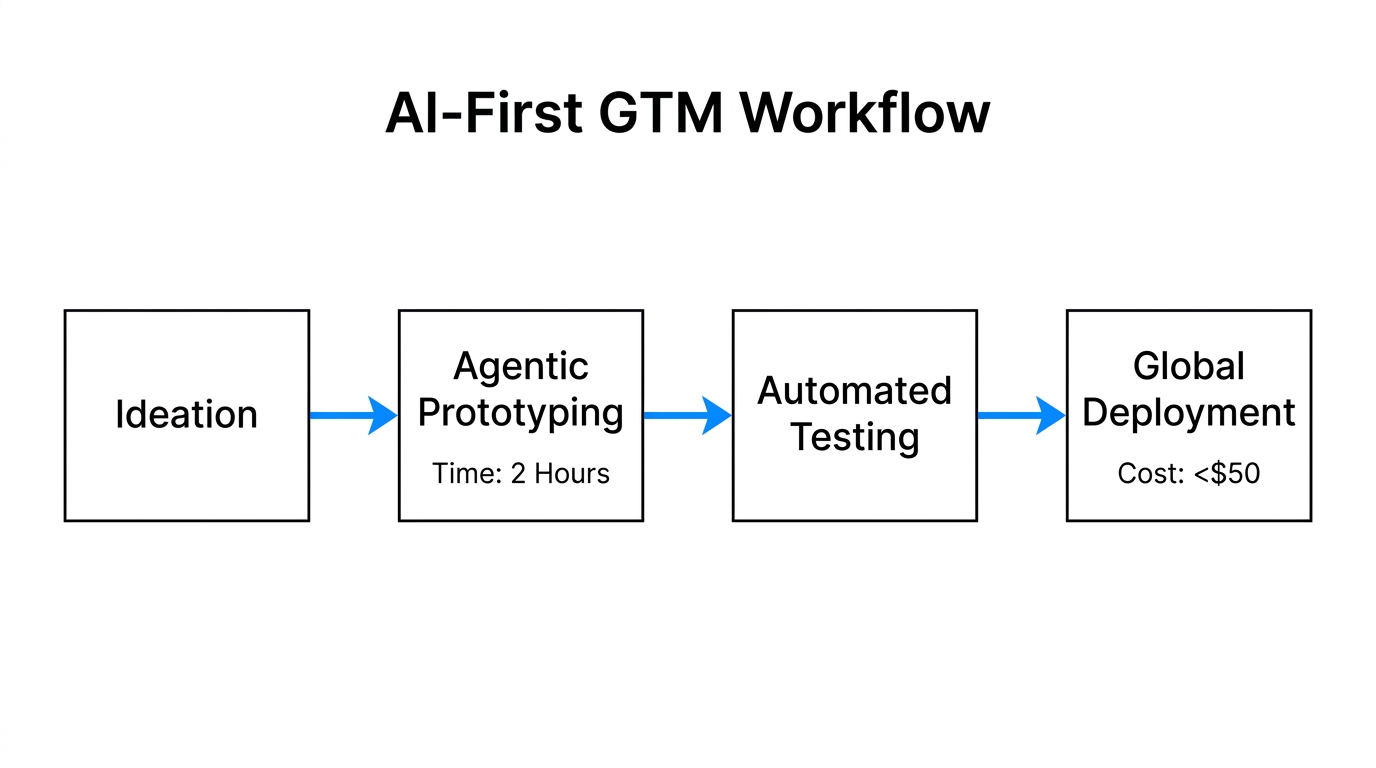
If you are a non-technical leader looking to leverage these tools to build your next growth engine, follow this sequential playbook:
- Start with the Claude Desktop App: Don't let the terminal intimidate you. The desktop app (available at claude.ai) now auto-installs the agentic backend.
- Define Your "Project Memory": Create a file named
CLAUDE.md. In it, describe your project’s goals, tech stack, and "human values" (e.g., "always prioritize mobile-first design"). - Connect via MCP: Use the Model Context Protocol (MCP) to link Claude to your data. Connect it to your HubSpot CRM or Slack to allow the agent to post progress updates automatically.
- Monitor with the `/cost` Command: To avoid "runaway" API fees, run the
/costcommand in your session regularly to see your real-time spend. - Scale with Multi-Agent Teams: For larger projects, use the new "Team Mode" to spawn a UI specialist and a Backend agent to work in parallel.
By integrating these AI-driven development workflows with marketing automation platforms like Stormy AI, startups can now achieve what used to require a 20-person team with just two "Outcome Engineers" and a suite of agentic tools.
Conclusion: The Winner for Your 2026 Strategy
Choosing between Claude Code vs Cursor 2026 depends entirely on your role and your velocity requirements. If you are a professional developer who wants the most seamless, polished coding experience, Cursor remains the tool to beat. If you are a non-technical founder needing to ship a functional app by tomorrow morning, Replit Agent is your best friend.
However, if you are building the core infrastructure of a scalable business and need the highest level of reasoning, autonomy, and memory, Claude Code is the clear winner for a 2026 GTM technology stack. By treating the AI as a senior engineer rather than just a chatbot, you unlock a 30-45% increase in delivery speed—the kind of efficiency that defines the market leaders of the 2026 AI era.