In the high-stakes world of performance marketing, 2026 has already been defined by a single phrase: Agentic Engineering. Gone are the days of manually adjusting bids or hand-writing fifty variations of a landing page. Today, the choice between Claude Code and Cursor determines whether your marketing stack is a semi-automated engine or a fully autonomous growth machine. As of March 2026, over 60% of enterprise companies have deployed production-grade AI agents, a massive leap from just two years ago.
For marketing teams, the stakes are unique. We aren't just shipping code; we are shipping revenue-generating assets. Whether you are managing multi-million dollar ad budgets or scaling an influencer program through Stormy AI, the tool you choose to orchestrate your AI agents will be the most critical decision of your fiscal year. This article breaks down the Claude Code vs Cursor debate through the lens of performance marketing, efficiency benchmarks, and the revolutionary Model Context Protocol (MCP).
Interface Clash: Terminal Autonomy vs. IDE Precision
The most immediate difference between these two titans is how you interact with them. Claude Code is a CLI-native (Command Line Interface) agentic tool. It doesn't live in a window with buttons; it lives in your terminal, acting as a tireless engineer that can navigate your entire marketing folder, from your Google Ads scripts to your Shopify liquid files.
Cursor, on the other hand, is a fork of VS Code. It provides a visual, user-friendly environment that most marketing ops professionals find easier to adopt. While Cursor is excellent for composing marketing assets, Claude Code is designed for executing multi-step autonomous workflows. According to recent 2026 developer trends reports, high-end growth engineers prefer Claude Code for its "high autonomy," while creative-leaning marketers stick with Cursor for its visual IDE benefits.
"In 2026, the marketing lead's job isn't to write the ad—it's to orchestrate the agent that writes, tests, and optimizes the ad across ten platforms simultaneously."
MCP: The Secret Sauce for Marketing Stacks
Why is Claude Code suddenly dominating the conversation? The answer is the Model Context Protocol (MCP). Anthropic designed MCP to allow AI agents to securely connect to external data sources without messy, custom API glue-code. By early 2026, the adoption of MCP has standardized how AI interacts with tools like Notion, Slack, and GitHub.
For a marketing team, this is revolutionary. Using an Ahrefs MCP, you can give Claude direct access to your SEO data. Add connections to social platforms, and it can see what's trending on TikTok or Reddit. This connectivity allows for a "Marketing Machine" where Claude scans for high-intent keywords, checks your current Meta Ads Manager performance, and generates new ad creative—all in one session.

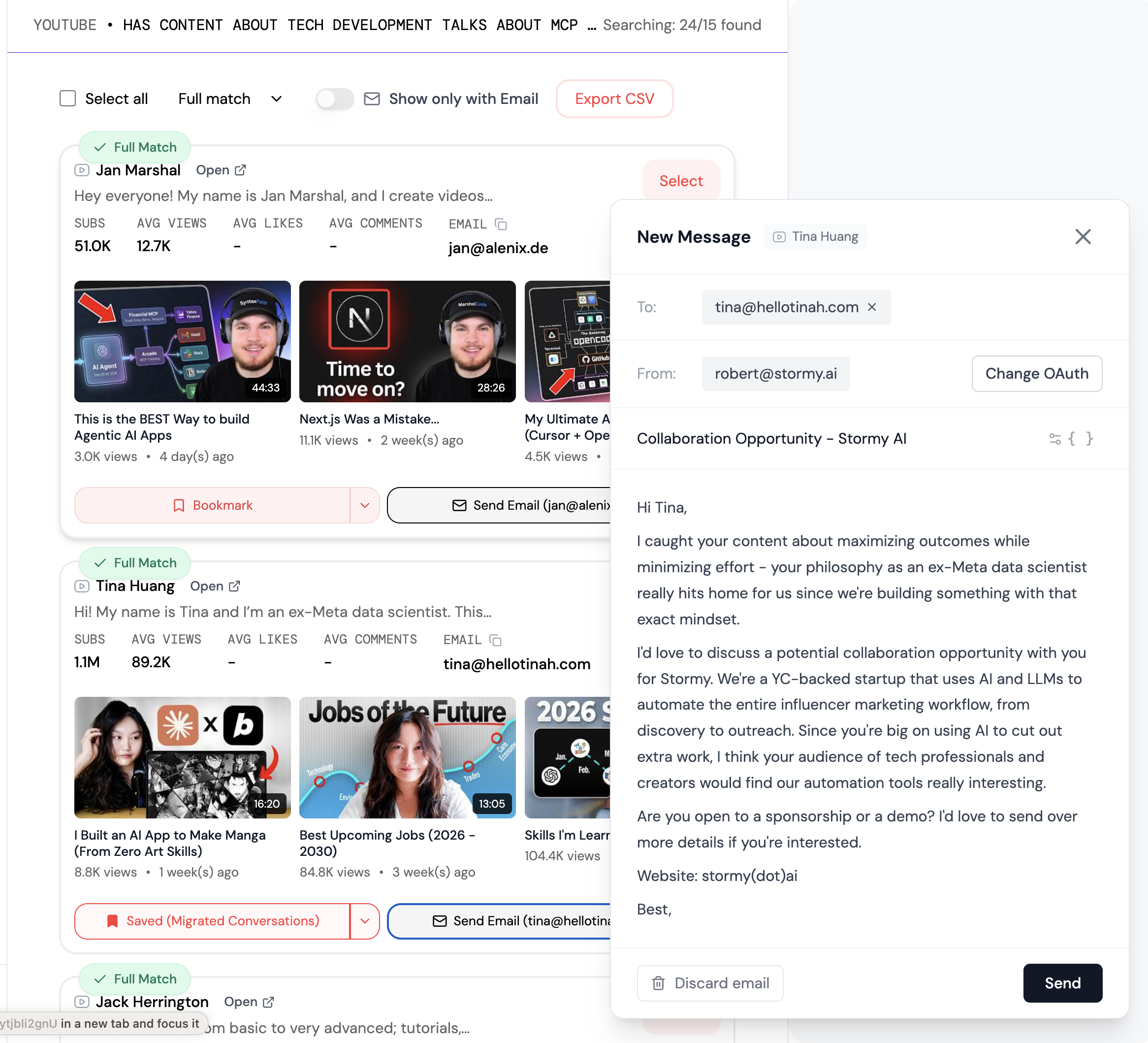
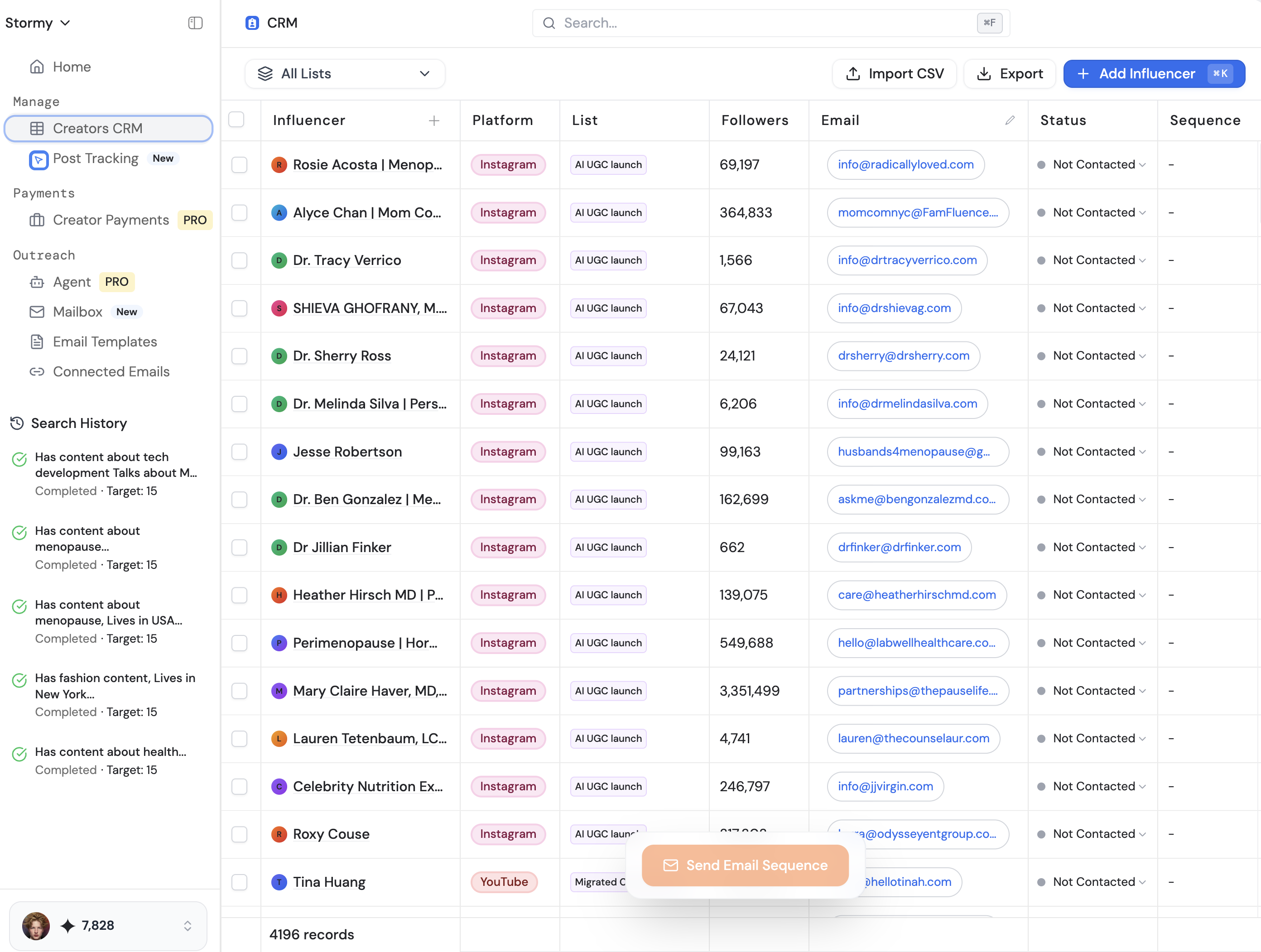
While Cursor has integrated MCP support into its GUI, Claude Code's implementation is native and deeper. It allows for "parallel subtasking," where one agent can spawn five sub-agents to handle different parts of a campaign simultaneously. This is why platforms like Stormy AI are so powerful in 2026; they provide the granular creator data that these agents need to fuel their outreach engines.
Feature Comparison: Benchmarking Performance
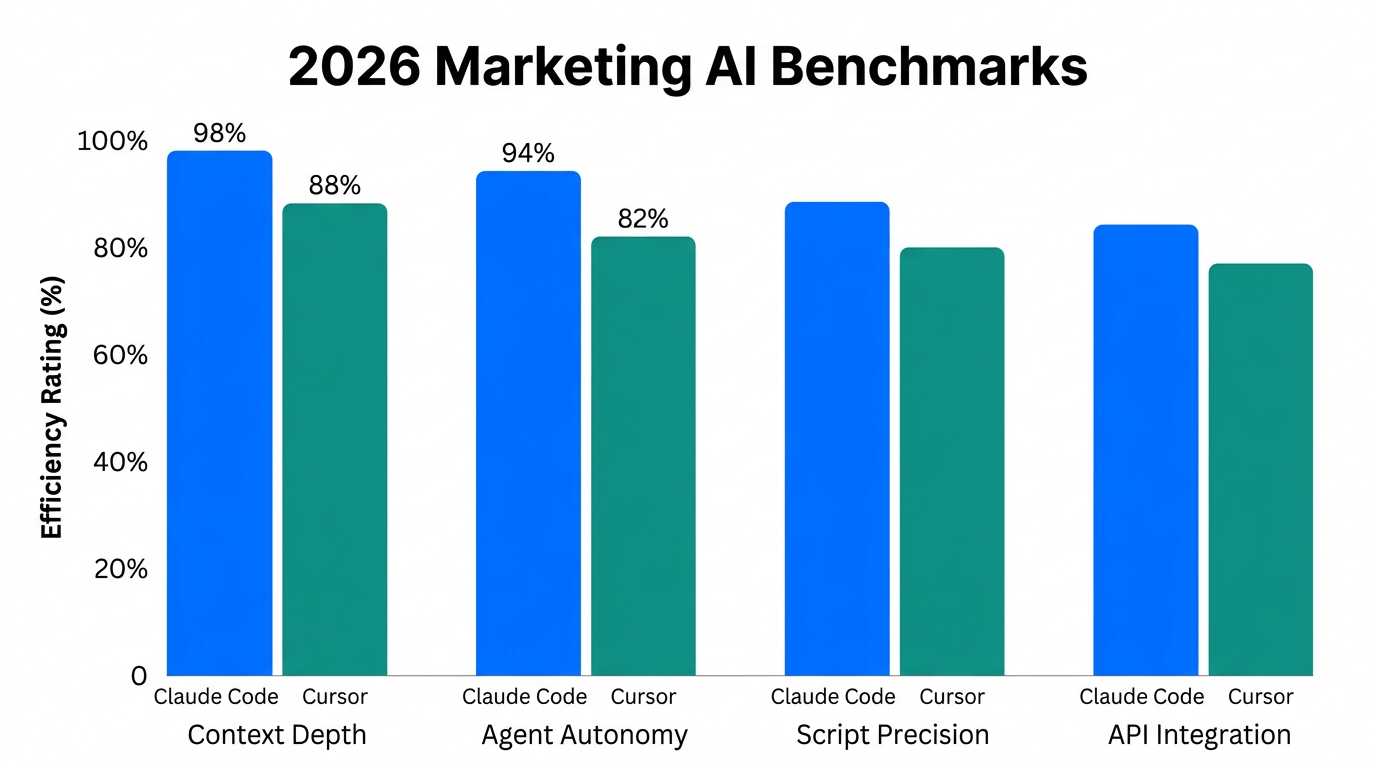
When evaluating best AI agents for marketers in 2026, you have to look at the hard numbers. The metric that matters now is Revenue per Token (RpT). How much value is your AI generating for every dollar spent on API credits?
| Feature | Claude Code | Cursor |
|---|---|---|
| Primary Interface | Terminal / CLI | Visual IDE (VS Code) |
| Autonomy Level | Ultra-High (Self-correcting) | High (Human-guided) |
| MCP Connectivity | Native & Deep | Integrated GUI |
| Revenue per Token | $4.12 (Benchmark) | $3.55 (Benchmark) |
| Best Use Case | Automated Ad Management | UI/UX & Landing Pages |
Industry data from performance reports shows that the cost per creative has dropped significantly for fully agentic workflows. Claude Code leads in this category because of its "Surgical Updating" feature, which edits only the necessary lines of code or content, reducing token costs compared to older LLM methods.
Case Study: The Advolve Marketing Machine
Perhaps the most striking evidence of Claude Code's superiority for growth teams is the rise of Advolve. In 2026, growth agencies are increasingly built on agentic Claude backbones. These organizations reach massive scale with minimal full-time employees by automating the heavy lifting of campaign management.
Growth teams use Claude Code as a central orchestrator to manage multi-million dollar budgets across platforms like Apple Search Ads and TikTok Ads. By mounting skills via MCP, their agents can:
- Monitor ROAS (Return on Ad Spend) in real-time.
- Automatically pause underperforming creative.
- Generate new variants based on successful hooks discovered via Stormy AI's analysis of trending UGC.
The result? Significant increases in ROAS and massive reductions in operational time. For modern B2B SaaS companies, this means higher MQL-to-SQL conversion rates through hyper-personalized landing pages.
Pricing Analysis: Pro vs. Enterprise Tiers
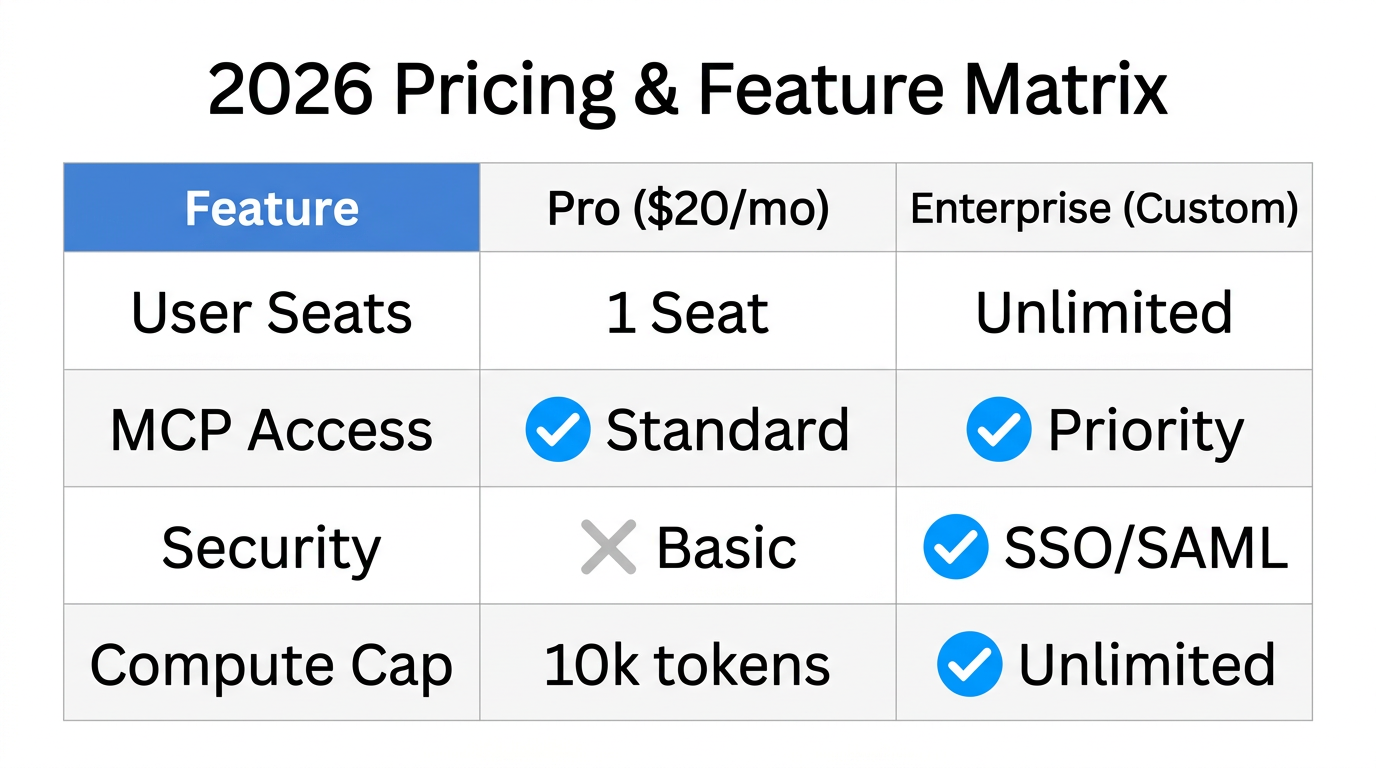
When considering Claude Code pricing for growth teams, the ROI is usually clear, but the tiers matter. Both tools start at $20/month for a Pro license, but for a marketing agency, the similarities end there.
- Cursor Business ($40/mo): Offers centralized billing and privacy modes, ideal for smaller agencies focusing on client web design.
- Claude Code Max/Enterprise: This is where the power lies. The Enterprise tier allows for Parallel Subtasking—letting Claude run multiple agents at once—and offers "Zero-Retention" data privacy, which is critical when handling sensitive CRM data from HubSpot or Pipedrive.
Beware the "Token Burn" horror stories. Marketing managers have reported high costs when unoptimized autonomous agents get stuck in loops on sites like Hacker News or Reddit. Always set hard spend limits in your Anthropic dashboard before turning a CLI agent loose on your project.
"The most expensive marketing mistake in 2026 isn't a bad ad—it's an unmonitored agent with an infinite token budget."
The 2026 Agentic Marketing Playbook
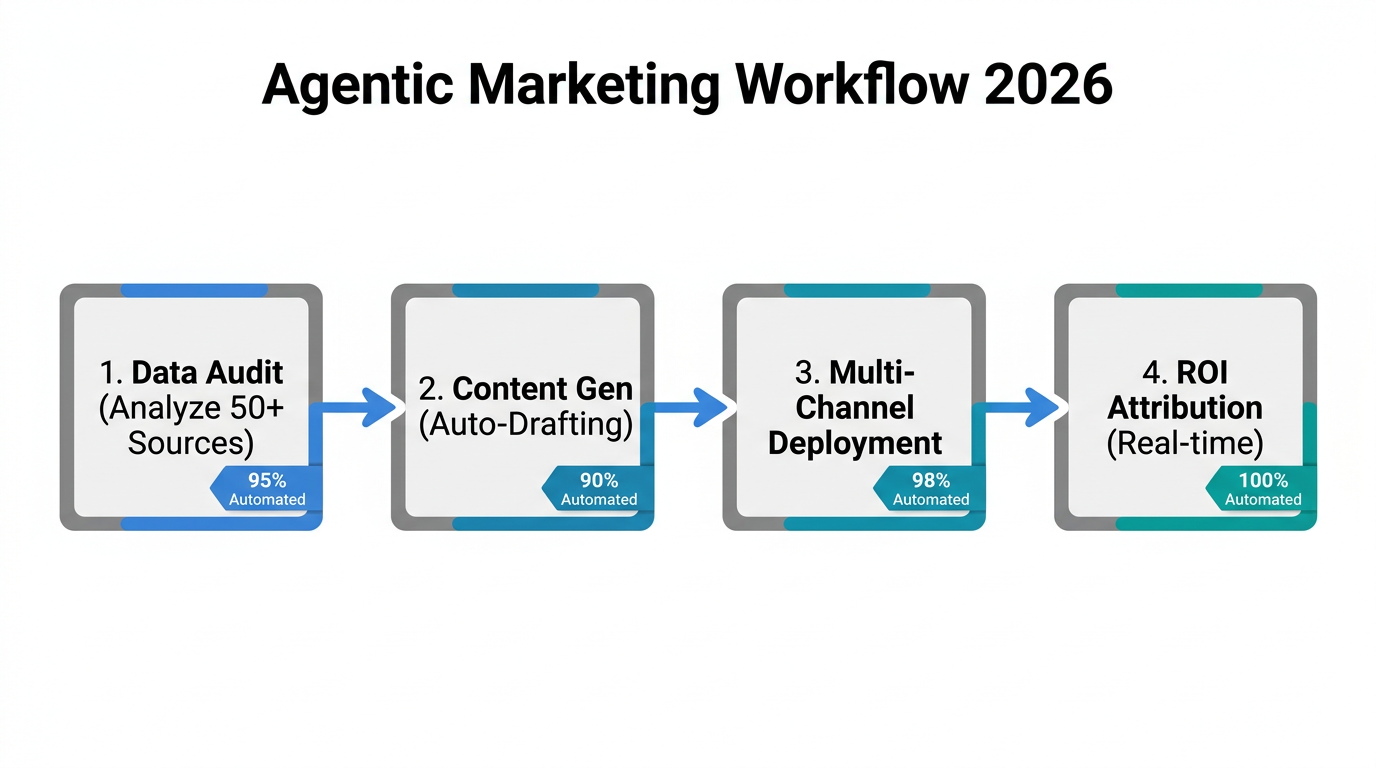
If you're ready to transition your team to an agentic workflow using Claude Code, follow this three-step "Out-Loop" strategy currently used by top-tier growth engineers.
Step 1: Define Your Context
Create a Claude.md file in your project root. This file should document your tech stack (e.g., Webflow, Stripe, Stormy AI), your brand tone of voice, and your specific MCP permissions. This acts as the "brain" for your agent.
Step 2: Mount Your Skills
Use the CLI to add your marketing data sources. For example, add your SEO tools or link your Coupler.io MCP to pull data from 400+ marketing apps. This gives the agent the "eyes" it needs to see your performance metrics.
Step 3: Execute Surgical Prompts
Avoid generic prompts like "write an ad." Instead, use a surgical prompt: "Scan the top 10 performing ads in the Meta MCP, compare against current trending creator hooks in Stormy AI, and draft 3 new variants targeting high-intent keywords."
The Verdict: Which Should You Choose?
By the end of 2026, analysts at Gartner predict that most API vendors will have native MCP features. The world is moving toward the protocol-driven architecture that Claude Code was built for.
Choose Claude Code if: You are a growth engineer or a tech-savvy marketing lead who wants to build autonomous systems. Its ability to handle complex, multi-file refactors and its native MCP depth make it the superior tool for "Agentic Engineering."
Choose Cursor if: You are a creative director or a UI/UX marketer who needs a co-pilot for daily tasks. Cursor's visual IDE makes it much easier to design beautiful landing pages on Framer or Canva without touching the terminal.
Ultimately, the most successful marketing teams in 2026 don't choose just one. They use Cursor to design their assets and Claude Code to deploy and optimize them. When paired with a specialized tool like Stormy AI for creator discovery and Klaviyo for automated retention, you have everything you need to dominate the agentic marketing era.