In 2026, the line between a growth marketer and a software engineer has almost entirely dissolved. We are no longer in the era of simple "Chat AI" where marketers simply ask for a blog post outline; we have entered the age of Agentic AI. This shift has driven the global AI in Marketing market to a staggering $45.8 billion, as growth teams leverage tools that don't just suggest ideas but execute them autonomously. According to MarketsandMarkets, this growth reflects a fundamental change in how marketing departments operate: they are becoming software-driven powerhouses.
For growth leaders, the primary dilemma of 2026 is no longer which LLM to use, but which agentic environment to deploy. Should your team live in the terminal-first world of Claude Code, or the visual, AI-native IDE of Cursor? As of early 2026, 64% of high-growth marketing teams are already utilizing CLI-based agents like Claude Code to manage technical SEO and API integrations, per the Salesforce State of Marketing 10th Ed.. This guide provides a deep-dive analysis into which tool will define your growth strategy this year.
The Philosophy of Automation: CLI vs. IDE
The choice between Claude Code and Cursor is fundamentally a choice of philosophy. Claude Code, Anthropic's agentic command-line interface, is built for autonomous execution. It doesn't want to hold your hand; it wants to do the work for you. Anthropic reported that by 2026, their API revenue from non-developer roles like marketers increased by 410%, largely driven by the efficiency of this "headless" approach. It is raw, fast, and designed to manipulate your entire file system with surgical precision.

On the other hand, Cursor remains the gold standard for integrated assistance. Built as a fork of VS Code, it provides a visual experience that allows marketers to see changes in real-time. If Claude Code is the "robot that builds the robot," Cursor is the high-tech cockpit for the pilot. According to DevTools Academy, user sentiment suggests that Cursor is superior for designing visual experiences, while Claude Code is unrivaled for infrastructure and system-wide refactors.
"Claude Code is about moving from 'AI as an assistant' to 'AI as a colleague' that can actually execute the technical drudgery that slows down creative teams." — Dario Amodei, CEO of Anthropic.
Use-Case Mapping: When to Use Which Tool
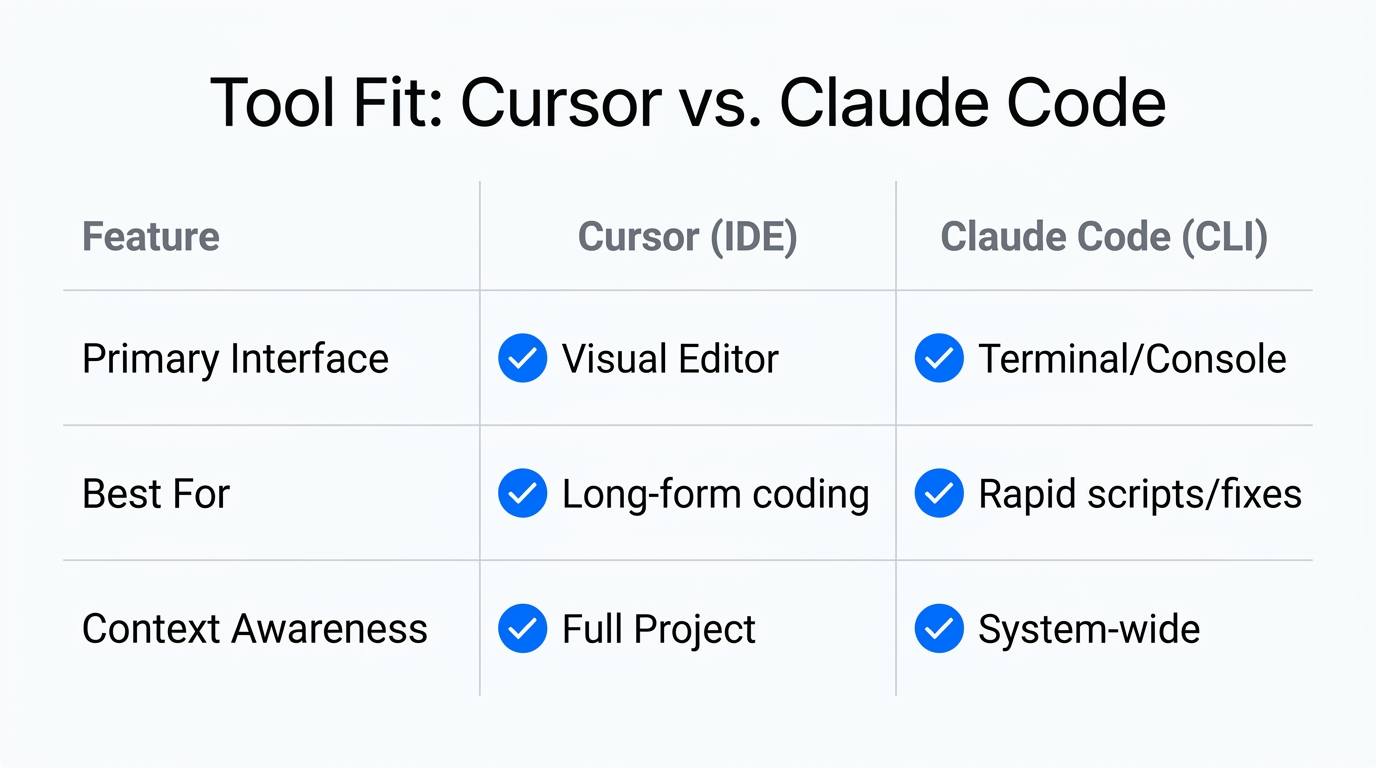
Choosing the best AI agents for growth teams requires understanding the specific task at hand. In 2026, the marketing tech stack is less about a single tool and more about a best-of-breed workflow. Claude Code has become the primary tool for technical SEO remediation. It can monitor Google Search Console via API and automatically refactor meta-tags or fix broken schema across thousands of pages without a single human ticket. Companies implementing these workflows report a 35% reduction in technical debt, according to Gartner.
However, when it comes to landing page design and user experience (UX), Cursor is the clear winner. Its visual "Composer" mode allows growth hackers to tweak CSS, move buttons, and adjust layouts with immediate feedback on Figma prototypes or live code. While Claude Code could technically do this, the lack of a visual interface makes iterative design frustrating. For growth teams, the division of labor usually looks like this:
| Marketing Task | Recommended Tool | Why? |
|---|---|---|
| Site-wide SEO Audits | Claude Code | Autonomous file system access and high-speed batch processing. |
| Landing Page Creation | Cursor | Visual diff previews and real-time layout adjustments. |
| API Integrations | Claude Code | Best-in-class support for Model Context Protocol (MCP) servers. |
| Email Template Coding | Cursor | Easier to debug rendering issues across different email clients like Mailchimp or Klaviyo. |
Cost-Benefit Analysis: Usage-Based vs. Subscription
Pricing structures in 2026 have diverged. Claude Code operates on a usage-based model via the Claude API, typically costing around $15 per 1 million tokens. This is highly cost-effective for growth teams running small, targeted automation scripts. However, for complex agentic tasks like auditing a massive e-commerce site on Shopify, token burn can escalate quickly. To mitigate this, teams are using the compact flag in Claude Code to summarize history and manage context window costs.
Cursor follows a traditional SaaS subscription model, with Pro tiers at $20/month and Business tiers at $40/month. For teams that spend 40+ hours a week inside their codebases, Cursor offers a more predictable line item in the budget. Meanwhile, enterprise-level marketing dev-ops often stick to GitHub Copilot for its deep integration with existing corporate security protocols.
The 'Shadow Engineering' Risk: Governance in 2026
As marketing teams become more technical, a new threat has emerged: Shadow Engineering. This occurs when creative professionals use tools like Claude Code to build custom marketing stacks that aren't documented or maintainable by the central engineering team. Gartner predicts that 40% of agentic marketing projects are at risk of cancellation by 2027 due to poor governance and "unmaintainable spaghetti code."
Security is another critical concern. In 2025, 88% of organizations reported an AI agent security incident, ranging from accidental data deletion to prompt injection vulnerabilities. To prevent this, marketing leaders are implementing Permission Sandboxes, ensuring that agents like Claude Code only have "write" access to specific directories, such as /marketing-assets/ or /seo-metadata/, while remaining restricted from core application logic. Teams are also adopting security reporting via platforms like Zapier automation to monitor agent behaviors in real-time.
"In 2026, the best marketers are those who can speak 'Agent.' It’s not about coding; it’s about orchestrating the code." — Ann Handley, MarketingProfs.
Workflow Integration: The 2026 Marketing Tech Stack
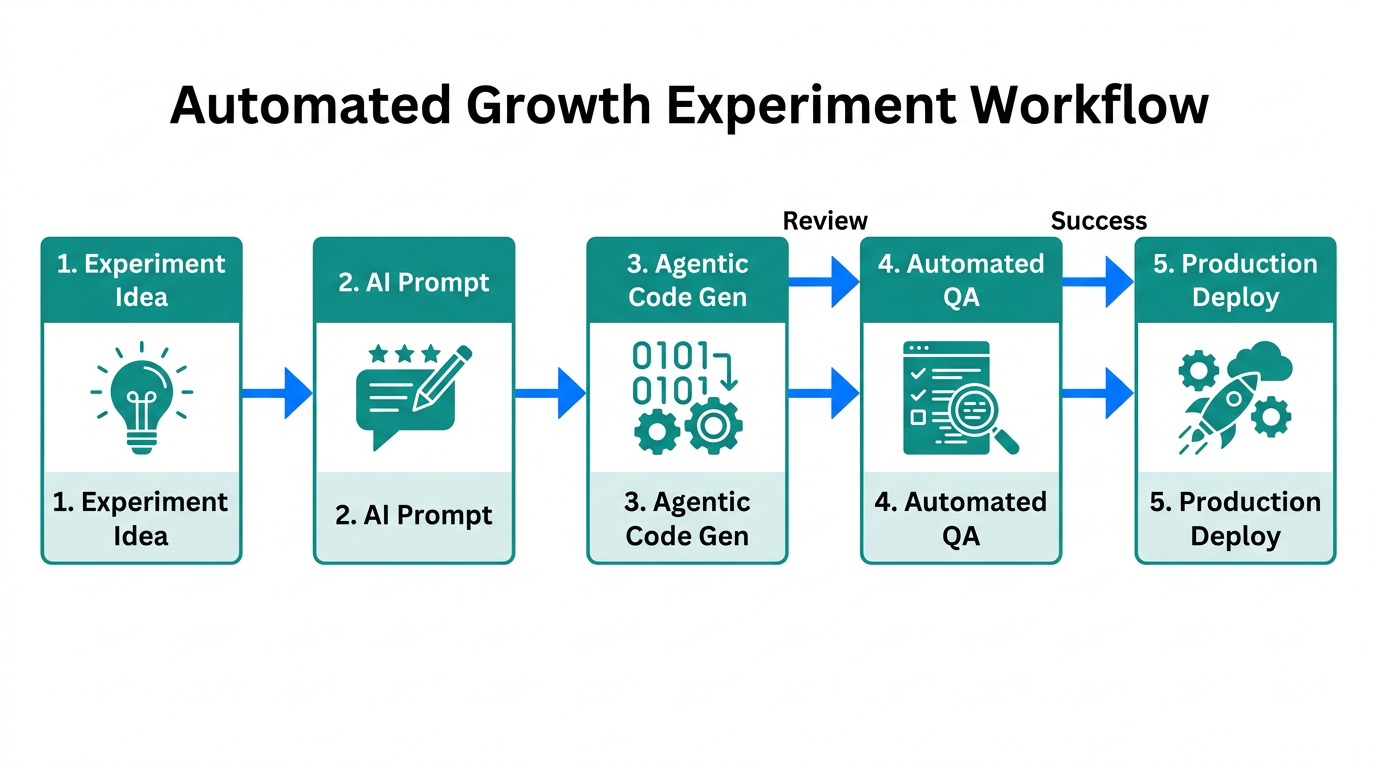
For a complete marketing tech stack 2026, the goal isn't to choose one tool, but to use them in tandem. Growth teams are increasingly using a tiered approach to automation. They start with high-level strategy and content ideation in standard Claude.ai web interfaces, then move to technical execution. For example, a fintech startup used Claude Code to automate 500 personalized landing pages, reducing their time-to-market from 4 weeks to 2 days and increasing conversions by 22%.
A modern growth workflow might look like this:
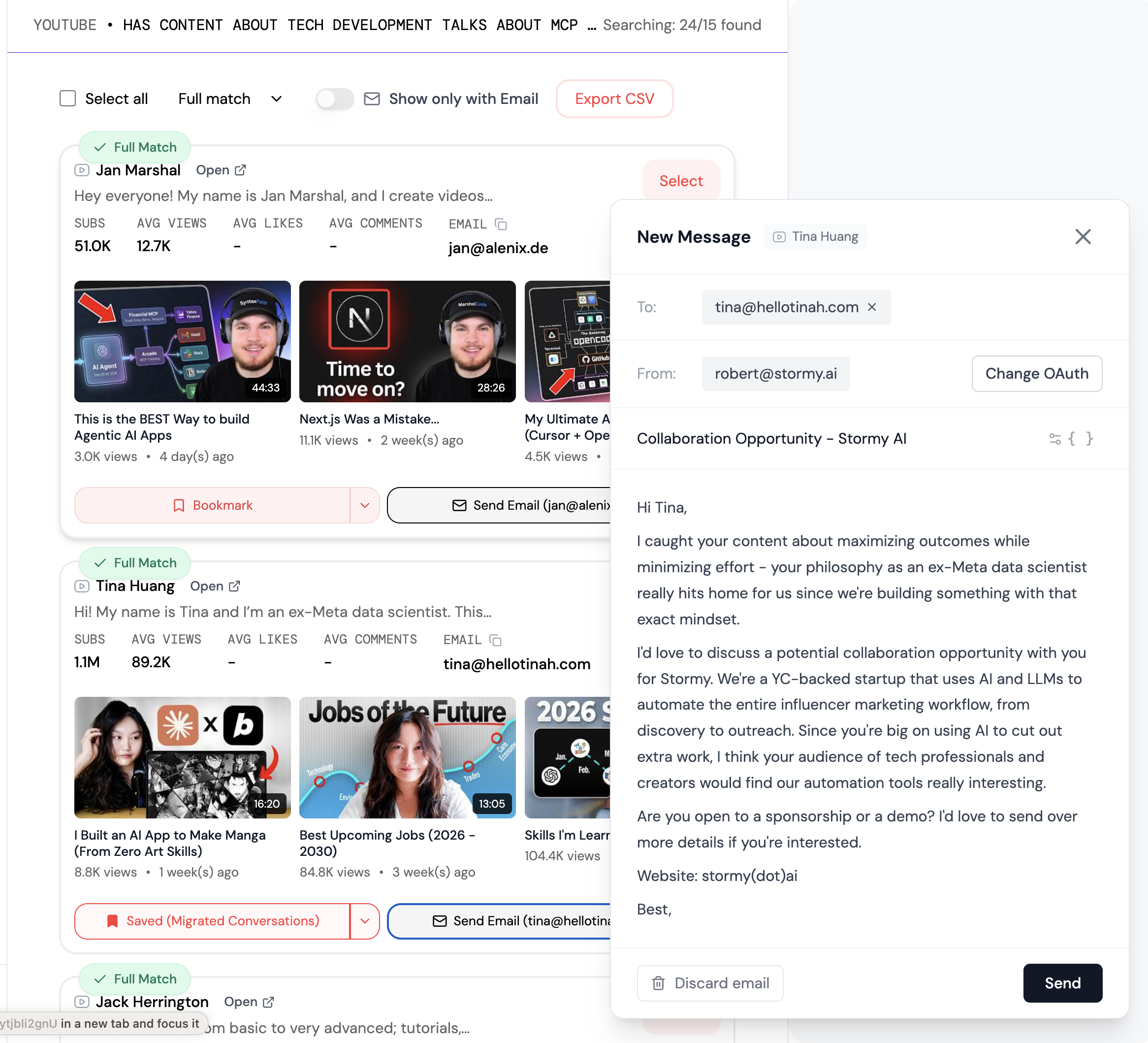
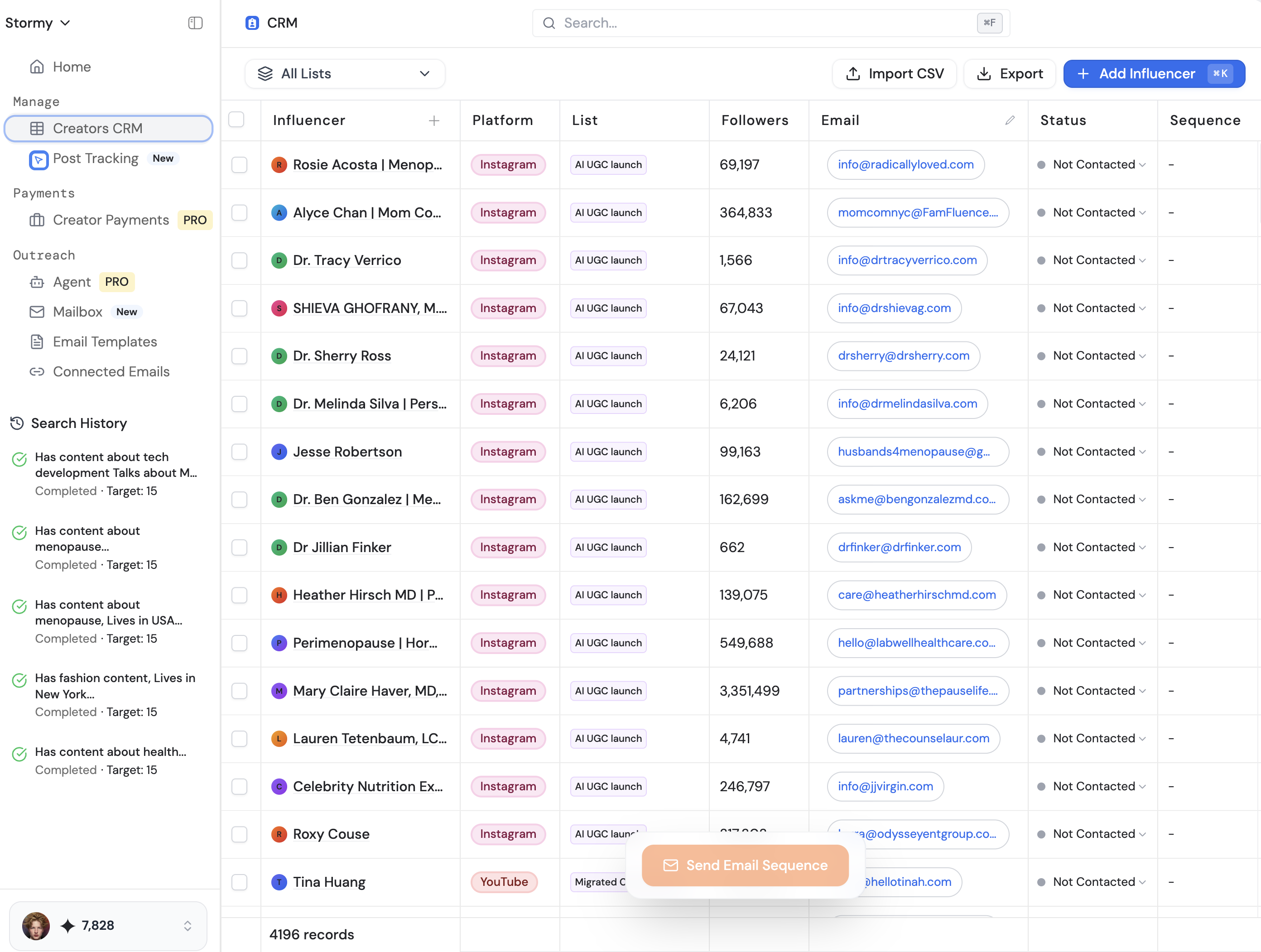
- Discovery: Using platforms like Stormy AI to identify high-performing creators and influencers on TikTok and Instagram.
- Systemization: Running Claude Code to build scripts that scrape competitor pricing or monitor social trends via API.
- Creation: Using Cursor to design the front-end components of a new campaign landing page or custom influencer portal.
- Outreach: Managing the human side of the campaign by using Stormy AI for hyper-personalized, AI-generated email sequences.
- Deployment: Pushing the final code to Vercel for instant global availability.
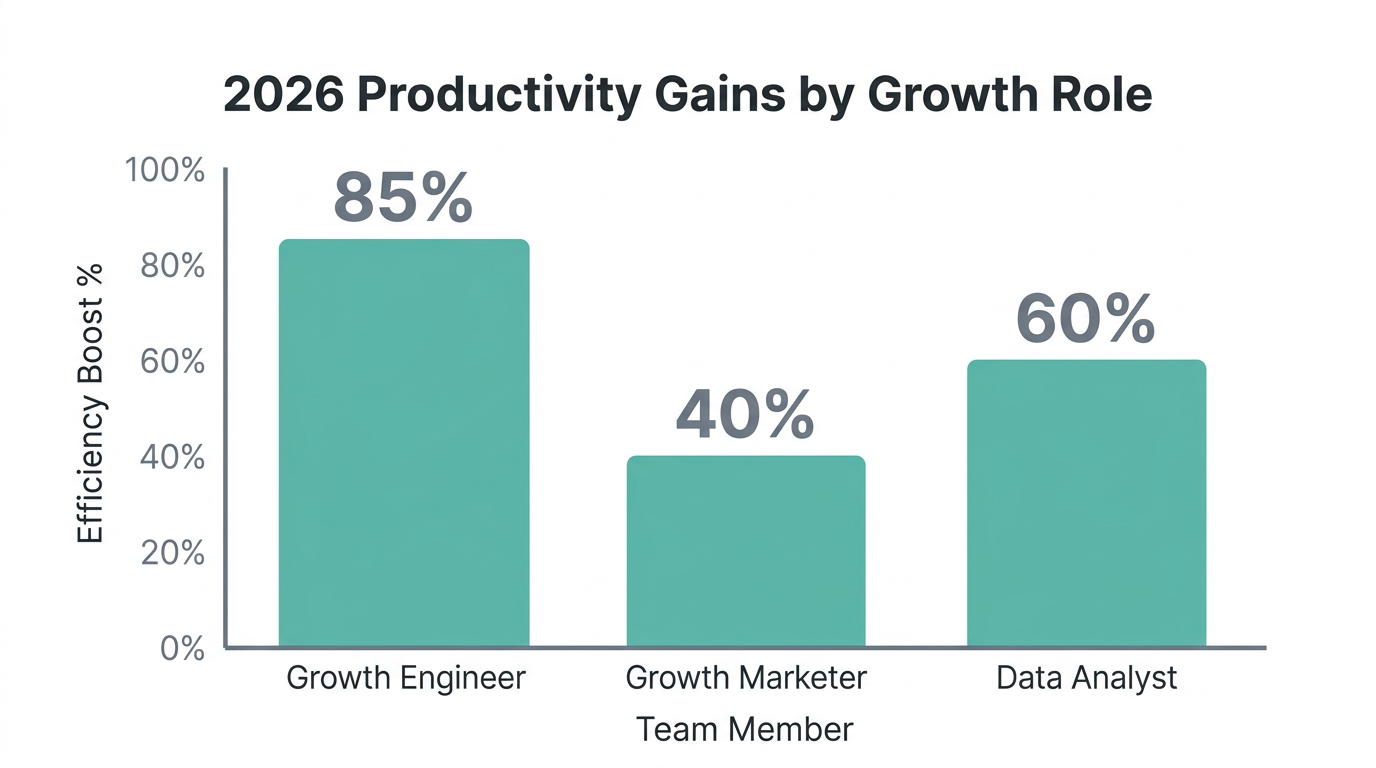
By pairing technical agentic IDEs for marketers with specialized growth tools, teams can achieve a 127% faster content-to-code pipeline, as noted in a recent Stanford GSB Study on AI productivity.
Final Verdict: Which Agentic Tool Wins?
The "best" tool depends on your team's technical maturity and current objectives. If you are looking to build autonomous systems that handle SEO, data scraping, and bulk file manipulation, Claude Code is the undisputed champion. Its speed and terminal-native capabilities make it the most powerful agent for technical marketing execution ever built. Teams who find the command line intimidating often pair it with Warp Terminal to make commands more visual and shareable.
If your focus is on building and designing high-conversion landing pages and interactive marketing assets, Cursor is your best bet. Its visual interface reduces the cognitive load of coding and allows for a more creative, iterative process. In 2026, the most successful growth teams aren't choosing just one—they are mastering both, ensuring that every creative idea has a fast, automated path to production.