In 2026, the landscape of software development has undergone a seismic shift. The era of spending six months in a dark room building a 'perfect' MVP is dead. Today, the most successful founders aren't the ones who can write the most elegant code, but the ones who can iterate the fastest. With the release of agentic tools like Claude Code, the barrier between a customer's complaint and a live production feature has shrunk from weeks to minutes. This guide explores how rapid product development and AI-assisted execution are defining the winners of the 2026 SaaS economy.
Speed as a Marketing Moat: Shipping in Real-Time
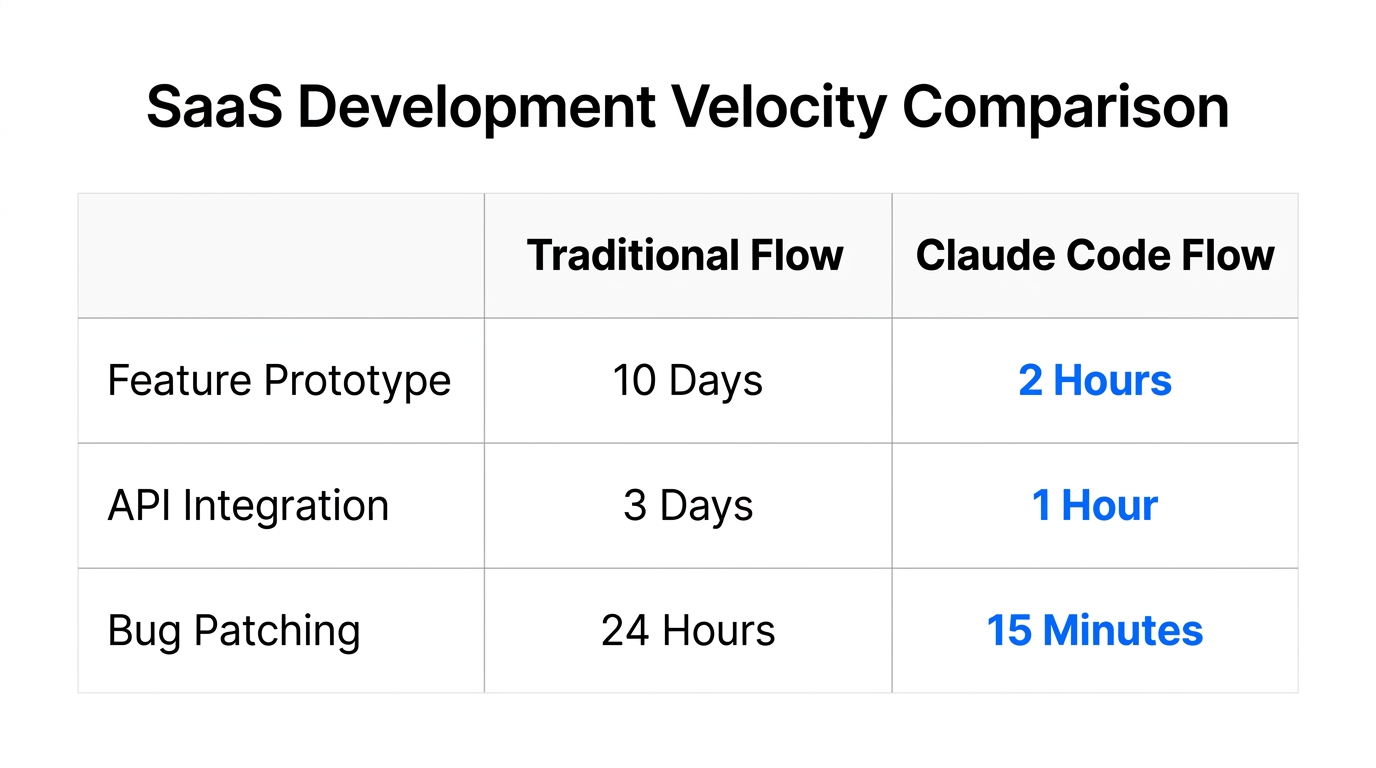
In previous years, a 'moat' was defined by complex proprietary technology or massive capital reserves. In 2026, your moat is your cycle time. When a user mentions a bug on X or requests a feature in your Discord, and you push that update before they’ve finished their morning coffee, you create a level of brand loyalty that no amount of traditional marketing can buy. Claude Code for SaaS development allows even non-technical founders to act as their own engineering leads, interpreting codebase structures and deploying patches with simple natural language commands.
"In 2026, speed isn't just a competitive advantage—it's the only defensible moat against the noise of a million AI-generated apps."
Consider the story of Thomas, the founder of Packager, a tool that automates application deployment for IT admins. While building in a 'boring' niche like Microsoft Intune, Thomas realized that his customers valued reliability and responsiveness above all else. By shipping updates based on direct user feedback, he scaled his business to $60,000 per month. In 2026, this level of growth is only possible when you treat your development pipeline as a direct extension of your customer support.
| Feature | 2024 Workflow (Manual) | 2026 Workflow (Claude Code) |
|---|---|---|
| Bug Identification | Manual logs & ticket triage | AI-automated log analysis |
| Code Implementation | 4-8 hours of manual coding | Seconds via agentic prompts |
| Deployment | Staging to Prod (Days) | Continuous CI/CD (Minutes) |
| User Validation | Weekly feedback sessions | Real-time iteration cycles |
The Shift: From 'How to Build' to 'How to Distribute'
 5:37
5:37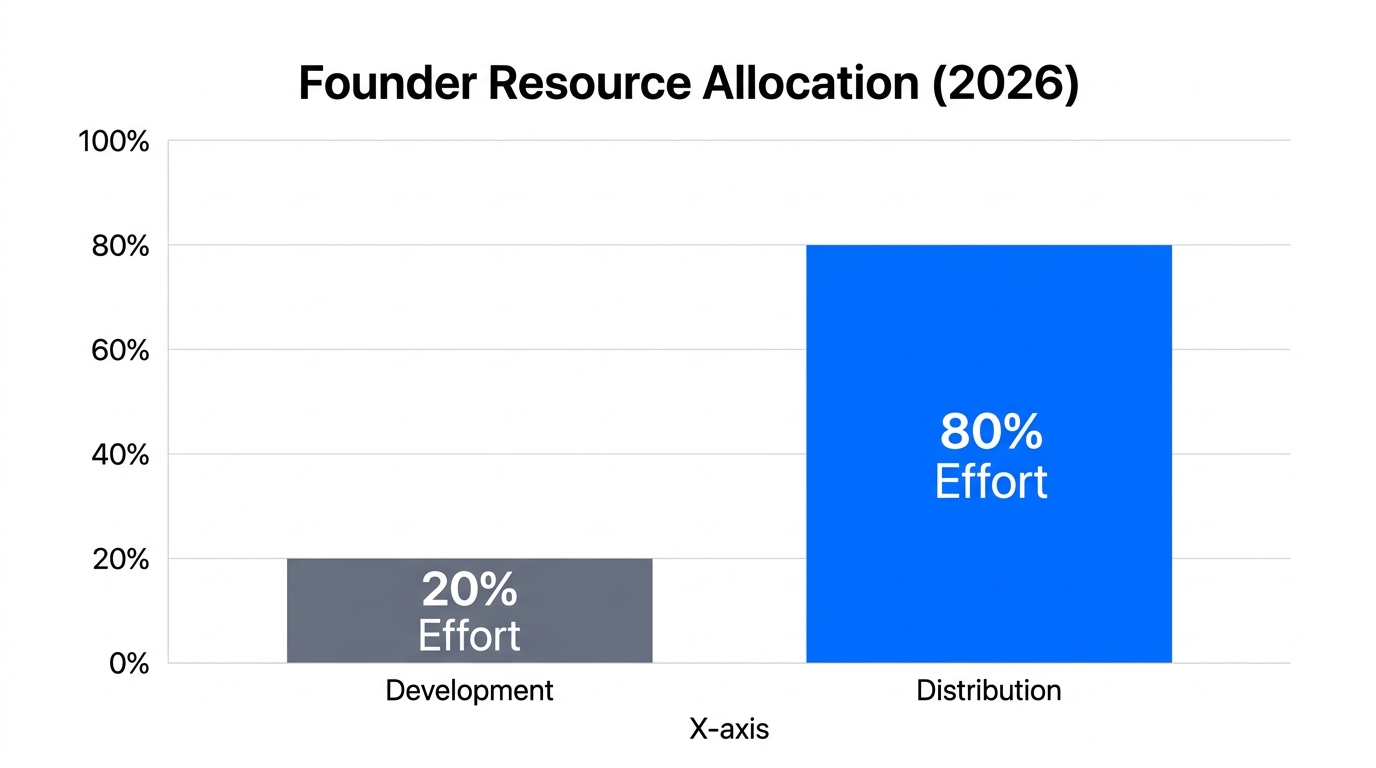
Now that AI for entrepreneurs has commoditized the 'building' phase, the competitive bottleneck has moved. If everyone can build a functional app in a weekend using tools like bubble.io and GitHub, the only variable that matters is who can get that app in front of the right eyeballs. Distribution is the new alpha. Successful founders are spending 20% of their time on product and 80% on SaaS growth hacking 2026 tactics.
Thomas's journey highlights this perfectly. He didn't just build Packager; he found his first customers where they already lived: on Reddit. By launching a free version and listening to the 'rude' feedback, he validated the demand before ever charging a dime. This product-led growth tactic ensures that you aren't building in a vacuum. Once you have a working MVP, leveraging platforms like Stormy AI to find niche influencers—such as Microsoft MVPs or IT YouTubers—can accelerate your distribution by orders of magnitude.
The Continuous Improvement Cycle: Leveraging Feedback Loops
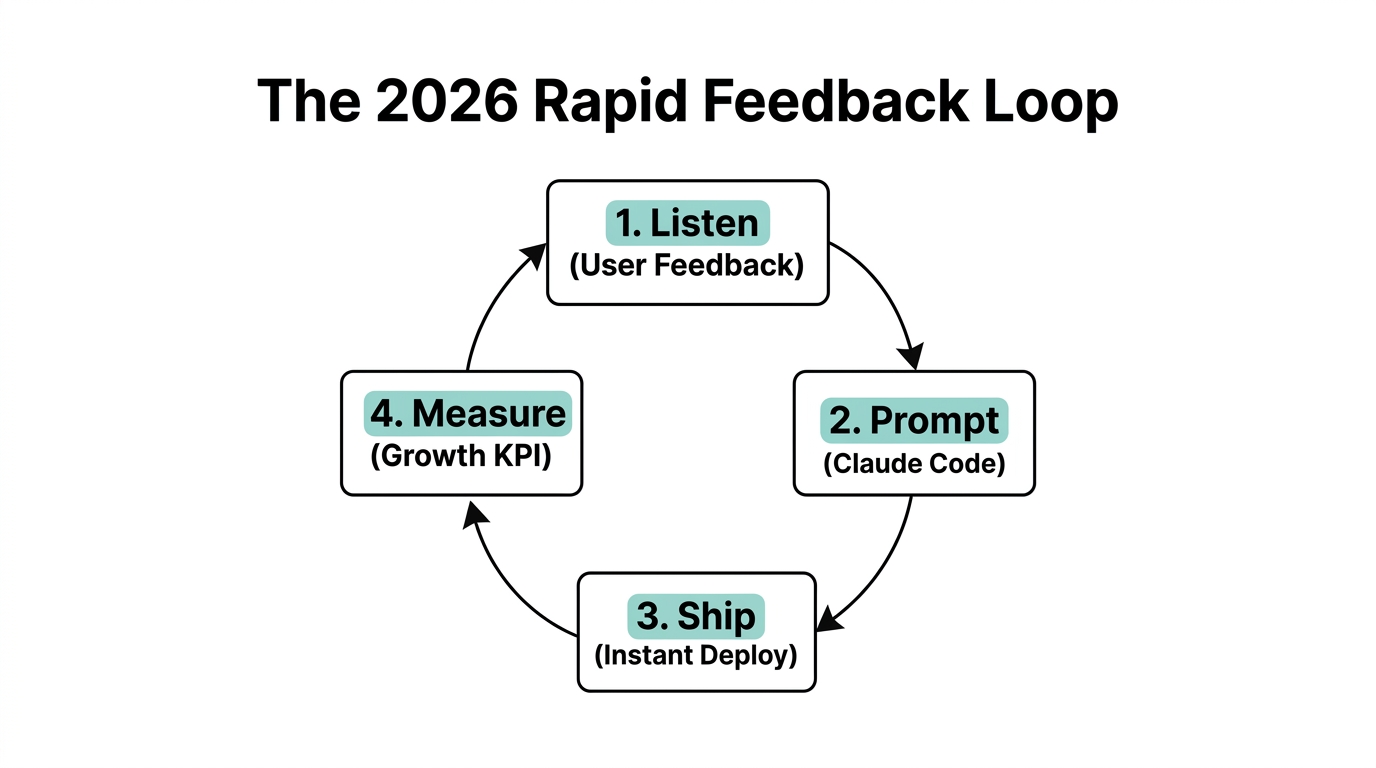
The secret to Thomas’s $60,000/month revenue wasn't a genius original idea; it was his willingness to solve a 'boring' problem that he lived every day. When you use Claude Code for SaaS, you can implement a 'Continuous Improvement Playbook' that looks like this:
- Monitor: Watch subreddits, forums, and Discord channels for specific technical pain points.
- Prototype: Use Claude Code to build a script or a 'tiny app' that solves that one specific problem.
- Feedback: Release the tool for free and encourage 'harsh' feedback.
- Iterate: Feed the feedback directly into Claude to refactor the code and stabilize the platform.
- Monetize: Once users are getting utility, introduce a low-friction subscription (e.g., via Stripe at $25/month).
This cycle allows you to move from an idea to a validated, paying customer base in a fraction of the time it took just two years ago. By the time a competitor has even finished their market research, you’ve already iterated through five versions of your product based on real-world usage data.
"Don't chase flashy AI ideas. Find a boring manual task that takes an hour, automate it into one click, and you'll find a million-dollar business sitting right in front of you."
Automating the 'Boring' Parts of Business Growth
5:07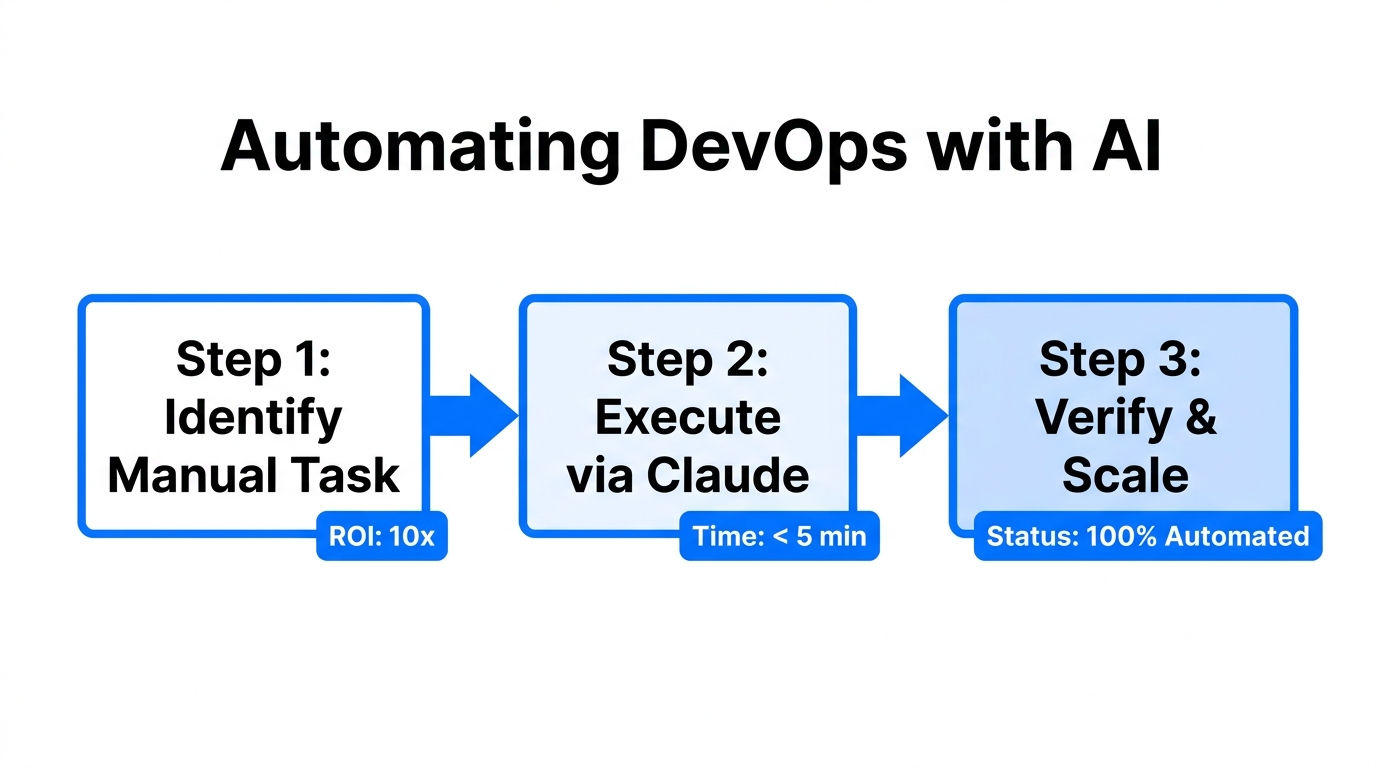
Scaling a SaaS isn't just about writing code; it's about the 'boring' infrastructure that keeps the lights on. In 2026, AI handles more than just the front end. Founders are using AI agents to manage their monday.com boards, track development tickets, and even handle compliance hurdles. For example, enterprise customers today demand SOC 2 compliance and security certifications almost immediately. Automated platforms like Vanta have become essential tools in the founder's tech stack, allowing them to skip the paperwork and focus on shipping.
Even distribution can be automated. When you need to reach out to creators or potential partners to demo your product, you don't need a massive sales team. Using an AI-powered influencer platform like Stormy AI, you can set up an autonomous agent that discovers creators in your niche, sends hyper-personalized outreach, and manages the follow-ups while you sleep. This AI for entrepreneurs approach allows a solo founder to operate with the horsepower of a 20-person agency.
Why 2026 Rewards Executors over Visionaries
11:50The 2026 SaaS landscape has little patience for the 'visionary' who refuses to ship. Because speed is the new currency, the market rewards those who can execute on 'boring' but profitable ideas. Thomas’s success with Packager wasn't because Intune automation was a 'sexy' topic—it's because he solved a persistent, high-value problem for a specific group of people with low churn rates. IT admins using his tool inside companies aren't looking for the next big thing; they're looking for a tool that works and saves them time.
If you're looking to start a business this year, your goal should be to optimize for freedom and speed rather than scale at all costs. Keep your team small, your costs low (leveraging serverless functions on Microsoft Azure), and your iteration speed high. When you combine the power of Claude Code for rapid shipping with the precision of Stormy AI for creator-led distribution, you create a growth engine that is nearly impossible for legacy players to catch.
Conclusion: Your 2026 Growth Playbook
The era of the non-technical 'super-founder' is officially here. By leveraging Claude Code for SaaS, you can eliminate the traditional friction of software development and focus on what actually moves the needle: solving problems and finding users. Whether you're building a tool for IT admins or a UGC management platform for brands, the rules remain the same: ship fast, iterate based on feedback, and use AI to automate your distribution. The 'boring' niche you've been ignoring might just be your next six-figure business. Are you ready to stop planning and start shipping?