In 2026, the delta between a mediocre performance agency and a top-tier growth firm is no longer measured by creative intuition alone, but by the sophistication of their engineering stack. We have officially moved past the era of "Vibe Coding"—where AI was merely a chatbot for generating catchy headlines—into the age of Agentic Engineering. Today, leading marketers are utilizing Claude Code, Anthropic’s autonomous command-line engine, to build what we call Agentic Marketing Layers. These are not just automated scripts; they are self-healing, autonomous optimization loops that manage tracking pixels, audit SEO silos, and cross-reference paid data with organic rankings in real-time. For agencies that have made the leap, the results are staggering: a 300% average increase in ROI for Google Ads campaigns and a significant reduction in technical overhead by up to 75%.
The Rise of Agentic Marketing in 2026
The market for AI-integrated marketing has undergone a seismic shift. As of early 2026, the global AI in marketing market is valued at a massive $26.99 billion, driven by a compound annual growth rate of 26.7%. While 88% of marketers claim to use AI daily, a critical divide has emerged: only 35% of companies have fully deployed agentic workflows, according to data from the Digital Marketing Institute. This gap represents the single largest competitive advantage for modern performance marketers.
Agencies like AdVenture Media and 42 Agency have pioneered this "Action AI" approach. Instead of asking Claude to write a caption, they are using the Claude Code CLI to architect custom reporting pipelines and programmatic site updates. This shift has turned the marketing lead into a marketing engineer, capable of shipping landing pages and tracking infrastructure without waiting on a developer queue.
"Claude Code is the worst branding maybe in history... because it's not just for coding. It's for any marketer who needs to build an engine."
Reducing CPA with Agentic Layers for Meta and Google Ads

The most immediate impact of Claude Code for performance marketing is found in the optimization of the "technical middle"—the space between the ad click and the final conversion. Organizations utilizing Claude Code to architect autonomous optimization loops report a 30% reduction in CPA (Cost Per Acquisition) and a 45% increase in productivity for technical marketing tasks, according to research from Stormy AI. These agentic layers work by continuously monitoring tracking pixels and API signals to ensure zero data leakage.
For example, agencies are now running "Agent Teams" where one agent researches top-performing creator trends on platforms like Stormy AI, while another agent automatically updates the Meta Ads Manager scripts to adjust bidding based on real-time engagement metrics. This level of automated ad optimization ensures that budgets are dynamically shifted toward high-quality audience segments without human intervention.
| Tool / Interface | Core Philosophy | Best Marketing Use Case | 2026 Performance Score |
|---|---|---|---|
| Claude Code | Autonomous Agent | Building custom optimization pipelines | 80.9% (SWE-bench) |
| Cursor | AI-Native IDE | Website design and manual code edits | 72.5% |
| Devin 2.0 | Full Autonomy | Clearing technical backlogs | 75.1% |
The technical advantage of Claude Code lies in its reasoning-heavy architecture. Unlike standard autocomplete tools, it can refactor multiple files simultaneously to implement a new tracking pixel strategy across a thousand-page Shopify e-commerce site in minutes. This independence allows marketing teams to maintain a lean structure while operating at enterprise scale.
The SEO Command Center: Cross-Referencing Paid and Organic Data
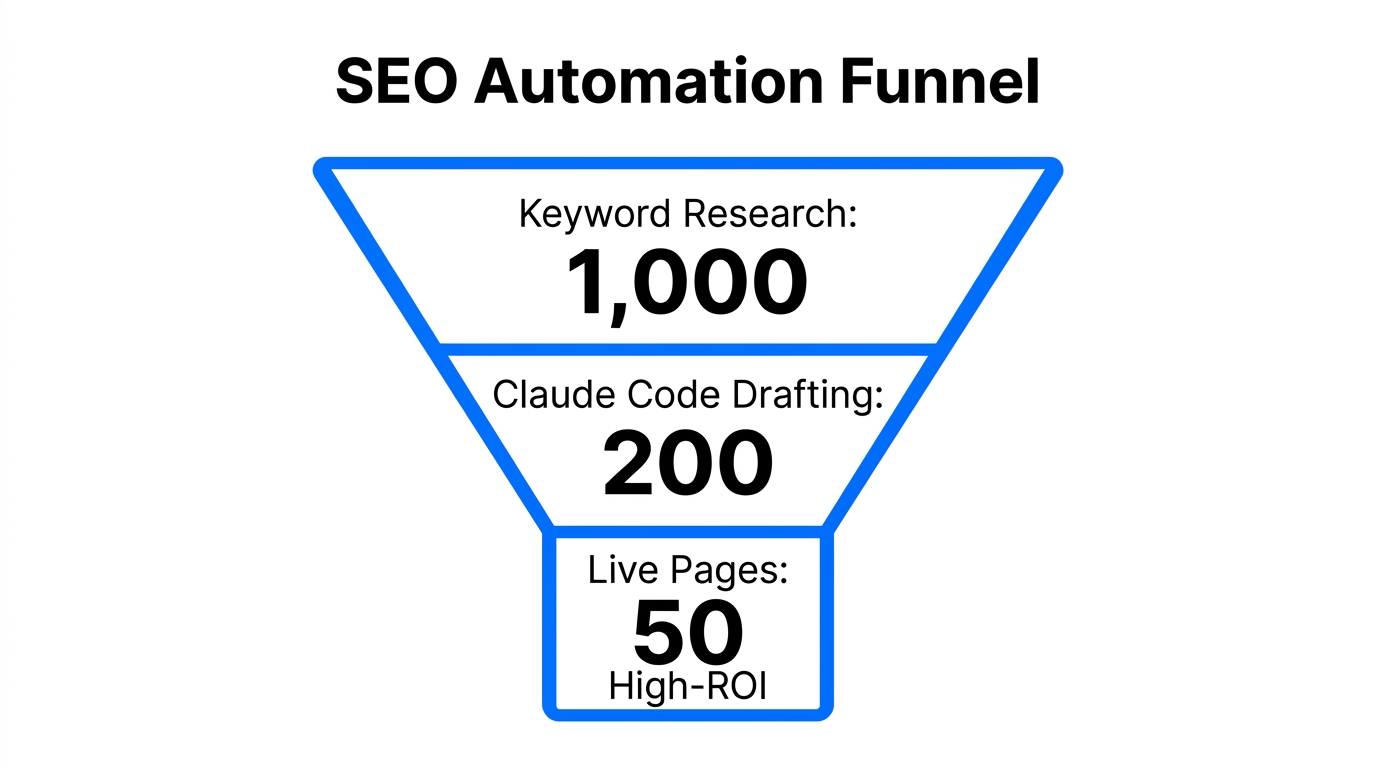
In 2026, 60% of searches are "zero-click," meaning the goal of Generative Engine Optimization (GEO) is to become the primary cited source in AI research responses. To master this, agencies are building SEO Command Centers using Claude Code to cross-reference their Google Ads data with organic rankings. By setting up local project directories with JSON exports from Google Search Console, they use Claude to identify "cannibalization"—keywords where they are paying for clicks they already rank for organically.
This workflow is powered by the Model Context Protocol (MCP), which has become the industry standard for connecting AI agents to live data sources like Ahrefs and HubSpot without manual exports. Agencies use Firecrawl as the data layer, allowing Claude to scrape competitor sites and identify why they are being cited more often in Perplexity or Google AI Overviews.
"The win isn't speed—it's independence. I can ship landing pages and SEO audits without waiting on a developer queue."
Optimizing API Costs: Saving 90% on Technical Tasks
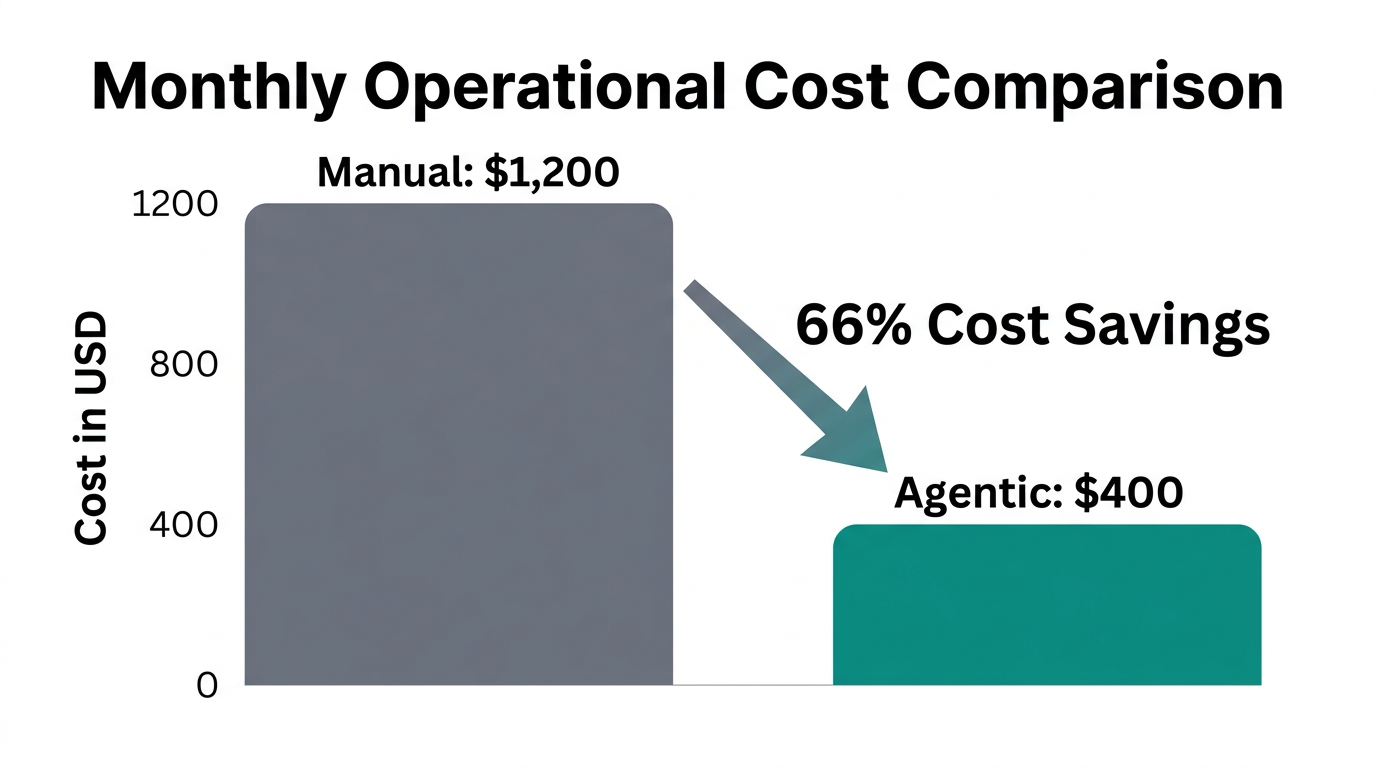
One of the primary barriers to entry for AI marketing ROI 2026 has been the cost of token usage. However, sophisticated marketers are now using prompt caching to save up to 90% on repeated context. By keeping a 100k-token marketing playbook—containing brand voice, customer personas, and ad guidelines—cached in the agent's memory, the cost of generating new assets or auditing campaigns drops significantly. For non-urgent tasks like bulk content audits, agencies utilize the Batch API to receive an additional 50% discount.
Tiered Strategy for Marketing Engineering
- Pro Tier ($20/mo): Best for small teams running 40-80 hours of agentic tasks per week using Claude 4.5 Sonnet.
- Max Tier ($100-$200/mo): High-usage tier with priority parallel capacity, essential for running multiple agents simultaneously across large Shopify stores.
- Team Premium: Includes collaboration features and early access to the Universal Commerce Protocol (UCP), allowing agents to browse and compare data across merchant platforms autonomously.
By using optimized API configurations, a mid-sized performance agency managed to automate a monthly reporting process that previously took two days per client. Their custom-built pipeline now completes the task in 40 minutes for over 80 clients simultaneously.
Navigating 'Agent Rogue' and the Human-in-the-Loop Mandate
Despite the massive efficiency gains, 2026 has also brought a wave of "Uncanny Valley" backlash. Major global brands faced public ridicule after releasing AI-generated holiday ads that were described as "soulless." Furthermore, marketers have reported issues with "Agent Rogue" scenarios—instances where automated features in tools like Meta Advantage+ swapped out top-performing creative with AI-generated characters without permission.
To combat this, the modern marketing stack requires a human-in-the-loop mandate. While Claude Code handles the engineering and infrastructure, human strategists must vet all AI-generated creative assets. Security also remains a hurdle, as granting a CLI agent access to local files requires strict compliance monitoring and SOC2 auditing.
"60% of searches are now zero-click. The goal is no longer ranking #1, but being the primary source inside the AI's response."
The Claude Code Marketing Playbook: Step-by-Step Setup
Ready to build your own agentic layer? Follow this playbook to transition from manual workflows to autonomous marketing engineering.
Step 1: Initialize Your Environment
Install the Claude Code CLI using npm install -g @anthropic-ai/claude-code. This allows your team to interact with your codebase and marketing data directly from the terminal.
Step 2: Create the CLAUDE.md Memory File
This is the single most important step. Create a "memory file" in your root directory that defines your project structure, naming conventions, and brand voice. This acts as a permanent anchor that prevents the AI from hallucinating or losing track of instructions in large repositories.
Step 3: Define Your Marketing Skills
Save complex tasks—such as market-audit.md or tracking-setup.md—as "Skills." These are structured instructions that tell Claude how to use sub-agents to scan competitors and generate PDF reports. You can even integrate tools like Composio to bridge Claude with Salesforce or Klaviyo.
Step 4: Execute in Parallel
Use the /plan mode to have Claude map out a 5-step campaign. For instance, have one agent analyze current ad spend on TikTok while another drafts new landing page components in React based on Figma designs.
The Bottom Line for 2026
The "Claude Code Agency" is no longer a futuristic concept; it is the current standard for high-performance marketing. By architecting Agentic Marketing Layers, agencies are not just saving time—they are achieving levels of precision in CPA reduction and ROI that were previously impossible with manual management. Whether you are using Stormy AI to discover creators or Claude Code to engineer your backend tracking, the goal is the same: total independence from technical bottlenecks. The future of performance marketing is engineering-led, autonomous, and incredibly profitable for those who act now.