For years, marketing departments have been trapped in a cycle of dashboard fatigue. We build complex visualizations in Looker or Tableau, only to find that by the time a human interprets the data, the opportunity for optimization has passed. The shift from static reporting to conversational marketing analytics is no longer a futuristic concept—it is a functional reality. With the release of Claude Code and the Model Context Protocol (MCP), the industry is moving from "Chat AI," which merely suggests ideas, to "Action AI," which executes entire workflows from the terminal.
This transition is significant. According to recent data from Anthropic, a staggering 79% of Claude Code interactions are now classified as "automation" rather than mere "augmentation." This means marketers are no longer just asking for advice; they are commanding AI agents to perform deep data analysis, sync CRM records, and audit campaign performance autonomously. In this guide, we will explore how to implement these tools to reclaim your time and maximize your campaign performance.
From Dashboards to Conversational Analytics: The Death of the Static Chart
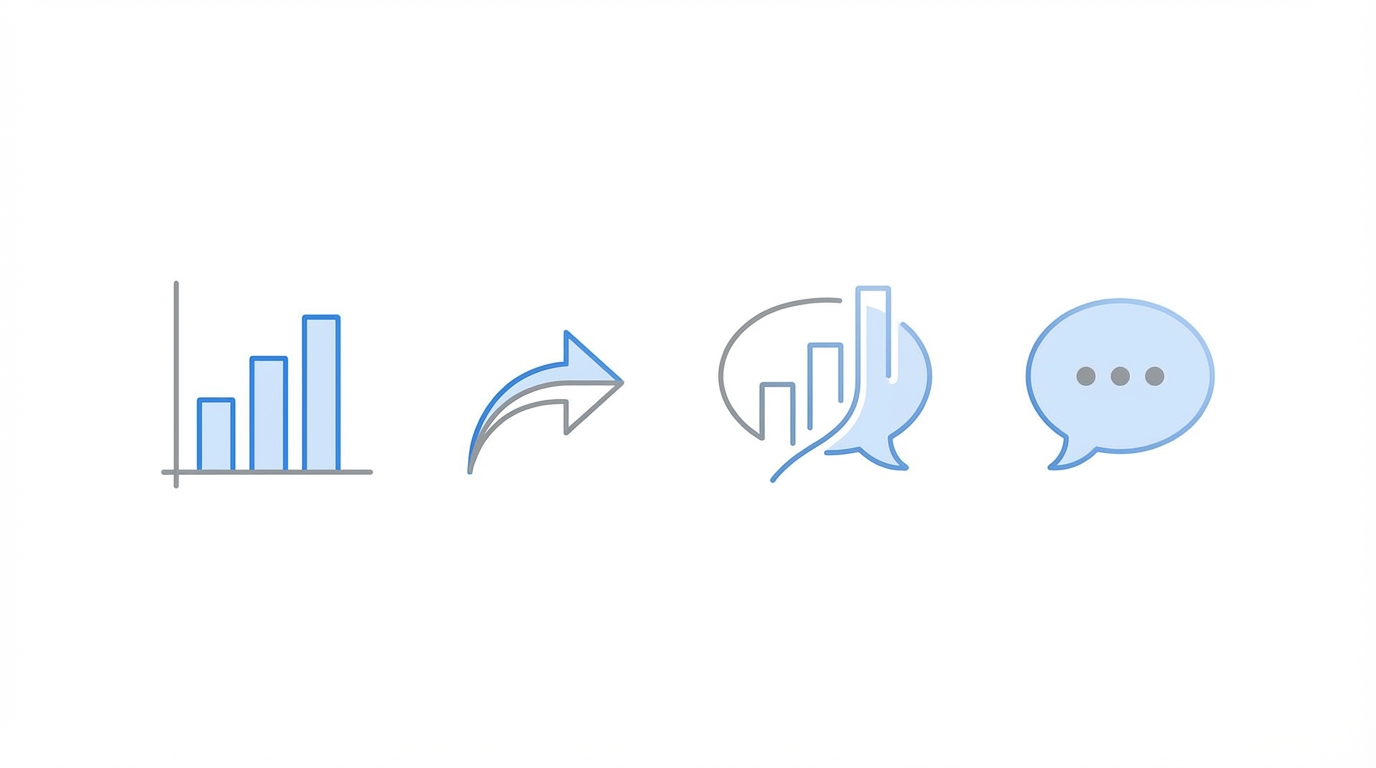
The traditional marketing workflow involves jumping between Google Ads, Meta Business Suite, and internal CRMs to piece together a story of success or failure. This "context-switching" is a productivity killer; experts at Hashmeta report that the average marketer loses 12 hours per week simply moving data between different browser tabs. The promise of conversational marketing analytics is to eliminate this friction entirely.
By using Claude Code integrated with the Model Context Protocol (MCP), marketers can treat their data infrastructure as a living, breathing entity. Instead of clicking through filters to find a specific metric, you simply ask. Platforms like Syncari are championing a "dashboard-less" future where you can query your stack in plain English. For example, a growth lead can ask, "Which creator had the highest ROI in Q2?" and receive a real-time table with attribution metrics, rather than hunting for the right PDF report.
This efficiency isn't just about saving time; it's about the speed of decision-making. When you can identify a high-performing creative variant in seconds, you can reallocate budget before the day is over. Early adopters are seeing Ad production speeds drop from 30 minutes to just 30 seconds for a single Google Ads variation, according to Anthropic’s internal benchmarks.
Automating the Audit: Reducing 8-Hour Tasks to 2 Hours
One of the most labor-intensive tasks in any agency or internal marketing team is the automated content audit. Whether it is an SEO audit of a 500-page site or a creator vetting process for an upcoming influencer campaign, the manual labor involved is immense. Traditionally, a specialist would have to manually check engagement rates, verify follower authenticity, and cross-reference content with brand guidelines.
By deploying specialized Claude Code sub-agents, teams are now reducing 8-hour manual audits to just 2-hour automated workflows. These agents can crawl websites, scrape social metrics, and run sentiment analysis on thousands of comments simultaneously. Digital Applied notes that this 75% time saving allows marketers to focus on strategy rather than spreadsheet management. In the context of influencer marketing, this means you can audit an entire roster of creators for "fake followers" and brand safety in the time it takes to grab a coffee.
Vibe Marketing: Treating the Funnel as Code
In 2025, a trend known as "Vibe Marketing" has emerged. This approach treats the entire marketing funnel—from the landing page to the ad creative—as a codebase. Using Claude Code, marketers are now deploying variations of campaigns directly from their terminal. This allows for a 10x increase in the number of creative variants tested per campaign, a benchmark cited by Generation Digital.
This level of scale is essential for modern app marketing and UGC-driven campaigns. If you are running an app install campaign, the ability to rapidly iterate on video hooks and call-to-action buttons determines your cost-per-install (CPI). When your creative output increases tenfold, your chance of finding a "winner" that scales your business increases proportionally.
Implementing MCP and Market Tools for Data Sync
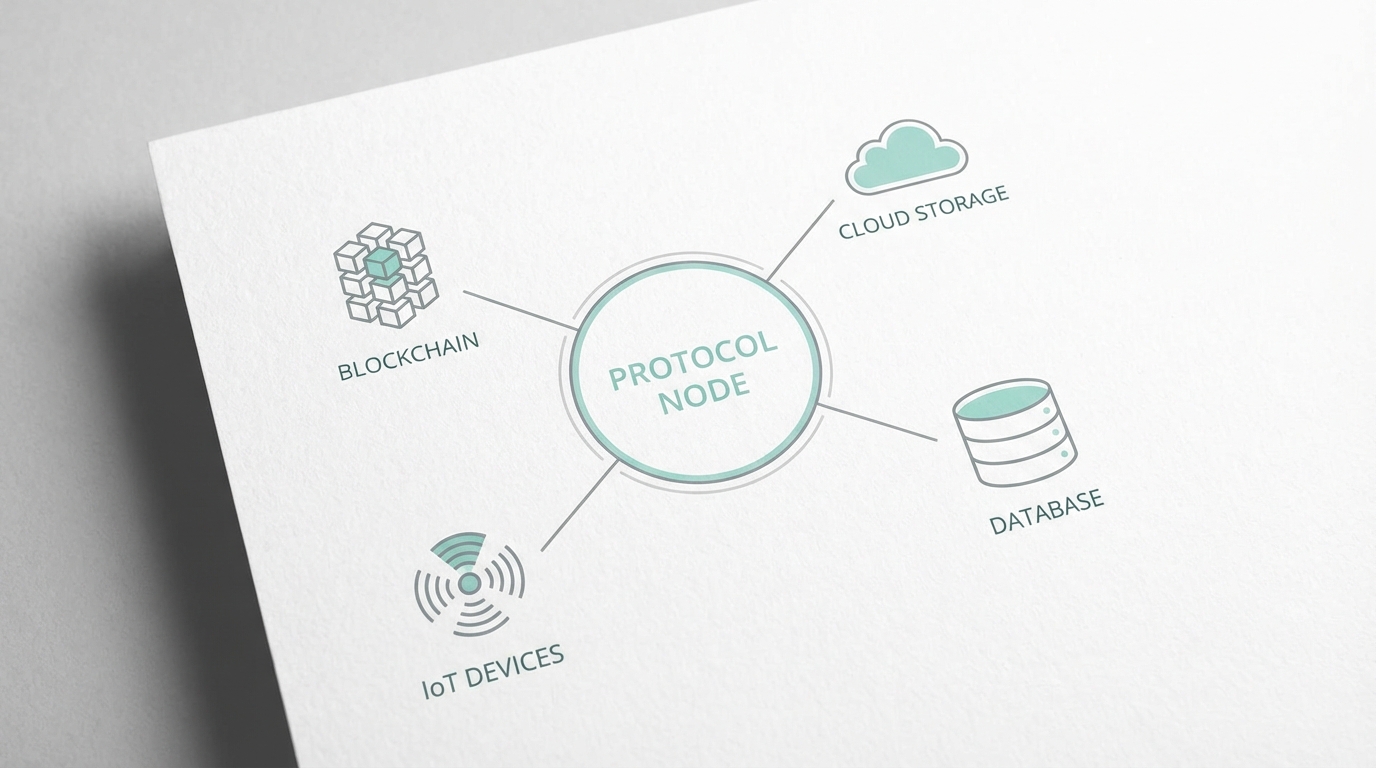
The technical backbone of this revolution is the Model Context Protocol (MCP). MCP acts as a universal bridge between AI models like Claude and external data sources. Without MCP, Claude is limited to the data it was trained on or the files you manually upload. With MCP, Claude has "hands"—it can reach into your Shopify store, your Google Ads account, or your SEO tools.
For instance, using the MCP Market, you can add specific "skills" to your Claude environment. A popular workflow for creator-led brands involves the Apify Influencer Discovery skill. By running a command like npx skillfish add apify-influencer-discovery, you allow Claude to scrape TikTok and Instagram metrics in real-time. You can then command the agent to "Filter for creators with >4% engagement and zero recent brand overlaps with competitors."
To manage these creators at scale, tools like Stormy AI can help source and manage UGC creators, providing the AI-powered discovery and vetting layer that feeds directly into your automated ROI reporting. Combining specialized platforms with general-purpose AI agents creates a powerful ecosystem for growth.

Marketing ROI Automation with Programmatic Ad Copy
Beyond discovery, marketing ROI automation extends into the creative production phase. Instead of manually writing 15 headlines for a Responsive Search Ad (RSA), you can use a CSV-to-Ads workflow. By exporting your best-performing creator content from a tool like Stormy and feeding it to Claude Code, you can generate hundreds of high-converting headlines that strictly adhere to character limits. This data can then be exported back into a Google Ads-ready format for bulk upload, as detailed in recent developer workflows on Dev.to.
Ensuring Privacy: The Case for Claude Enterprise
As marketing teams begin to feed proprietary campaign data, customer lists, and financial ROI metrics into AI agents, data privacy becomes a non-negotiable priority. A common mistake cited by Landrum Talent Solutions is using free or personal AI accounts for company data. This risks sensitive information being used to train public models.
To solve this, Claude Enterprise for marketing is essential. The enterprise tier ensures that your data is not used for model training and provides the administrative controls needed to manage access across a large team. When you are building a "Project Folder" architecture that contains your entire campaign history, you need to know that your competitive advantages are protected behind enterprise-grade security.
Building a Project Folder Architecture for Scale
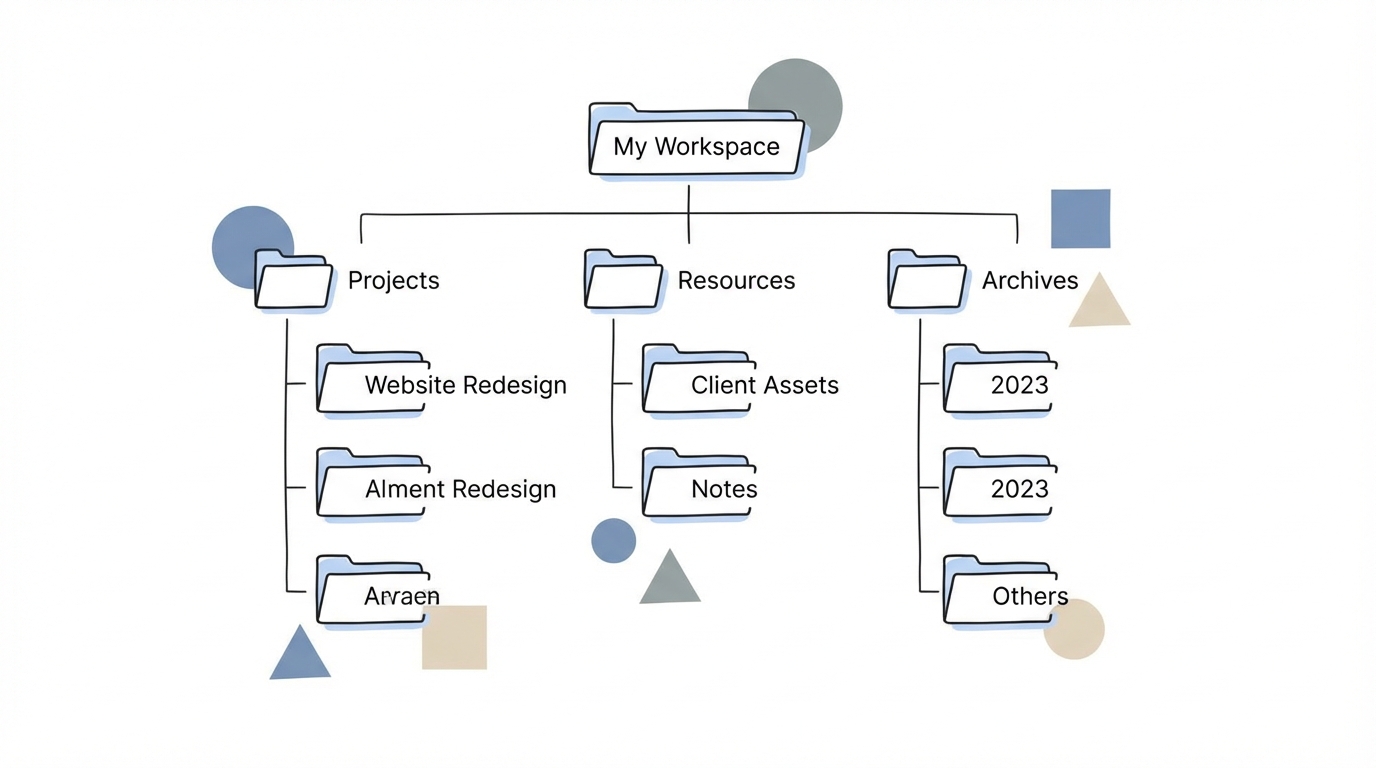
Success with Action AI requires organization. Instead of starting a new chat for every task, sophisticated teams use a "Project Folder" architecture. This involves keeping a CLAUDE.md file in your main campaign directory. This file acts as the "long-term memory" for the AI agent, storing brand guidelines, past performance data, and specific technical requirements.
By maintaining this context, you avoid the "AI Slop" trap—a term used by Young Company to describe generic, off-brand content that fails to engage audiences. When the AI knows your history, it produces content that feels human because it is grounded in your brand's unique voice and past successes.
For internal tool integration, many teams are using Retool to build custom dashboards that connect to their AI agents. This allows non-technical team members to benefit from Claude Code’s power through a simple, custom-built UI. Whether you are automating your outreach or tracking post-performance, having a centralized CRM like the one offered by Stormy AI ensures that your AI agents always have a "source of truth" to pull from.
The Action AI Playbook: Your Next Steps
Transitioning to a real-time, AI-driven marketing operation doesn't happen overnight. It requires a move away from manual data entry and toward programmatic workflows. To get started, follow this simple playbook:
- Identify the Bottleneck: Pinpoint the tasks taking up the most time (e.g., creator vetting or ad copy generation).
- Set Up Your Infrastructure: Transition to Claude Enterprise and set up the Model Context Protocol to link your data sources.
- Automate the Audit: Use Claude Code to run your first automated content audit, comparing your current assets against your best-performing benchmarks.
- Scale via Vibe Coding: Use terminal-based commands to generate high volumes of ad creative, utilizing tools like Kling AI for video or MiniMax for character-driven content.
- Maintain the Human Touch: As emphasized by LNM, never automate 100% of your creator outreach. Use AI to draft, but keep a human in the loop to build the actual relationship.
By leveraging conversational marketing analytics and the power of Action AI, you can reduce production costs by up to 90% (as suggested by MIT Sloan research on AI video production) and focus your energy on what truly matters: the strategy and creativity that moves the needle for your brand.