By mid-2026, the gap between traditional automation and agentic growth has become a chasm. While legacy systems rely on rigid "if-then" logic, the modern growth stack is built on autonomous layers that don't just send emails—they make strategic decisions based on real-time data. As the global marketing automation market surges toward $8.14 billion this year, the most significant shift is the rise of Claude Code as a bridge between your messy CRM data and high-intent customer actions.
The 2026 Integration Crisis: Why 54% of AI Projects Fail
Despite the hype, the "Trust Gap" in 2026 is real. Research shows that between 42% and 54% of AI initiatives were scrapped over the last year due to integration debt and fragmented data. When autonomous agents are built on a foundation of "hallucinated" or inaccurate lead data, the resulting "AI slop"—low-quality, error-ridden outreach—leads to 72% consumer distrust according to recent trust barometers.
The solution in 2026 is API grounding. By connecting Claude Code directly to your source of truth, you move from generic content generation to AI marketing data activation. This ensures that every automated nudge is based on actual user behavior rather than probabilistic guesses.
"2026 is the year AI finally handles the heavy lifting, allowing marketers to focus on community and strategy." — David Visser, CEO of Zyber
Mapping High-Intent Clusters for Lead Response
Traditional lead scoring is dead. In 2026, we use predictive lead scoring to map "intent clusters." Instead of assigning arbitrary points to a web visit, Claude Code analyzes the semantic depth of a user's interaction. For example, a user searching for specific implementation costs or niche use cases is flagged as a "High-Intent Cluster" lead.
Using Claude Code, you can build a script that monitors your CRM (like Salesforce or Stormy AI) and automatically triggers a hyper-personalized response. This isn't a template; it’s an agentic action that reviews the lead's entire social footprint—including their recent activity on platforms like TikTok or YouTube—to craft a message that resonates. For teams looking to scale this further, Stormy AI provides the essential creator-side data to ensure your B2B or B2C outreach is backed by influential context.
| Strategy Component | Legacy Approach (2025) | Agentic Approach (2026) |
|---|---|---|
| Lead Scoring | Static points (e.g., +5 for email open) | Predictive intent clustering via Claude |
| Outreach | Standardized templates | One-to-one generated logic |
| Data Source | Third-party cookies (RIP) | Zero-party preference centers |
Tutorial: Connecting Claude Code to Your CRM for Predictive Churn
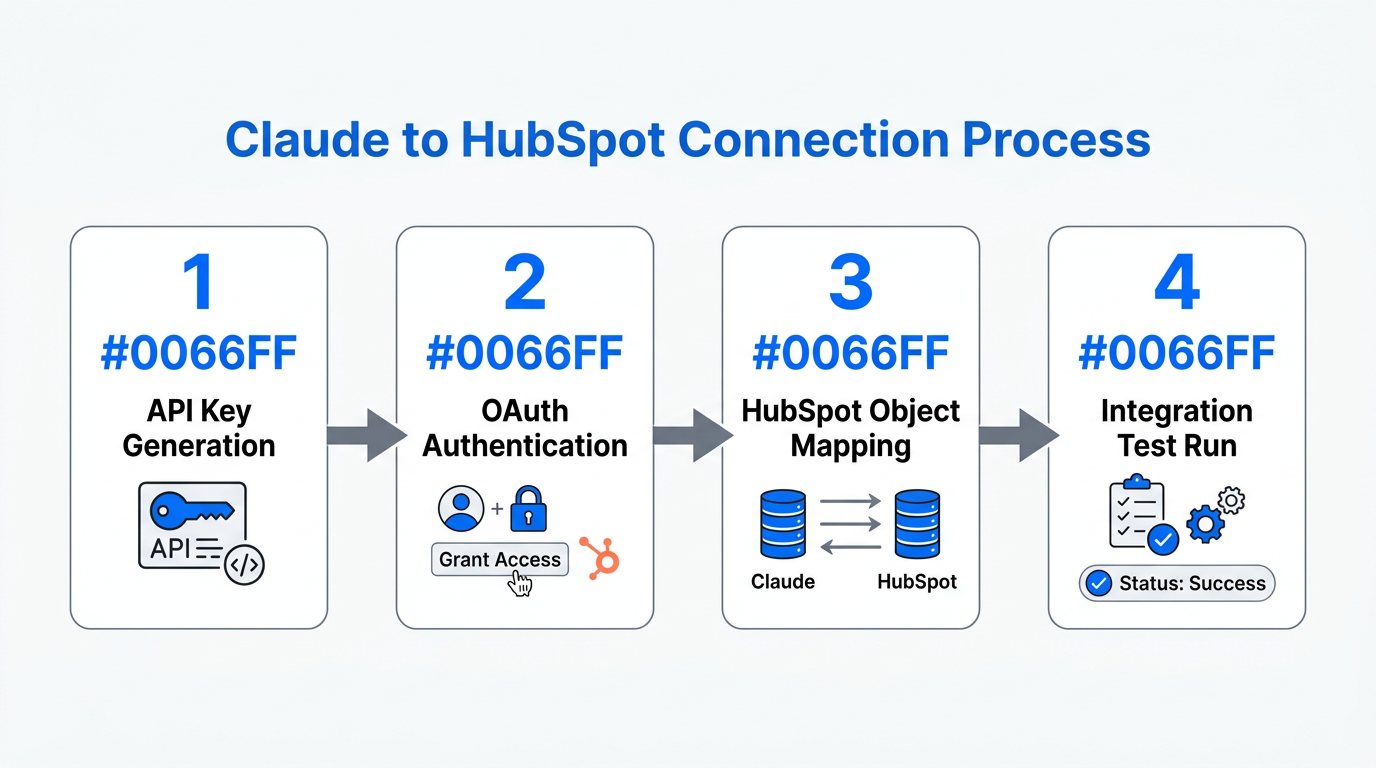
One of the most powerful automated growth workflows involves preventing churn before it happens. By connecting Claude Code to your enterprise CRM, you can build a system that identifies "at-risk" behavior patterns that humans might miss.
Step 1: Unified Data Ingestion
First, ensure your CRM is fed by a composable CDP like Hightouch. This connects your web events, support tickets from Intercom, and payment data from Stripe into a single customer record. Claude Code needs this full picture to function effectively.
Step 2: Define the Predictive Logic
Use Claude Code to write a Node.js or Python script that calls your CRM API. Instead of looking for a "cancel" button click, have Claude look for decreased velocity: fewer logins, reduced API calls, or a lack of interaction with new features. This is the heart of predictive lead scoring in 2026.
Step 3: Deploy the Agentic Script
Deploy your script using a tool like Zapier Central or Enrich Labs. The script should run daily, identifying at-risk accounts and tagging them in the database with a "Churn Propensity" score. Organizations using this agentic approach see a 20% improvement in retention rates on average.
"If your brand lacks clarity and trust, you will simply disappear from AI-mediated discovery." — Gunnar Kihl, COO of GDR
Automating the 'Trigger-Nudge' Logic for Abandoned Carts
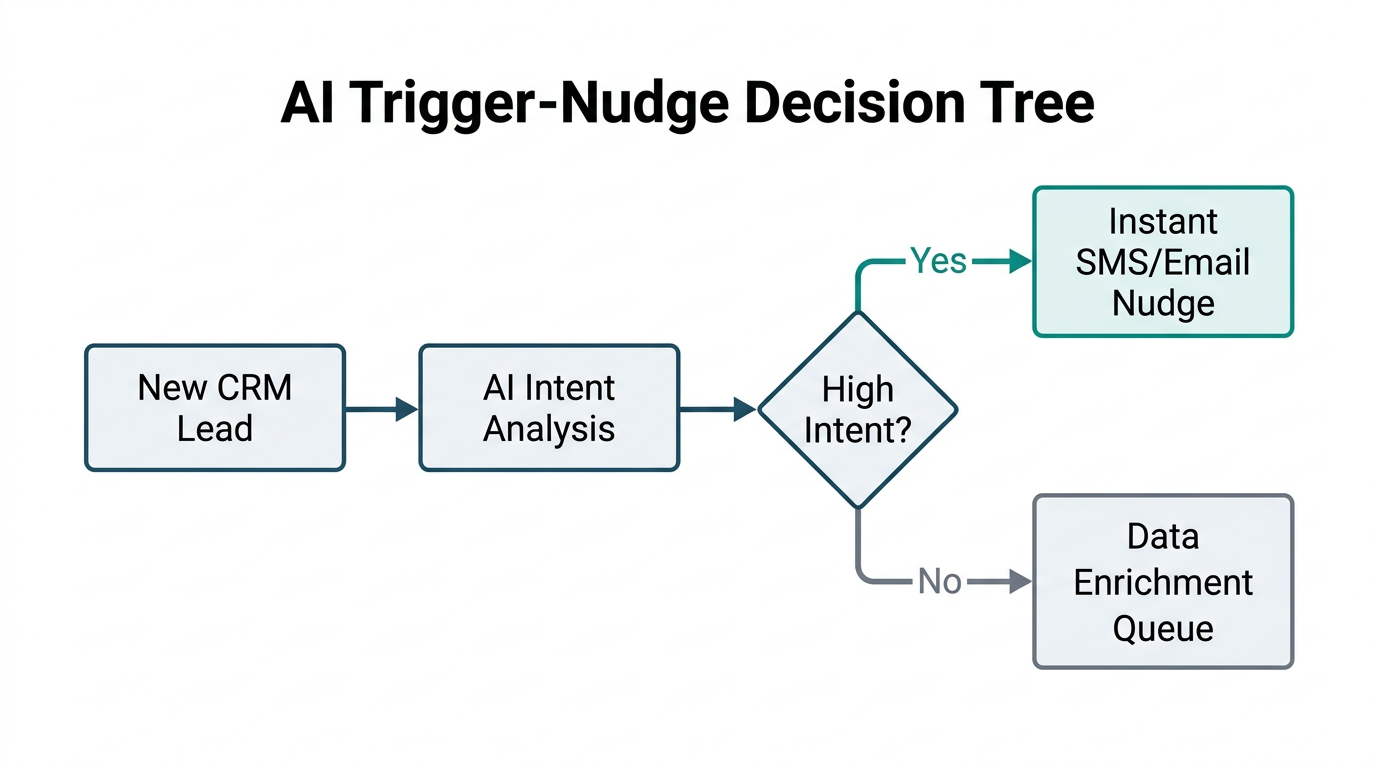
For e-commerce brands on Klaviyo or Shopify, the "Trigger-Nudge" framework is the new gold standard. In 2026, we've moved beyond the "You forgot something!" email. Modern systems use Claude Code to analyze why the user abandoned the cart.
- The Trigger: A user stalls in a SaaS trial for 3 days or leaves $200 worth of items in a cart.
- The Agent Action: Claude Code reviews the user's previous interactions. Did they look at the shipping policy? Did they compare two specific models?
- The Nudge: The AI agent generates a hyper-personalized video or email addressing the specific hesitation. If the doubt was about sizing, it sends a shade-matching guide (as seen in successful Sephora case studies).
This level of precision is why Zigment.ai and Flowlyn report a 77% higher conversion rate for agentic processes compared to legacy rule-based systems. For those managing influencer-led growth, integrating Stormy AI into this loop allows you to automatically match the abandoning user with a UGC creator testimonial that speaks to their specific product interest.
Benchmarking Setup Costs and API Grounding Requirements
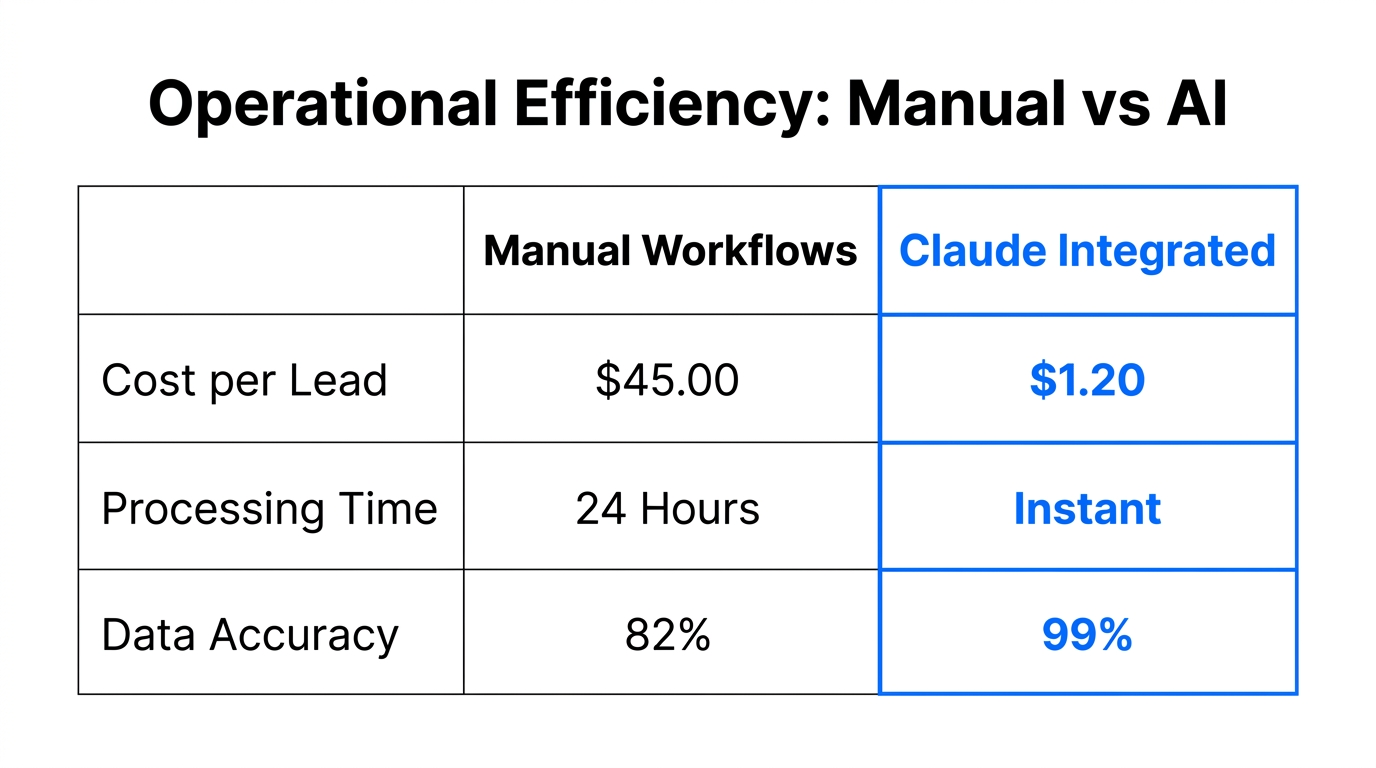
Transitioning to an automate CRM with Claude Code model requires an upfront investment in both capital and technical architecture. In 2026, the "seat-based" pricing model is fading, replaced by outcome-based billing where you pay for resolutions, not users.
Before you begin, ensure you meet the 2026 standard for API Grounding. This means your Claude instance has read/write access to your CRM and can "verify" its own outputs against your internal documentation. This reduces the risk of "hallucinations" that led to many failed projects in 2025. You should also benchmark your SaaS expenses via Flexprice to ensure your ROI remains above the 544% industry average.
"CMOs are under pressure to boost acquisition while budgets are flat. By 2026, 81% of tech leaders have already implemented AI agents to bridge this gap." — Janine Kanters, Gartner
The Future of Automated Growth
Integrating Claude Code with your CRM isn't just a technical upgrade; it's a strategic shift toward autonomous growth. By moving away from "if-then" workflows and toward agentic, grounded AI, you can overcome the high failure rates of 2025 and build a system that truly understands customer intent. Start by mapping your high-intent clusters and grounding your first agent in your cleanest first-party data. In a world where 96% of marketers use automation, the only way to win is to be the most personalized and the most accurate.