Claude Code for Marketing Agencies: How to Build Custom Attribution Tools and Boost Margins in 2026
Discover how marketing agency automation in 2026 is evolving with Claude Code. Learn to build custom attribution tools, use agentic AI ROI strategies, and boost margins by 40%.
In 2026, the digital marketing landscape has reached a point where standard SaaS tools no longer provide a competitive edge. Every agency has access to the same dashboarding suites, the same ad managers, and the same creative platforms. To truly differentiate, forward-thinking firms are shifting from being tool users to tool builders. This shift is powered by agentic AI, specifically Claude Code, which has transitioned from a niche developer utility into a mainstream engine for marketing agency automation in 2026. By moving away from manual workflows and toward autonomous agents, agencies are seeing unprecedented gains in project capacity and gross margins.
The New Agency Math: Agentic AI ROI and Margin Expansion
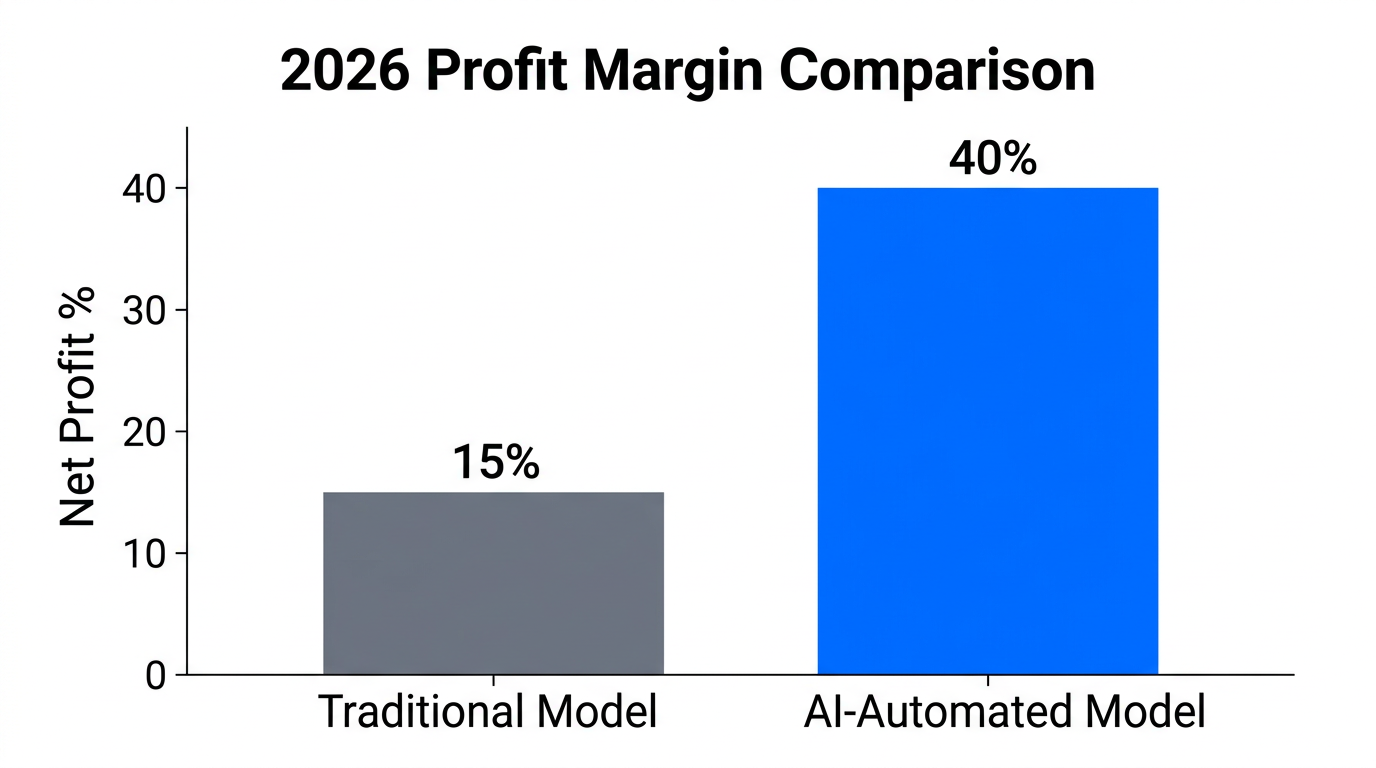
For years, the agency model was constrained by a linear relationship between headcount and revenue. To take on more clients, you needed more account managers and more technical specialists. In 2026, that ceiling has shattered. Data from Sacra indicates that the AI coding assistant market has ballooned to over $12 billion, and agencies are the prime beneficiaries of this explosion.
Consider the case of AdVenture Media. By utilizing Claude Code to automate the boilerplate code required for client dashboards and API integrations, they transformed their delivery model. A single senior developer, previously capped at managing 3 major projects per quarter, was able to scale to 5 projects per quarter. This 66% increase in project throughput led to a staggering 40% boost in gross margins, as the agency could take on more billable work without increasing their payroll overhead.
"We aren't just prompting anymore; we are managing. The shift from chatbot to agent is the most important change since the launch of ChatGPT."
Building Proprietary Attribution Tools with Claude Code
One of the biggest pain points for agencies in 2026 remains multi-touch attribution. Off-the-shelf tools often fail to capture the nuances of a specific client's customer journey. With Claude Code, agencies are now building proprietary, white-labeled attribution engines that they own entirely. This not only saves on high SaaS subscription fees but also creates a "moat" around the agency's services.
Using "Vibe Coding"—a methodology popularized by Andrej Karpathy where users describe their intent in natural language while the agent handles the syntax—non-technical account managers can now lead the development of these tools. Claude Code’s ability to process over 1 million tokens of context means you can feed it your client’s entire historical data schema, and it will write the custom SQL and Python scripts needed to connect the dots. According to DemandSage, over 300,000 businesses are now using these enterprise AI tools to build internal infrastructure that once required a full engineering department.
The 2026 Tool Landscape: Claude Code vs. Alternatives
While Claude is the current quality leader in reasoning, agencies have several options for their marketing operations efficiency initiatives. Choosing the right tool depends on the technical literacy of your team and the complexity of the project.
| Platform | Best For | Autonomy Level | Cost (Approx.) |
|---|---|---|---|
| Claude Code | Complex reasoning & refactoring | High (Multi-agent teams) | $200/mo (Max Tier) |
| Cursor | Professional day-to-day coding | Medium | $20/mo |
| Replit Agent | Non-tech "one-click" deploy | Very High | $25/mo |
| Windsurf | Iterative "Cascade" workflows | Medium | $15/mo |
As noted in recent Reddit community discussions, Claude Code is preferred for heavy-duty tasks because it can refactor dozens of files simultaneously, whereas tools like Cursor are better suited for incremental edits within an existing codebase.
Integrating Claude Code with Slack and Google Drive via MCP
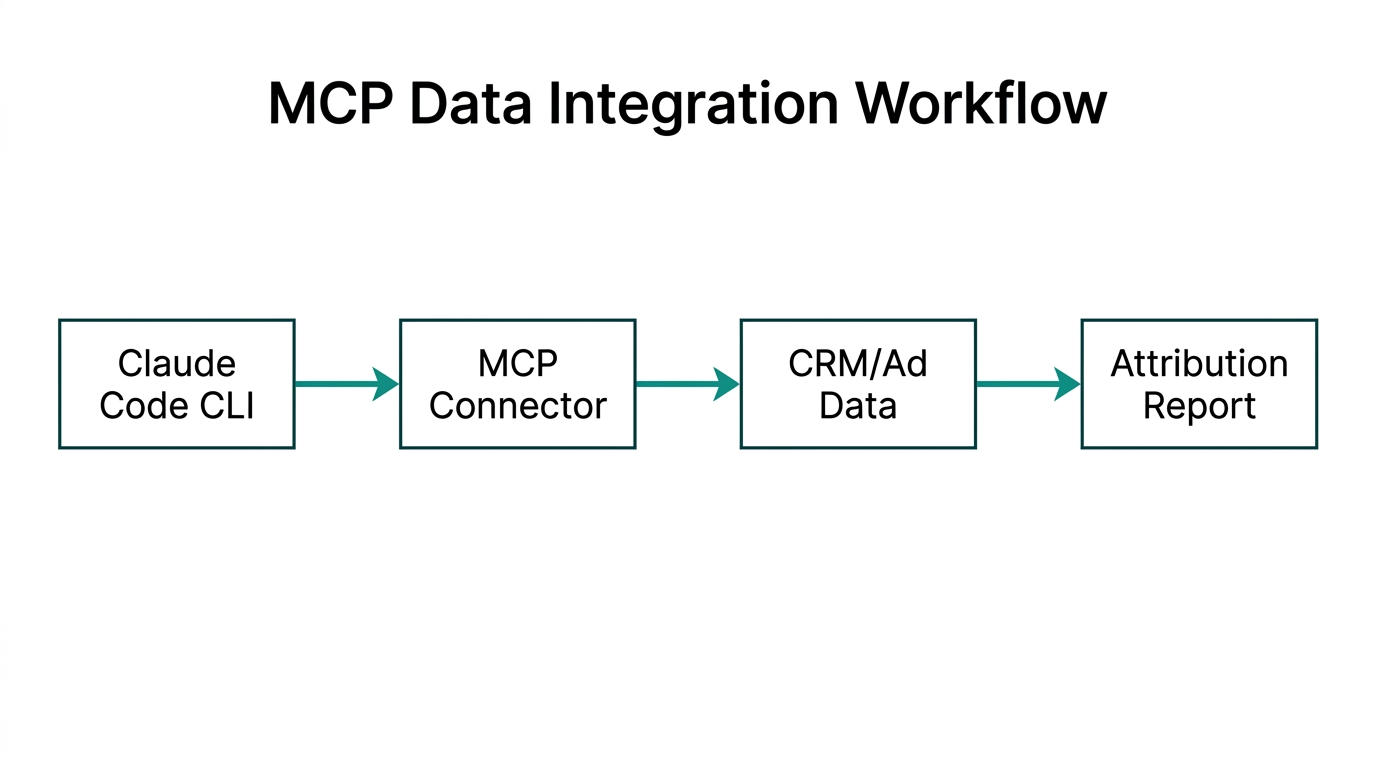
The true power of Claude Code in an agency setting lies in the Model Context Protocol (MCP). This allows the AI agent to interact directly with the agency's existing tech stack. Instead of copying and pasting data, the agent lives where your team works.
- Google Drive MCP: An agent can read a client's "Vision Doc" in Google Drive and automatically generate a project roadmap or a landing page prototype.
- Slack MCP: Agencies use this to set up automated status updates. When Claude Code finishes a technical task—like updating an API connector—it can post a summary to the #client-updates channel in Slack.
- Email Automation: By connecting to tools like Instantly or Lemlist, Claude can manage the technical side of outreach campaigns while the account manager focuses on strategy.
For agencies scaling their creator marketing arms, this automation is a game-changer. While Claude handles the data and infrastructure, platforms like Stormy AI can be used to autonomously discover and outreach to thousands of influencers, creating a fully automated growth engine for mobile app clients.
"We are moving from a world of 'chatbot as a toy' to 'agent as infrastructure.' Software is starting to build itself based on human values." — Dario Amodei, CEO of Anthropic.
The Shift: Turning Account Managers into 'Product Managers'
The role of the Account Manager is evolving. In 2026, the most valuable employees aren't those who can manually build a report, but those who can manage an AI agent to build it for them. This shift requires a new skill set often referred to as "Outcome Engineering."
As Wharton Professor Ethan Mollick notes on One Useful Thing, non-technical users are becoming product managers for their own AI staff. In an agency, this means an AM can say to Claude: "I want a button in our client portal that generates a real-time ROAS summary for their TikTok Shop campaigns," and the agent executes the request from start to finish. This reduces engineering overhead and allows the creative team to focus on high-leverage strategic thinking rather than technical troubleshooting.
/cost command within Claude Code to monitor API spend in real-time. This prevents "runaway tokens" from inflating your project costs during complex debugging sessions.The Agency Playbook for Scaling Delivery Speed
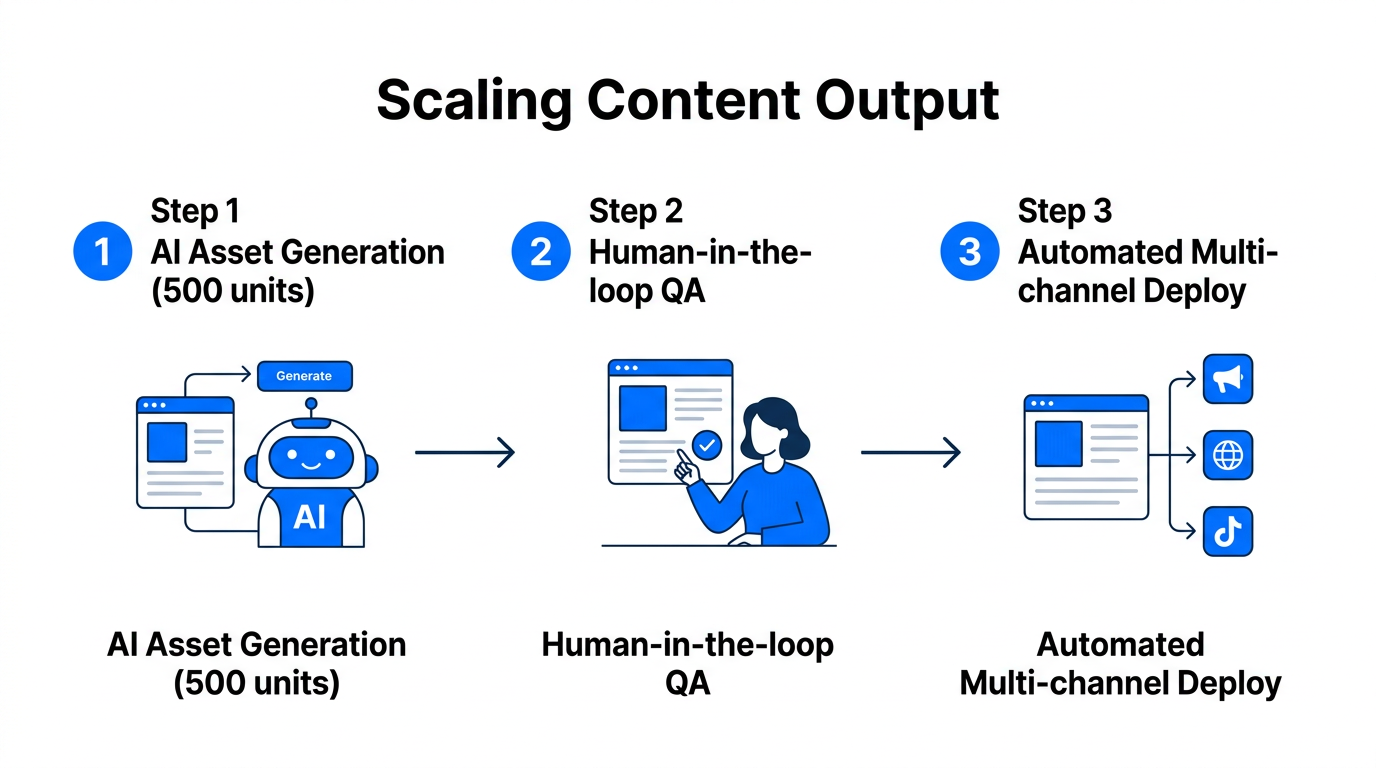
If you want to move from 3 to 5 projects per quarter, you need a repeatable framework. Here is the 2026 agency playbook for deploying Claude Code:
- Initialize Project Memory: Use the
CLAUDE.mdfile standard. This serves as the agent’s "brain," containing all project requirements, brand guidelines, and technical constraints. - Deploy via Desktop App: While developers love the CLI, the Claude Desktop App is the entry point for AMs. It allows for folder-level access without needing to master the terminal.
- Audit via QA Agents: Use Claude’s "Multi-Agent Team" mode to spawn a separate QA agent that tests the code written by the primary Dev agent. This drastically reduces "Ghost Bugs"—code that looks perfect but fails in edge cases.
- Incorporate Stormy AI for Outreach: Once the technical infrastructure is built, leverage Stormy AI to handle creator sourcing and automated email follow-ups to fuel the marketing funnel.
Navigating the Risks: Security and Cost Management
Despite the massive agentic AI ROI, agencies must remain vigilant. In early 2026, researchers identified vulnerabilities (such as those reported by Check Point Research) where malicious "Project Hooks" could potentially expose API keys. Agencies should never allow agents to access sensitive client databases without a human-in-the-loop for final approval.
Additionally, "Permission Fatigue" is a real bottleneck. Because the agent is editing live files, it will frequently ask for confirmation. Successful agencies are those that find the balance between autonomy and oversight, ensuring that the marketing operations efficiency gains aren't lost to constant manual clicking.
The Bottom Line for Agencies in 2026
The agencies that will thrive in the next 24 months are those that treat AI as more than just a writing assistant. By leveraging Claude Code to build proprietary tools and automate the technical "grunt work" of attribution and reporting, firms can finally achieve true scalability.
The path forward is clear: turn your team into managers of AI agents, build infrastructure that you own, and use high-leverage platforms like Stormy AI to automate the creative and outreach side of the business. In 2026, the agency with the best agents wins.