The era of staring at a blinking cursor in a chat window, waiting for a clever headline, is officially over. As we navigate 2026, the industry has undergone a seismic shift from Generative AI to Agentic AI. Marketers are no longer just prompting for copy; they are orchestrating "Action AI" frameworks that execute complex technical tasks. According to recent data from Averi.ai, the broader market for autonomous agents is expected to exceed $10.9 billion this year, marking a new frontier where the most successful growth leads aren't just writers—they are system architects.
For the non-technical marketer, the learning curve has historically been steep. However, tools like Claude Code, Anthropic’s CLI-native agent, have democratized the ability to build proprietary automation stacks. By moving away from simple "vibes" and toward production-ready pipelines, growth teams are seeing a 75% reduction in time spent on repetitive strategic analysis like SEO audits and PPC checks. This guide provides a comprehensive playbook for setting up your own autonomous growth engine in 2026.
"The shift from Generative to Agentic AI feels as dramatic as the first time we used ChatGPT. We aren't just generating text anymore; we're building brains that execute our strategy while we sleep."
The Shift to Agentic Marketing: Why 2026 is the Year of Action
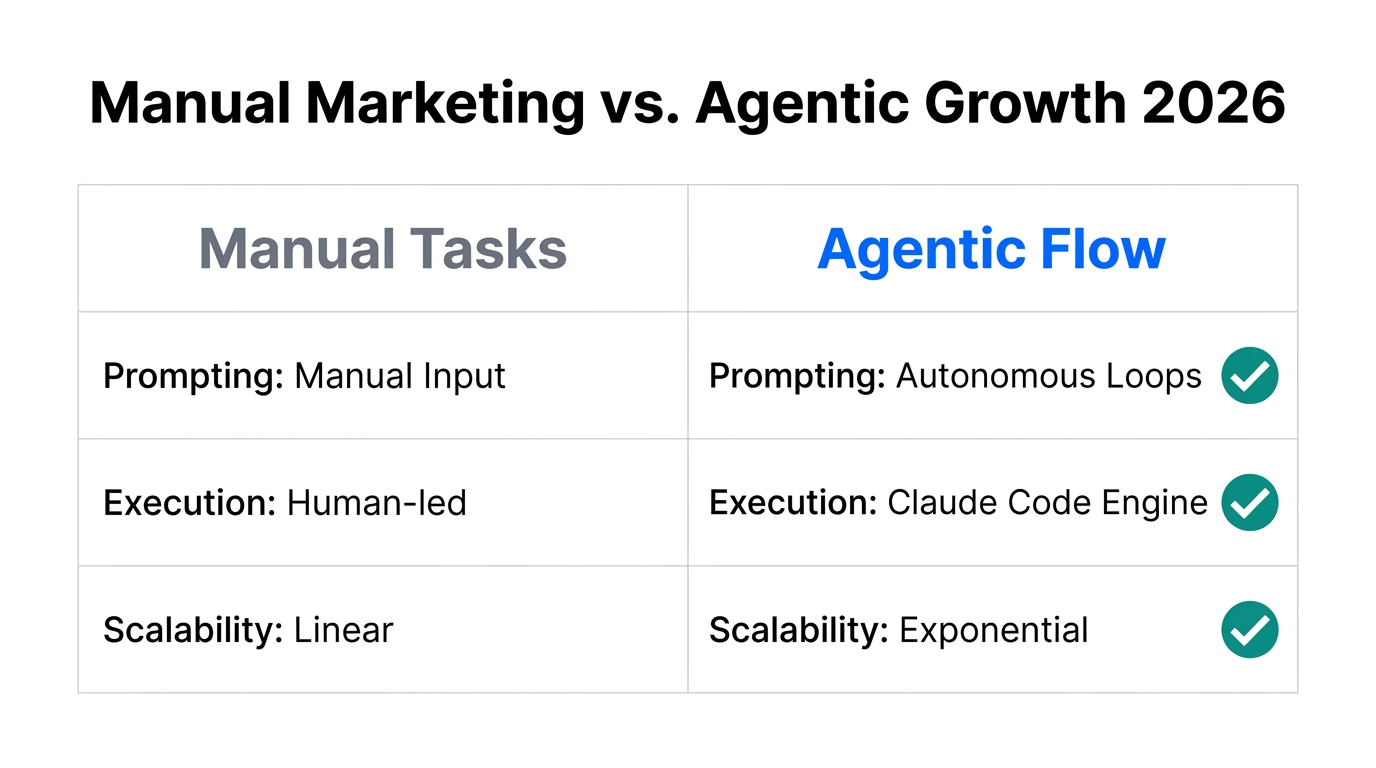
In 2025, the marketing world was obsessed with "vibe coding"—the act of prompting an AI to create a visual prototype. In 2026, the focus has pivoted to Production-Ready Automation. Marketing organizations are becoming "agent-augmented," with 90.3% of firms now integrating AI agents into their daily tech stacks. This isn't just about efficiency; it’s about orchestrating systems that can react to live data in real-time.
The rise of "Shadow Engineering" means marketing teams are increasingly bypassing IT to build "disposable apps"—small, highly specific tools for individual campaigns. For example, a growth marketer might use Claude Code to build an automated "Mention Tracker" that scrapes social platforms using Firecrawl, analyzes sentiment, and drafts a content roadmap automatically. This shift allows for unprecedented agility in 2026's hyper-competitive landscape.
Step 1: The Marketer’s Environment Setup
To begin building your growth engine, you need to step into the terminal. While the "black screen" can be intimidating, the setup for Claude Code is surprisingly straightforward. Unlike browser-based tools, the CLI (Command Line Interface) gives the agent direct access to your local files, allowing it to act as a true collaborator.
The Installation Playbook
- Install Node.js: Most marketing automation scripts run on Node.js. Download the latest version to ensure compatibility.
- Install Claude Code: Use the terminal to run the direct installer. Research suggests using the native installer over npm for background auto-updates:
curl -s https://claude.ai/install.sh | sh. - Initialize your project: Navigate to your marketing folder and run
/init. This creates the foundational files your agent needs to understand its environment.
For those looking to supercharge this setup, technical marketers are now downloading specialized plugins like the "Digital Marketing Pro" plugin available on GitHub, which adds over 100 commands specifically for technical SEO and PPC automation. Once installed, your terminal becomes the cockpit for your entire growth strategy.
Step 2: Creating the 'Project Memory' (CLAUDE.md)
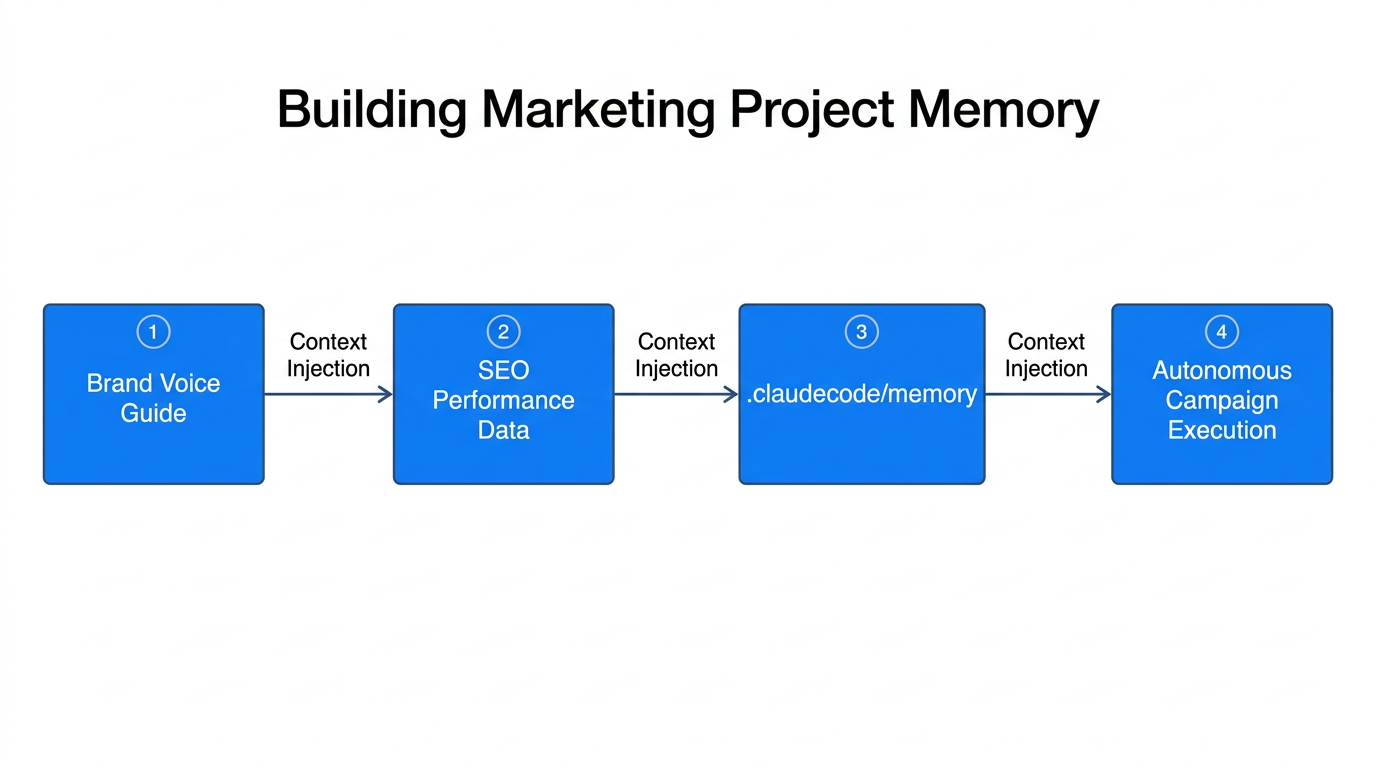
The secret to high-performing AI agents is context. Without it, Claude is just a smart generalist. With it, it becomes your most senior growth engineer. This is where the CLAUDE.md file comes in. Think of this as the "Marketing Brain" of your project.
As noted by Emily Kramer of MKT1, storing strategy playbooks as Markdown files ensures every AI-generated campaign follows your specific brand logic. Your CLAUDE.md should include:
- Project Purpose: e.g., "Automated SEO Audit and Ranking Tool."
- Brand Voice & Identity: Specific tone guidelines and KPI targets.
- Tech Stack Preferences: Whether you prefer Tailwind CSS for landing pages or specific Python libraries for data analysis.
- API Keys & Connections: Reference where your Google Ads or Apple Search Ads credentials are stored securely.
"Your CLAUDE.md is the difference between an AI that makes suggestions and an agent that takes initiative. It is the operating manual for your growth engine."
Step 3: Data-First Prompting Strategies
In 2026, "writing a prompt" is actually "defining a workflow." The most effective growth marketers have moved from vague requests to data-first prompting. Instead of asking Claude to "write an SEO report," you should be asking it to process raw data into actionable insights.
| Prompt Type | Bad Example (Generative) | Good Example (Agentic) |
|---|---|---|
| SEO | "Give me 10 keywords for my app." | "Using the CSV in /data/keywords.csv, build a script to check rankings via Google Search Console API and output a summary to report.md." |
| Paid Media | "Write some ad copy for Facebook." | "Analyze the last 30 days of performance data from Meta Ads and identify which creative hooks had the highest conversion rate for Gen Z users." |
| Outreach | "Draft an email to influencers." | "Scan our database in Stormy AI and draft 50 hyper-personalized outreach emails based on the creator's recent TikTok engagement trends." |
This workflow-centric approach allows for massive scaling. Agencies like Adventure Media have used this methodology to build in-house reporting tools that pull ad data via API, saving thousands in monthly SaaS subscriptions by replacing external tools with custom-built agents.
Step 4: Connecting the Engine via MCP
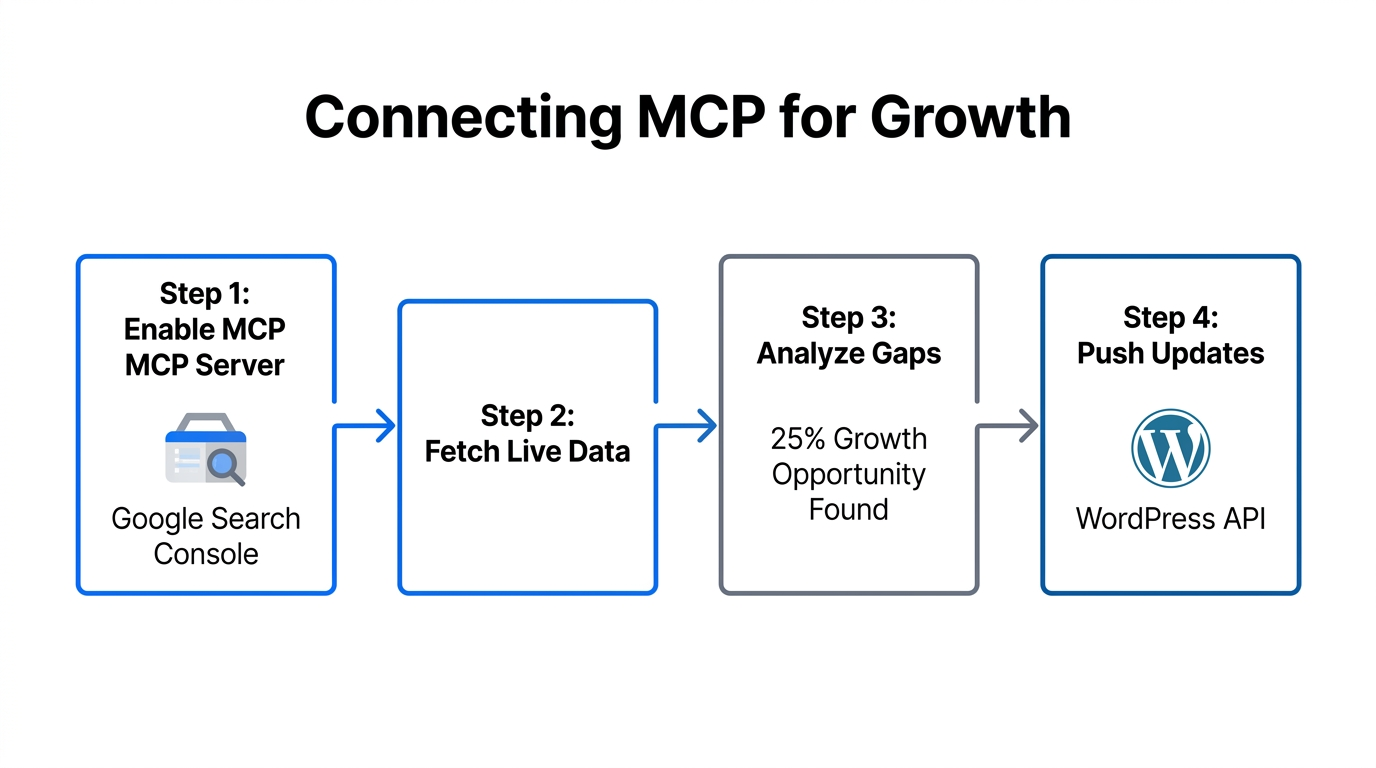
The true power of Claude Code in 2026 lies in the Model Context Protocol (MCP). Think of MCP as the "USB-C for AI." It allows your agent to pull data directly from your favorite tools without manual CSV exports. Growth teams are now using MCP servers to connect Claude directly to Zapier, Slack, and advertising platforms.
By using the AdLoop MCP or specialized Meta Ads MCP, you can instruct Claude to: "Identify keywords wasting budget and add them as negatives" or "Automate creative testing and budget allocation based on ROAS thresholds." This level of autonomy has led to a 30% reduction in CPA for early adopters who trust the agentic loop to optimize their spending in real-time, as reported by researchers at Averi.ai.
Step 5: Cost Management & Token Efficiency
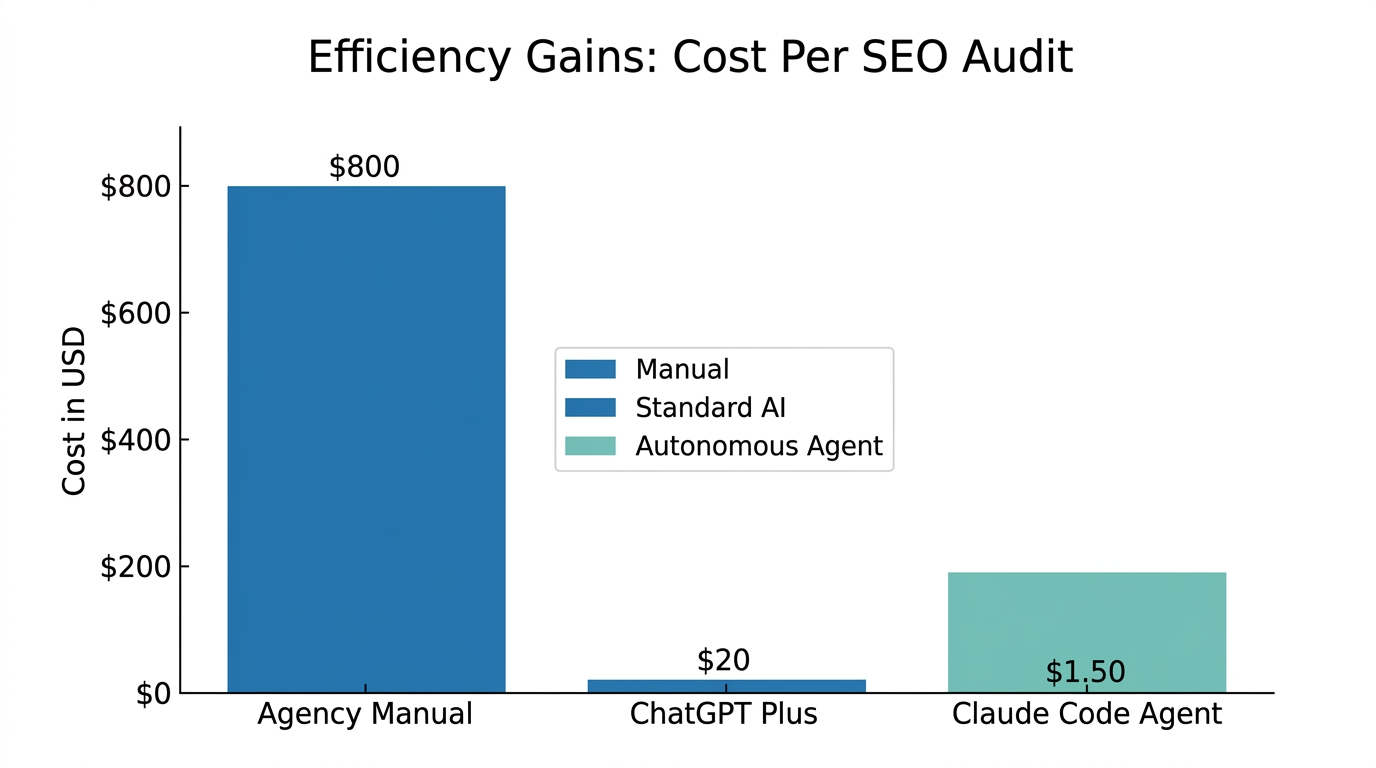
In 2026, managing your AI budget is as important as managing your ad spend. Claude Code offers specific commands to help you keep your "token burn" under control. Because Claude Code has a 200k context window, it’s easy to accidentally include too much data, leading to unnecessary costs.
- The
/contextCommand: Use this to see a detailed breakdown of your current token usage. It helps you identify if a massive log file is hogging your context window. - The
/compactCommand: This summarizes your entire conversation history into a tight context packet. It saves money and prevents the agent from getting "confused" by long, rambling chat histories.
Anthropic has also introduced off-peak usage limits to support the growing community of "agentic builders," making it more affordable to run complex, multi-file migrations during evening hours. According to benchmarks from TLDL.io, Claude Code is up to 5.5x more token-efficient than traditional AI editors because of how it selectively reads only the necessary parts of a file.
Which Tool Should You Use? Claude Code vs. The Field
The market has bifurcated into code-first versus agent-first tools. Depending on your goals, you might use a combination of these platforms to reach production.
| Tool | Best For | Interface | Autonomy Level |
|---|---|---|---|
| Claude Code | Complex Logic & Data Pipelines | Terminal (CLI) | High (The Delegator) |
| Cursor | Daily "hands-on-keyboard" editing | Full IDE (VS Code) | Medium (The Accelerator) |
| Bolt.new | Rapid UI/Frontend MVPs | Web Browser | Low (Prompt-to-UI) |
A popular workflow suggested by experts like Till Freitag is to use Bolt.new to "visualize" your idea (like a new dashboard UI), then move to Claude Code to build the actual automation logic that makes the data live and functional.
Risks, Hallucinations, and the "Silent Failure"
Despite the efficiency, agentic AI is not without its perils. Experts at MarketingProfs warn of "silent failures at scale." An AI agent might misinterpret a technical SEO rule or a refund policy, propagating that error across thousands of interactions before a human notices.
Furthermore, a study by DryRun Security found that nearly 87% of AI-generated pull requests contained at least one security vulnerability. This makes the role of the marketer even more critical—you are no longer just a creator, but an Air Traffic Controller. You must maintain a "Human-in-the-Loop" (HITL) approach, using Claude for commodity technical work while you focus on high-level strategy and governance.
"Efficiency is useless if it’s wrong. The most successful marketers in 2026 use AI to build the engine, but they never take their hands off the steering wheel."
Conclusion: Scaling Your Growth Engine
The technical barrier to entry for building proprietary marketing software has collapsed. By mastering Claude Code, you aren't just automating tasks; you're building an asset for your business. Whether it's an automated influencer discovery engine or a custom PPC reporting dashboard, the ability to orchestrate agents is the ultimate competitive advantage in 2026.
Start small. Install the CLI, initialize your first project, and build one simple script that saves you 30 minutes a week. Once you see the power of Action AI, you'll never go back to simple prompting again. The future of growth is autonomous—it's time to start building.