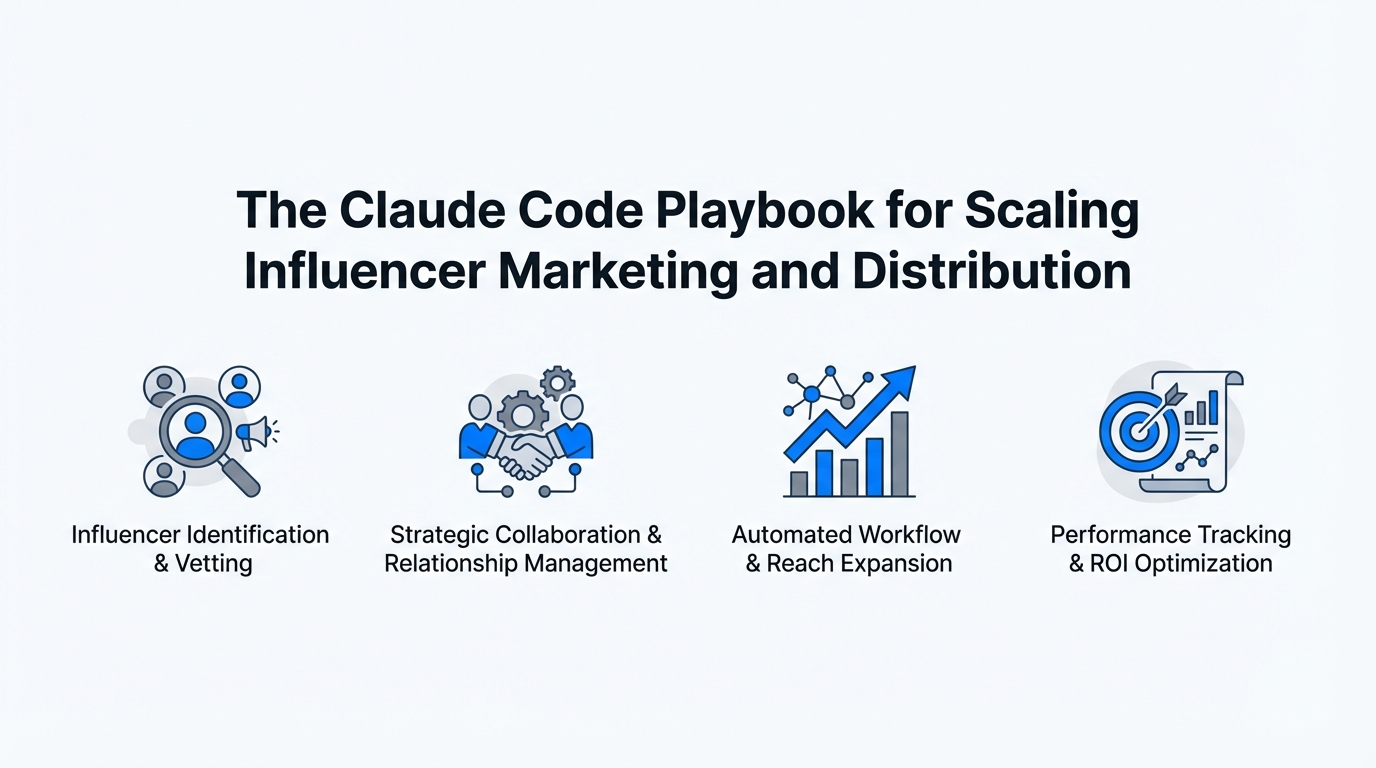
The era of "Chat AI" is rapidly giving way to the era of "Agentic AI," where the primary goal is no longer just generating text, but executing complex actions. For marketers navigating the modern creator economy, this shift represents a tectonic change in how we handle distribution. According to Artsmart.ai and ElectroIQ, the AI-driven social media market is projected to skyrocket to $12 billion by 2031, fueled by tools that move beyond the browser and into the terminal. If you are still manually copying and pasting influencer briefs or checking individual ad performance, you are falling behind a new breed of automated brand building that operates at 10x the speed of traditional teams.
The Shift to Agentic Distribution: Why Claude Code Changes Everything
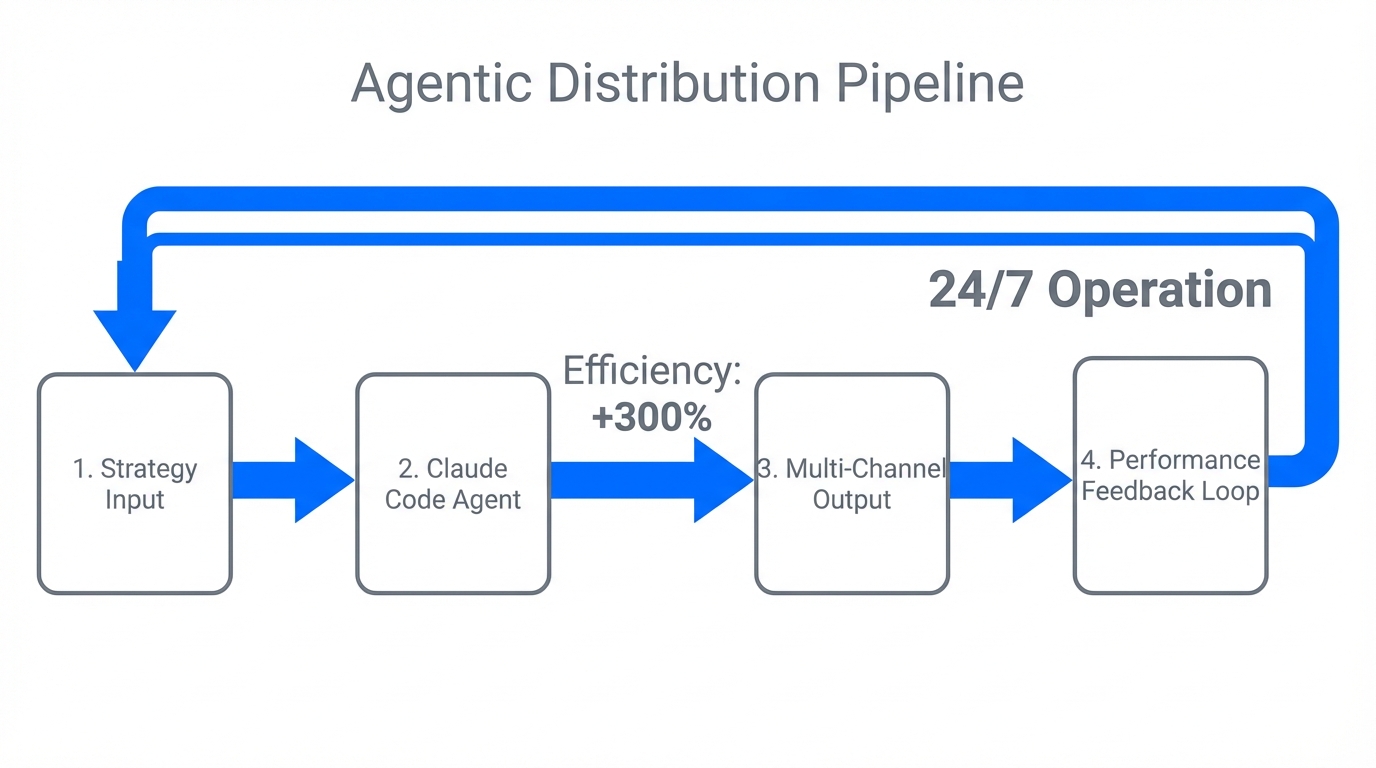
In 2025, marketing teams using AI for reporting and analytics were already generating insights 30–40% faster than their peers, as noted by Templated. However, the introduction of Claude Code—a command-line interface (CLI) agent—has moved the goalposts. Instead of asking a chatbot to write a post, marketers are now using agentic logic to orchestrate entire distribution engines. This influencer marketing automation involves autonomous agents that can manage files, interact with APIs via the Model Context Protocol (MCP), and execute code to pull real-time data from platforms like Meta Ads or X (Twitter).
The rise of agentic workflows is evidenced by Claude's massive growth, reaching 176 million monthly visitors by early 2026. Data from FatJoe suggests that nearly 40% of these interactions are now focused on direct automation. By moving from a chat window to the terminal, brands can bypass the manual CSV exports and fragmented data silos that typically bottleneck creator campaigns.
Case Study: The Julian Goldie 'Traffic Engine'
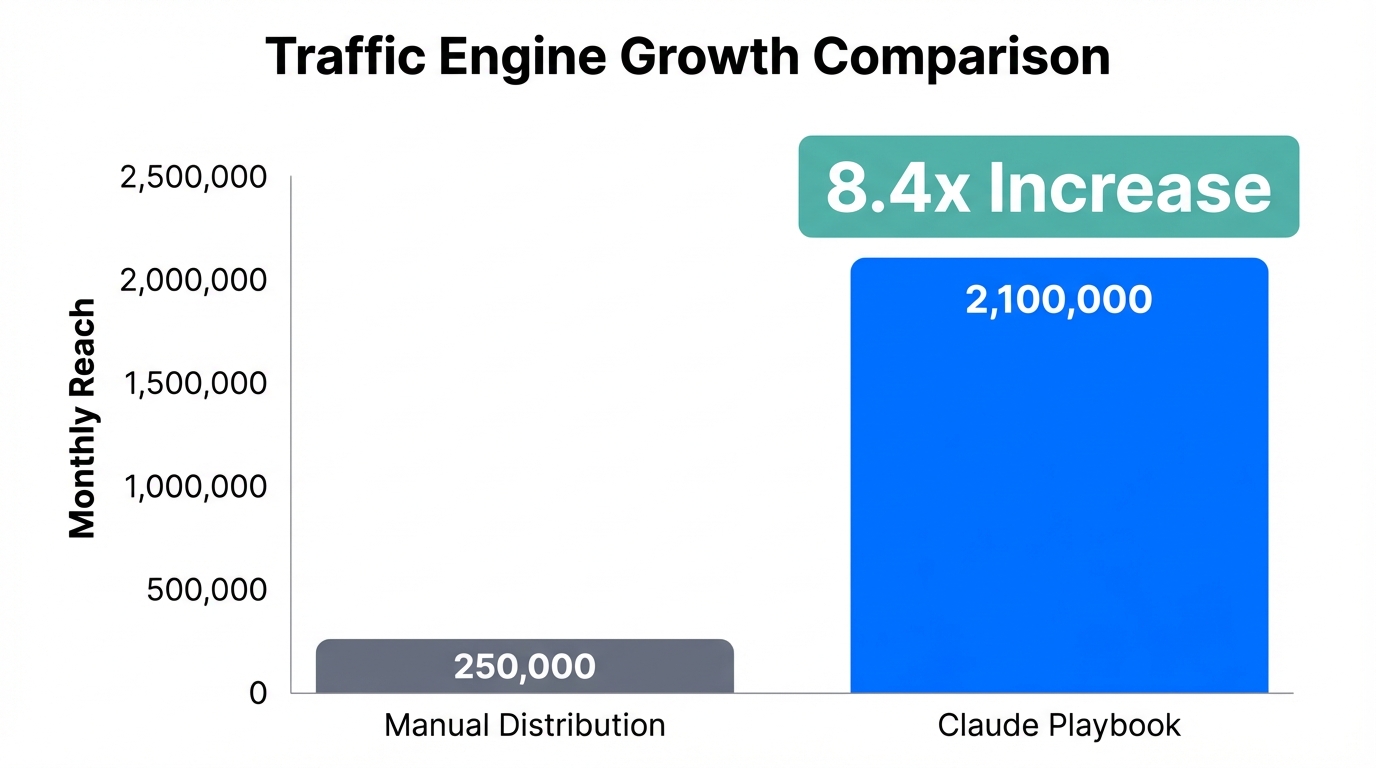
One of the most striking examples of this new distribution model is the "Traffic Engine" developed by Julian Goldie. By automating his social pipeline on X and Facebook, Goldie managed to reach an incredible 329,000 people in a single day. This wasn't achieved through a single viral post, but through a systematic, agentic AI approach. Goldie used Claude to generate high-performing scripts and paired them with HeyGen for AI avatars, creating a content machine that never sleeps.
"The key to scaling in the creator economy isn't more headcount—it's building a technical engine that transforms a single data point into a thousand tailored impressions."
This approach highlights a critical creator economy growth strategy: high-volume distribution powered by multi-agent orchestration. As discussed in the DEV Community, specialized agents are replacing generalists; one agent might scrape trends using Apify, while another optimizes the script for engagement, and a third manages the distribution via a social media MCP server.
Step 1: Maintaining Brand Voice with the 'skill.md' File
The biggest fear in automated brand building is the "AI fingerprint"—content that feels robotic or off-brand. To solve this, advanced teams are using a technique recommended by Vibe Sales: the skill.md file. This is a persistent document stored in your repository that encapsulates your brand's logic, tone, and specific KPIs. When Claude Code executes a task, it references this file to ensure every influencer brief or social post aligns with your established identity.
Without a clear context file, as noted by WayMore, AI agents often produce irrelevant or generic insights. By defining your Constitutional AI framework within your repository, you leverage Claude's 200k+ token context window to ingest your entire brand bible in every single interaction. This ensures that even at a scale of hundreds of posts per day, your voice remains consistent and human-like.
Step 2: Automating Multi-Platform Content Transformation
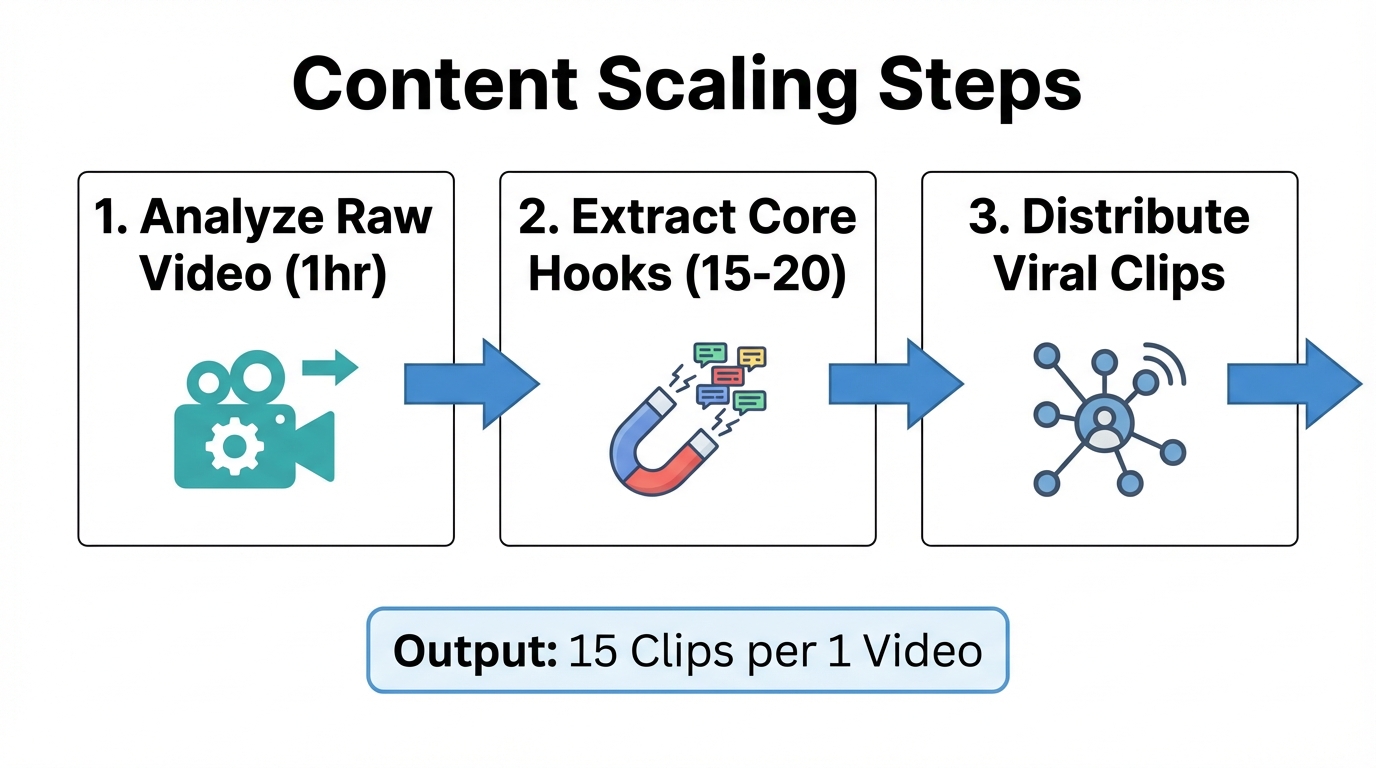
A common mistake in distribution is posting the exact same content across different platforms. Successful scaling requires transforming data to fit the nuances of LinkedIn versus TikTok. Using Claude Code, you can automate this transition. For instance, a terminal command can take a data-heavy whitepaper and instruct an agent to "extract three controversial hooks for X, a professional summary for LinkedIn, and a fast-paced script for a TikTok UGC creator."
| Platform | Format Nuance | Agentic Focus |
|---|---|---|
| TikTok | High-energy, visual-first | Hook optimization & trend alignment |
| Professional, authoritative | Insight extraction & industry relevance | |
| Aesthetic & community-driven | Caption storytelling & hashtag strategy | |
| X (Twitter) | Concise & conversational | Thread-building & engagement loops |
To power this engine, you need a steady stream of creators. Platforms like Stormy AI can help source and manage UGC creators at scale, providing the raw human footage that your AI agents can then optimize and distribute. By combining Stormy AI for creator discovery with Claude Code for distribution logic, brands create a closed-loop system for influencer marketing automation.
Step 3: Identifying High-CPA Ads and Pivoting in Real-Time
In a traditional setup, identifying a failing ad campaign takes a human analyst hours of digging through dashboards. With agentic AI, this becomes a single terminal command. Tools like 1ClickReport allow marketers to ask, "Which ad had the highest CPA last week?" and have Claude pull the data autonomously via an MCP bridge to Meta Ads.
"The future of media buying is not clicking buttons in a dashboard; it is giving high-level directives to an agent that monitors your CPA and pivots your budget while you sleep."
When an agent identifies a high-CPA ad, it doesn't just flag it; it can be programmed to pivot the strategy. Using Latenode or n8n, you can create a workflow where Claude Code detects a performance dip and automatically triggers a new outreach sequence to fresh creators to refresh the creative assets.
Scaling to 25+ Location Accounts Simultaneously
Managing social media for multiple locations is a logistical nightmare—unless you use agentic logic. A real-world case study of a 25-location restaurant chain showed that by using Claude to automate local content planning, they reduced monthly planning time from 20 hours to just 3 hours. This resulted in a 35% increase in engagement because the content was tailored to local trends rather than being a generic corporate blast.
To achieve this, you can deploy a "Plan Mode" in the Claude Code CLI. By hitting Shift + Tab, you can instruct the agent to "Scrape local news for each of these 25 cities, compare them to our current menu, and output 25 unique Slack summaries for the local managers." This level of Claude Code distribution ensures that personalization isn't sacrificed for scale.
Common Pitfalls and How to Fix Them
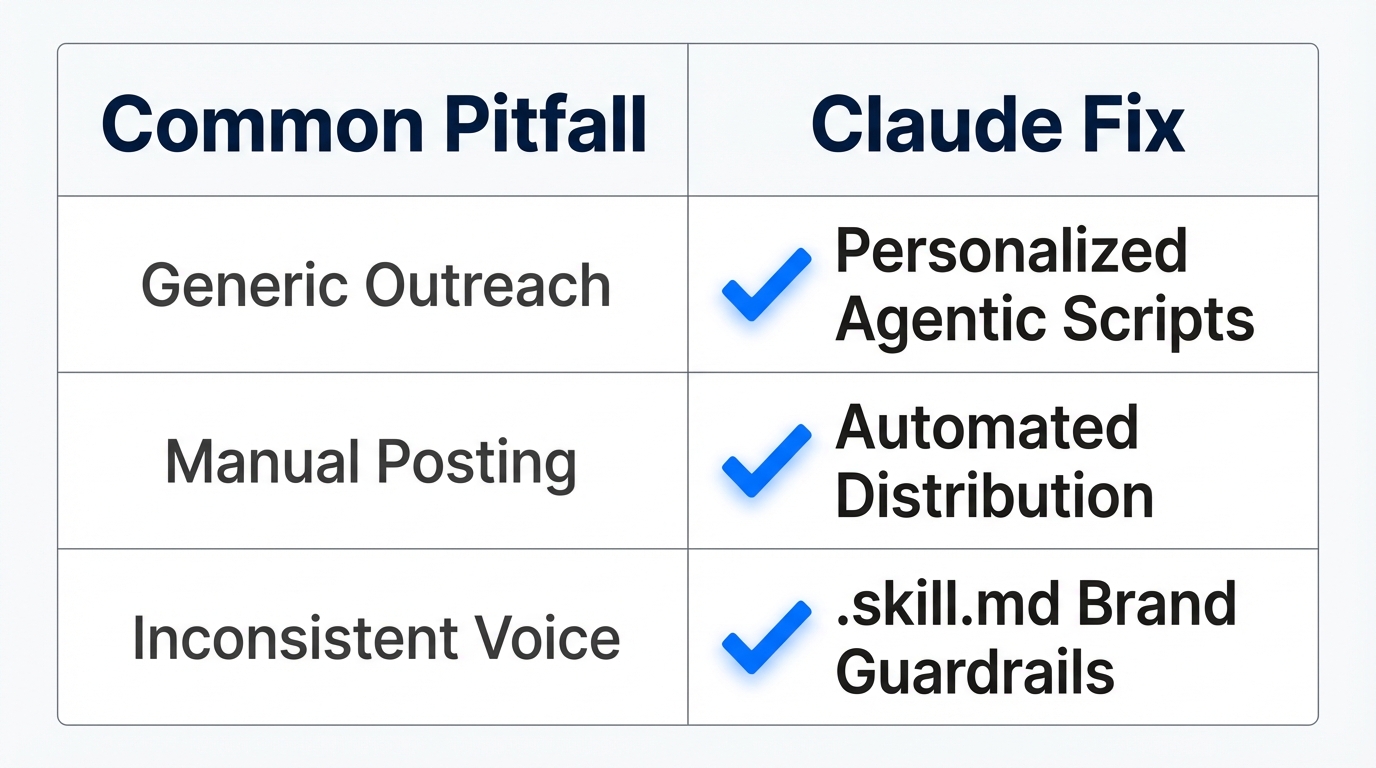
As you build your automated brand building engine, watch out for fragmented data. If your performance data is scattered across Meta, TikTok, and Google Sheets, your agent will struggle. Experts at Data Studios recommend centralizing data via a unified MCP server or a platform like NappAI. This allows your agent to see the full picture and make better distribution decisions.
Additionally, ensure you are using real-time social listening. Integrating with Xpoz for OSINT or using Late API for direct posting can bridge the gap between analysis and action, preventing the "data silo" problem that plagues large organizations.
Conclusion: Building Your Distribution Moat
The creator economy growth strategy of the future is built on code, not just content. By mastering Claude Code distribution, implementing the skill.md framework, and using agentic logic to pivot on real-time data, you can build a reach that was previously only possible for massive agencies. Start by automating one small part of your workflow—perhaps your CPA reporting or your platform-specific content transformation—and scale from there. The goal is to move from being a manager of tasks to being an architect of an autonomous distribution engine.