In 2026, the marketing landscape has shifted from simple generative prompts to what industry veterans call "Action AI." We are no longer just asking LLMs to write headlines; we are deploying autonomous agents that live in our terminals, browse our live campaign data, and execute optimizations in real-time. This transition to agentic workflows has propelled the generative AI in marketing market to a projected $4.35 billion by the end of this year. At the heart of this revolution is Claude Code, Anthropic’s CLI-native agent that is currently seeing an estimated $2.5 billion annualized run-rate as marketers flock to build proprietary automation stacks.
What is Model Context Protocol? The 'USB-C for AI'
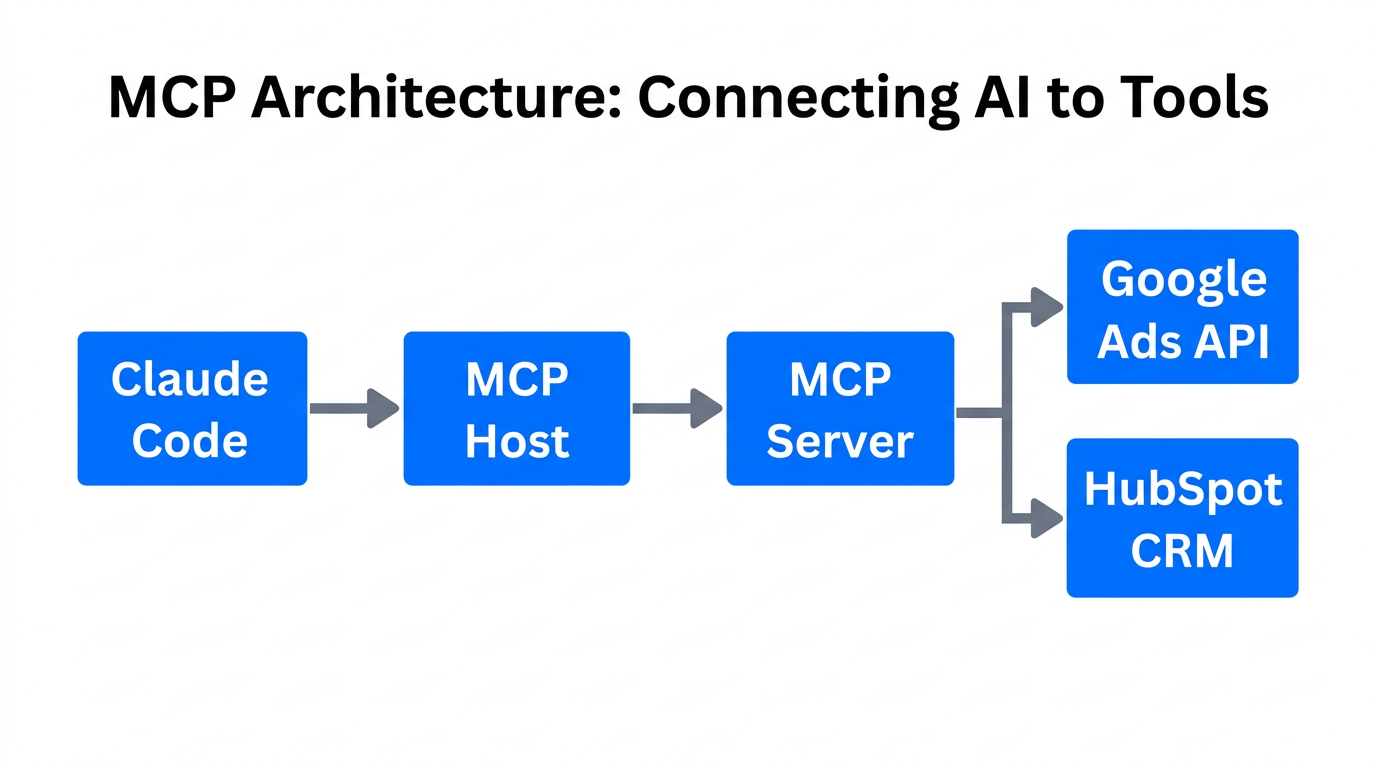
For years, the biggest hurdle in AI marketing was the "data silo." You had your performance data in Google Ads and your lead data in HubSpot, but your AI could only access what you manually copy-pasted. Enter the Model Context Protocol (MCP).
Think of MCP as the "USB-C for AI." It is an open standard that allows Claude Code to establish a direct, secure connection to your MarTech stack. Instead of building complex custom API integrations for every small task, marketers can now use MCP servers to let Claude "see" and interact with their live tools. According to Growth Method, this protocol has fundamentally changed how technical marketers orchestrate systems, moving them away from content creation and toward system orchestration.
"MCP isn't just a feature; it's the plumbing for the next generation of marketing. It turns Claude from a chatbot into a team member with full access to your campaign dashboard."
Connecting the AdLoop MCP: Fixing Google Ads in Real-Time
One of the most powerful applications of Claude Code in 2026 is autonomous PPC management. By utilizing the AdLoop MCP, marketers can connect Google Ads and GA4 directly to their Claude Code terminal. This allows for a level of granularity in optimization that was previously impossible without a dedicated 24/7 data science team.
Early adopters of Claude Code for automated bidding and creative testing have reported an average 30% reduction in CPA, according to research from Stormy AI. Instead of manually reviewing search term reports, you can prompt Claude Code to: "Identify keywords wasting budget over the last 30 days and add them as negatives across all active campaigns."
The Setup for Google Ads Automation
To get started, technical marketers are using the following workflow:
- Install the AdLoop MCP Server: This bridges the gap between the Google Ads API and Claude's reasoning engine.
- Run Diagnostics: Use Claude Code to pull performance metrics and identify "silent failures"—ads with high click-through rates but zero conversions.
- Execute Bid Adjustments: Claude can dynamically adjust bids based on real-time inventory and competitive pressure, a task that used to take hours of manual spreadsheet work.
By delegating these technical checks, growth leads have achieved a 75% reduction in time spent on repetitive tasks, allowing them to focus on high-level strategy and creative direction.
HubSpot Integration: Automating Lead Nurturing and CRM Hygiene
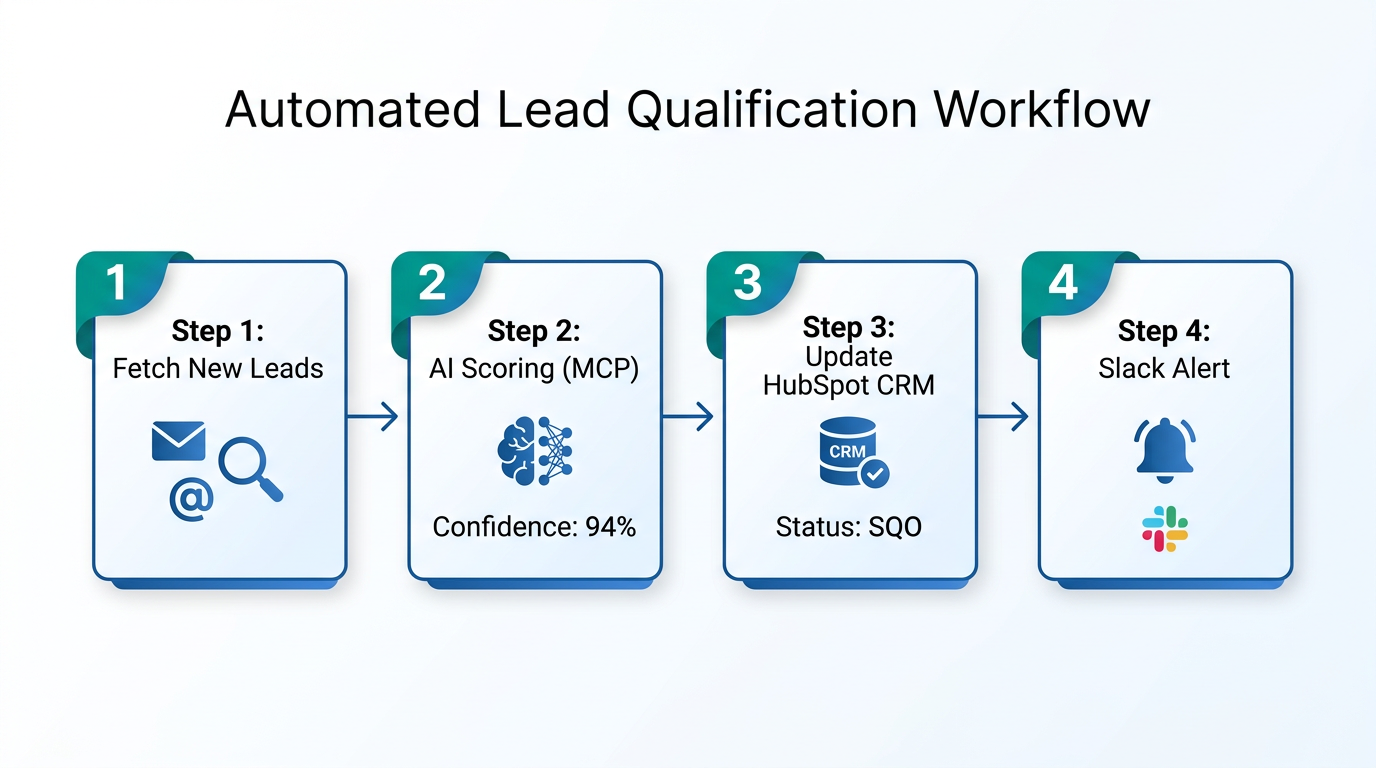
Managing a CRM like HubSpot is often a full-time job of manual data entry and lead routing. With Claude Code and MCP, marketers are building "CRM Hygiene Agents" that work while they sleep. Organizations integrating task-specific agents into lead nurturing saw a 23% increase in conversion rates over the last 12 months, per data from Vellum AI.
Using Claude Code, you can build a pipeline that monitors incoming leads from your Meta Ads campaigns and cross-references them with existing data in HubSpot. If a lead matches a high-value persona but is assigned to a generic nurture sequence, Claude can re-route the lead and generate a hyper-personalized intro email based on their LinkedIn profile or company news.
"The Technical Marketer 2.0 doesn't write code; they orchestrate agents. If you can describe a workflow, Claude Code can build the pipeline."
| Feature | Claude Code | Cursor | Bolt.new |
|---|---|---|---|
| Best For | Autonomous logic & data pipelines | Daily "flow-state" coding | Rapid UI/Frontend MVPs |
| Autonomy | High (The "Delegator") | Medium (The "Accelerator") | Low (Prompt-to-UI) |
| Token Efficiency | 5.5x more efficient than Cursor | Higher "code churn" | High usage required |
Generative Engine Optimization (GEO): The New SEO
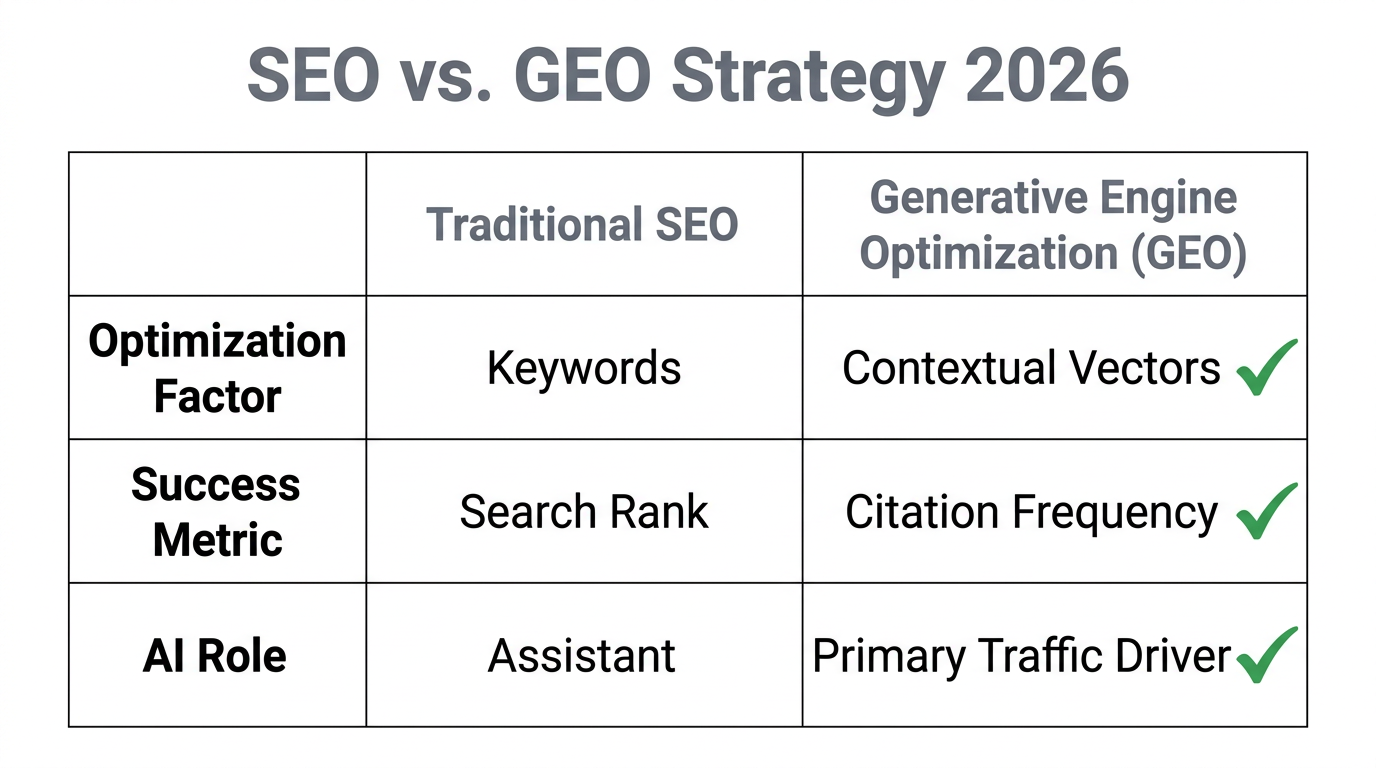
In 2026, traditional SEO has evolved into Generative Engine Optimization (GEO). It’s no longer enough to rank #1 on Google; you need your brand to be the primary citation when a user asks an AI agent for a recommendation. Tools like Ahrefs and Semrush have pivoted to AI Visibility Platforms to track these citations.
A new standard metric, the AI Agent Visibility KPI, measures how often your brand is cited by agents like Perplexity or Claude. Marketers are using Claude Code + Firecrawl to build automated "Mention Trackers." These agents scrape forums like Reddit and Hacker News, analyze sentiment, and identify gaps where your brand should be appearing in LLM training data or RAG (Retrieval-Augmented Generation) pipelines.
Security and Governance: Navigating the 'Gartner Failure Gap'
With great automation comes great risk. A 2026 study found that 87% of pull requests generated by AI agents contained at least one security vulnerability, such as hardcoded secrets or authentication flaws, according to HelpNetSecurity. When connecting Claude Code to sensitive systems like Stripe or HubSpot, security is non-negotiable.
Marketing teams are combatting this by adopting a "Human-in-the-Loop" (HITL) model. Claude Code is used for the heavy lifting and "commodity work," but a human acts as the Air Traffic Controller, reviewing every major change before it goes live. This is especially critical for influencer marketing workflows where maintaining brand voice is essential; platforms like Stormy AI streamline creator sourcing and outreach while ensuring a human maintains the final sign-off on creator relationships.
The Marketer's Setup Playbook: Deploying Your First Agent
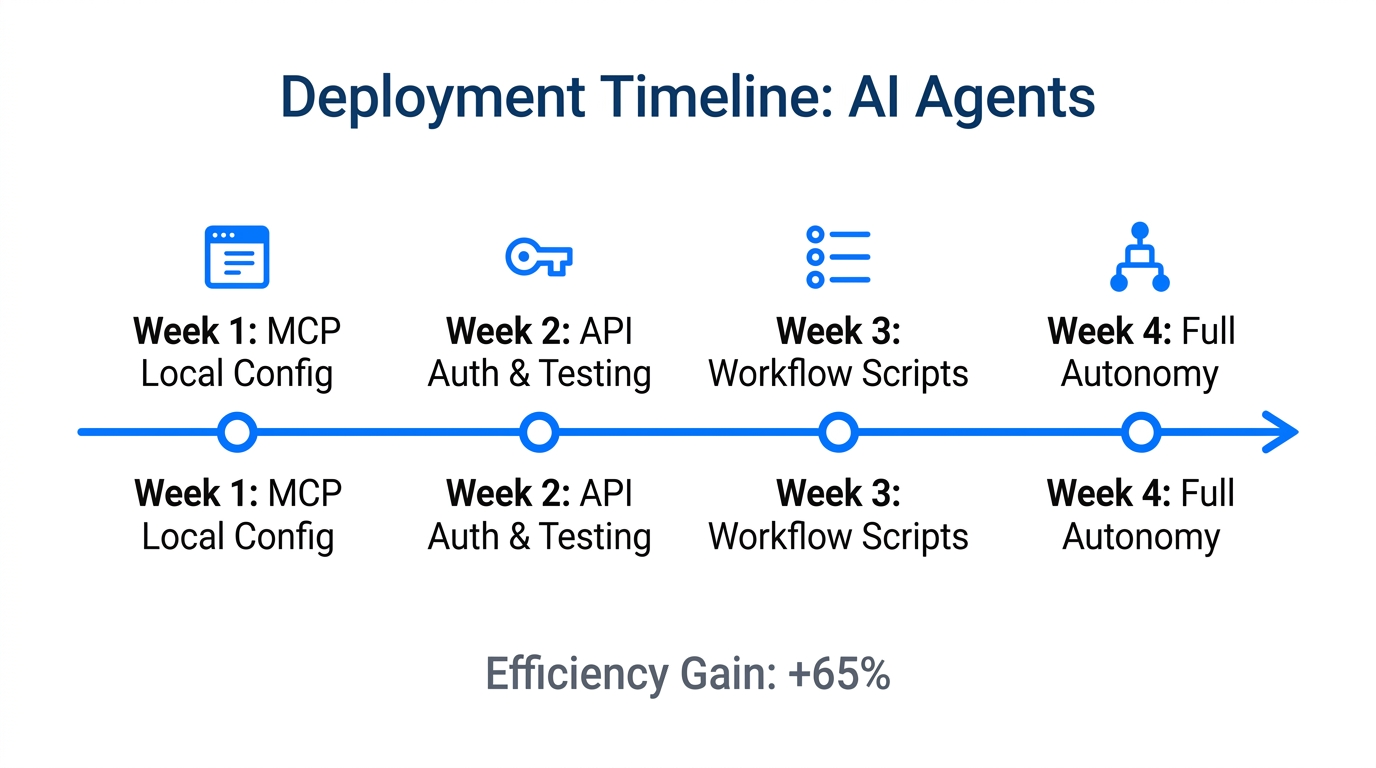
To build your own autonomous growth engine, follow this 2026 implementation guide:
- Install Claude Code: Use the terminal command
curl -s https://claude.ai/install.sh | shfor the native version that includes auto-updates. - Initialize Project Memory: Run
/initto create aCLAUDE.mdfile. Define your brand voice, KPI targets (like CPA and ROAS), and preferred libraries. - Add Marketing Skills: Download the "Digital Marketing Pro" plugin from GitHub to add commands for technical SEO audits and PPC checks.
- Connect Your Stack: Link your TikTok Ads Manager or Meta Ads via specialized MCP servers to automate creative testing.
- Monitor and Refine: Use the
/contextcommand to track token usage and ensure your agent isn't "hallucinating" metrics.
"I've basically recreated my marketing brain in 'Skills'—reusable sets of instructions Claude pulls into context automatically." — Emily Kramer, Founder of MKT1
Conclusion: The Era of the Orchestrator
The year 2026 marks the end of the manual marketer. As tools like Claude Code and the Model Context Protocol become standard, the competitive advantage shifts to those who can best orchestrate these agents. By automating the technical debt of Google Ads and HubSpot, you free your team to focus on what AI still cannot replicate: genuine human connection and disruptive creative strategy. Whether you are using Stormy AI to discover the next generation of UGC creators or building custom Python scripts to audit your SEO, the goal remains the same—moving faster, smarter, and more autonomously than ever before.