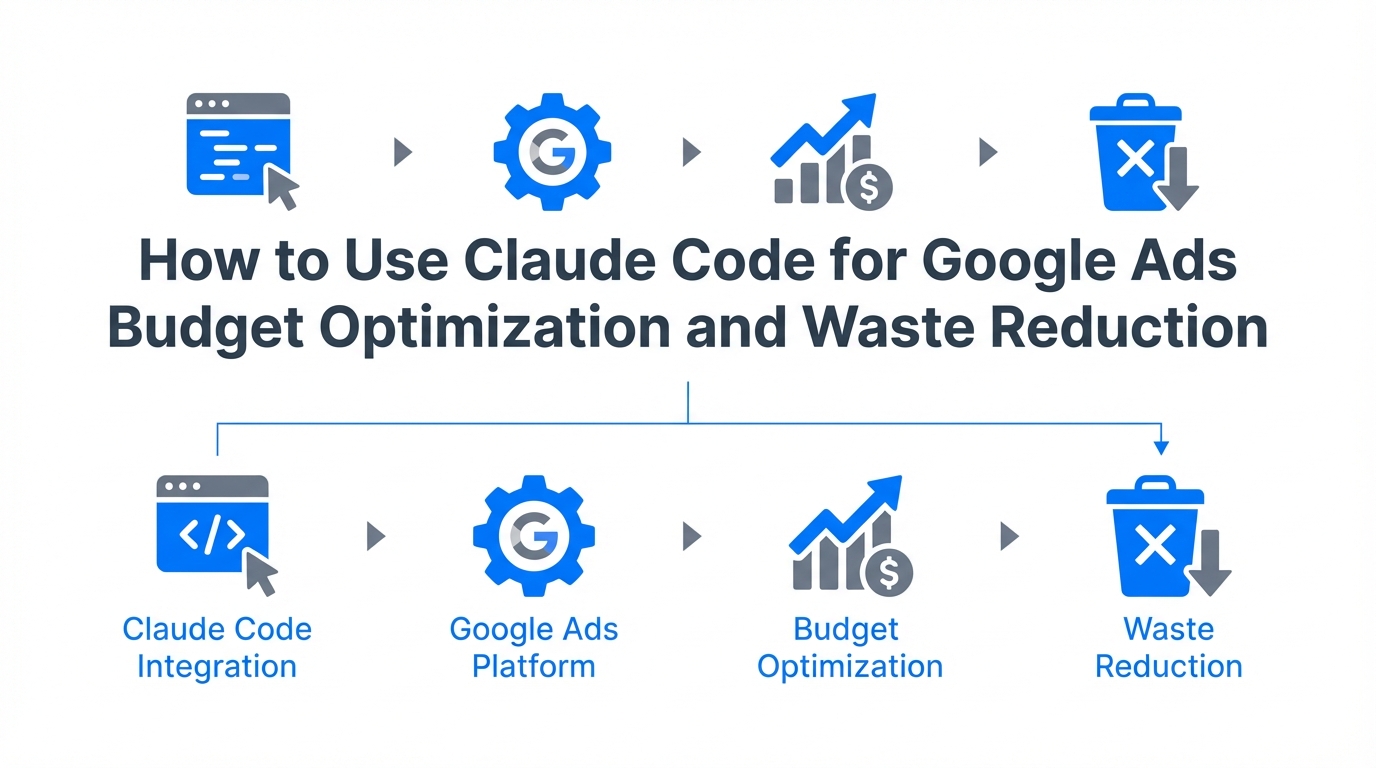
For years, growth marketers have been told to trust the black box. We were told that Google Ads internal machine learning would handle our bids, our placements, and our budgets with surgical precision. But as any seasoned media buyer knows, “Smart Bidding” often has a hunger for budget that doesn’t always align with bottom-line profitability. In 2025, the paradigm is shifting from passive automation to active Demand-Led Bidding. By leveraging Claude Code, Anthropic’s new agentic CLI tool, marketers are now treating their ad accounts like software, building autonomous “watchdogs” that eliminate waste and reallocate capital in real-time. This isn’t just about saving a few dollars; it’s about a fundamental shift from chat-based AI to action-based AI that can reduce Google Ads waste by up to 50%.
From Chatbots to Action Agents: The Claude Code Revolution
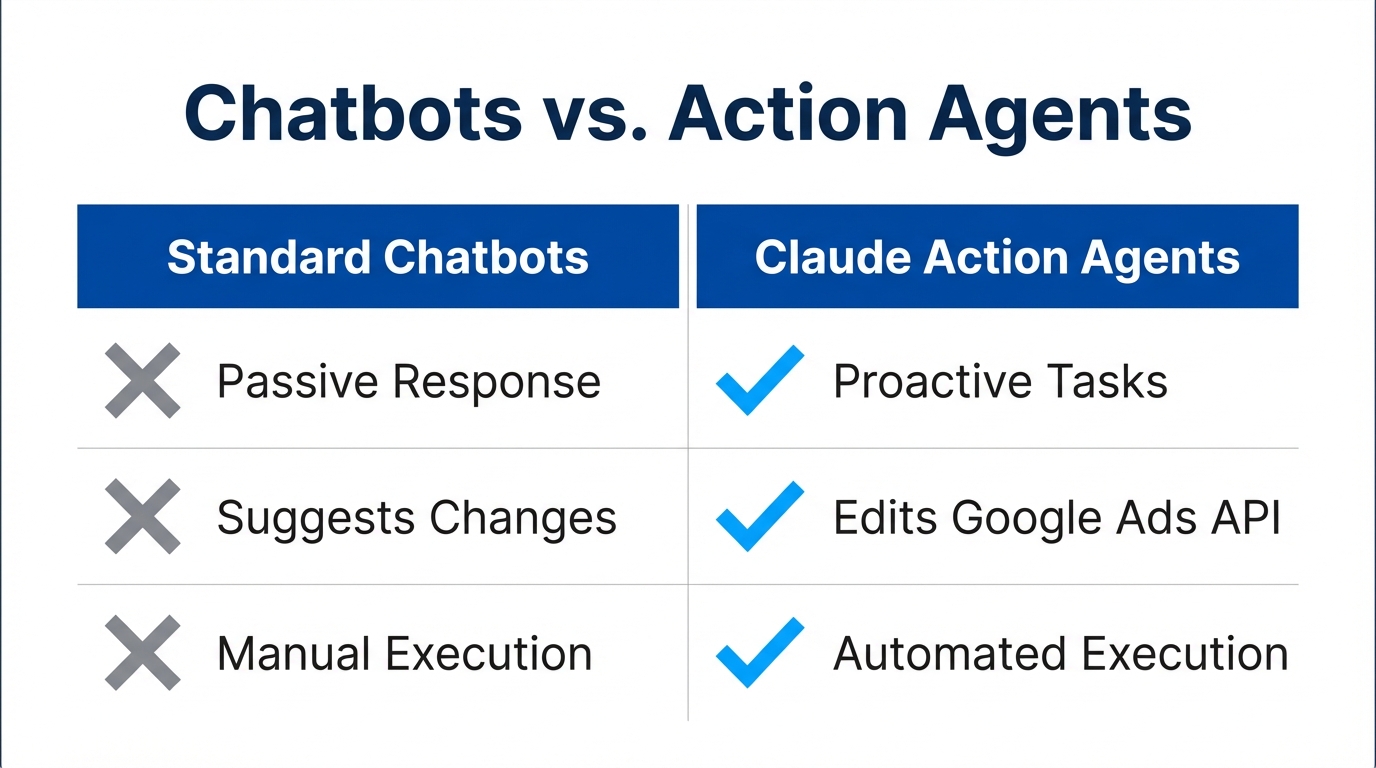
The biggest mistake marketers make in 2025 is treating AI as a glorified copywriter. While Claude.ai is great for brainstorming headlines, Claude Code is a developer-centric agent that lives in your terminal and can execute commands, read files, and interact with APIs. According to data from Stormy AI, organizations using agentic workflows like these report a 30% boost in overall efficiency and a staggering 65% reduction in campaign launch times. This is because Claude Code can “talk” to your live data through the Model Context Protocol (MCP), a bridge that allows the AI to query Google Ads directly using tools like GAQL.app.
"The shift to agentic AI means we are moving from asking questions to assigning tasks. Claude Code doesn't just tell you your CPA is high; it finds the leak and plugs it."While over 80% of advertisers now use some form of automated bidding according to WordStream Benchmarks, most are still stuck with the native tools provided by Google. The problem? Google’s incentives aren’t always your incentives. By using an external agent to manage your ai ad spend management, you create a system of checks and balances that ensures every dollar is fighting for a conversion.
The Playbook: Setting Up a ‘CPA Watchdog’
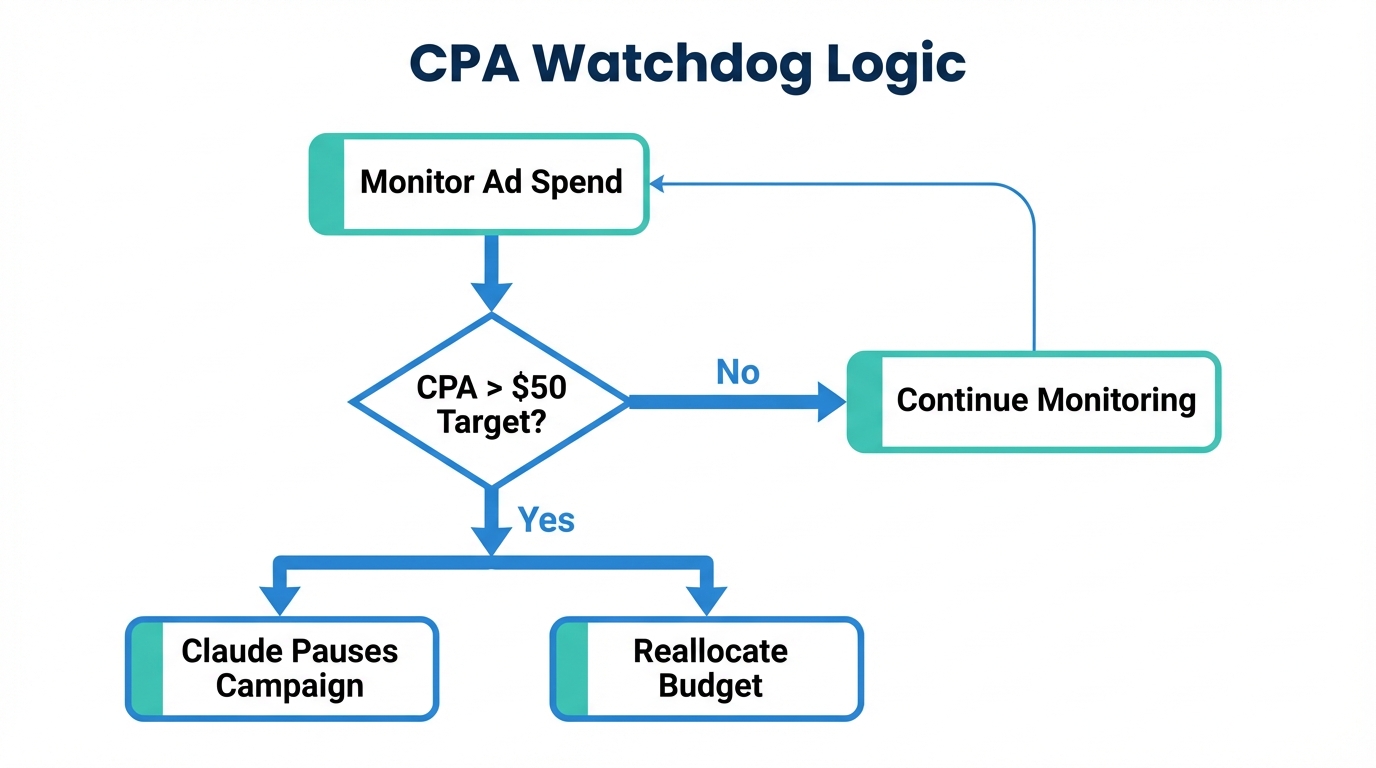
One of the most effective ways to reduce google ads waste is to implement a “CPA Watchdog.” This is an autonomous agent that monitors your ad groups every hour and takes immediate action if performance deviates from your targets. Unlike human managers who might check an account once a day, an agent never sleeps. Advertisers using these advanced AI-based optimization strategies report 25% more conversions compared to those relying solely on standard smart bidding, as noted by Marketing LTB.
Step 1: Install the Environment
To get started, you need to have Node.js installed on your machine. Open your terminal and run the following command to install the Claude Code CLI: npm install -g @anthropic-ai/claude-code. This gives you the direct interface needed to begin claude code for marketing automation.
Step 2: Connect the Google Ads MCP
You need a way for Claude to see your data. Use the TrueClicks Google Ads MCP or similar connectors from CData. This allows you to run “vibe queries” like: “Claude, show me all ad groups where the CPA has increased by 40% in the last 24 hours but spend has stayed the same.”
Step 3: Define the Logic and Trigger
Integrate your terminal workflow with n8n or a similar automation platform like Zapier. Create a simple logic flow: If CPA > [Target] AND Spend > [Threshold] THEN Pause Ad Group AND Slack the Team. This simple fail-safe can prevent “bleeding” spend that often occurs during unexpected market shifts or technical glitches.
| Feature | Standard Smart Bidding | Agentic Claude Code Bidding |
|---|---|---|
| Response Time | 24-48 Hours | Real-Time / Hourly |
| Transparency | Black Box | Fully Scripted & Auditable |
| Cross-Platform | Google Only | Can Rebalance via LinkedIn/Meta |
| Goal Alignment | Revenue/ROAS Max | Custom Profitability Logic |
Demand-Led Bidding: Automated Budget Reallocation
The old way of google ads budget optimization involved setting a fixed monthly cap and letting it run. The new way is Demand-Led Bidding. As described by Farsiight, this strategy involves scaling spend up aggressively when high-intent search volume spikes and pulling back instantly when the auction becomes too expensive. Claude Code excels here by analyzing historical search term reports via MCP and identifying “surges” in real-time.
For example, an e-commerce brand saw a 20% cost reduction and a 35% increase in conversion volume within just 30 days by switching to an AI agent for bid pacing, according to research by groas.ai. The agent was programmed to reallocate budget from low-performing “zombie” campaigns to high-performing tiers the moment a specific ROAS threshold was met. This type of automated budget reallocation is the key to maintaining a competitive edge in 2025.
"Budget reallocation used to be a weekly spreadsheet task. With Claude Code, it's a sub-second decision made hundreds of times a day."To fuel these high-performing campaigns, brands often need a steady stream of creative assets. While Claude handles the bidding, platforms like Stormy AI can help source and manage UGC creators at scale, ensuring your top-performing ad groups never run out of fresh content to test. Managing these relationships within a dedicated creator CRM allows for a seamless loop between creative performance and budget scaling.
The Art of Strategic Patience: Managing the Learning Period
While the urge to tinker is high, even AI-driven systems require a “learning period.” A common mistake in ai ad spend management is making major changes too frequently. Making significant budget shifts more than once every 7 days can prevent Google’s internal algorithms from stabilizing. Strategic patience is a requirement, not a suggestion.
Furthermore, as Google pushes “Broad Match” as the default, experts at Search Engine Land warn that neglecting Exact Match keywords is a critical error. Claude Code can be used to audit your account and ensure your highest-converting terms are still being captured by Exact Match groups, protecting your most profitable traffic from being diluted by broad, irrelevant queries.
Actionable Strategies for Immediate Waste Reduction
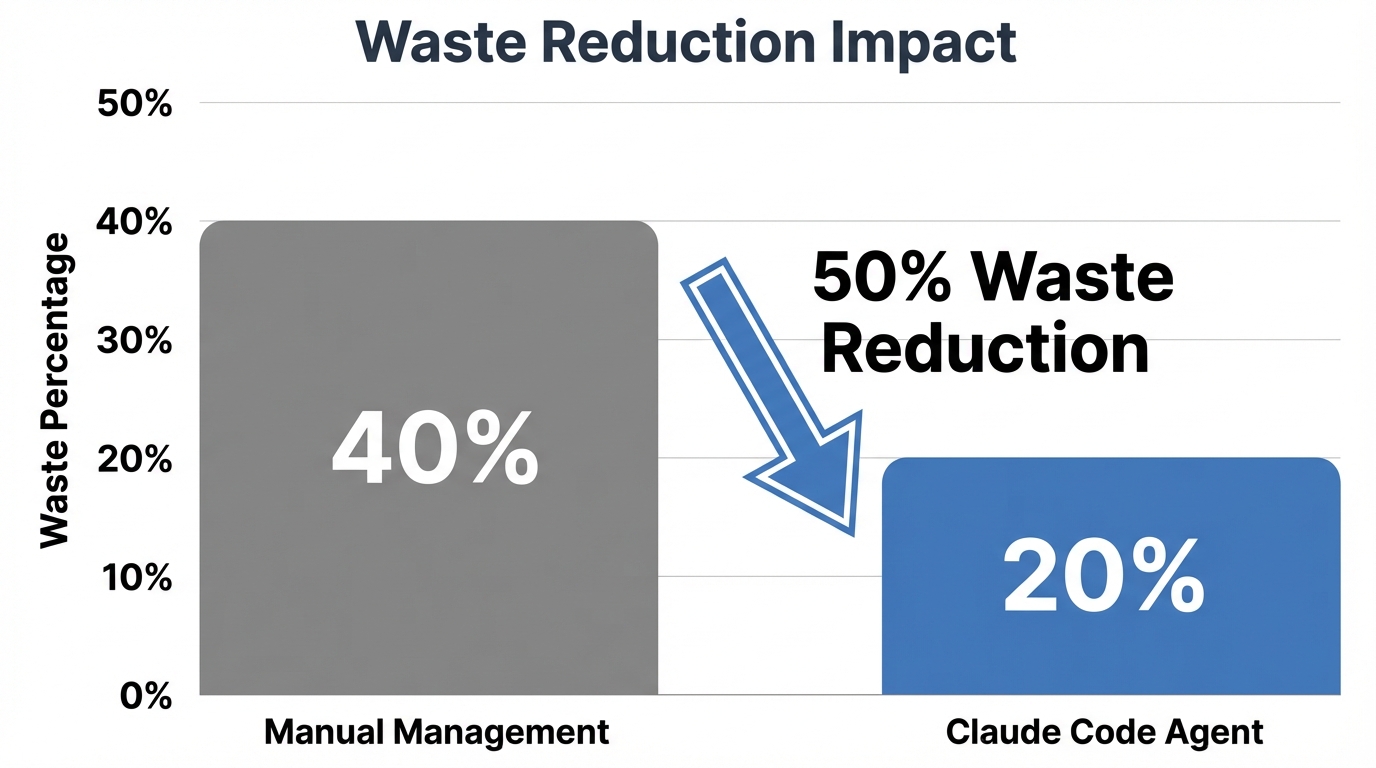
Beyond budget shifts, you can use claude code for marketing to handle the “boilerplate” maintenance that most managers ignore. These three workflows can be deployed almost immediately:
- Negative Keyword Pruning: Have Claude analyze Search Term Reports for terms with >$50 spend and 0 conversions. Automatically add these to a shared negative keyword list via Google Ads Scripting.
- Ad Copy Refreshes: Use Claude to analyze which headlines have the highest CTR and generate five new Responsive Search Ad (RSA) variations to test against the control.
- Cross-Platform Rebalancing: If your YouTube ROAS is significantly higher than your LinkedIn spend, use a tool like Coupler.io to feed data into Claude and have it propose a budget shift across platforms.
By automating these tasks, you free up your strategic mind to focus on high-level growth. You can even use tools like Stormy AI to set up an autonomous AI agent that discovers and outreaches to new influencers, creating a full-funnel marketing machine that operates while you sleep. The goal is to move from manual labor to orchestrating a fleet of intelligent agents.
Conclusion: The Future of Ad Ops
The era of manual google ads budget optimization is coming to an end. By integrating Claude Code into your workflow, you aren’t just automating tasks; you are building a more resilient, responsive, and profitable marketing engine. Start small: set up a “CPA Watchdog” to reduce google ads waste, then move into more complex automated budget reallocation. The marketers who succeed in this new landscape won't be the ones who can click the most buttons, but the ones who can best direct the AI agents to do it for them.