In 2026, the gap between performance marketing and software engineering has all but vanished. We are no longer in the era of manual spreadsheets or basic AI chatbots; we are in the era of agentic marketing orchestration. Since the release of Claude Code in early 2025, the industry has seen a seismic shift. According to Strategic Nerds, Claude Code reached an annualized revenue run rate of $2.5 billion by March 2026, as enterprises traded simple chat interfaces for command-line tools that can actually do the work.
For the modern growth lead, Anthropic now accounts for approximately 65% of enterprise LLM API expenditures. This dominance isn't just about better prose; it’s about the Model Context Protocol (MCP) and the ability to build custom marketing agents that scrape competitors, audit ad accounts, and deliver formatted reports to Slack while you sleep. If you are still manually exporting CSVs from Google Ads, you are effectively operating in the dark ages of 2024.
The Shift to Agentic Intelligence: Why Claude Code Wins in 2026
The fundamental difference between the Claude web interface and the Claude Code CLI is agency. While the web UI waits for your next prompt, the CLI can read your local files, execute terminal commands, and use Model Context Protocol (MCP) to connect directly to live marketing data. This has led to a 45% increase in productivity for teams automating their marketing workflows, according to data from Xpert Digital.
Instead of one-off prompts, high-performing teams are building persistent "Skills" and "Agents" stored as Markdown files. As noted by Kamil Rextin of 42 Agency, the strategy should be to build "foundations as skills first." By creating a MARKETING.md or SEO_AUDIT.md file in your root directory, you give Claude persistent domain expertise that doesn't disappear when you start a new chat session.
"Claude Code is a development environment for marketers, not just a chat window. Using an IDE like VS Code is the fastest path to 10x results." — Ryan Doser, AI Marketing InsiderBuilding the 'LinkedIn Ad Intelligence Agent'
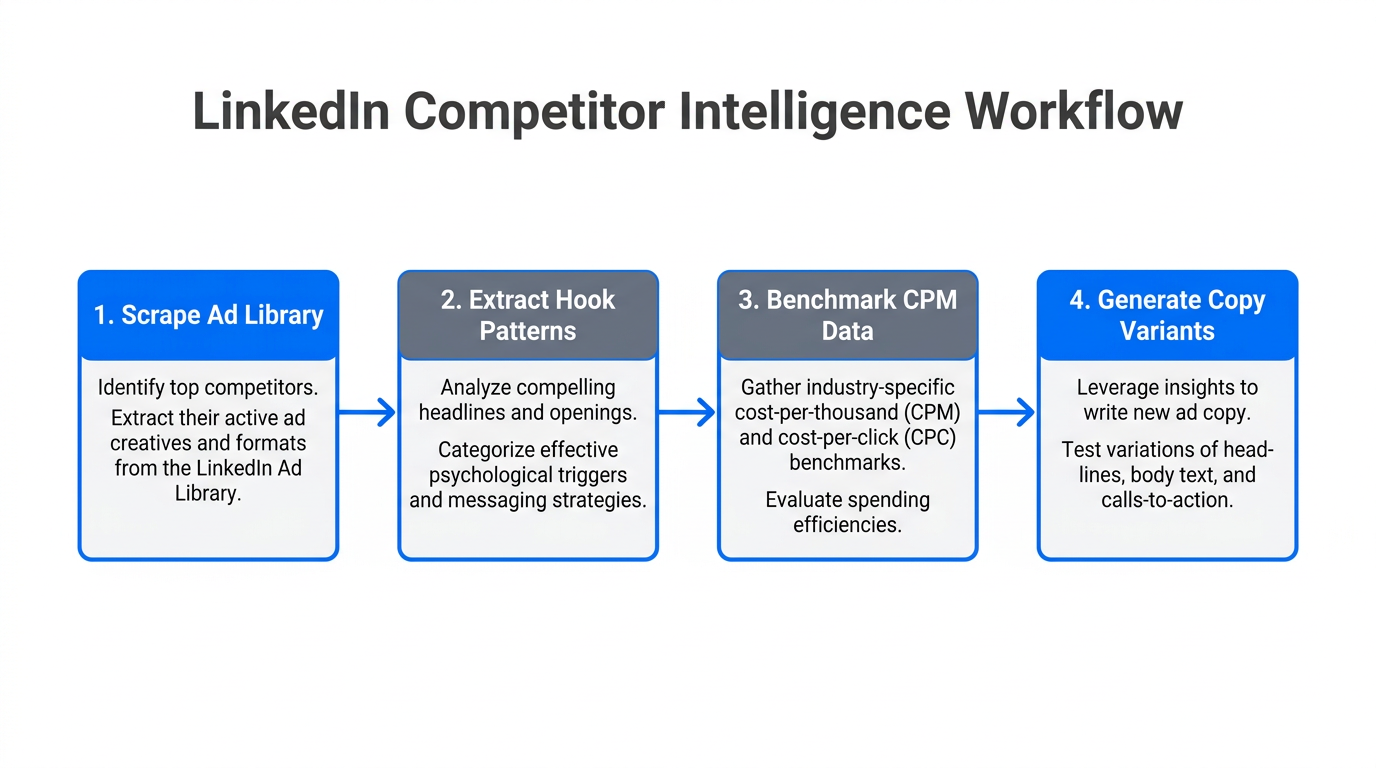
One of the most powerful applications of Claude Code is automated competitor research. Marketers are now deploying the /LinkedIn-ad-intel agent to bypass the manual slog of the LinkedIn Ad Library. By leveraging natural language, you can instruct Claude to scrape competitor messaging, categorize their value propositions, and output a branded PDF report for your creative team.
Step 1: Setting the Persona and Framework
To ensure high-quality output, start by providing Claude with a proven framework. Use the MKT1 Frameworks to give Claude a structure for analysis. Tell the CLI: "Analyze these LinkedIn ad transcripts using the MKT1 'Sub-Brand vs. Product' framework and identify which competitor is leaning hardest into emotional vs. functional hooks."
Step 2: Automating the Scrape and Synthesis
Using a tool like Pipedream, you can create a bridge that feeds live ad data into a local folder. Claude Code then processes these files, identifies themes (e.g., "They are focusing heavily on 'security' this quarter"), and uses a Python script to generate a formatted PDF. This process, which once took a junior analyst three days, now happens in roughly four minutes.
| Feature | Manual Research (2024) | Claude Code Agent (2026) |
|---|---|---|
| Data Collection | Manual screenshots & tabs | Automated scraping via CLI |
| Analysis Depth | Surface-level observations | Deep thematic pattern matching |
| Output Format | Messy Slide decks | Branded, structured PDF/Slack alerts |
| Update Frequency | Quarterly | Daily or Real-time |
Google Ads Automation: From API to Slack in 30 Minutes
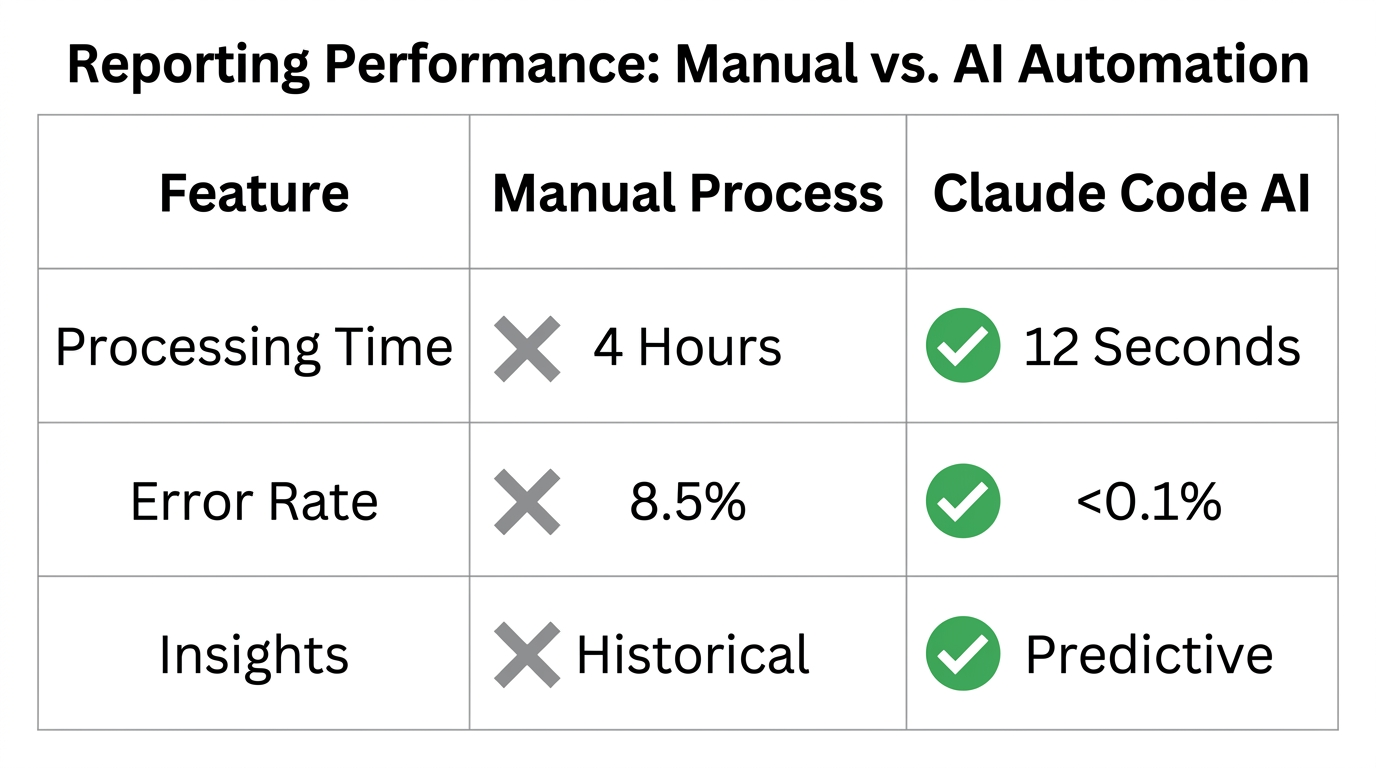
The days of paying an agency $5,000/month just for "reporting" are over. With Claude Code, you can build a custom Google Ads reporting script in under 30 minutes. According to Adventure PPC, agencies are now using these scripts to pull API data, process it through a logic layer, and deliver formatted Monday morning reports directly to client Slack channels.
By connecting to the MCP Hub, Claude can access the Google Ads API without requiring you to write a single line of boilerplate code. You simply describe the logic: "Find all keywords with a CPA 20% higher than our target, compare their conversion rate to the previous week, and suggest three negative keyword additions in a table format."
"We used Claude Code to research competitors, build a landing page, and set up an automated email sequence—generating $450K in revenue in just 4 hours." — Stormy AI Case StudyWhen your ad reporting is automated, you have more time to focus on creative strategy and influencer discovery. For brands looking to scale their UGC (User Generated Content) alongside their automated PPC, tools like Stormy AI provide the perfect complement. While Claude handles the data orchestration, Stormy AI allows you to instantly find and vet high-quality creators to fuel your high-performing ad sets.
Cross-Platform Analysis: Organic and Paid Synergy
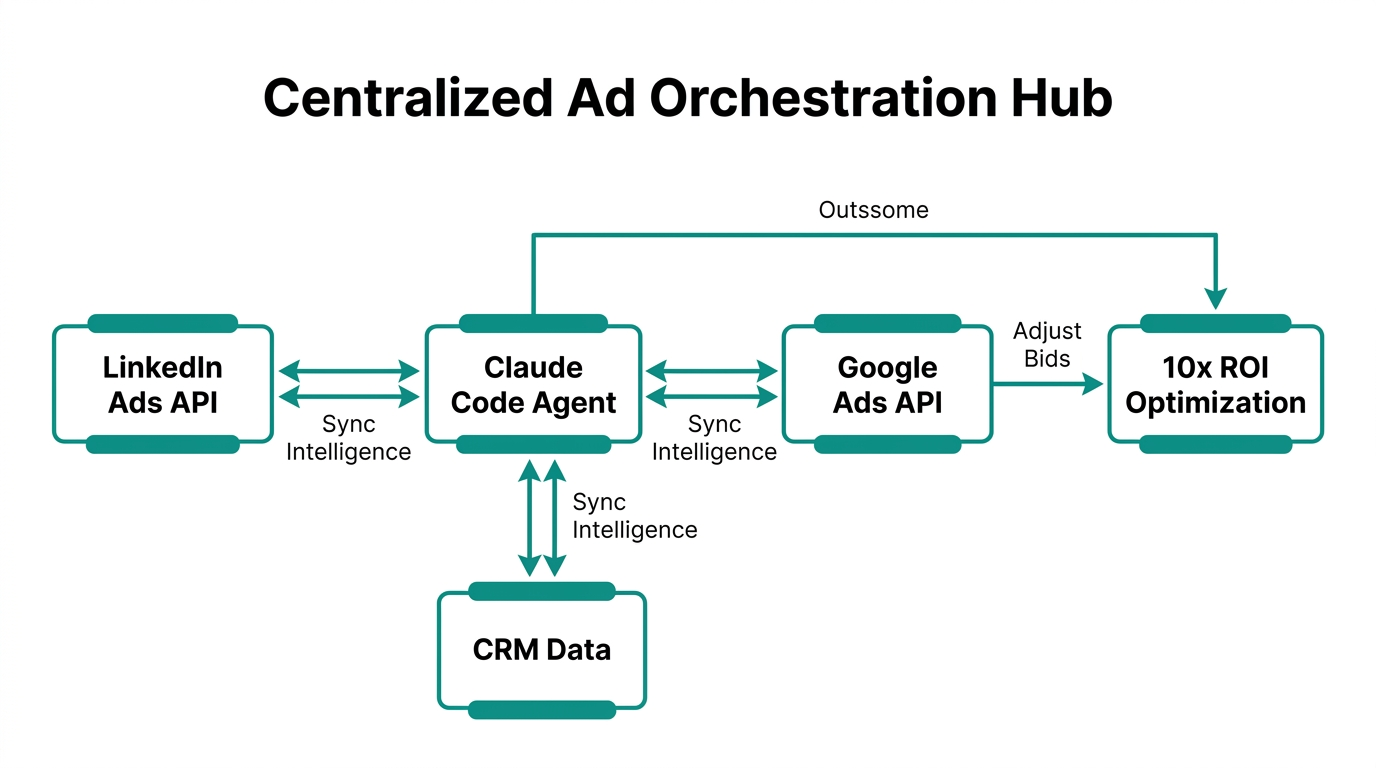
One of the biggest wastes of marketing budget is paying for keywords you already dominate organically. Will Scott, founder of Search Influence, notes in Search Engine Land that Claude Code serves as an "SEO Command Center."
By integrating the Google Search Console MCP and the Ahrefs MCP, you can ask Claude cross-platform questions like: "Which keywords am I currently bidding on in Google Ads where we already hold a top 3 organic position? Calculate the potential cost savings if we reduce those bids by 50%."
This level of marketing data orchestration allows you to run automated SEO audits and Generative Engine Optimization (GEO) checks directly from your terminal. You can even identify pages with high impressions but low CTR and have Claude generate three new title tag variations based on current top-performing ad copy.
The 2026 Growth Stack: Integrating Pipedream and SegmentStream
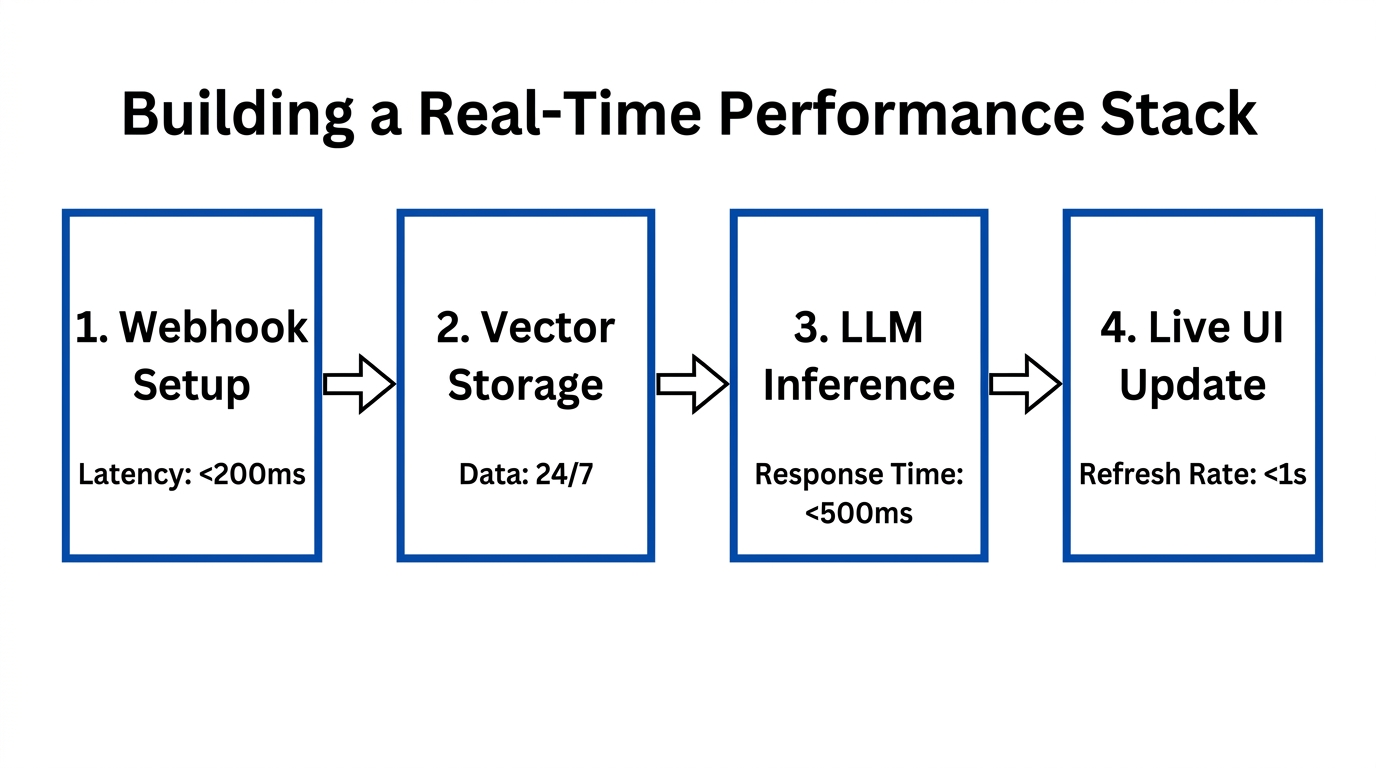
To build a truly live performance dashboard, you need a robust pipeline. Modern performance marketers are pairing Claude Code with SegmentStream for advanced measurement and Pipedream for automation bridging.
- Data Ingestion: Use SegmentStream to unify data from TikTok Ads, Meta, and Google Ads.
- Analysis: Use Claude Code to query that unified data via the command line.
- Visualization: Have Claude push the processed insights to a Vercel-hosted dashboard using a React-based component it built for you.
This workflow eliminates the need for expensive, rigid BI tools. Instead, you have a flexible, AI-managed reporting engine that adapts as fast as your strategy does. If you need a new metric, you don't wait for the data engineering team; you just tell Claude to update the script.
Security Best Practices: Protecting PII in the CLI
As we move more data through terminal-based agents, security becomes paramount. A common mistake is feeding sensitive customer Personally Identifiable Information (PII) into the terminal. To prevent leaks, follow these 2026 security protocols:
- Use Service Accounts: Never use your primary admin credentials. Create service accounts with read-only access for Claude to use when pulling data.
- Sanitized Data Feeds: Use a middleware layer to strip out email addresses and names before the data reaches the Claude environment.
- Plan Mode: Always use "Plan Mode" (
Shift+Tab) in Claude Code to review the intended steps and API calls before the agent executes them. This is your essential "QA Gate." - Local Environments: Keep your most sensitive logic in local scripts that Claude executes, rather than pasting the logic directly into the prompt history.
The Future of Ad Strategy is Agentic
The transition from manual marketing to AI-orchestrated growth is no longer optional. By the end of 2026, the marketers who thrive will be those who treat Claude Code as a strategic thought partner and a technical execution arm. Whether it's building a LinkedIn Ad Intelligence Agent or automating your entire reporting suite via SegmentStream, the goal remains the same: move faster and with more precision than the competition.
As you automate your data and reporting, don't forget the creative engine. Use Stormy AI to discover the creators who will bring your automated ad strategies to life with authentic content. When you combine the analytical power of Claude Code with the creative scale of a leading influencer platform, you create a marketing engine that is truly unstoppable.