The marketing landscape is undergoing a tectonic shift. For the past two years, marketing executives have focused on 'prompt engineering'—the art of coaxing a chatbot to generate a decent email or social caption. However, as we move through 2025, that era is ending. The industry is moving from Chat AI to Action AI. This transition marks the move from copy-pasting text to terminal-based automation where AI doesn't just suggest ideas; it executes complex campaign operations. At the heart of this revolution is Claude Code, a tool that is effectively turning marketing departments into high-speed software development environments.
The Dawn of Action AI in Marketing
In 2024, the influencer marketing industry reached a staggering value of $24 billion, according to data from indaHash. By 2025, that figure is projected to climb to $32.55 billion. With a growth rate of over 33%, the volume of content, creator relationships, and data points is outpacing human capacity. This is why AI marketing automation 2025 is no longer a luxury—it is a survival mechanism.
Action AI refers to models that can interact with the real world through tools, APIs, and file systems. Instead of a marketer manually searching for influencers and tracking engagement in a spreadsheet, Action AI workflows allow for the creation of autonomous agents. These agents can 'scrape' performance data, vet creators based on brand sentiment, and even initiate payments through secure financial protocols. It is a fundamental shift from AI as a writing assistant to AI as a marketing operations manager.
Why Terminal-Based Automation is Replacing Prompt Engineering
For most marketers, the 'terminal' or 'command line' sounds like a developer's playground. However, Anthropic Claude Code has introduced a CLI (Command Line Interface) that allows marketing teams to treat their entire campaign strategy like a software codebase. This is what industry experts are calling 'Vibe Marketing'—the ability to deploy entire campaign infrastructures from a single command interface.
Standard prompt engineering is limited by the 'context window' of a chat box and the manual friction of moving data between tabs. Terminal-based automation removes this friction. By using Claude Code for marketing, teams can run scripts that analyze thousands of influencer portfolios simultaneously, checking for brand alignment using tools like Firecrawl.dev, which converts messy web URLs into clean, structured data for the AI to ingest. This level of marketing operations automation allows a single manager to oversee the work that previously required a ten-person agency team.
The Role of Model Context Protocol (MCP) in Connecting Data
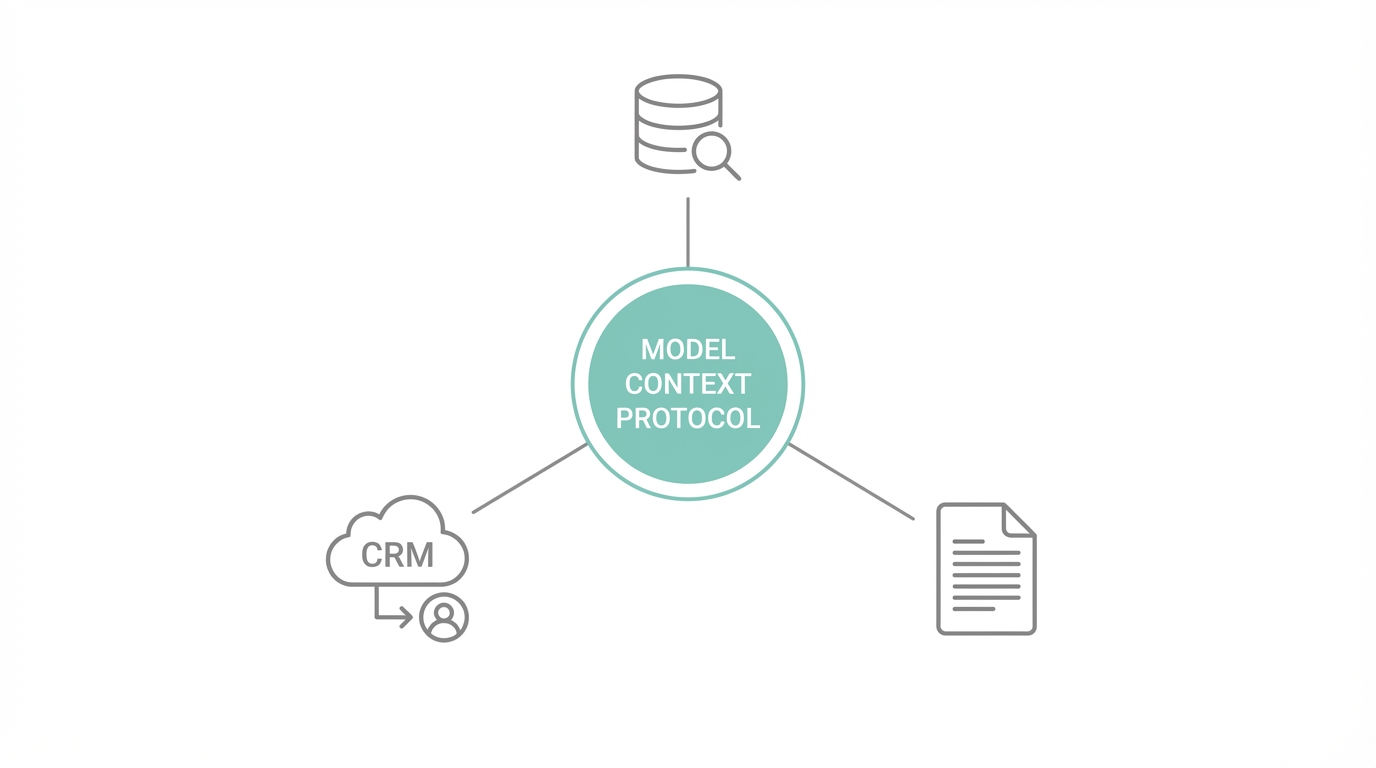
The real 'secret sauce' behind this transition is the Model Context Protocol (MCP). Think of MCP as a universal translator that allows Claude to 'speak' to your existing tools. Without MCP, Claude is just a brain in a jar. With it, the AI has hands and eyes.
There are several critical MCP servers currently transforming marketing workflows:
- Payments: Using the Stripe MCP, marketing teams can authorize Claude to generate invoices and process creator payments directly within the terminal workflow.
- Data Scraping: The Apify MCP allows for real-time monitoring of TikTok, Instagram, and YouTube. This means your AI agent can 'listen' for creator mentions and automatically update your CRM.
- Research: AI can now navigate complex portfolios and media kits, extracting key performance metrics without human intervention.
By connecting these protocols, marketing executives can build AI agent chains. For example, a 'Discovery Agent' finds a creator, a 'Vetting Agent' checks their engagement quality, and a 'Payment Agent' prepares a contract—all without a single human click.
Efficiency Gains and Performance Impact
The data supporting this shift is compelling. According to research from Artsmart.ai, 63% of marketing professionals plan to leverage AI and Machine Learning for influencer marketing specifically in 2025. This isn't just about following a trend; it's about the bottom line. Brands utilizing AI-driven creator matching have reported a 25–30% lift in Return on Ad Spend (RoAS), as noted by The Cirqle.
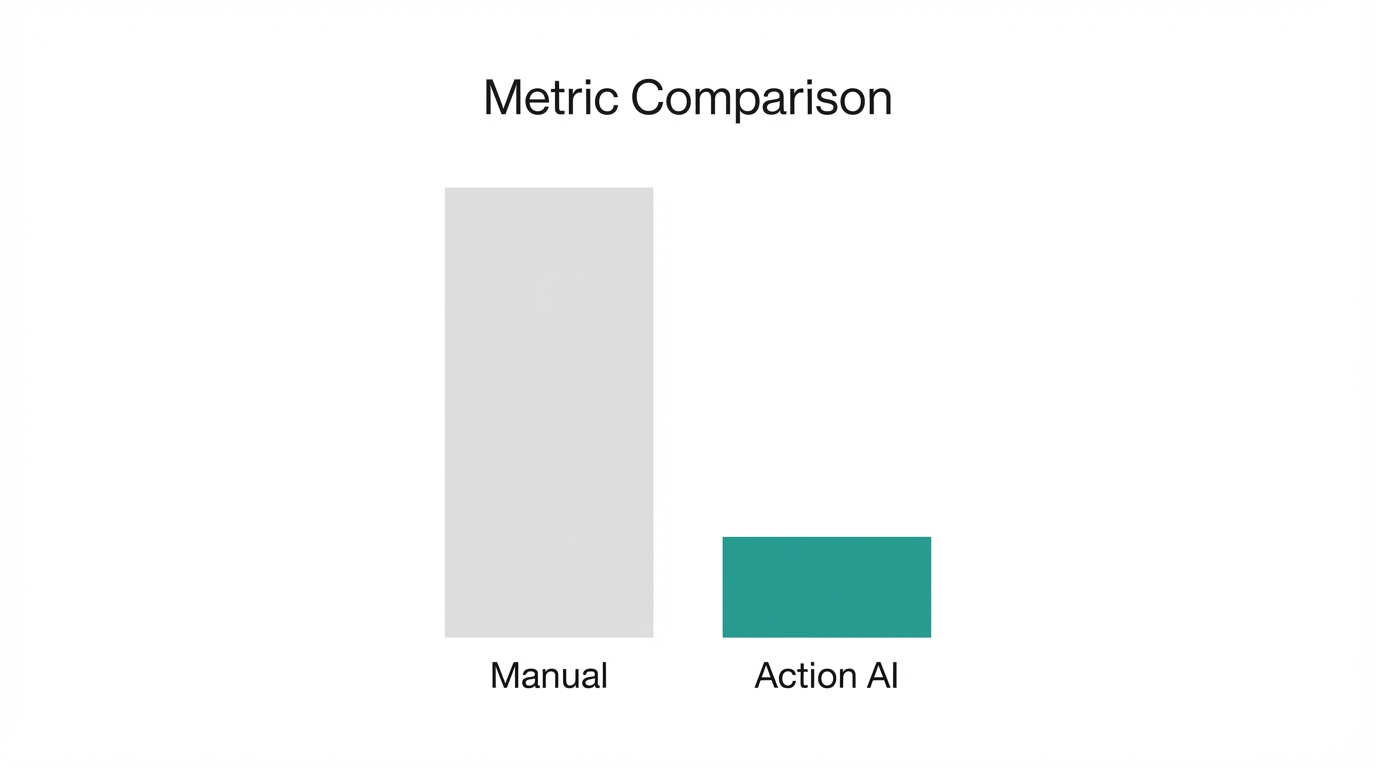
Furthermore, marketing teams using Claude-driven agent chains have successfully reduced campaign production time by 40%. This efficiency is paired with an 18% increase in content output consistency, according to Hashmeta. When AI handles the repetitive tasks of data entry and initial vetting, human creatives are freed to focus on high-level strategy and storytelling.
Case Studies: TELUS, Zapier, and Stormy AI
Large-scale enterprises are already leading the way. The telecom giant TELUS used Claude to build over 13,000 internal AI tools, which collectively saved the company 500,000 staff hours across its marketing and support divisions, as detailed in the official Anthropic case study. Similarly, Zapier has deployed more than 800 internal Claude-driven agents to automate multi-platform social media distribution and lead nurturing.
In the world of influencer marketing, modern platforms are showing what is possible. For instance, Stormy AI streamlines creator sourcing and outreach, allowing teams to leverage AI search to discover creators in seconds rather than days. By using AI-driven discovery and outreach tools, brands can bypass the weeks of manual back-and-forth usually required for a large-scale launch.

A Roadmap to AI-Agent-First Infrastructure
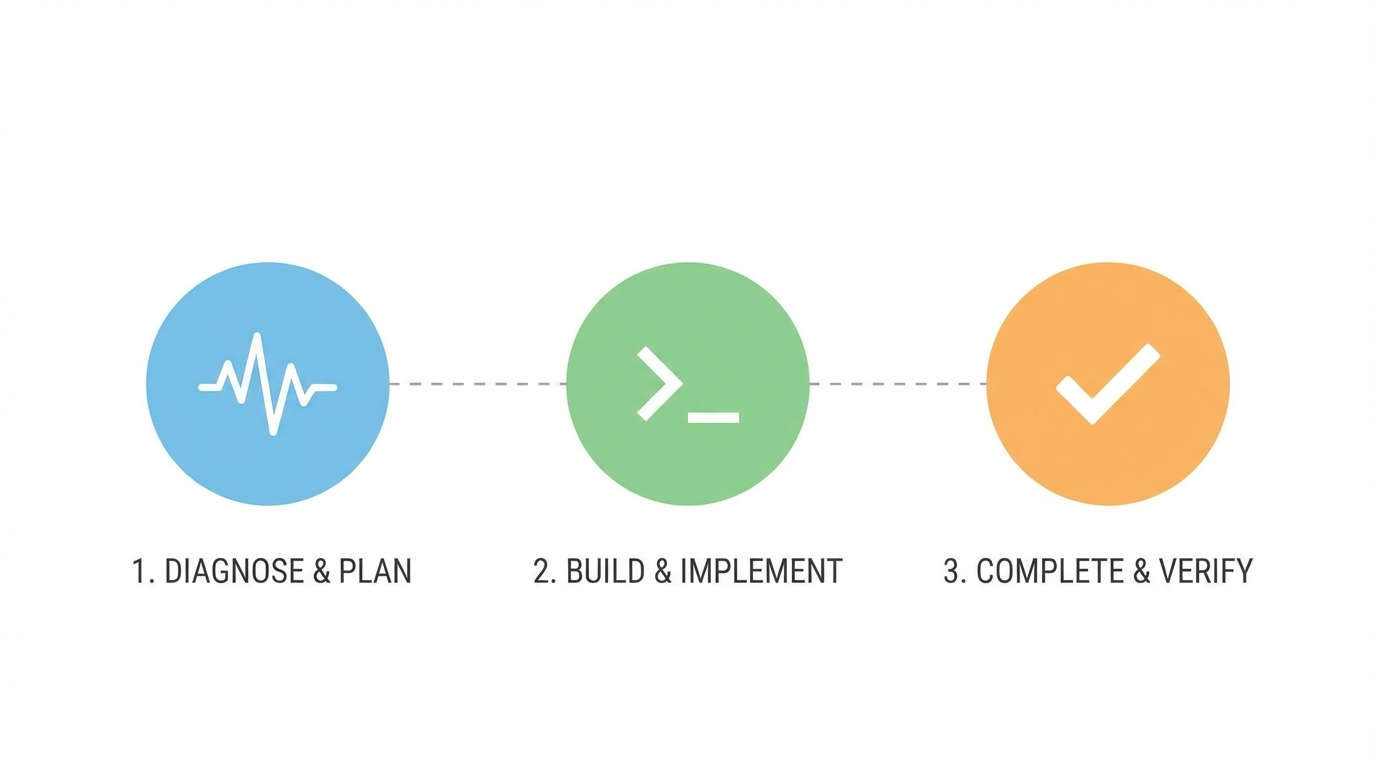
Transitioning a department from Chat AI to an agentic infrastructure requires a structured approach. Here is a clear playbook for marketing executives:
Step 1: Audit Your Marketing Data
AI is only as good as the data it can access. Fragmented data across disparate spreadsheets leads to misaligned influencer suggestions. Ensure your historical performance data, creator lists, and brand guidelines are digitized and accessible via API or clean Markdown files.
Step 2: Configure Your MCP Environment
Start by setting up a terminal environment using Claude Code. Connect essential MCP servers like Stripe for finance and Apify for social listening. This creates the 'nervous system' for your operations.
Step 3: Build Your First Agent Chain
Don't try to automate everything at once. Start with a single workflow, such as 'Automated Vetting.' Create a script where Claude pulls raw engagement data from a list of creators and applies a 'Skill' (a reusable instruction) to score them based on sentiment and brand fit. Tools like Make.com or n8n can help bridge the gap between these AI agents and your visual workflow management.
Step 4: Implement Human-in-the-Loop (HITL)
As noted by LinkNow Media, over-automation can lead to 'AI slop'—generic outreach that creators ignore. Use AI for the 90% of heavy lifting (research and drafting), but keep a human in the loop for the final 10% of personalization and relationship building.
Common Pitfalls to Avoid
As you move toward Action AI workflows, be wary of common mistakes that can derail your progress. One of the most significant issues is relying on vanity metrics. Many brands still focus on follower counts, but sophisticated teams use AI to calculate 'Engagement Quality' and 'Sales Potential' based on historical comment sentiment, according to insights from Afluencer.
Another risk is ignoring brand voice. Generic prompts result in robotic content. To combat this, marketing teams should use 'Style Reference' skills—essentially a digital brand bible—to train their Claude agents on specific voice, tone, and formatting preferences. Platforms like Vibe Sales emphasize that maintaining a distinct brand identity is the only way to stand out in an AI-saturated market.
Conclusion: The Future of Marketing Ops
The shift to AI marketing automation 2025 is not just about speed; it's about precision. By moving from simple chatbots to terminal-based Action AI, marketing departments can scale their operations without scaling their headcount. Whether it's through the use of Claude Code for marketing or leveraging platforms like Stormy AI to discover and manage creators, the goal remains the same: transforming data into action.
Executives who embrace this agentic infrastructure today will be the ones who define the next era of growth. Start small, connect your data via MCP, and begin building the autonomous marketing machine that will power your brand through 2025 and beyond.