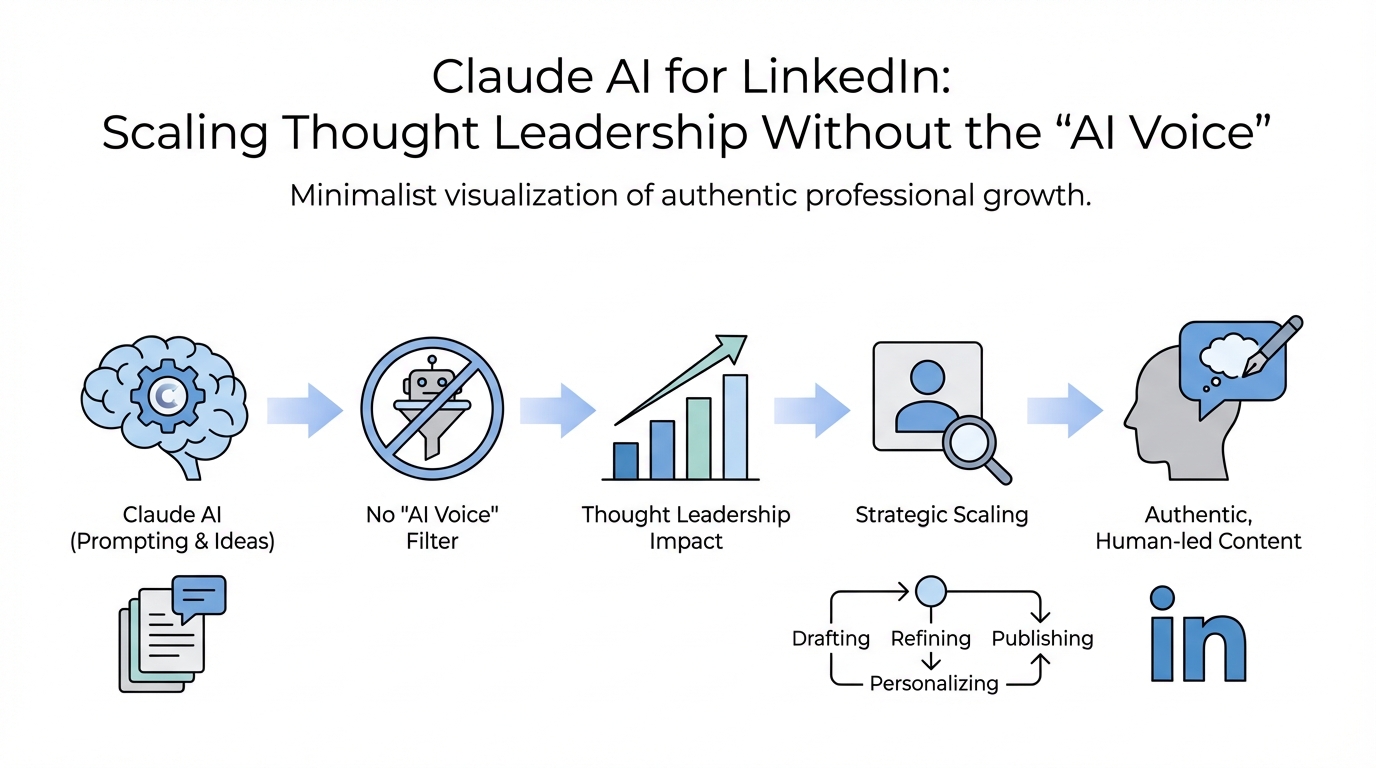
In the high-stakes world of executive personal branding, the dreaded "AI voice" is the ultimate credibility killer. We have all seen it: the overly enthusiastic adjectives, the repetitive sentence structures, and the "delve into the future of..." clichés that scream ChatGPT. However, as of 2026, a significant shift has occurred among elite marketers and industry leaders. They are moving away from generic chatbots and toward Claude AI for LinkedIn to maintain professional nuance. While other models focus on being helpful assistants, Claude has carved a niche as the preferred tool for high-stakes professional branding due to its more grounded, analytical, and human-like output.
The Rise of Claude in the Enterprise
The numbers don't lie: Claude is no longer a secondary option. As of January 2025, Claude reached 18.9 million monthly active users. More impressively, the platform's web traffic exploded by 10.3x in a single year, jumping to 164.8 million visits by August 2025. This isn't just casual usage; it is enterprise dominance. Currently, 70% of Fortune 100 companies utilize Anthropic’s Claude for their internal and external communications.
Why are executives flocking to this platform? It comes down to "Constitutional AI"—a framework that makes the model more brand-compliant and less prone to the "flowery" hallucinations that plague earlier generative models. For a LinkedIn thought leader, this means less time editing out "hype" and more time refining executive personal branding tools that actually sound like a human expert.
"Claude’s superiority for long-form LinkedIn posts and technical threads lies in its analytical reasoning—it's less repetitive and more grounded than its predecessors."
Authority Without Ego: The Strategic Prompt
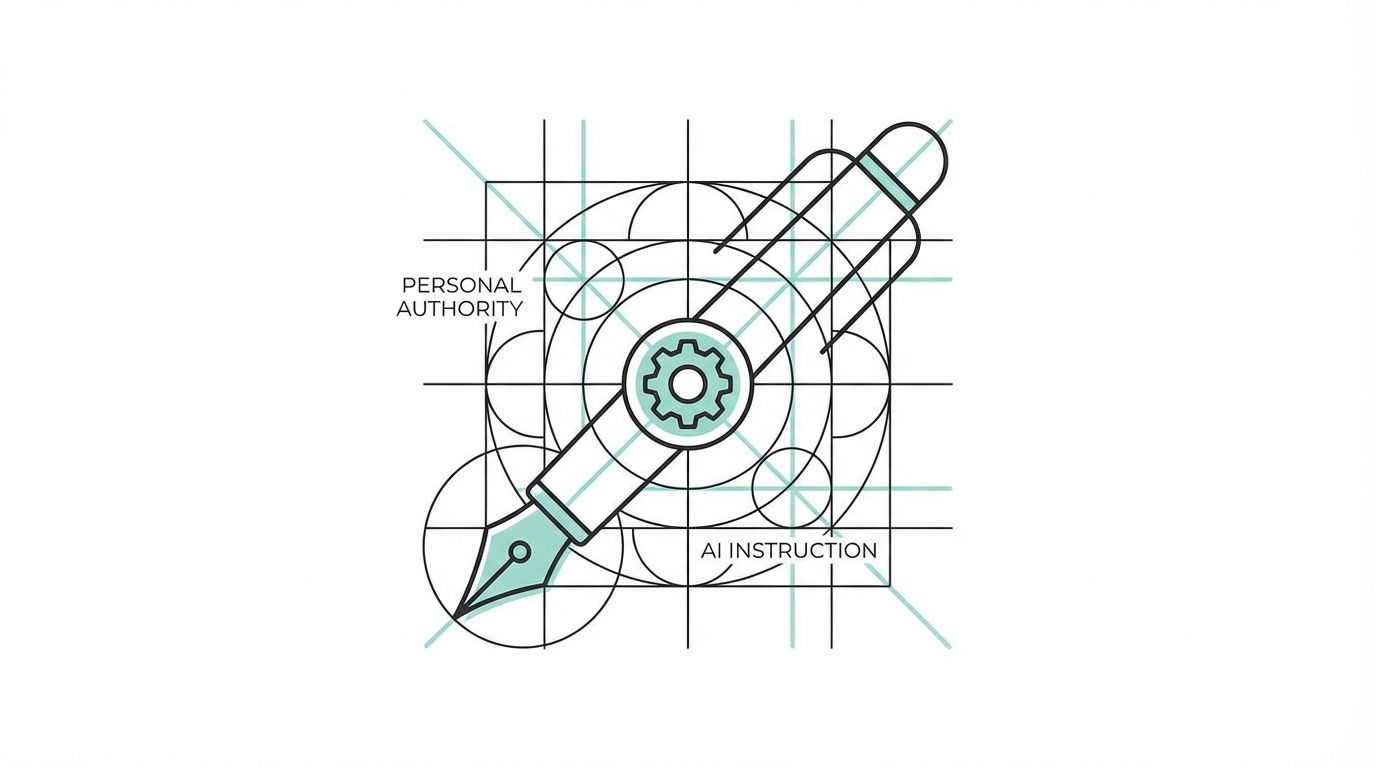
The most common mistake when using LinkedIn thought leadership AI is asking it to "write a motivational post." This almost always results in a series of platitudes that professional audiences find transparent and unengaging. Instead, savvy leaders are using the "Authority Without Ego" strategy. This involves prompting Claude to act as a "Senior Industry Leader" rather than a cheerleader.
To achieve this, use the Role-Context-Task-Constraint framework. For example, instead of a simple request, you might prompt: "Learn my brand voice from these 5 past posts. Then, write a LinkedIn post about sustainable supply chains. Remove all fluff, industry buzzwords, and exaggerated claims. Focus on calm, grounded insights that provide actual utility to other CEOs." This approach ensures that the output is authoritative but humble—the hallmark of a true thought leader.
By focusing on naturalism over hype, you avoid the "AI fingerprint" that often triggers the skepticism of your professional network. According to experts on YouTube, this shift toward a more conservative, precise tone is what separates high-level executive branding from generic content creation.
Building Your Knowledge Base with Claude Projects
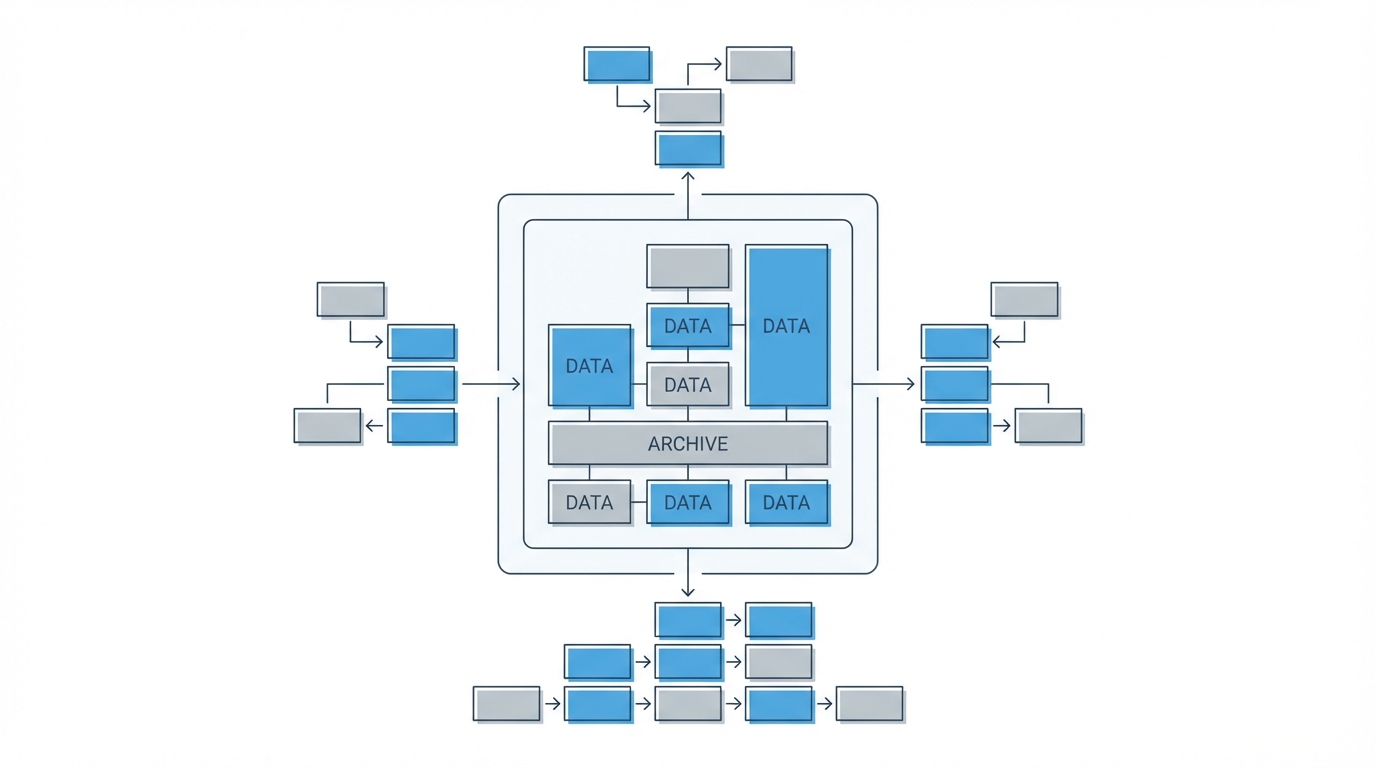
The days of copy-pasting your bio into every new chat are over. Claude Projects allow you to upload a Knowledge Base of up to 500 pages. For a LinkedIn creator, this is a game-changer for AI brand voice consistency. Your Knowledge Base should include:
- Your top 10 most successful LinkedIn posts from the last year.
- Your company's whitepapers or mission statement.
- Specific SEO guidelines and industry-specific terminology.
- A list of "Forbidden Words" (e.g., journey, revolutionary, paradigm shift).
This allows for Few-Shot Learning. By providing Claude with 3-10 examples of your best work, the AI learns the specific cadence of your writing—where you place your hooks, how long your sentences are, and your specific method of using bullet points. This level of customization is why agencies like AdVolve Media have reported a 62% reduction in content creation time after implementing Claude-driven workflows.
The Split System Strategy: Brainstorm vs. Execute
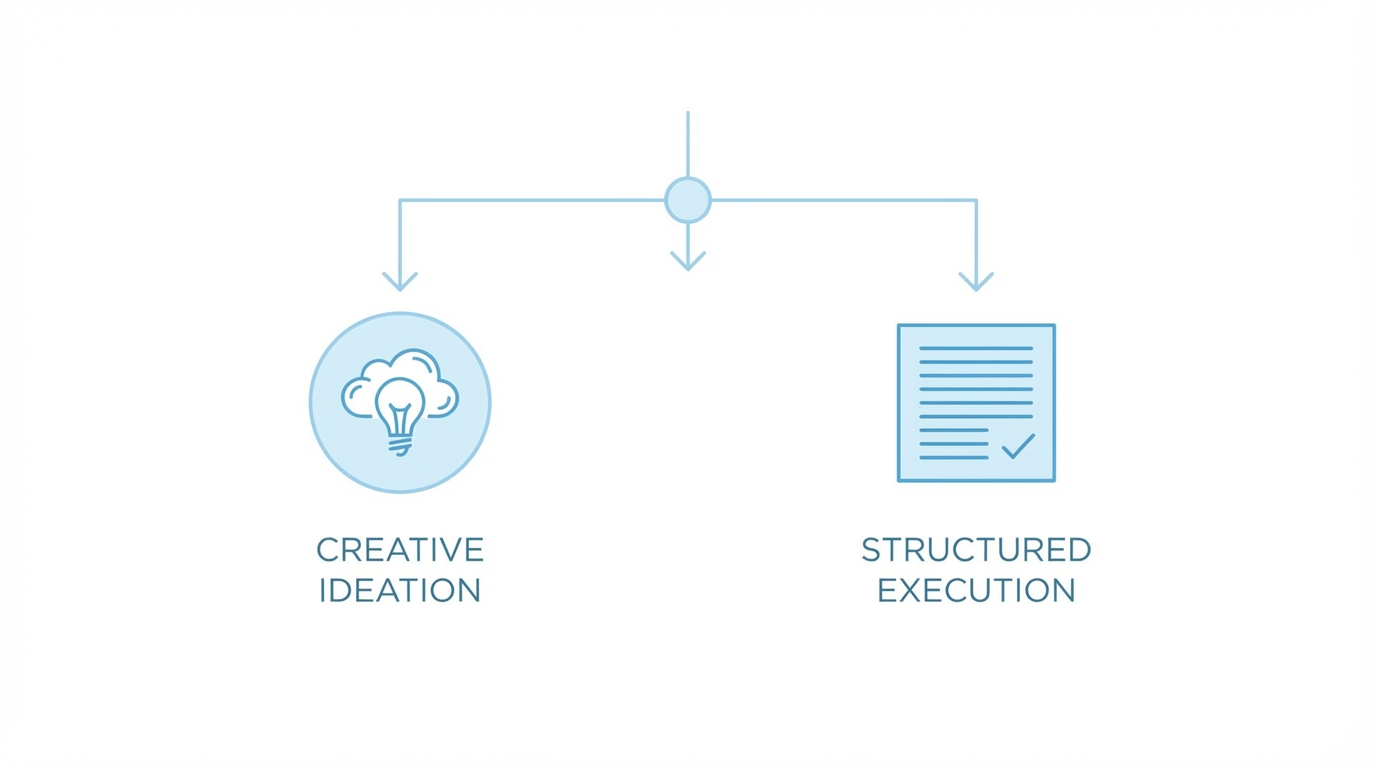
A growing trend among social media strategists, often discussed by experts at Reddit and industry forums, is the "Split System" strategy. This involves using ChatGPT for the initial, messy brainstorming phase and Claude for the final execution.
ChatGPT is often seen as broader and more "creative" in its initial ideation, making it great for mind-mapping or finding unusual angles. However, when it comes to the actual drafting—where precision and tone are paramount—Claude wins. Once you have your core concept, move it into Claude to refine the voice and ensure it aligns with your professional standards.
For those looking to scale this further, tools like Stormy AI can help you discover other top-performing creators in your niche. By analyzing what works for them and feeding those insights back into your Claude Knowledge Base, you can build a data-driven content engine that feels entirely authentic to you.

"The key to authority isn't louder claims; it's calmer, data-backed insights delivered with a consistent human voice."
How to Scale LinkedIn Newsletters and Technical Threads
LinkedIn Newsletters are one of the most powerful tools for building long-term authority, but they are also the most time-consuming. Claude is uniquely suited for AI writing for professionals because it can handle large context windows (up to 200k tokens) without losing the thread of the argument.
The 1,500-Word Workflow
- Input: Upload a transcript of a recent podcast, a webinar, or a rough voice note of your ideas.
- Outline: Ask Claude to generate a logical structure: Hook -> The Problem -> The Data -> The Solution -> The Call to Action.
- Drafting: Instruct Claude to write one section at a time to maintain high quality. Use the prompt: "Based on the outline, write the 'The Data' section using the statistics from the attached PDF. Keep the tone clinical and objective."
- Polishing: Use Claude to check for platform mismatch. What works for a technical thread on X (formerly Twitter) won't work for a professional LinkedIn audience.
This method has been used by massive brands to increase engagement by 35% while reducing planning time from 20 hours to just 3 hours per month. For example, a restaurant chain with 25 locations used this exact workflow to generate their entire content calendar in a fraction of the time, according to research from Studio 36 Digital.
Avoiding Common LinkedIn Pitfalls
Even with the most advanced AI, the goal should always be human-led, AI-assisted content. To avoid the common pitfalls of AI-generated content on LinkedIn, follow these three rules:
1. Add Personal Anecdotes
AI can analyze data, but it hasn't lived your life. Always weave in a specific story—a conversation you had with a client, a mistake you made early in your career, or a recent observation from your office. This "human touch" is what creates a genuine connection with your followers.
2. Use Platform-Specific Vibes
Don't just cross-post the same caption. Instruct Claude on the specific "Vibe" for each platform. On LinkedIn, that means "professional yet conversational." If you're repurposing for TikTok, you'll need "fast-paced and punchy." Platforms like Buffer or Hootsuite can help manage the scheduling, but the content must be tailored.
3. Never Neglect the Hook
The first two lines of your LinkedIn post are the only ones people see before clicking "See more." Use Claude to analyze successful viral hooks in your industry and generate 10 variations for every post. You can even use Apify to scrape current trends and have Claude adapt your hooks to match what is currently trending.
Conclusion: The Future of Executive Branding
Scaling a personal brand on LinkedIn doesn't have to mean losing your voice. By leveraging Claude AI for LinkedIn, executives can maintain a high-frequency posting schedule while actually increasing the quality and consistency of their message. The secret lies in the Knowledge Base—treating the AI not as a ghostwriter, but as a highly trained researcher and editor who understands the nuances of your professional identity.
Ready to find the creators and influencers who can help you model your authority? Tools like Stormy AI make it easy to discover, vet, and collaborate with the right voices in your industry. Combine the discovery power of Stormy with the writing precision of Claude, and you have a powerhouse strategy for 2026 and beyond.