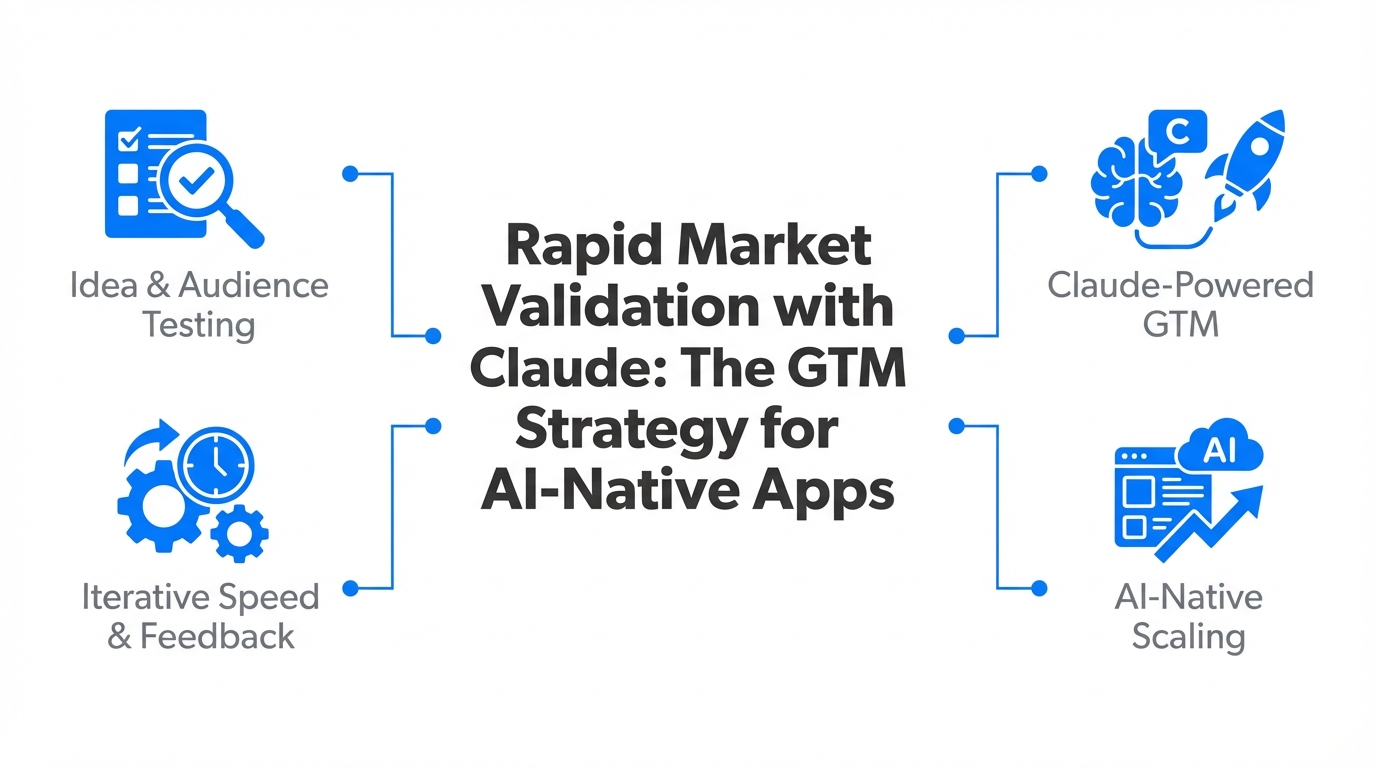
The traditional software development lifecycle is dead. In the previous era of mobile, launching a startup required a six-month roadmap, a dedicated engineering team, and significant capital just to reach a minimum viable product. Today, a new paradigm has emerged: vibe coding. By leveraging Claude AI for business and tools like Cursor, founders are now compressing the journey from idea to user testing into a single afternoon. This isn't just about speed; it is about a fundamental shift in how we validate product-market fit in a world where intelligence is a commodity.
Vibe Coding: The 3-Hour GTM Tool
Vibe coding is the process of using natural language to direct AI models to generate functional code, allowing founders to focus on consumer psychology and product design rather than syntax. As seen with successful founders like Sherry Jen of Peak, you can build a functional prototype in under three hours. Using a stack like v0.dev for UI components and Claude 3.5 Sonnet for logic, you can move from a blank screen to a React Native app faster than you can write a traditional PRD.
This rapid execution is the ultimate go-to-market strategy 2024. Instead of guessing what users want, you "vibe" a prototype, ship it to a small group, and iterate based on real interactions. The goal isn't a perfect codebase; it is a low-fidelity signal that your core hypothesis—the "sauce" of your app—actually resonates with a human being. Whether you are using React Native or Expo, the barrier to entry has vanished.
"The hard part of building a startup is no longer the software. It is the insights you generate from your target community and how you solve their behavioral friction."
The Rule of Six: The Sweet Spot for Growth Insights
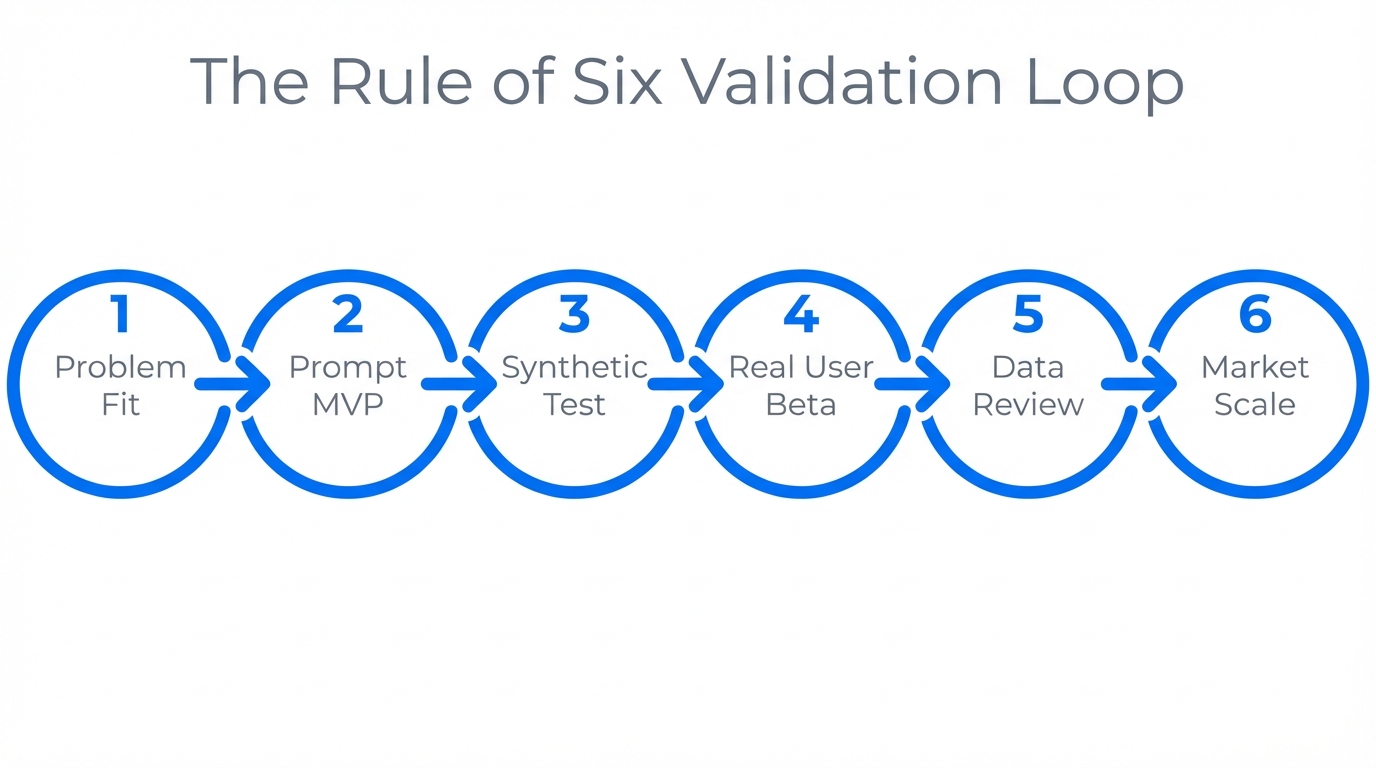
Once your vibe-coded prototype is live, you need data. Many founders fall into the trap of over-testing or waiting for hundreds of users. The Rule of Six suggests that talking to exactly six ideal customers provides the most actionable growth insights without the diminishing returns of larger sample sizes.
By observing six people in your Ideal Customer Profile (ICP) interact with your app, you will identify 80% of the usability issues and behavioral hurdles. For an app like Peak, this meant talking to 20-somethings about their first paychecks. They found that context switching fatigue was the primary reason people abandoned finance apps. Users didn't want a dashboard; they wanted a narrative check-in that felt like an Instagram story.
| User Group | Focus Area | Goal |
|---|---|---|
| 1-2 Users | Initial Friction | Identify where they get stuck in onboarding. |
| 3-4 Users | Value Discovery | See if they actually find the "intelligent" feature useful. |
| 5-6 Users | Emotional Resonance | Determine if the app's "vibe" (calm vs. stressful) works. |
Synthetic vs. Real User Testing
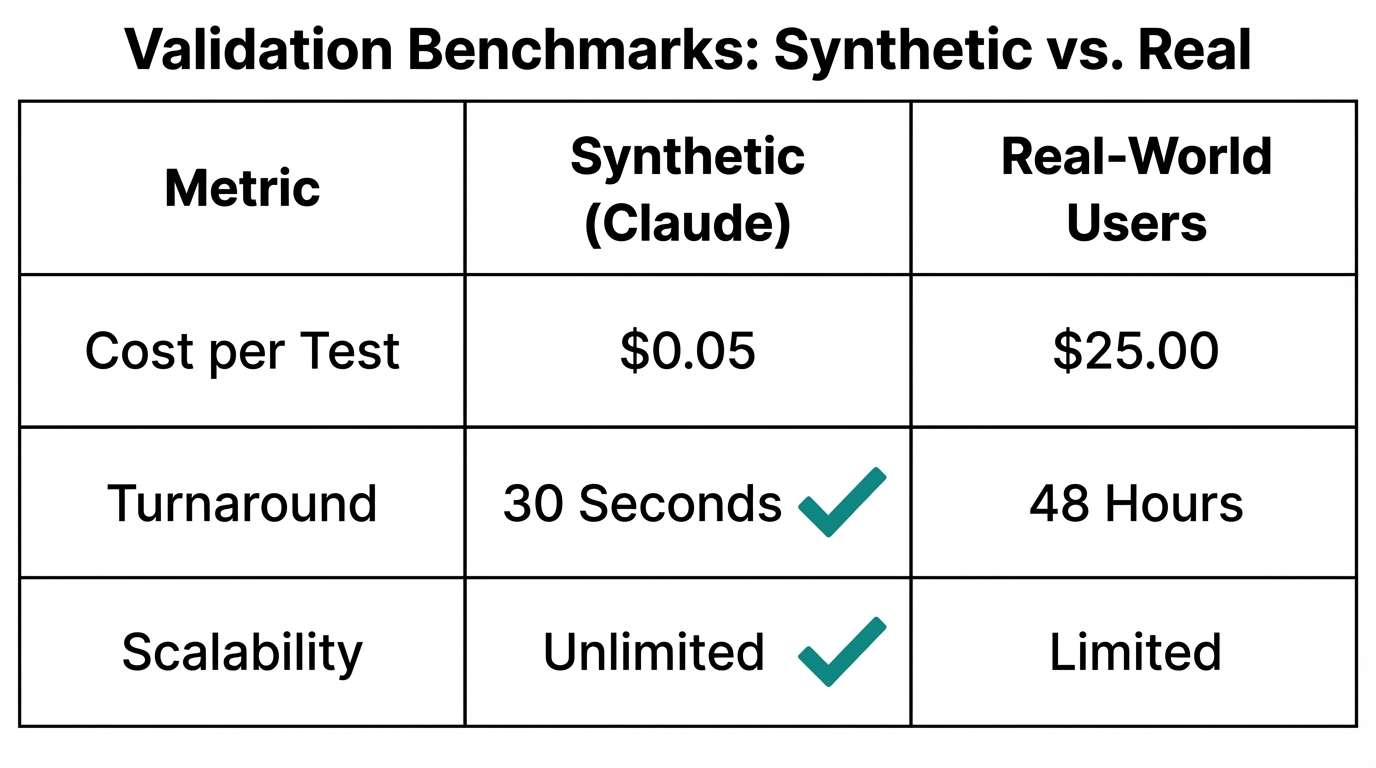
Before you even talk to your six humans, you can use synthetic user testing. By prompting ChatGPT or Claude to act as a specific persona (e.g., "A 24-year-old freelancer with ADHD who is overwhelmed by taxes"), you can simulate pain points and refine your UI. This helps you catch obvious flaws before wasting a human's time.
However, lean startup methodology dictates that synthetic testing is only a precursor. Real human behavior is unpredictable. Humans might love a feature you thought was secondary, or they might find your "calming" UI confusing. The winning formula is: Simulate with AI, validate with humans, and iterate with Vibe Coding.
Identifying 'Peak for X' Opportunities
We are entering an era of unbundled intelligence. There is a massive opportunity for "Peak for X"—taking the principles of AI-driven, narrative, and calming UI and applying them to various niches. Think Peak for Tennis, Peak for Nutrition, or Peak for Real Estate. These apps succeed by reducing executive function load. They don't just show data; they tell the user exactly what to do next.
To find these niches, you need to identify where people are currently using "soulless" or "Frankenstein" dashboards. Platforms like Stormy AI can help you source and manage UGC creators in these specific niches to see what their audiences are complaining about. By searching for creators in the fitness or productivity space, you can identify the exact friction points that a new AI-native app could solve.
"AI apps shouldn't feel like software; they should feel like a smarter best friend who has spent 12 months mastering a topic for you."
Building in Public: The Marketing Engine
A modern go-to-market strategy 2024 requires building in public on platforms like X (formerly Twitter). This creates a feedback loop that compounds over time. Sherry Jen's journey showed that vulnerability—mentioning ADHD or the struggle of managing money—humanizes the brand and attracts an early adopter community.
- Tweet-Jacking: Monitor high-traffic threads in your niche. If someone complains about a missing feature in a competitor app, reply with a screen recording of your vibe-coded solution.
- Thematic Challenges: Set public goals, like "3x retention in 30 days." This creates a narrative that followers want to see the end of.
- AI Meme Generation: Use DALL-E 3 as a "meme co-founder." Prompt it for pop-culture references related to your app's pain points to generate high-engagement content for TikTok and X.
Transitioning from Vibe to Top-100 Contender
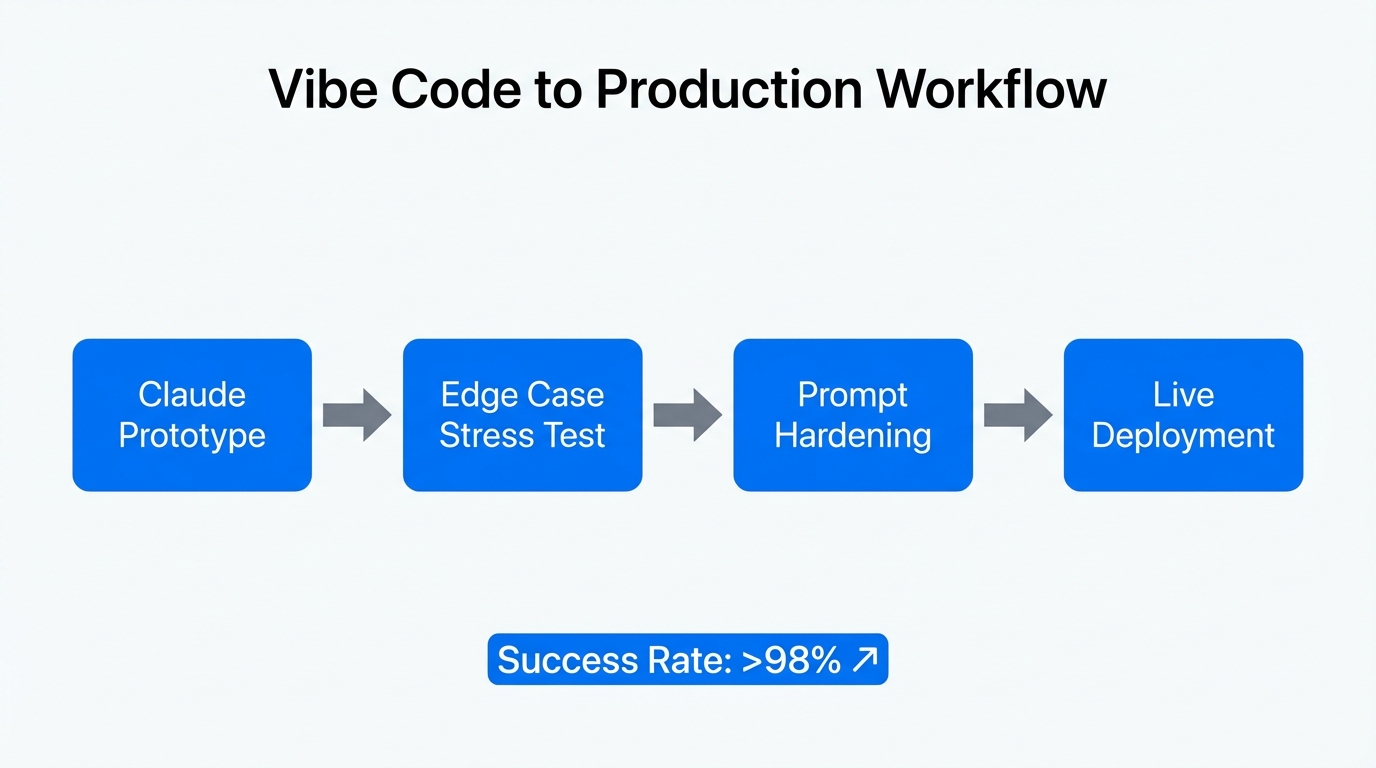
Once validation is clear, the transition to a production-grade app involves moving beyond simple prompts. This stage requires a robust tech stack—integrating a vector database for long-term user memory and orchestrating multiple LLMs. For instance, using Claude 3.5 for complex reasoning and Google Gemini for high-speed tool calling.
As you scale, tools like Stormy AI become essential for the discovery and vetting of influencers who can drive the app to the Top 100. By automating the outreach and management of these creators, you can maintain the "build in public" momentum at a global scale while you focus on refining the AI's intelligence.
The Golden Age of AI-Native Apps
The AI app business model is no longer about who has the most engineers; it's about who has the best insights and the fastest iteration cycle. By using Claude for rapid prototyping, the Rule of Six for validation, and a build-in-public growth strategy, solopreneurs can now compete with established giants. The barrier is no longer technical—it's creative. Go out there, find your niche, and start vibe coding your way to market validation.