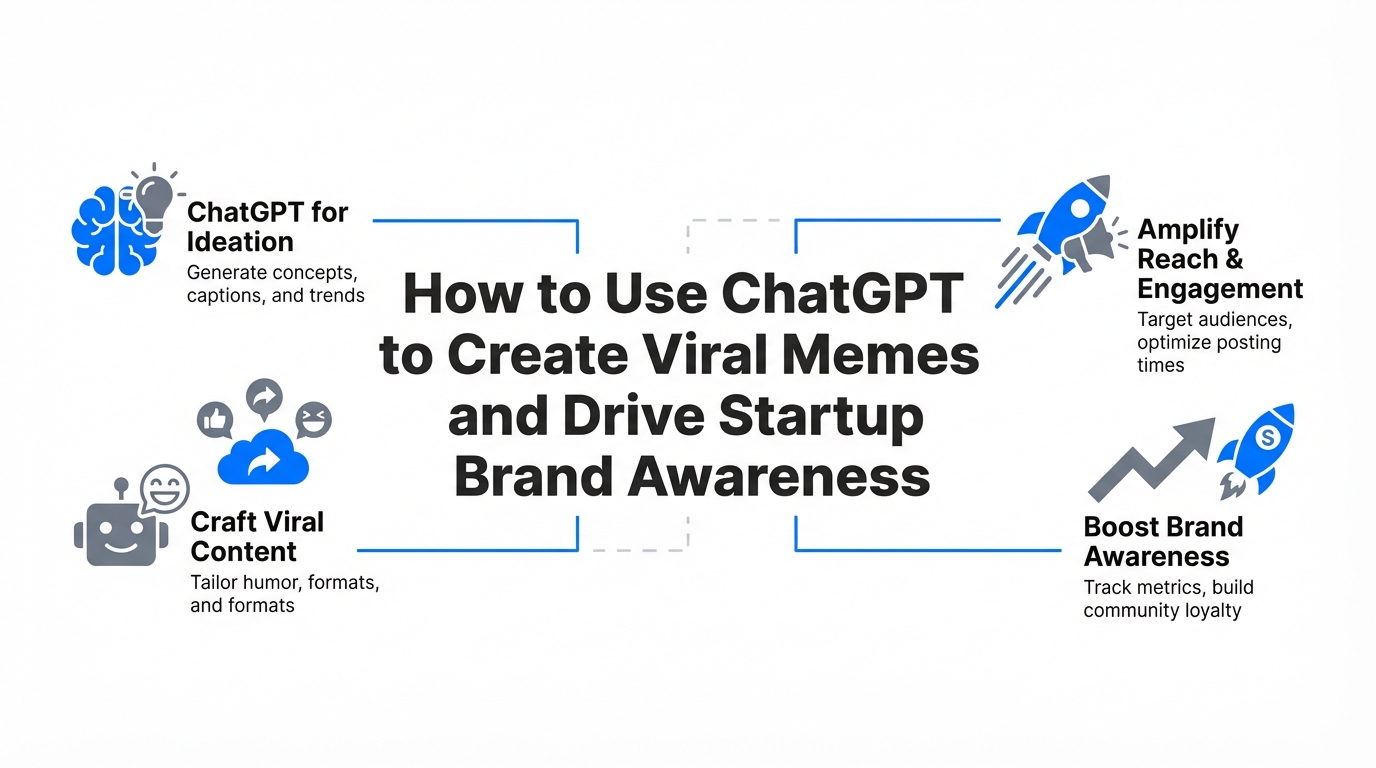
The traditional marketing playbook is officially broken. In an era where consumer attention is the most valuable currency, polished corporate ads are being tuned out by users faster than ever. Today’s most successful startups aren’t spending millions on agency-produced commercials; they are winning by being relatable, funny, and fast. The shift toward viral meme marketing has transformed how brands communicate, moving from a broadcast model to a conversational one. If you want your startup to stand out, you need to stop acting like a corporation and start acting like a creator.
Leveraging AI for content creation has lowered the barrier to entry for high-impact social media growth. Founders like Sherry Jen, creator of the Peak finance app, are proving that you don't need a massive marketing team to reach millions. By using ChatGPT for marketing as a "Meme Co-founder," startups can now identify cultural trends in real-time and package their product’s value proposition into content that the algorithms love to amplify.
The Meme Co-founder Workflow: Brainstorming with AI
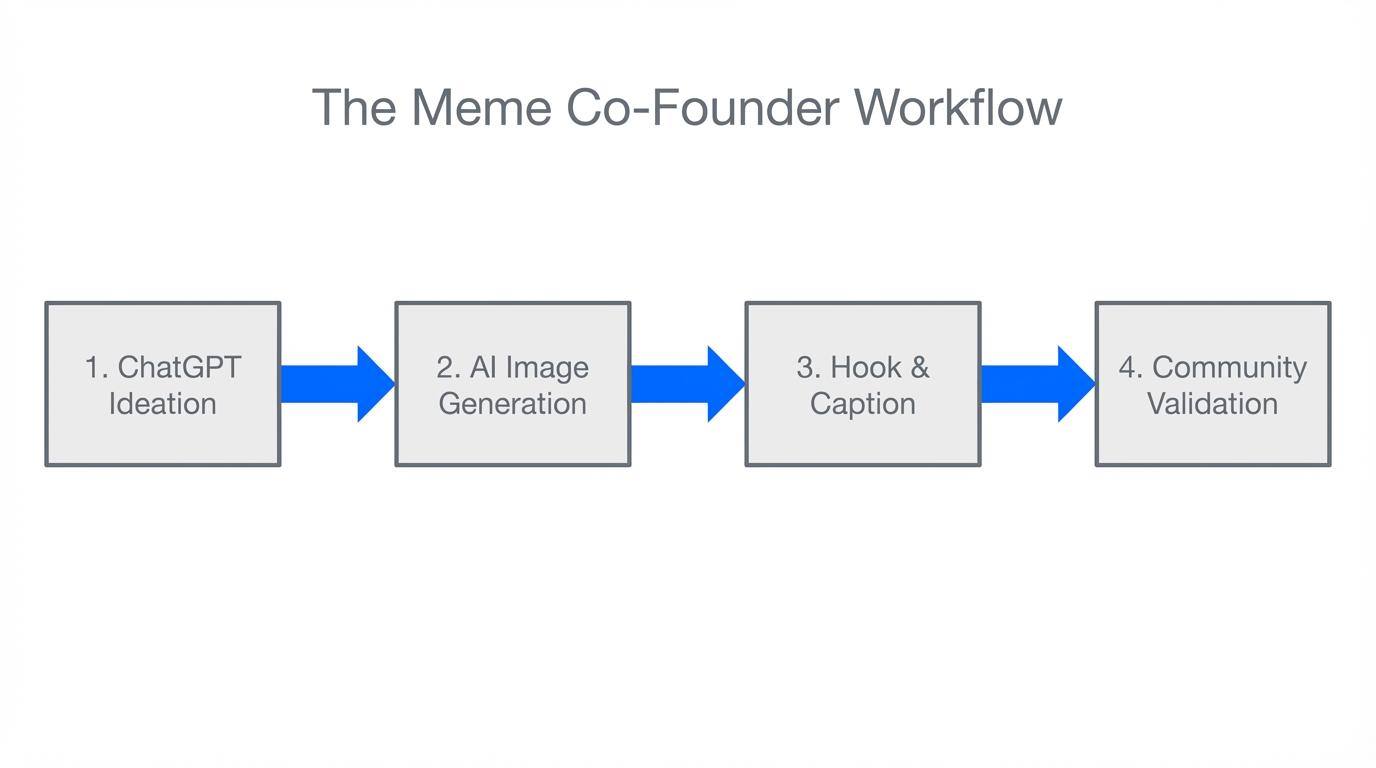
The hardest part of social media growth tactics is often the blank page. How do you find a joke that is actually funny and relevant to your product? This is where ChatGPT comes in as your creative partner. Instead of asking it for "marketing ideas," you should treat it as a brainstorming assistant that understands consumer psychology.
Step 1: Define Your Audience's Pain Points
Before you can make someone laugh, you have to show them you understand their struggle. For a finance app, the pain points are often "subscription creep" or the anxiety of looking at a bank statement. You can prompt an LLM to analyze these feelings by using synthetic user testing. Ask ChatGPT: "What are the top five emotional triggers or anxieties 20-somethings feel when they realize they've been paying for a gym membership they haven't used in six months?"
Step 2: Generate Humor Angles
Once you have the pain points, ask for humor frameworks. Don't just ask for a meme; ask for a specific trope. For example: "Give me three 'POV' meme ideas about the feeling of being roasted by an AI for spending too much on takeout." By providing a specific format, you get higher-quality output that feels native to platforms like X or TikTok.
Step 3: Filter for Taste
AI will give you ten ideas, but nine will likely be "cringe." Your job as a founder is to have taste. Look for the idea that feels the most human and the least corporate. As Sherry Jen noted, the goal is to write like you're texting a friend, not like you're writing a press release.
"The key is using LLMs to take away the planning and thinking friction, so you can focus on the execution and the 'vibe' of your brand."Trend-jacking 101: Mapping Pop Culture to Your Product
Trend-jacking is the art of inserting your brand into a conversation that is already happening. When a new Marvel movie like Thunderbolts or a viral TV show drops, there is a massive wave of search intent and social media chatter. If you can map your product’s value to that cultural moment, you can ride the wave for free brand awareness strategies.
Take the example of the "Void" scene in the latest Marvel trailers. A startup founder could use ChatGPT to brainstorm how that specific visual—a dark, lightning-lit abyss—represents a common problem their product solves. For Peak, the "Void" became the place where "$13.99 free trials go to die." It’s a specific, visual, and timely reference that resonates with anyone who has ever forgotten to cancel a subscription.
| Strategy Type | Traditional Ads | AI Trend-Jacking |
|---|---|---|
| Production Time | Weeks/Months | Hours/Days |
| Cost | High $$$ | Near Zero |
| Algorithm Reach | Paid/Inorganic | Viral/Organic |
| Tone | Professional/Safe | Relatable/Daring |
Iteration Prompts: Refining AI Images for Brand Standards
Generating a meme image is rarely a one-click process. To achieve professional brand standards, you must learn to iterate. Many beginners give up after the first AI-generated image looks a bit "off." The secret to high-performing viral meme marketing is in the refinement.
The Iteration Playbook:
- Start Broad: Prompt for the general scene (e.g., "A dark abyss with lightning, cinematic style").
- Add Your Brand: Upload your logo or mascot and ask the AI to integrate it (e.g., "Place this logo onto the face of the character in the scene").
- Correct the Text: AI often struggles with spelling in images. If the text is messy, use a tool like Canva or Figma to overlay your own high-fidelity text.
- Specific Style Nudges: If the image looks too much like a stock photo, prompt for a "cartoon style," "low-fi aesthetic," or "3D render" to match your app's UI.
While managing these manual creations is effective for early growth, scaling your creator efforts requires a more robust system. As your brand grows, you'll need to work with influencers who can carry your meme style to their own audiences. Tools like Stormy AI can help you source and manage UGC creators who specialize in this kind of high-relevancy, AI-assisted content, ensuring your outreach is as personalized as the memes you're creating.
The 'Unfiltered' Aesthetic: Why Low-Fi Wins
There is a growing paradox in social media growth tactics: the more money you look like you spent on a post, the less likely people are to engage with it. Users have developed an "ad blindness" to high-production video and perfectly staged photos. They want the "vibe."
The unfiltered aesthetic involves using lowercase text, intentional "scrappiness," and conversational language. Sherry Jen’s success on X came from posts that looked like text messages. When her app's server started "melting" due to viral traffic, she didn't post a formal apology; she posted a screenshot of her surprise. This vulnerability builds trust. In a world of AI for content creation, the most human-sounding brand wins. Use tools like CapCut for quick, rough-cut video edits rather than high-end studio software.
"People don't want black-and-white, soulless brands anymore. They want fun, they want calm, and they want intelligence."Measuring the 'Meme-to-Download' Pipeline
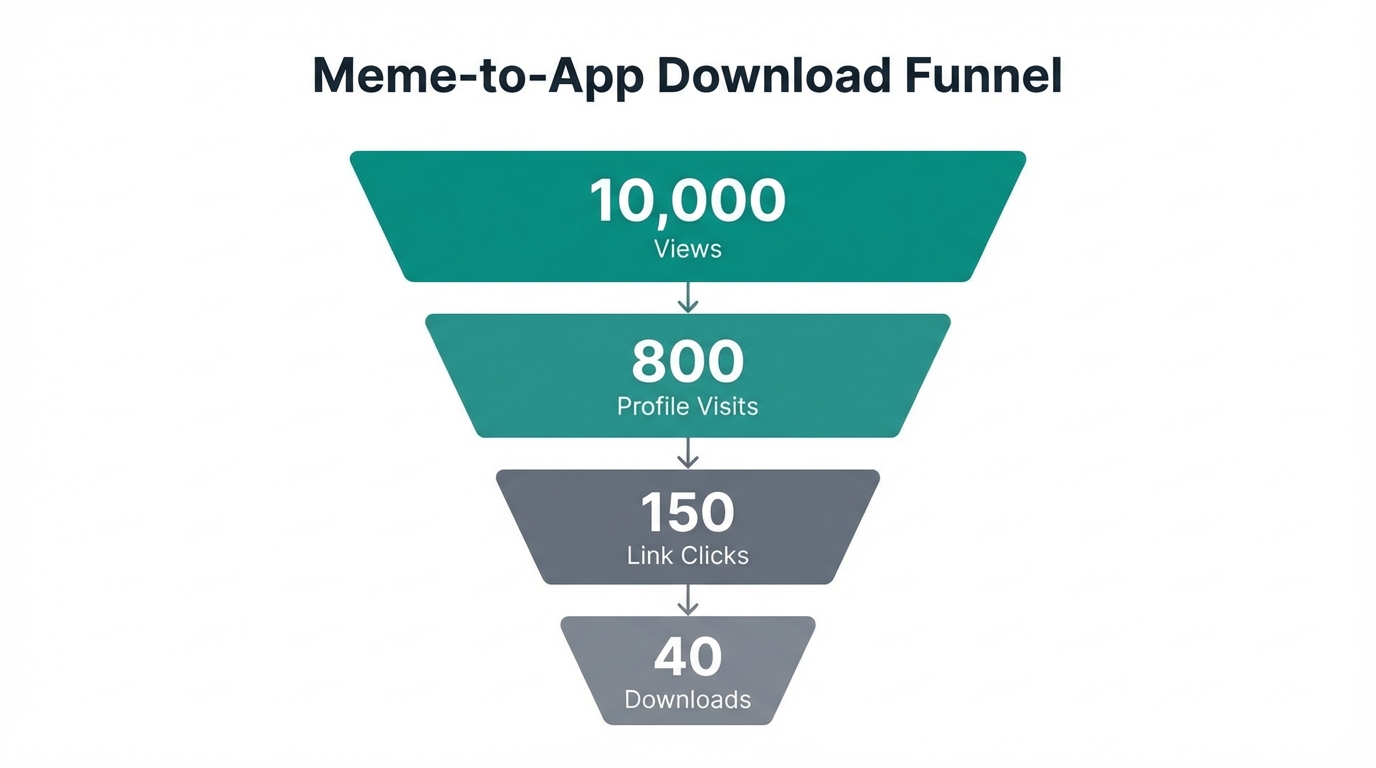
Viral impressions are a vanity metric unless they lead to actual user acquisition. For a startup, the goal of brand awareness strategies is to move people from "I saw a funny post" to "I just downloaded the app." This is the "Meme-to-Download" pipeline.
To track this effectively, you should use attribution tools like AppsFlyer or Adjust. However, organic virality is notoriously hard to track 1:1. Instead, look for correlation: did a spike in X impressions lead to a surge in App Store searches? Unlike legacy platforms like Tagger or Julius that focus on rigid database lookups, Stormy AI uses real-time AI to help startups track creator performance and campaign resonance. For the Peak app, a single successful reply to a viral tweet from a high-profile user led to thousands of downloads in 24 hours. This wasn't luck; it was the result of being ready with a compelling, human-centric reply at the exact moment a conversation peaked.
The Rule of Six: Testing Your Insights
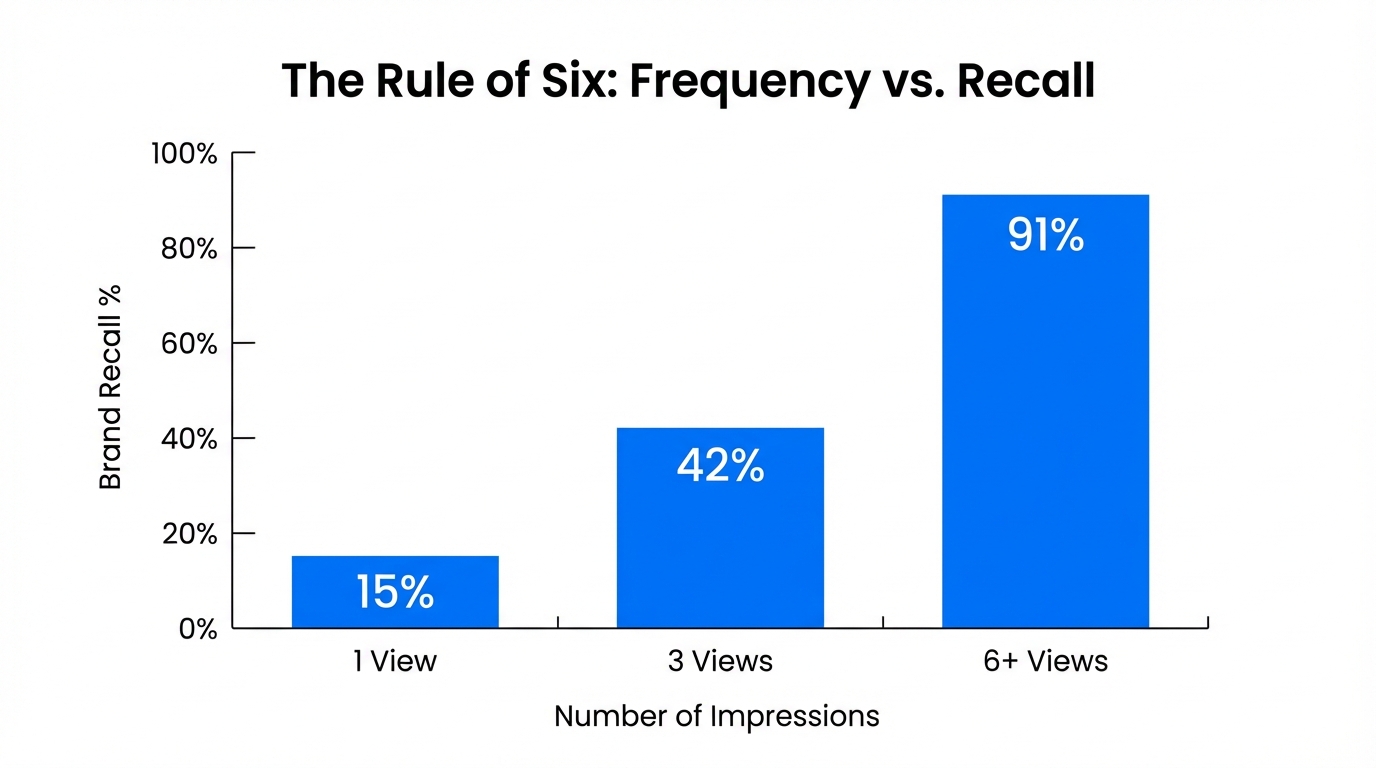
Before you push a meme or a new feature live to millions, use the "Rule of Six." Talk to six people in your ideal customer profile. This sample size is small enough to move fast but large enough to catch major flaws. Ask them: "Does this joke make sense? Is it offensive? Does it make you want to try the product?"
You can even perform synthetic user testing by feeding your meme idea back into ChatGPT and asking it to act as a cynical Gen-Z user. If the AI identifies the meme as "trying too hard," it's time to iterate. Combining real human feedback with AI-simulated personas ensures your content hits the mark every time.
Conclusion: The Golden Age of AI Content
We are living in a golden age of building. With vibe coding, startups can build prototypes in hours, and with ChatGPT for marketing, they can find their first thousand users through viral humor and cultural relevance. The barrier to building a million-dollar business has never been lower, but the requirement for creativity and authenticity has never been higher.
Start by treating AI as your "Meme Co-founder." Use it to brainstorm, use it to iterate on your visuals, and use it to analyze the trends that your audience cares about. By staying unfiltered, being fast, and mapping your product to the cultural zeitgeist, you can turn a single viral moment into a sustainable growth engine. Remember: the goal isn't just to be seen—it's to be remembered.