The landscape of generative AI changes not by the year, but by the hour. Just as power users were settling into their workflows with Nano Banano Pro (the industry's current gold standard for precision, often topping the Artificial Analysis leaderboards), OpenAI dropped a massive update: ChatGPT Image 1.5. This isn't just a minor iteration; it is a fundamental shift in how OpenAI approaches the creative process. By integrating a sophisticated style carousel and an automated prompt optimization engine, they are moving away from the 'guessing game' of prompting and toward a more reliable, professional design tool. In this deep-dive comparison, we are going to see if this new model can actually beat the output of Nano Banano Pro, particularly in high-stakes areas like text rendering, instruction following, and real-time creative edits.
Prompt Optimization: The Death of Prompt Engineering?
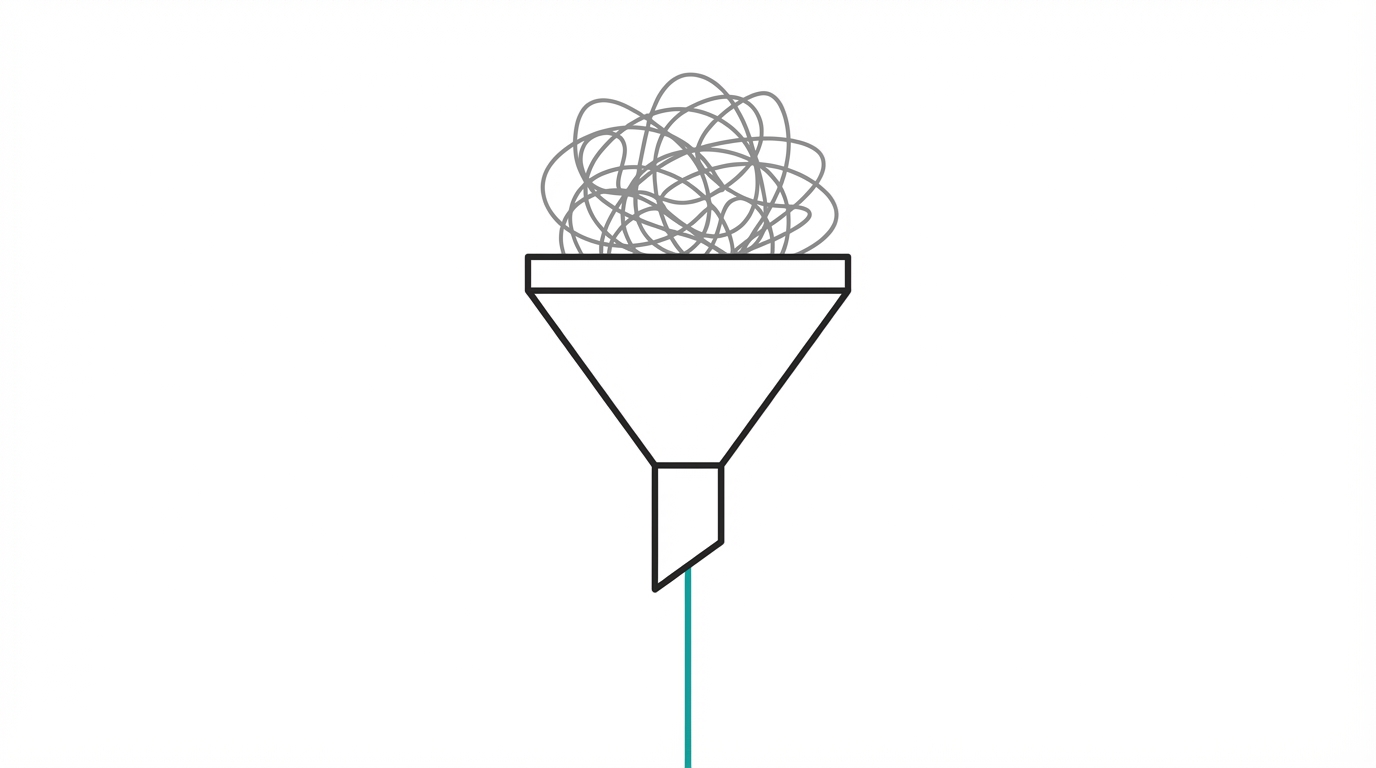
One of the most immediate changes in ChatGPT Image 1.5 is the internal 'optimization' layer. In previous versions, what you typed was essentially what the model tried to draw. Now, OpenAI has implemented a system that takes your simple request and expands it into a high-fidelity technical prompt behind the scenes. This mimics the successful strategy of specialized tools like Glyph App, which uses LLMs to 'translate' human language into the specific technical jargon that image models crave.
When testing this against Nano Banano Pro, the difference is stark. While Nano Banano Pro requires the user to be highly specific about lighting, lens choice, and composition, ChatGPT Image 1.5 does the heavy lifting for you. For instance, asking for a 'plush toy' result in ChatGPT now triggers a background prompt that specifies ultra-detailed textures, specific lighting waves, and material consistency. This level of automation means that the barrier to entry for creating professional-grade CPG (Consumer Packaged Goods) mockups has effectively vanished, similar to the simplified design workflows found on Canva’s Magic Studio.
Text Rendering Accuracy: Can It Finally Spell?

For years, the 'AI signature' was a misspelled word. Whether it was a random 't' in the middle of a sentence or complete gibberish on a storefront, text has been the Achilles' heel of diffusion models. In our testing of the ChatGPT Image 1.5 review cycle, we focused heavily on this bottleneck. OpenAI's new model shows a significant leap in text rendering accuracy, particularly for complex layouts like movie posters or instructional diagrams, as noted in recent TechCrunch reports.
In the 'Codex' movie poster test, the model successfully rendered the title without artifacts while maintaining the 'Golden Age Hollywood' aesthetic. This is a massive win for marketers who need to create ready-to-use assets for Google Ads or Instagram. While Nano Banano Pro still offers more granular control over font weight and specific kerning, ChatGPT 1.5 is now reliably accurate about 95% of the time, compared to the 60-70% accuracy we saw in previous iterations.
The Style Carousel: 3D Glam to Sugar Cookie
The new interface for ChatGPT Image 1.5 introduces a 'Style Carousel' that allows users to instantly pivot the aesthetic of an image without rewriting the prompt. This feature includes several key modes:
- 3D Glam Doll: A high-gloss, stylized aesthetic perfect for modern social media content.
- Ornament: Highly detailed, intricate designs optimized for the holiday season and decorative arts.
- Sugar Cookie: A playful, textured style that mimics food photography and whimsical CPG branding.
- Pencil Sketch: A naturalistic, hand-drawn look that avoids the typical 'too perfect' AI sheen.
The 'Plushie' style is particularly impressive for its material science simulation. When generating a plush version of a human subject, the model preserves identifying features—like the specific wave of a person's hair—while translating them into fabric textures. This capability is vital for creators looking to bridge the gap between digital content and physical products, perhaps eventually leading to manufacturing via platforms like Shopify or Printful.
Instruction Following and Complex Layouts
One of the most rigorous tests for any AI image model is the 6x6 grid test. Asking a model to draw 36 distinct elements in a precise 6-row by 6-column grid usually results in a chaotic mess. However, ChatGPT Image 1.5 has been specifically tuned for instruction following. It can now handle complex spatial relationships and transposition commands (e.g., 'move the object from the top left to the bottom right') with much higher fidelity than its predecessors, rivaling the spatial precision of Black Forest Labs' Flux models.
This precision makes it an excellent tool for technical diagrams. Many creators on X (formerly Twitter) have found that hand-drawn, casual diagrams often outperform polished graphics in terms of engagement. The ability of ChatGPT 1.5 to take a digital diagram and 're-imagine' it as a casual, hand-drawn pencil sketch on notebook paper—while preserving the actual data and labels—is a game-changer for educational content shared on platforms like LinkedIn.
The "Feedback Loop" Test: Real-Time Natural Language Edits
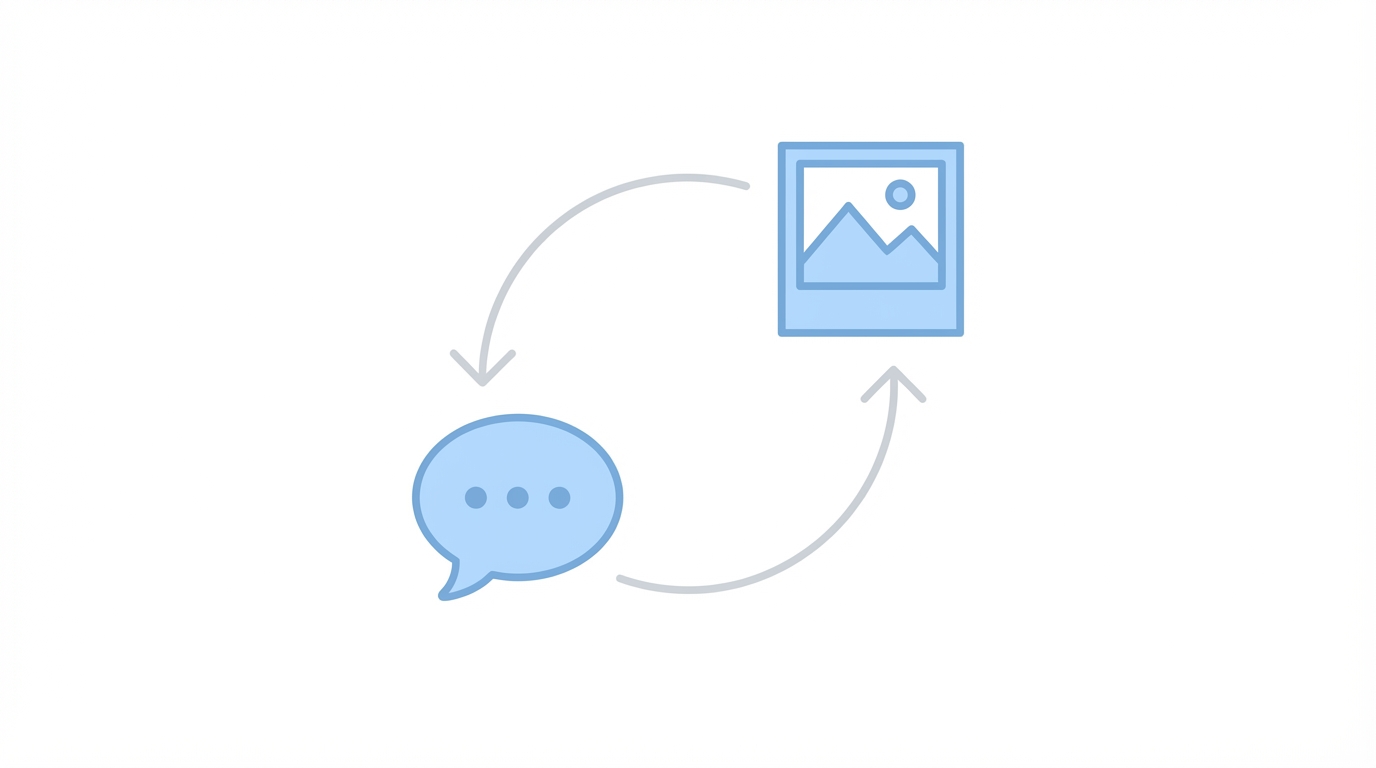
The real test of a professional tool is how it handles criticism. Many AI models are 'one-hit wonders'—they give you a great first image, but if you ask for a small change, they hallucinate and change everything. In our comparison of ChatGPT vs Nano Banano Pro, the feedback loop was the primary battleground. Nano Banano Pro has historically been the leader here, allowing for nuanced adjustments without losing the essence of the original seed.
However, ChatGPT 1.5 introduces a much more robust editing framework, which OpenAI documentation describes as an iterative conversational tool. You can now give conversational feedback like 'remove the pencil in the top left' or 'make the subject wear a tech YouTuber outfit instead of a baseball uniform.' The model successfully subtracts or transposes elements while maintaining the core subject's identity. This iterative capability is what makes it a viable choice for high-end UGC (User-Generated Content) campaigns where brand consistency is non-negotiable.
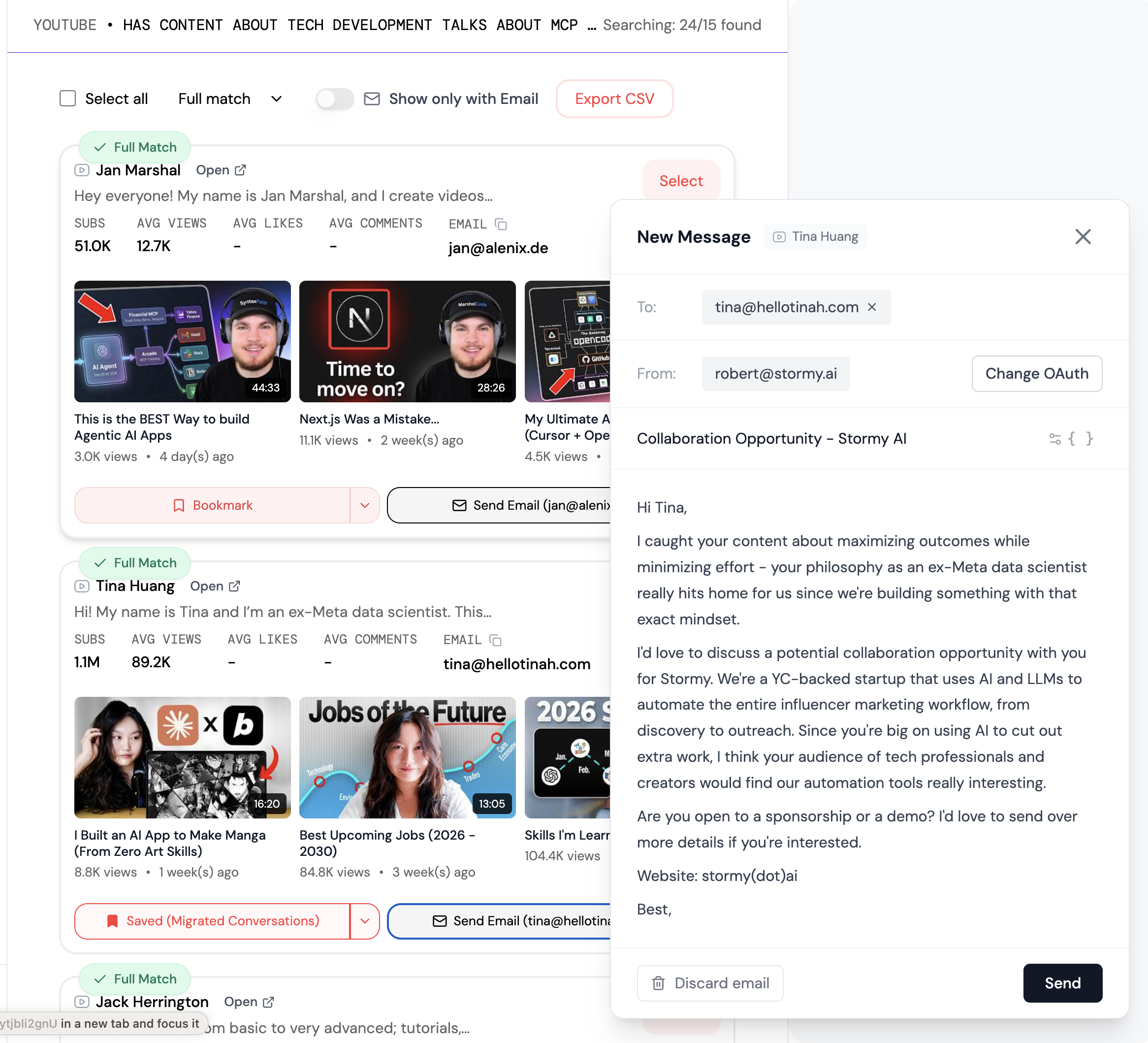
For brands looking to scale these types of creative workflows, platforms like Stormy AI streamline creator sourcing and outreach by finding influencers who are already proficient in these advanced AI tools. By utilizing an AI-powered CRM and discovery engine, marketers can find influencers who are already proficient in the latest OpenAI image model 1.5 features, ensuring that the final ad creative is both modern and effective.
Playbook: How to Master ChatGPT Image 1.5
To get the most out of this new model and ensure you are beating the quality of Nano Banano Pro, follow this step-by-step playbook:
Step 1: Start with the Style Carousel
Don't try to describe the style in your initial prompt. Instead, upload your reference image or type your basic concept, and then select a style from the carousel. This allows the internal prompt optimizer to use the correct 'tokens' for that specific aesthetic, resulting in much cleaner outputs.
Step 2: Use the 'Reaching' Phase for Data
If you are creating a diagram or a technical piece, ask ChatGPT to 'research ideas' before generating. This ensures that the labels and logic in your image are grounded in real-world facts, which the model then incorporates into the visual layout.
Step 3: Refine via Negative Prompting
In the feedback loop, be very specific about what you don't want. Say things like 'Remove the AI-style shadows' or 'Make it less perfect and more hand-drawn.' This pushes the model away from its default 'over-processed' look and toward something more authentic, a technique often discussed in AI community forums.
Step 4: Scale with Human Creators
Once you have a style you like, use it as a 'Creative Brief' for actual influencers. Platforms like Stormy AI allow you to discover creators in specific niches—like tech or fashion—who can take your AI-generated concepts and turn them into viral video content. You can even use the Stormy AI automated outreach agent to contact hundreds of these creators with personalized emails, showing them the exact AI-generated aesthetic you want them to emulate.
Final Verdict: Is It the Best AI Image Model of 2024?
After rigorous testing, is ChatGPT Image 1.5 better than Nano Banano Pro? The answer depends on your technical skill. For the 'power-pro' who wants to tweak every individual pixel and seed number, Nano Banano Pro (often associated with the latest Google Gemini visual updates) still offers a slight edge in raw control. However, for 99% of marketers, startup founders, and content creators, ChatGPT Image 1.5 is the clear winner.
The combination of automated prompt optimization, superior text rendering, and a conversational feedback loop makes it the most 'human' design tool we've ever tested. It no longer feels like you're fighting a machine; it feels like you're collaborating with a junior designer who actually listens. Whether you are building a new CPG brand, creating viral diagrams for X, or prototyping ads for a mobile app via Stark, this model provides the shortest path from idea to high-quality execution. The best AI image model of 2024 isn't necessarily the one with the most parameters—it's the one that follows instructions the best. And right now, that crown belongs to OpenAI.