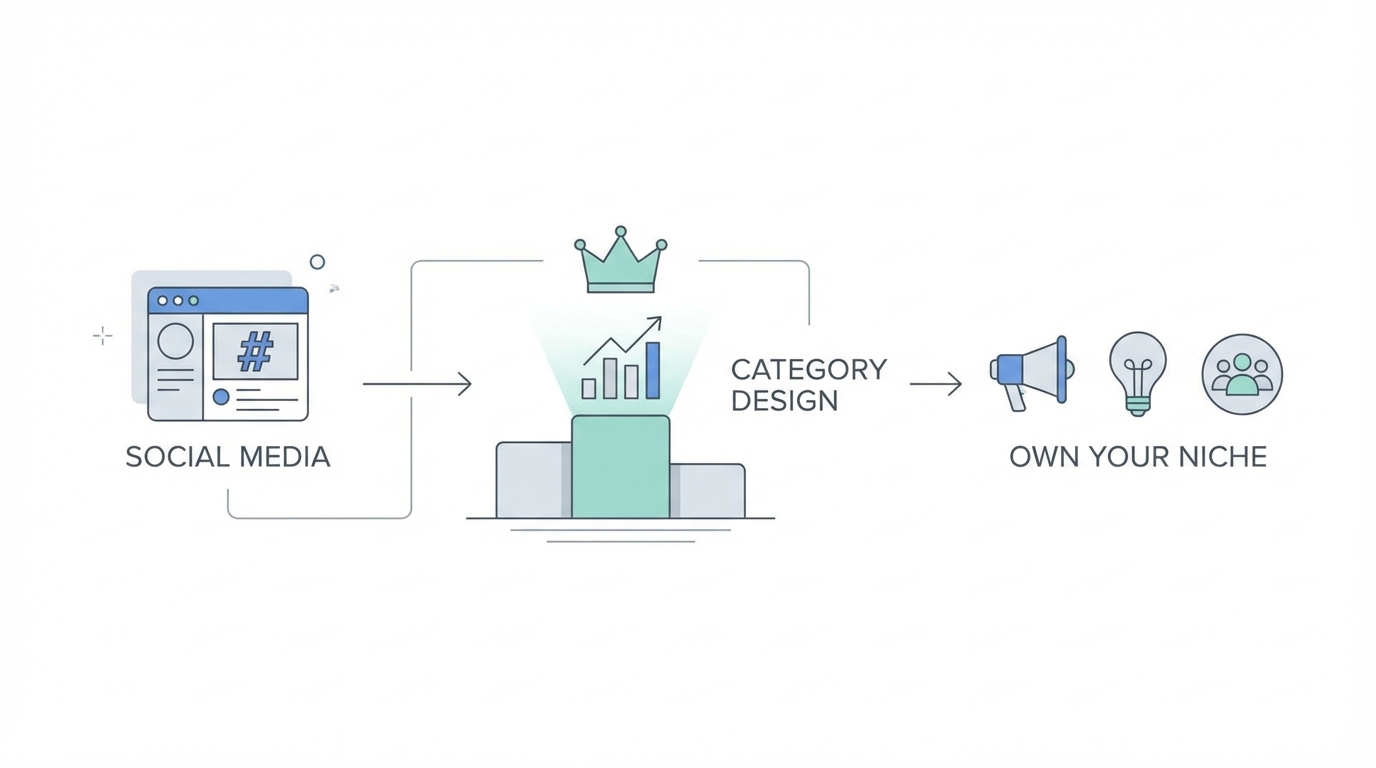
In the crowded landscape of modern commerce, most brands suffer from a 'identity crisis.' They attempt to be everything to everyone—an all-in-one solution that solves a dozen problems for a dozen different demographics. However, as Sean, the co-founder and CEO of Olia (now Rebuy), discovered, being a generalist is often a one-way ticket to stagnation. By embracing category design and shifting from a vague 'loyalty and education' tool to a hyper-specific 'pop-up' tool, Olia exploded from zero to $4 million in Annual Recurring Revenue (ARR) in just one year. This transition highlights a fundamental truth of the digital age: the market doesn't reward the best generalist; it rewards the undisputed king of a specific niche.
The Curse of the Generalist: Why 'Everything' Means 'Nothing'
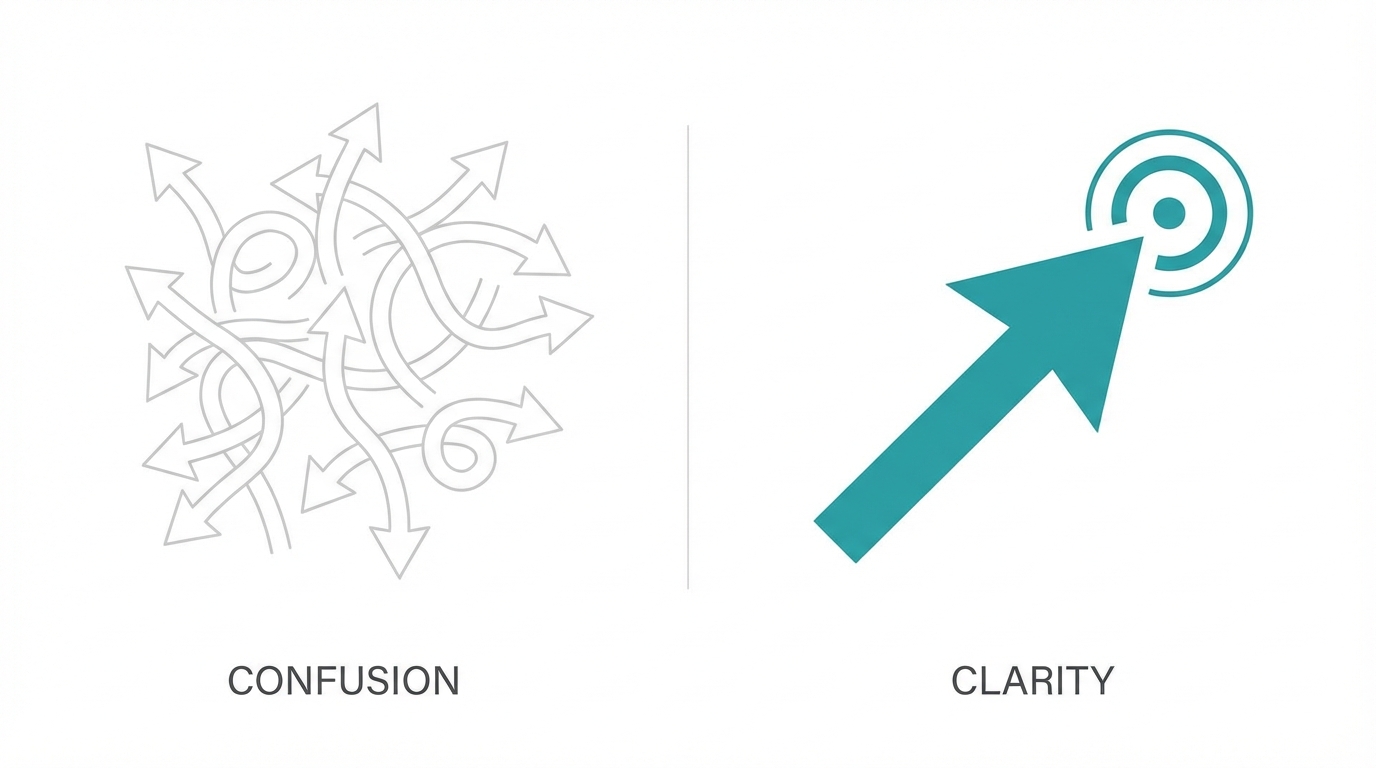
When Olia first launched, it was marketed as a loyalty program and education tool for e-commerce brands. While the software was functional, the niche marketing strategy was non-existent. Sean recalls having only two customers—a co-founder's cousin and a classmate. The problem wasn't the code; it was the positioning. Potential clients would look at the product and ask, "Where does this fit in my tech stack?" and "What do I replace with this?"
Generalist products create cognitive friction. When a brand tries to occupy too many mental spaces, it ends up occupying none. On platforms like LinkedIn and X (formerly Twitter), where attention spans are measured in milliseconds, you cannot afford a complex explanation. If you cannot define your value proposition in five words or less, you've already lost the prospect. Category design is the art of creating a new bucket in the customer's mind, ensuring that when they think of a specific problem, your brand is the only logical answer.
The 'A = B' Formula: Building Unbreakable Brand Association

The breakthrough for Olia came after the team read Obviously Awesome by April Dunford. They realized that their best customers weren't using them for loyalty or education; they were using them for pop-ups. By leaning into this 'hard truth,' they adopted what we call the A = B Formula: Problem A = Brand B.
To implement this, you must strip away the secondary features and focus on the 'golden ticket.' For Olia, this meant updating their website to scream one thing: "The next generation of pop-ups." They didn't just change the headline; they changed the brand association across every touchpoint. Every feature was renamed to include the word 'pop-up.' This eliminated confusion and allowed them to win over major brands like Nike Strength and Toms Shoes. When a brand is the 'best at one thing,' it becomes a 'must-have' rather than a 'nice-to-have.'
Leveraging Founder-Led Content for Niche Authority
Once you’ve defined your category, social media authority is built through consistent, founder-led content. Sean’s strategy involved pinning a very specific post to his profile that stated his ARR and his singular focus: "At 3.5 million ARR, pop-ups are all we do." This serves as a permanent digital billboard. Every time a founder engages with their community, they are reinforcing that A = B link.
Founder-led content is particularly effective because it puts a face to the category. Instead of a faceless corporation, customers see a dedicated expert who 'cares about pop-ups' more than anyone else in the world. This builds trust and creates inbound demand. According to Forbes, the rise of the "founder influencer" is a critical shift in how B2B trust is established. When you consistently post about the nuances of your niche—the failures, the wins, and the data—you stop being a salesperson and start being a category leader. This is the cornerstone of niche marketing strategy: you aren't fighting for a piece of an existing pie; you are baking a brand-new pie where you own all the slices.
Responding to Social Queries and Community Channels
Category ownership isn't just about what you post; it's about how you show up in the conversation. There are thousands of niche communities on platforms like Slack, Discord, and Reddit where potential customers are asking for recommendations. When someone asks, "What is the best tool for [Problem A]?", your goal is to have a chorus of voices respond with "[Brand B]."
Because Olia established such a strong brand association, their community began doing the marketing for them. When you own a category, you become the 'default' recommendation. This reinforces your social media authority without you having to spend a dime on traditional advertising. However, this requires speed and urgency. As a smaller founder, your primary advantage over legacy incumbents is your ability to move fast, respond to queries instantly, and adapt your internal language to match the market's evolving needs.
Scaling Category Ownership Through UGC and Influencer Discovery
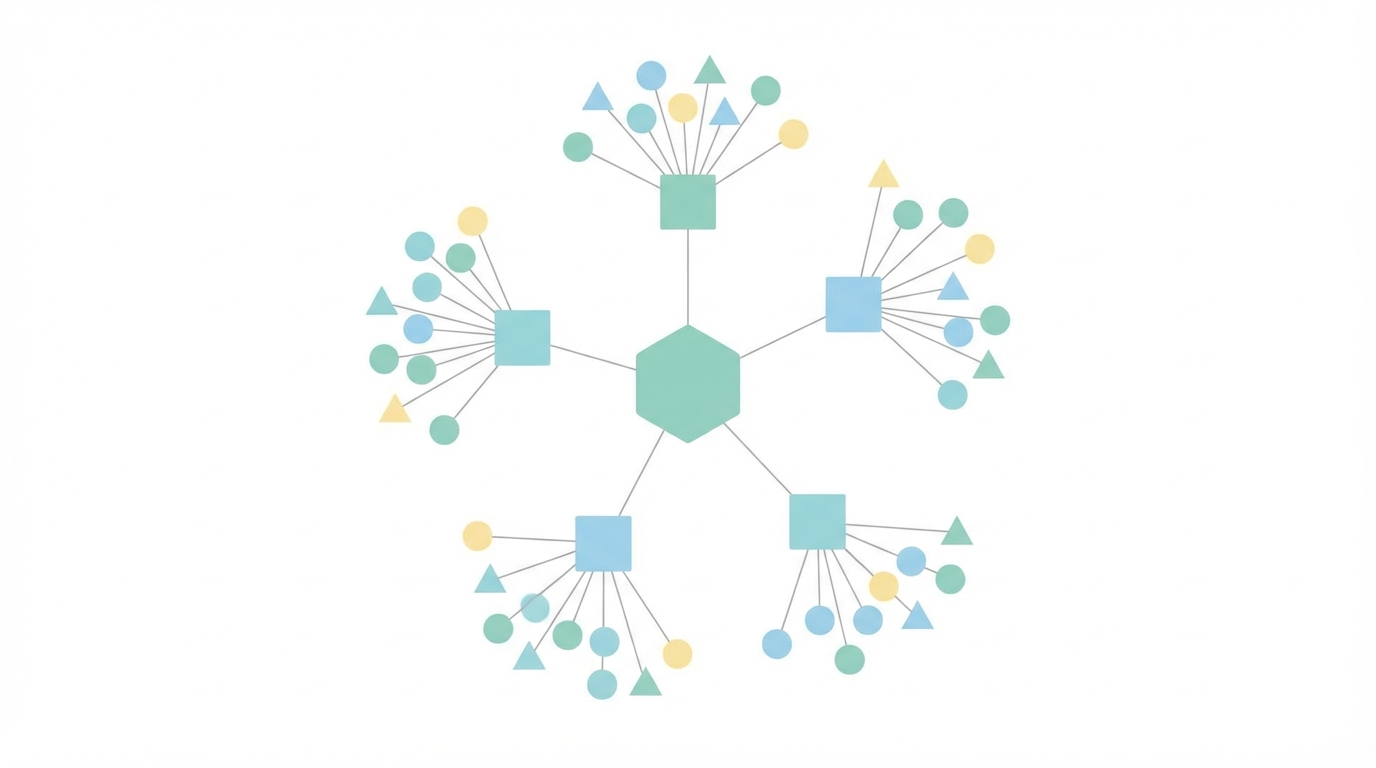

While founder-led content is the spark, User-Generated Content (UGC) and influencer partnerships are the fuel. To truly dominate a niche, you need a diverse array of voices validating your category leadership. This is where influencer marketing analytics become vital. You need to find creators who already have the ear of your target audience—the Shopify experts, the e-commerce growth hackers, or the retail tech reviewers.
Managing these relationships at scale can be daunting. While legacy tools like impact.com or Tagger offer database features, they often feel like old-school, clunky directories. Modern AI-native platforms like Stormy AI can help source and manage UGC creators at scale by using AI-powered search to find influencers who perfectly match your specific niche. Whether you are looking for micro-influencers in the fitness space or tech reviewers on TikTok, using an AI agent to handle the discovery and outreach ensures your brand remains at the center of the niche conversation without burning out your internal team.
The Playbook: How to Reposition Your Brand for Niche Dominance
If you find yourself stuck with a handful of customers and no clear brand association, follow this step-by-step playbook to reclaim your category.
Step 1: Audit Your Customer Perception
Stop looking at what you think you built and look at what your customers are actually using. Ask your best clients: "What is the one specific feature you can't live without?" If they say they use you for one specific task, that is your new category. Don't fight the market; follow the money.
Step 2: Execute the Four Pillars of Repositioning
Repositioning isn't just a marketing gimmick; it's an internal and external overhaul. You must update:
- Website Copy: Your H1 header should explicitly state your category.
- Social Content: Pin your 'A = B' manifesto to your profiles.
- Sales Script: Start every call with, "We do [X] and we care about [X] more than anyone else."
- Internal Language: Ensure your CS and product teams use the same niche-focused terminology.
Step 3: Test on Sales Calls
Before flipping the switch on your entire brand, test the new positioning on live calls. Sean noted that once they started calling themselves a 'pop-up tool,' sales calls became shorter, more succinct, and closed at a significantly higher rate. If your close rate improves, you've found product-market fit.
Measuring Success: Analytics and Brand Sentiment


How do you know if your category design is working? It’s not just about ARR—though that is the ultimate KPI. You must also track influencer marketing analytics and social sentiment. Are people mentioning your brand in the same breath as the problem you solve? Are your social media engagement rates increasing as your content becomes more focused?
Using a dashboard like Stormy AI allows you to monitor post tracking and campaign performance across all platforms. By analyzing how often your brand is mentioned in relation to your target keywords, you can adjust your strategy in real-time. If you notice a dip in brand association on YouTube, you can immediately deploy your AI agent to find new creators to reinforce your niche authority.
Conclusion: Do One Thing Phenomenally
The journey from zero to $4 million ARR isn't about adding more features; it's about subtracting distractions. As Sean from Olia advises, "Do one thing and do that one thing phenomenally." In a world of noise, clarity is a superpower. By defining your category, building a strong brand association, and leveraging founder-led and influencer content, you can move from being an unknown startup to a market leader.
Own your niche, dominate the conversation, and let the market know exactly who you are. When you stop trying to be everything, you finally become the only thing that matters to your customers.