In the high-speed world of consumer apps, the 2026 landscape has proven one thing: distribution is no longer an afterthought—it is the product. No company illustrated this more vividly than Cal AI, the photo-based calorie tracking app that recently dominated the charts. Founded by 19-year-old Zach, the company reached a staggering $30 million in annual revenue by the end of 2025 and kicked off January 2026 with a massive $5.7 million revenue month. This meteoric rise culminated in a high-profile acquisition by MyFitnessPal, proving that even in a crowded health and fitness market, a superior influencer marketing strategy can dismantle established giants.
The Birth of 'Marketable' Ideas: Building for Viral Social Loops
Zack describes the exact moment the idea for Cal AI was finally born.
Before a single line of code was written for Cal AI, the focus was on marketability. Zach’s framework for success wasn't just about utility; it was about visual proof. In 2026, product-market fit is often synonymous with "TikTok-market fit." Cal AI solved a friction point that has plagued dieters for decades: the manual logging of food. By allowing users to simply take a photo of their meal and using AI to instantly calculate macros, the product itself became the marketing asset.
This is a core pillar of TikTok app growth hacks—the product must be demonstrable in under three seconds. If a creator can show a transformation or a result instantly on screen, the cost per install (CPI) plummets. When validating ideas, Zach looked at existing giants like MyFitnessPal and saw a $200 million/year revenue ceiling. He didn't see competition; he saw proof of demand. The goal wasn't to invent a new need, but to frictionlessly serve an existing one.
"The goal was a million dollars before graduating high school. We didn't just want a utility; we wanted a product that felt like magic when captured on video."
The Outreach Engine: Messaging Hundreds of Creators Daily
Zack explains the initial strategy for using influencers to scale the product's reach.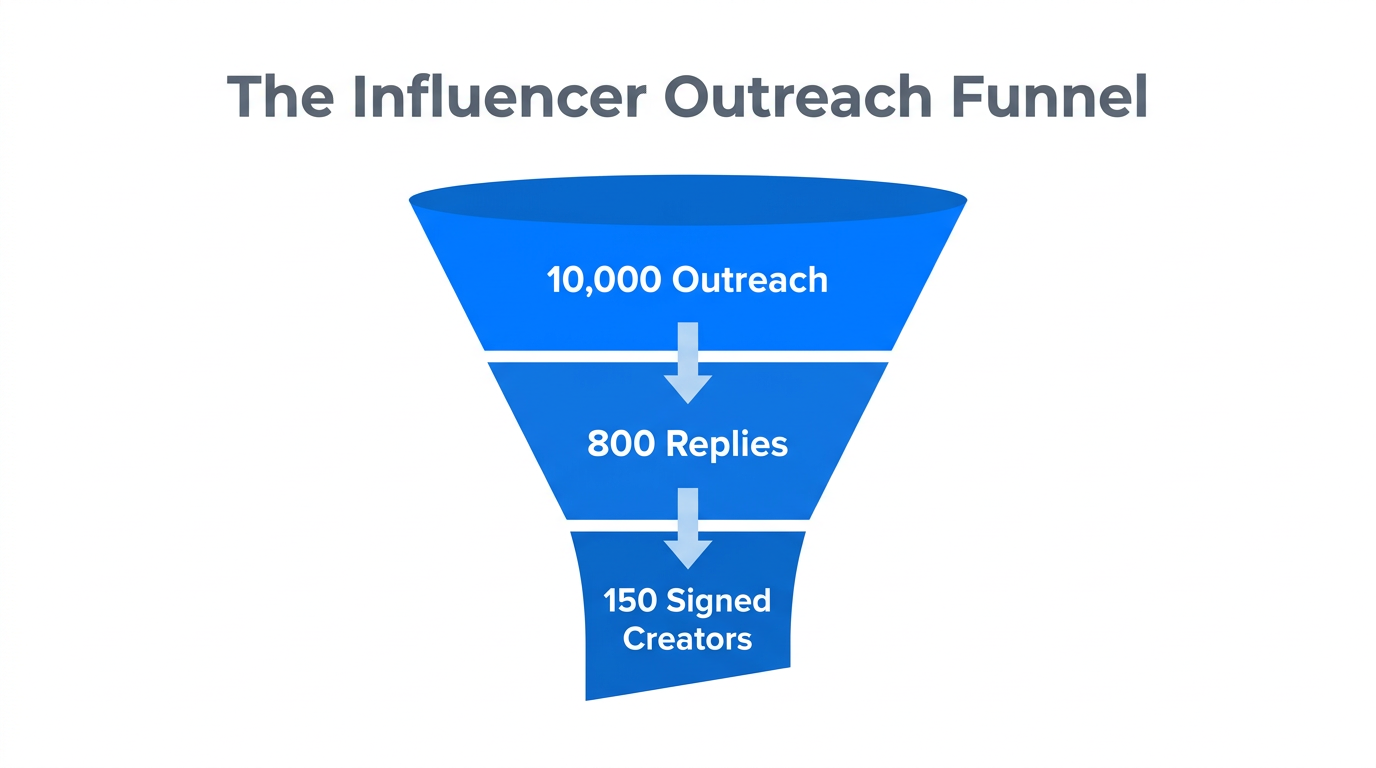
Cal AI’s initial growth didn't come from a massive TikTok Ads Manager spend. Instead, it was fueled by a relentless, high-volume influencer marketing strategy. The team didn't just message ten creators; they messaged hundreds. The goal was to generate native, organic-style content that didn't feel like a polished advertisement.
This strategy involves a systematic approach to creator economy distribution:
- Massive Sourcing: Identifying creators across niches beyond just "fitness"—including lifestyle, student, and tech creators.
- Hyper-Personalized Outreach: Using AI-driven tools to find and contact creators at scale without losing the human touch.
- The Numbers Game: Treating outreach like a sales funnel. If you message 500 creators, 50 might reply, and 10 might post. Scaling this to thousands of messages is how Cal AI hit $2M/month in organic revenue.
Platforms like Stormy AI have revolutionized this by allowing brands to discover creators through natural language prompts and automate the follow-up process, which was previously a manual bottleneck for teams.
Managing Creator Relationships: Downloads Over Awareness
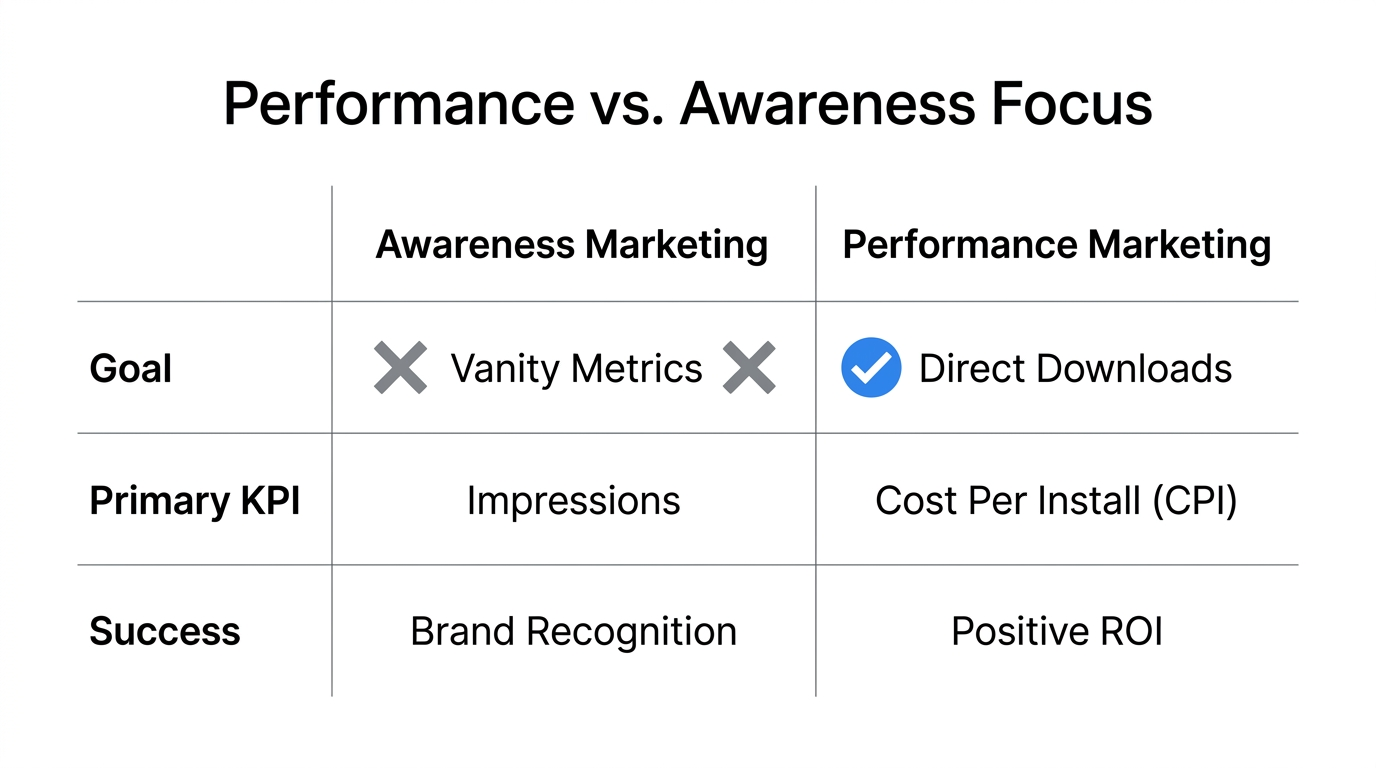
A common mistake in 2026 is focusing on "brand awareness" rather than direct response. Cal AI managed creator relationships with a single KPI in mind: app downloads. To achieve this, they moved away from generic shoutouts and toward native integration. A creator wouldn't just say "use this app"; they would show their actual lunch, snap the photo, and show the AI's response in real-time.
| Metric | Brand Awareness Focus | Direct Response (Cal AI Style) |
|---|---|---|
| Content Style | High-production, scripted | Lofi, native, organic-looking | "Check out the link in bio" | "Track your meal with me" (Visual proof) |
| Primary KPI | Impressions / Reach | Installs / Cost Per Acquisition (CPA) |
| Success Factor | Creator's fame | Content's shareability/relatability |
By 2026, the audience has developed "ad blindness" to traditional sponsorships. To combat this, Cal AI leveraged rage bait and controversy. For instance, launching a "douchebag arc" on Twitter (X)—showing off Lamborghinis and luxury lifestyles—wasn't just ego; it was a calculated move to spark conversation and drive curious users to the app store. Even negative comments drive the algorithm, pushing the content to more potential users.
Tracking the Data: Analytics for Subscription Apps
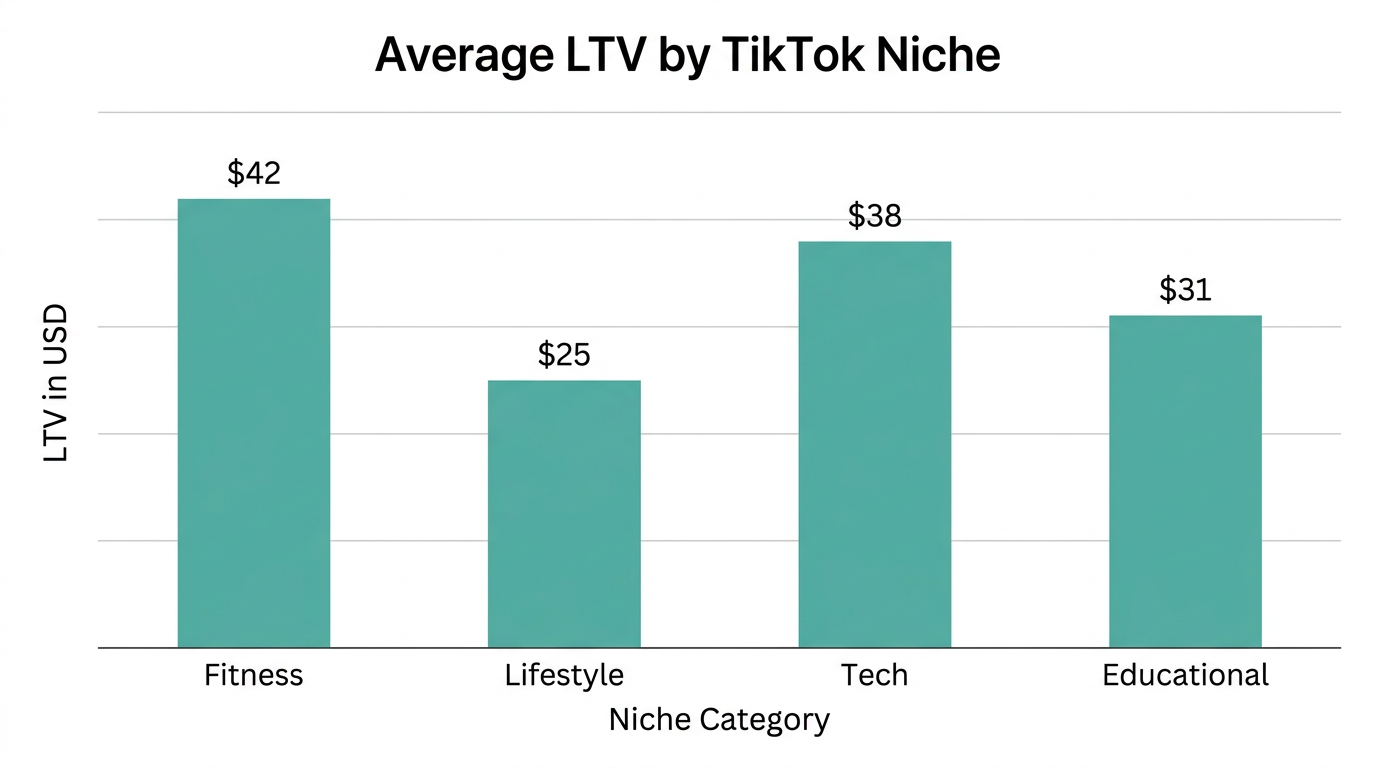
Once the organic engine was humming at $2M/month, the team needed to understand who their best users were. Scaling mobile app revenue requires knowing the Lifetime Value (LTV) of a user acquired from a fitness creator versus a user from a "productivity" creator. Tracking attribution on TikTok is notoriously difficult because users often bypass the link in bio to search the App Store directly.
To solve this, Cal AI looked at time-overlap analysis and promo code usage. When a creator like MrBeast features a product (as seen in the $500,000 sponsorship of the "locked in a gym" video), the team monitors the immediate spike in organic searches. Despite a $500k price tag, the halo effect of such deals—including increased brand credibility and better performance for future ads—often makes them profitable in the long term even if the immediate return is 0.8x.
"If intelligence becomes super abundant through AI, the only things that stay scarce are human connection and real-world results. We built for the latter."
From Founder-Led to a Systematic Team of 30+
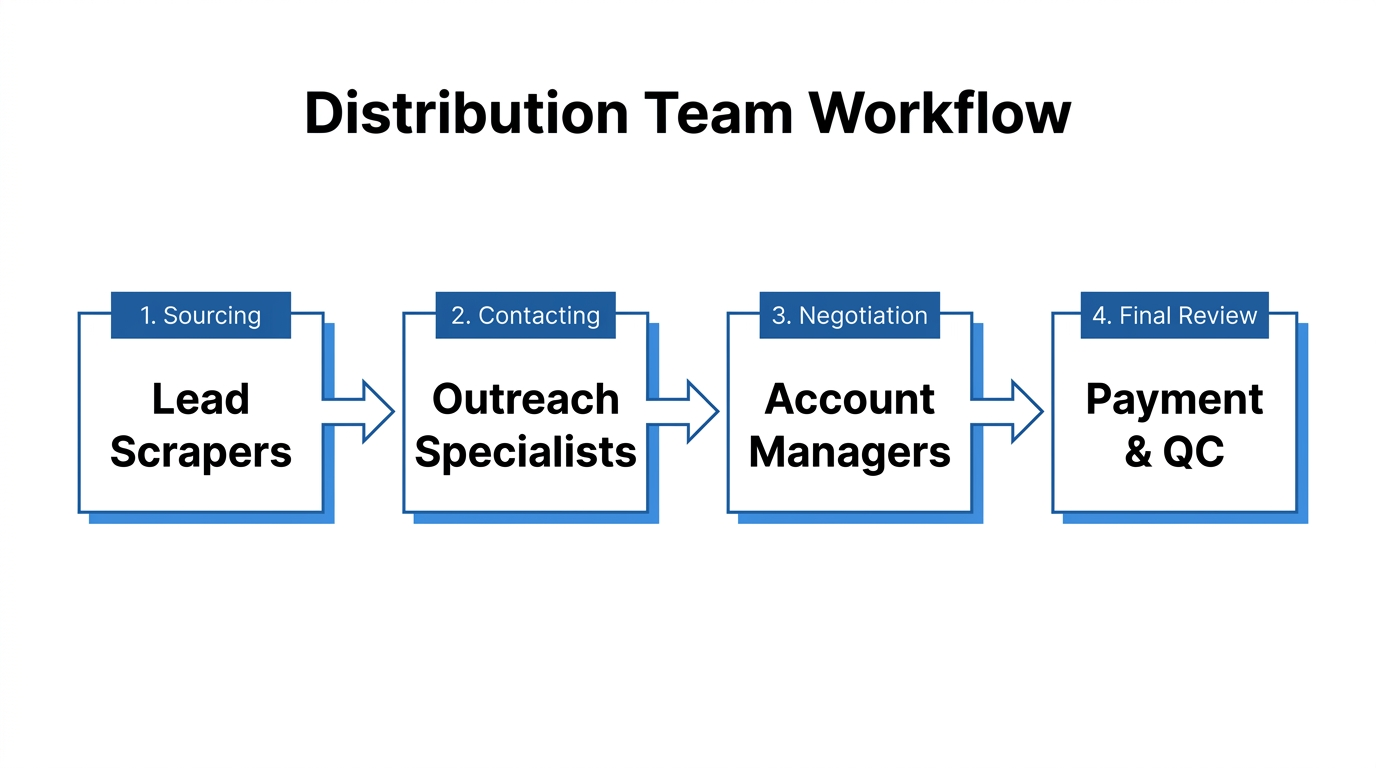
The transition from a high-schooler's side hustle to a $30M/year enterprise required building a systematic distribution team. By 2026, Zach had moved into a house in Miami with fellow entrepreneurs, essentially creating a content house and business incubator. The team grew to over 30 people, focusing on two main areas:
- Organic Distribution: A team dedicated to managing hundreds of creator relationships and maintaining the viral loop.
- Performance Marketing: As organic growth plateaued, they pivoted to Meta Ads Manager and Google, spending upwards of $1 million per month in January 2026 to fuel the $5.7M revenue peak.
This hybrid approach—starting with high-volume organic outreach to find winning creative, then pouring fuel on the fire with paid ads—is the definitive playbook for app scaling in 2026. Tools like Canva and CapCut were essential for rapid creative iteration, allowing the team to test dozens of hooks every week.
The EV Framework: Making Billion-Dollar Decisions
Discover the specific frameworks used to evaluate risk and make big business decisions.One of the most impressive aspects of the Cal AI story is the Expected Value (EV) framework used by the founders. When faced with an acquisition offer from MyFitnessPal, the team didn't just look at the number. They looked at the probability of future success versus the certainty of a liquid exit.
Using an EV model allows founders to be objective. If there is a 90% chance of a $100M exit today, versus a 20% chance of a $500M exit in three years (with a risk of the company going to zero), the math often favors the immediate liquidity. For a 19-year-old founder, this liquidity becomes a "nest egg" that compounds over decades, providing the capital to take even larger swings at billion-dollar companies in the AI and hardware space later in life.
Conclusion: The Future of Creator Economy Distribution
Final thoughts and concluding remarks on building a massive business in record time.The Cal AI story isn't just a tale of a lucky viral hit. It is a masterclass in influencer marketing strategy for 2026. By combining a highly marketable product, a relentless outreach engine, and a data-driven approach to scaling, Zach and his team proved that the barriers to entry in the app space have never been lower for those who understand distribution.
As we move further into 2026, the winners will be those who can leverage AI to automate the mundane (like sourcing thousands of creators) while focusing their human energy on high-leverage creative strategy and decision-making frameworks. Whether you are building the next health app or a B2B SaaS tool, the playbook remains the same: find the viral loop, message the creators, and scale the winners.
Ready to find your next army of creators? Start by using Stormy AI to discover and outreach to the influencers who will drive your next $1M month.