In the high-stakes world of consumer tech, few stories have captured the entrepreneurial imagination in 2026 quite like the rise and exit of Cal AI. Founded by Zach, a teenager who started programming at age seven, the app transformed from a high school side project into a powerhouse generating $30 million in annual revenue by the end of 2025. In early 2026, the company officially announced its acquisition by fitness titan My Fitness Pal. But the path to the wire wasn't a straight line of inbound offers and champagne toasts; it was a calculated, often grueling masterclass in M&A for tech founders.
As we navigate the current 2026 landscape, the 'Bought vs. Sold' dichotomy has never been more relevant. Zach’s journey reveals that while the media loves a story of passive acquisition, the most successful exits are engineered through leverage, tenacity, and a 'no one is coming to save us' mindset. This guide breaks down the tactical playbook used to turn a calorie-tracking app into a multi-million dollar exit strategy.
The 'No One is Coming to Save Us' Mindset
The most dangerous trap a founder can fall into is building a company specifically to be acquired. When you build for an exit, you often make short-term decisions that weaken the long-term viability of the business. Zach’s breakthrough came when he realized that the magical, unsolicited offer might never arrive. After an initial round of outreach in mid-2025 resulted in lukewarm interest, he shifted his focus entirely.
This psychological shift is what many call the "independence play." By focusing on turning Cal AI into a sustainable, cash-flowing machine, Zach removed the scent of desperation that often kills deal multiples. He began looking for a CEO to take over daily operations so he could step back, effectively signaling to the market that Cal AI didn't need a parent company to survive. This resolve is what ultimately brought My Fitness Pal to the table with a serious offer.
"The second you don't want to date someone or you don't really care, they start coming to you. M&A is exactly like dating—leverage is found in the willingness to walk away."The 'Play Hard to Get' Framework: Signaling Leverage
Discover the tactical positioning strategies used to manage acquisition offers and maximize value.
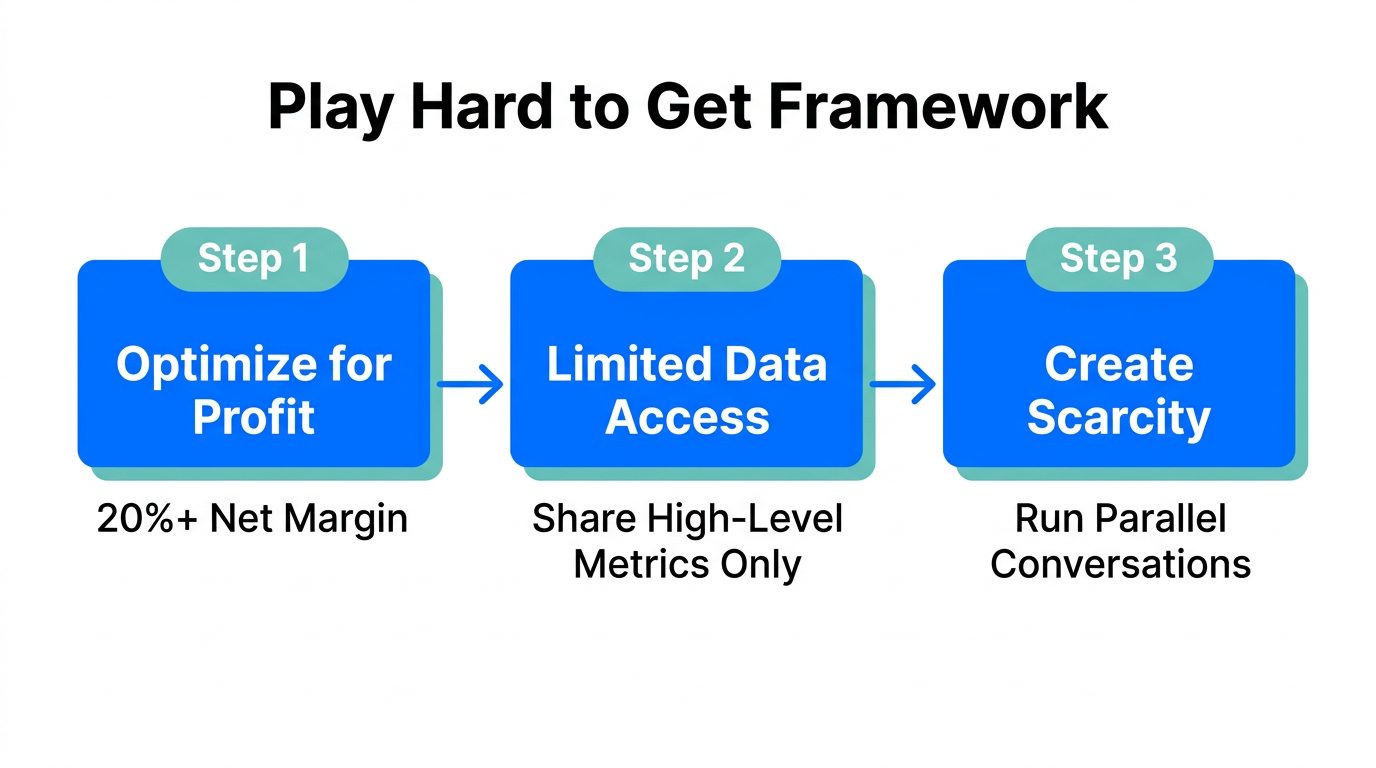
Leverage in a negotiation is the ability to say "no" and mean it. In the Cal AI acquisition, Zach utilized a framework of calculated indifference. When you communicate with potential buyers, the message shouldn't be "Please buy me," but rather, "We are going places with or without you—would you like to be part of that journey?"
Creating the 'Going Places' Signal
To execute this, founders must demonstrate momentum that is independent of the acquisition. For Cal AI, this meant hitting $5.7 million in revenue in January 2026 alone. When a buyer sees a $50M+ annual run rate, according to data from Sensor Tower mobile trends, they aren't just buying a product; they are buying a rocket ship that is currently outperforming them. You signal this by:
- Sharing high-level growth metrics that show a clear upward trajectory.
- Discussing long-term product roadmaps that extend 3-5 years into the future.
- Rejecting initial low-ball offers immediately to establish a floor.
By the time My Fitness Pal engaged in serious talks, Zach had already established that he was content to continue as a standalone entity. This forced the buyer to move from a position of "doing the founder a favor" to "securing a strategic asset before a competitor does."
Tactical M&A: Moving Beyond Cold Outreach
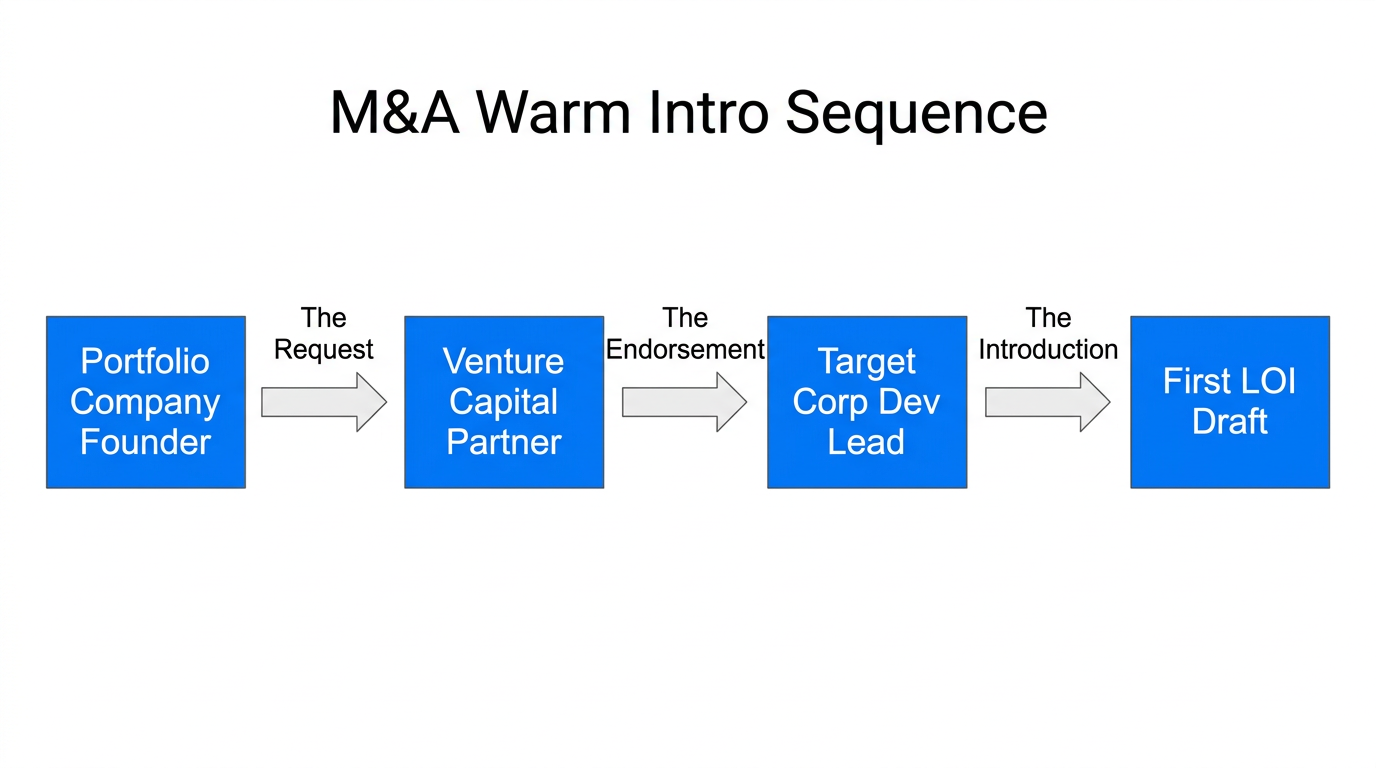
One of the most common mistakes in a startup exit strategy is cold-emailing Corporate Development (CorpDev) teams. This screams "distressed asset." Instead, Zach focused on warm introductions to CEOs and Private Equity firms. In 2026, the most effective way to reach the C-suite is through peer-to-peer recommendations.
| Outreach Method | Pros | Cons | Result Quality |
|---|---|---|---|
| Cold CorpDev Email | Fast to execute | Low leverage, perceived as desperate | Low |
| Banker-Led Process | Broad reach, professional | Expensive, can feel transactional | Medium |
| CEO-to-CEO Warm Intro | High trust, strategic focus | Harder to secure | High (The Winner) |
Zach initially reached out to the CEO of My Fitness Pal, Mike Fischer, under the guise of seeking advice on freemium models. While Fischer didn't give away company secrets, the conversation naturally evolved from a mentorship chat into a strategic partnership discussion. This "Trojan Horse" approach allows you to showcase your brilliance and the quality of your team without explicitly putting a "For Sale" sign on the lawn.
The Growth Engine: How Cal AI Scaled to $30M
Learn how viral awareness and influencer strategies drove massive growth for Cal AI.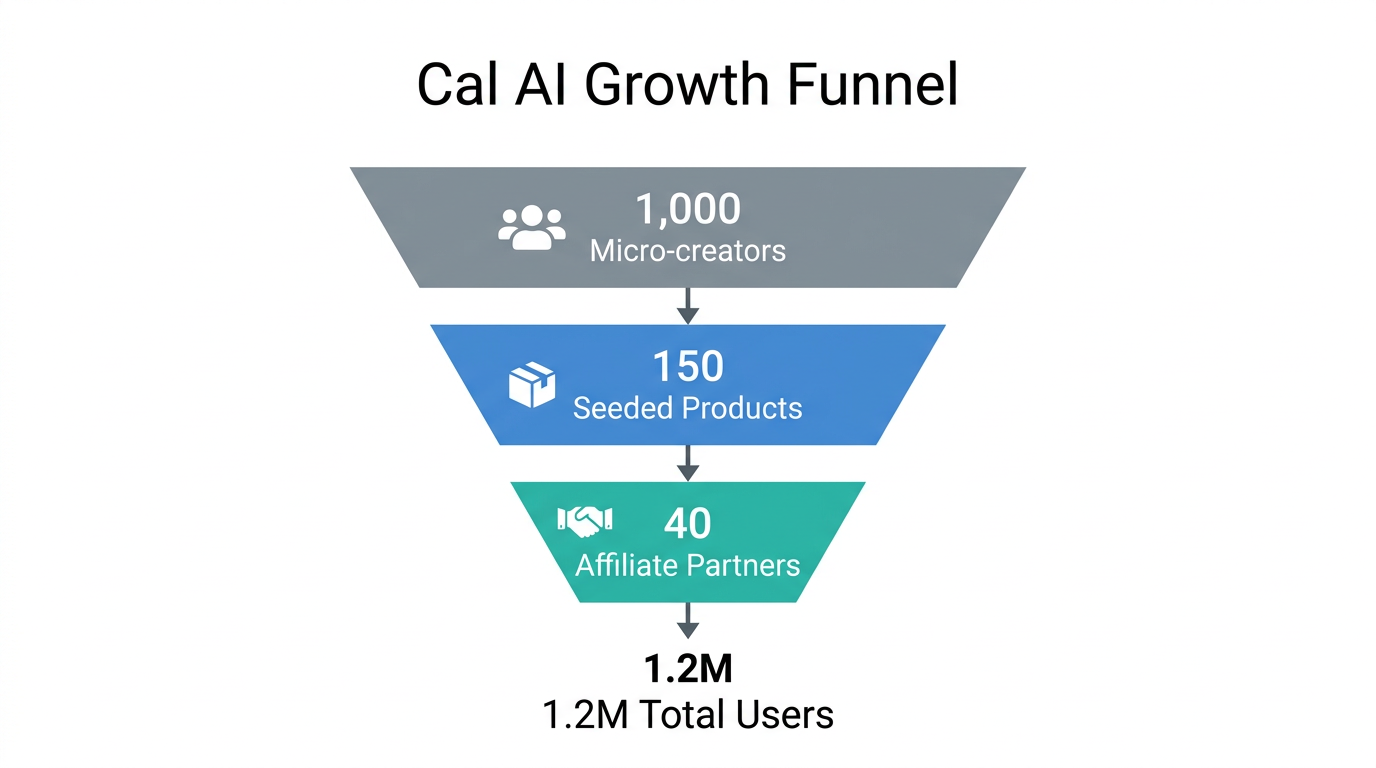
You cannot sell what you haven't scaled. Cal AI’s massive valuation was built on the back of an aggressive influencer marketing and UGC strategy. In the early stages, the team relied on manual outreach to thousands of creators on TikTok and Instagram.
For modern brands in 2026, the bottleneck is no longer content—it's discovery and management. While Zach's team spent hundreds of hours manually vetting fitness creators, today's founders use AI-powered platforms like Stormy AI to instantly identify high-performing influencers with authentic audience quality. By automating the outreach and vetting process, brands can replicate Cal AI's $2M/month influencer revenue far faster than previously possible.
"We did an ad with Mr. Beast and paid half a million dollars. It was unprofitable on day one, but the brand credibility it gave us enabled every deal that followed."Later, the team layered on performance ads via Meta Ads Manager and TikTok Ads, spending over $1M per month. This omnichannel approach—combining the authenticity of UGC with the precision of paid social—created a moat that made Cal AI an irresistible acquisition target for legacy players like My Fitness Pal.
The EV Framework: Making the Decision to Sell
Analyze risk and reward using the Expected Value framework for high-stakes business decisions.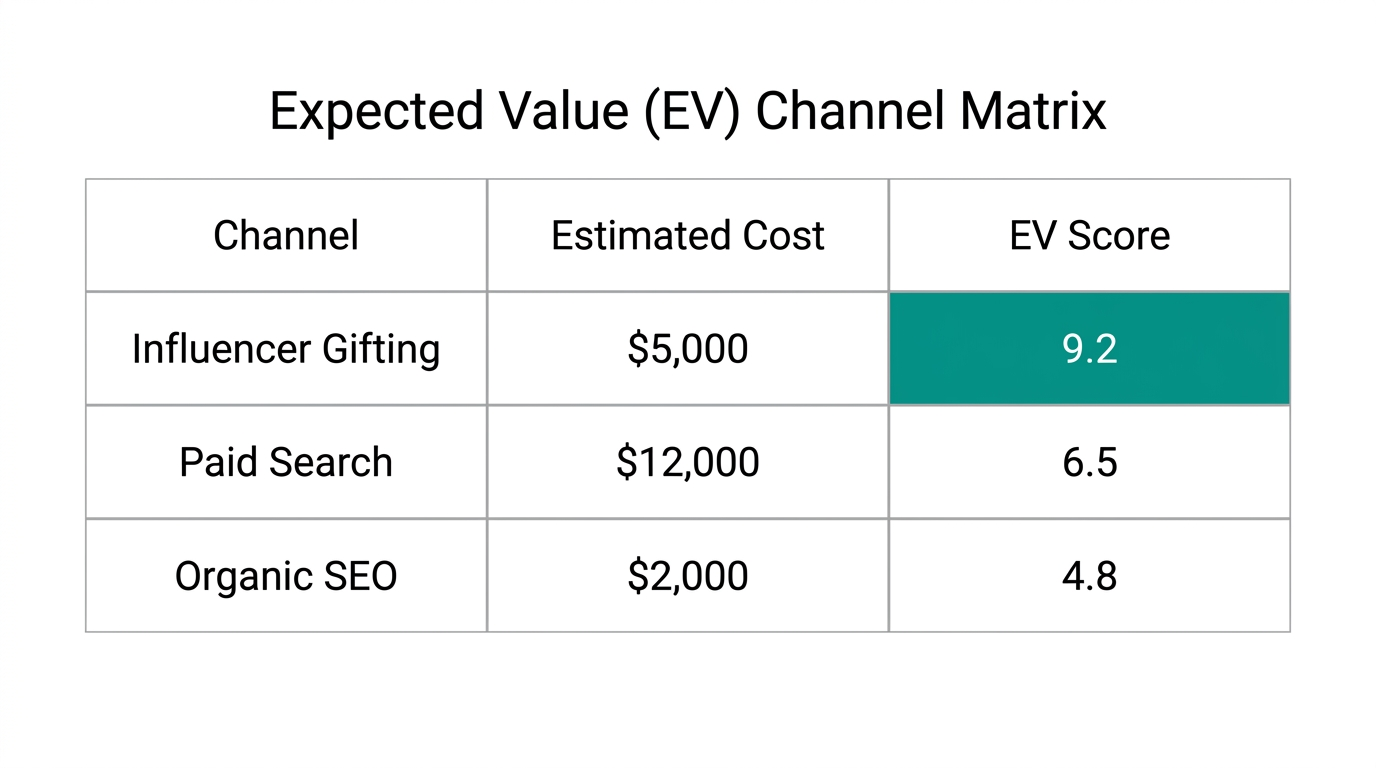
When the offer finally arrives, how do you know if it's the right time? Zach used the Expected Value (EV) framework to remove emotion from the how to sell an app equation. This involves calculating the probability of different outcomes to determine if the bird in the hand is worth more than the two in the bush.
Example EV Calculation for an Exit:
- Scenario A (Sell Now): 90% chance of a $100M exit. EV = $90M.
- Scenario B (Keep Growing): 20% chance of a $500M exit, but 30% chance of a competitor (or AI advancement) wiping you to zero. EV = $100M.
In this scenario, Scenario A and B have the same EV, but Scenario A offers immediate liquidity. For a 19-year-old founder, the ability to take significant capital off the table and let it compound in the S&P 500 often outweighs the "moonshot" risk of staying independent.
Managing the Post-Acquisition Transition
Understand the mental shift required when moving from CEO to your next entrepreneurial venture.A common misconception is that the founder gets the wire and disappears to a beach. In the My Fitness Pal acquisition, Zach stayed on as the CEO of Cal AI under the new corporate umbrella. This transition requires a shift from unbridled entrepreneurial freedom to operating within a structured environment.
Working under a seasoned operator like Mike Fischer (formerly of Etsy) provides a different kind of education—one in scale, rigidity, and organizational health. For founders who have only known the "move fast and break things" startup culture, this phase is effectively a paid PhD in executive leadership. Zach’s decision to stay indicates a commitment to the product's long-term endurance, ensuring the transition is smooth for the 30-person team and millions of users.
Conclusion: The 2026 Founder Playbook
The Cal AI exit to My Fitness Pal serves as a definitive blueprint for the next generation of app developers. It proves that age is no barrier to market dominance, provided you can master the dual skills of building a viral product and running a professional M&A process.
To summarize the 2026 strategy for a successful exit:
- Build for endurance: Adopt the mindset that no one is coming to save you.
- Engineer leverage: Scale your revenue to the point where you are a threat, not just an option.
- Automate growth: Use tools like Stormy AI to dominate the influencer and UGC space early.
- Use warm intros: Reach CEOs through peer networks, not cold emails.
- Run the math: Use the EV framework to ensure your exit timing is objective, not emotional.
Whether you are a 19-year-old in a dorm room or a seasoned developer, the 2026 exit environment rewards audacity, data-driven decisions, and the grit to keep walking through hell until you reach the wire.