In 2026, the era of the expensive, bloated SaaS subscription is coming to a quiet end. While marketing departments once spent hundreds of thousands of dollars annually on a fragmented stack of tools for SEO, PPC, and content management, the current landscape has shifted toward Action AI frameworks. Growth teams are no longer just prompting for copy; they are using tools like Claude Code to build proprietary automation stacks, internal dashboards, and custom agents that live entirely within their own infrastructure.
This transition from generative text to autonomous coding agents has created a massive new sector within MarTech. According to Research and Markets, generative AI in marketing is projected to reach $4.35 billion by the end of 2026. More importantly, the broader market for autonomous agents is expected to exceed $10.9 billion this year. The message is clear: the technical marketer of 2026 doesn't buy software; they orchestrate it.
The Rise of 'Shadow Engineering' and Disposable Apps
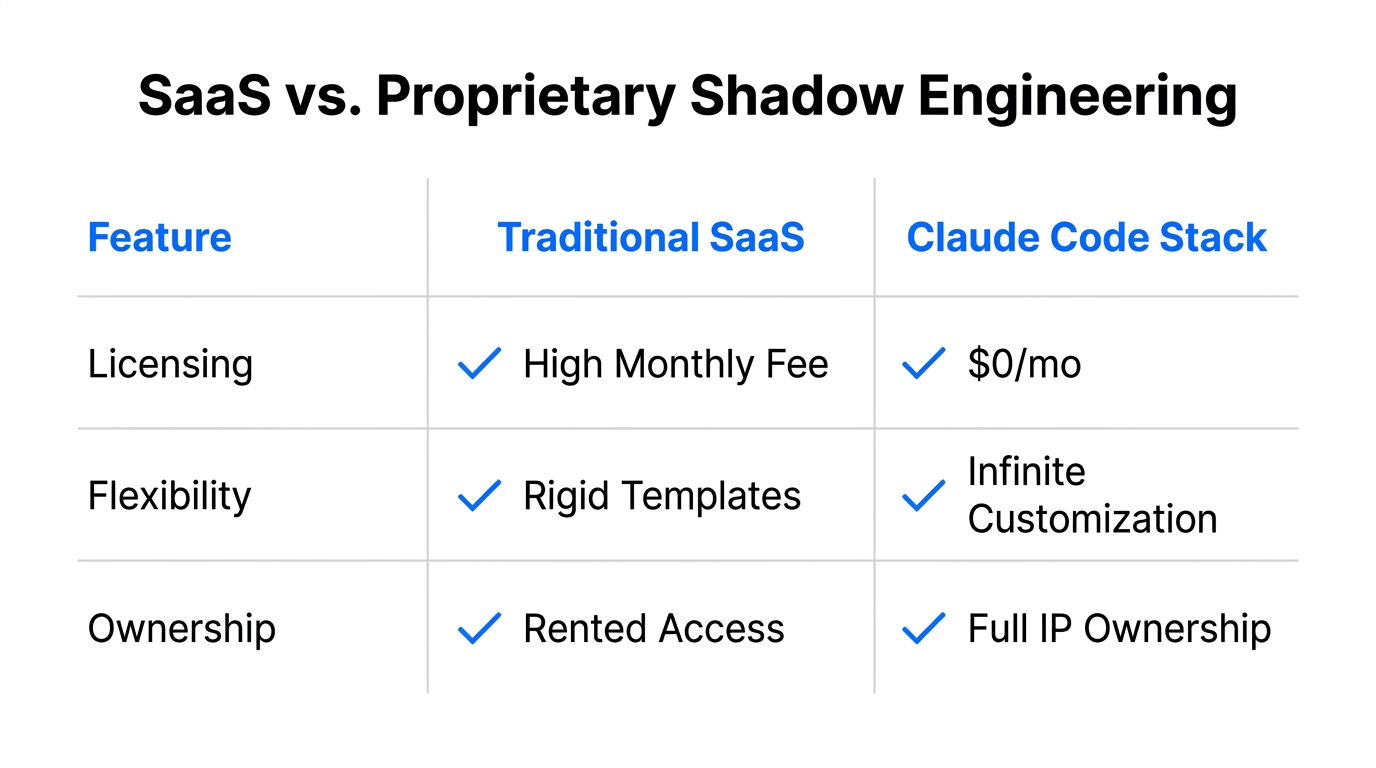
One of the most disruptive trends of 2026 is Shadow Engineering. This is the practice of marketing teams bypassing traditional IT departments to build their own internal tools. Instead of waiting six months for a developer to prioritize a landing page optimization tool, marketers use Claude Code to build "disposable apps"—small, highly specific scripts or interfaces used for a single campaign and then discarded once the goal is met.
As noted by MKT1, this shift allows for unprecedented agility. If a brand needs a custom Reddit sentiment analyzer for a week-long product launch, they can build it in an afternoon. This is only possible because tools like Bolt.new and Claude Code have lowered the barrier to production-grade engineering, allowing teams to deploy code directly to Vercel or GitHub in minutes.
"The Technical Marketer 2.0 doesn't write code; they orchestrate agents. If you can describe a workflow, Claude Code can build the pipeline."
Case Study: How Adventure Media Replaced Five SaaS Platforms
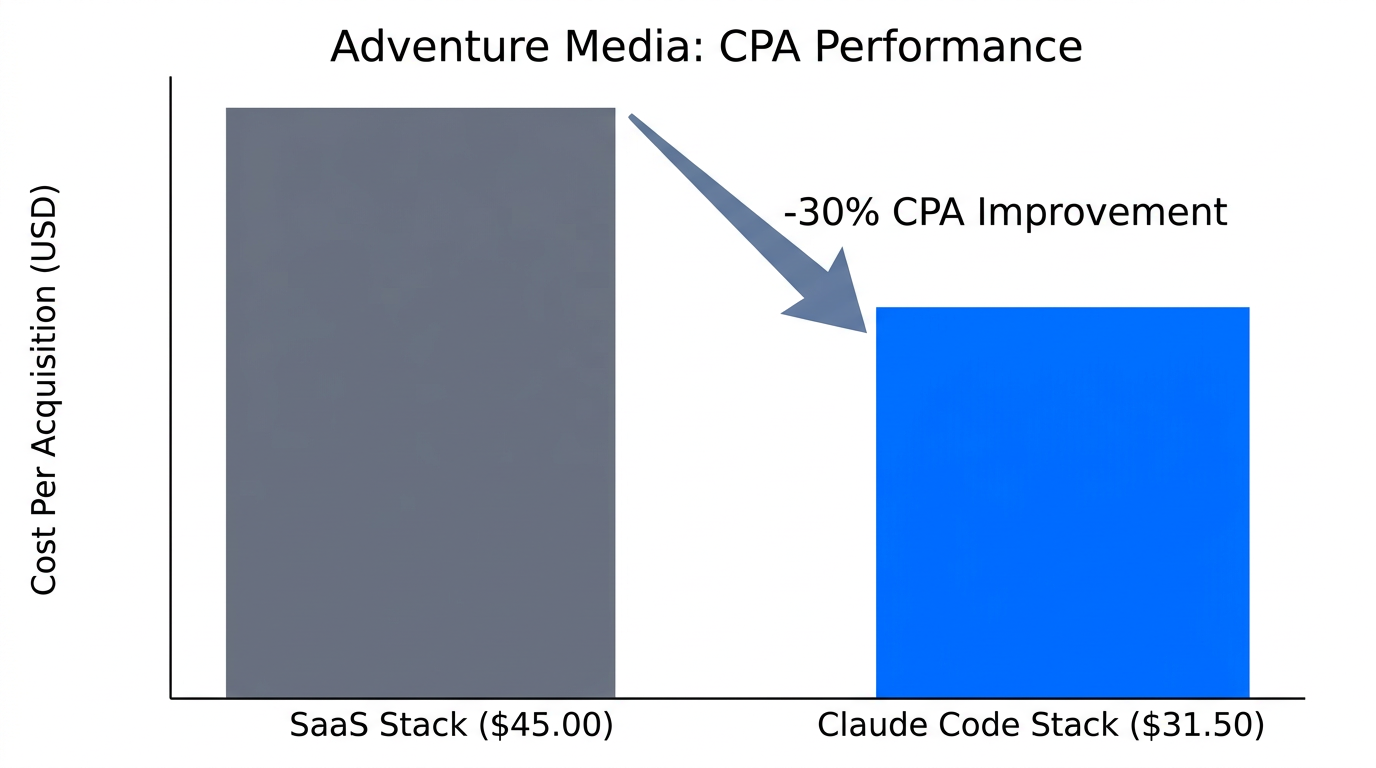
To understand the financial impact of this shift, look at Adventure Media. In early 2026, the digital agency realized they were paying for five separate SaaS platforms to handle ad data extraction, client reporting, and bid monitoring. By leveraging Claude Code, they built a library of custom marketing automation tools in-house.
The result? Instead of paying monthly per-user fees, they created a proprietary tool that pulls ad data via API and generates automated reports in seconds. Production-ready tools were built in days rather than weeks, effectively eliminating thousands of dollars in monthly overhead. This trend toward proprietary marketing automation—often supplemented by specialized data platforms like Stormy AI for creator-specific data—is a primary reason why Anthropic’s coding-specific agent reached an estimated $2.5 billion annualized run-rate by Q1 2026.
Creating a 'Marketing Brain' with Claude Code Skills
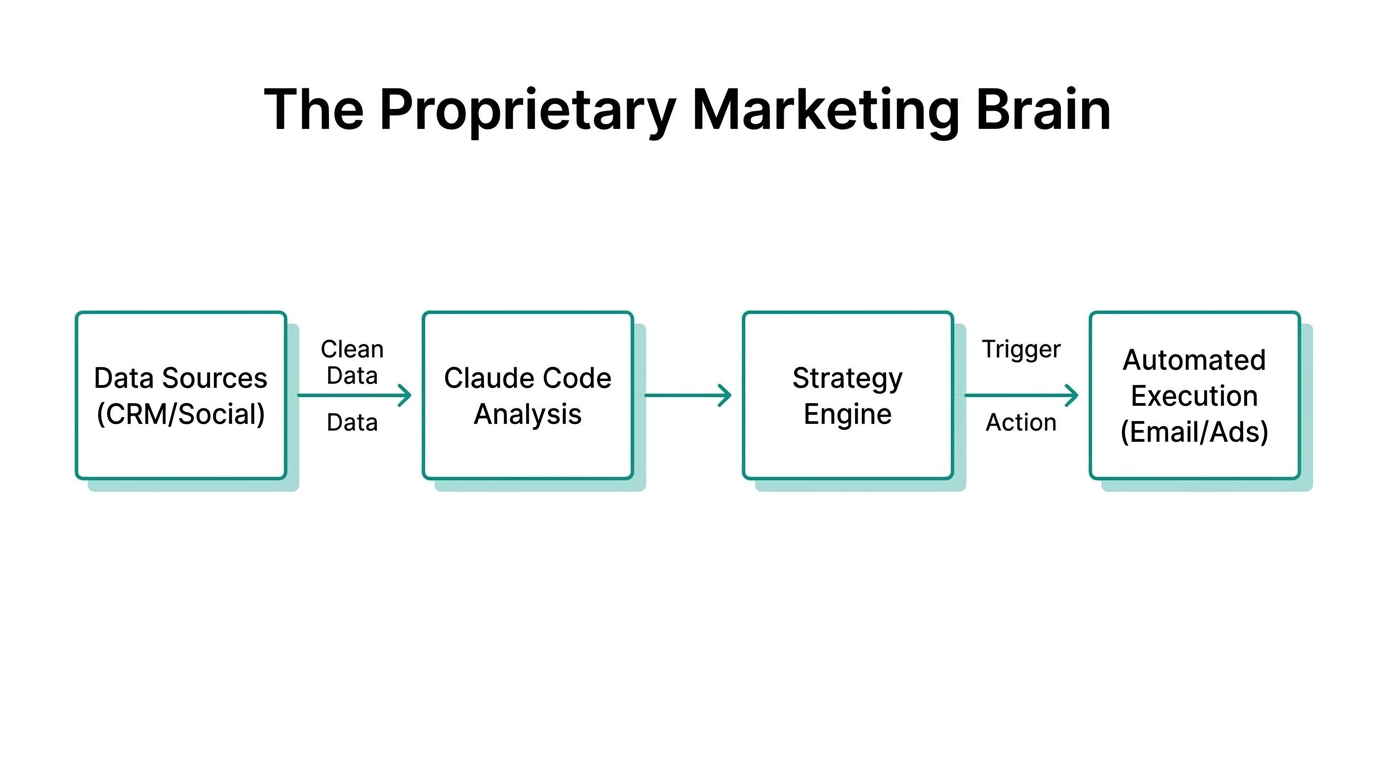
A major breakthrough in 2026 is the ability to store brand logic and strategy playbooks as Markdown files, creating what Emily Kramer of MKT1 calls a "Marketing Brain." By using Claude Code **Skills**, teams can ensure every AI-generated campaign follows their specific brand logic without manual oversight.
Your "Marketing Brain" might include:
- Standard Operating Procedures (SOPs): How the brand handles customer objections, often stored in Notion or Markdown.
- Tone and Voice Guides: Specific formatting rules and forbidden words.
- Historical Performance Data: What types of hooks have historically converted on TikTok.
When Claude Code is tasked with building an automation, it pulls these Markdown files into its context, ensuring the output isn't just functional, but brand-aligned. For companies focused on social growth, integrating Stormy AI into this "brain" provides the real-time engagement and quality metrics needed to vet influencers automatically. This level of AI-driven content roadmap generation ensures consistency across thousands of automated interactions.
Automated Mention Tracking: The Firecrawl Pipeline
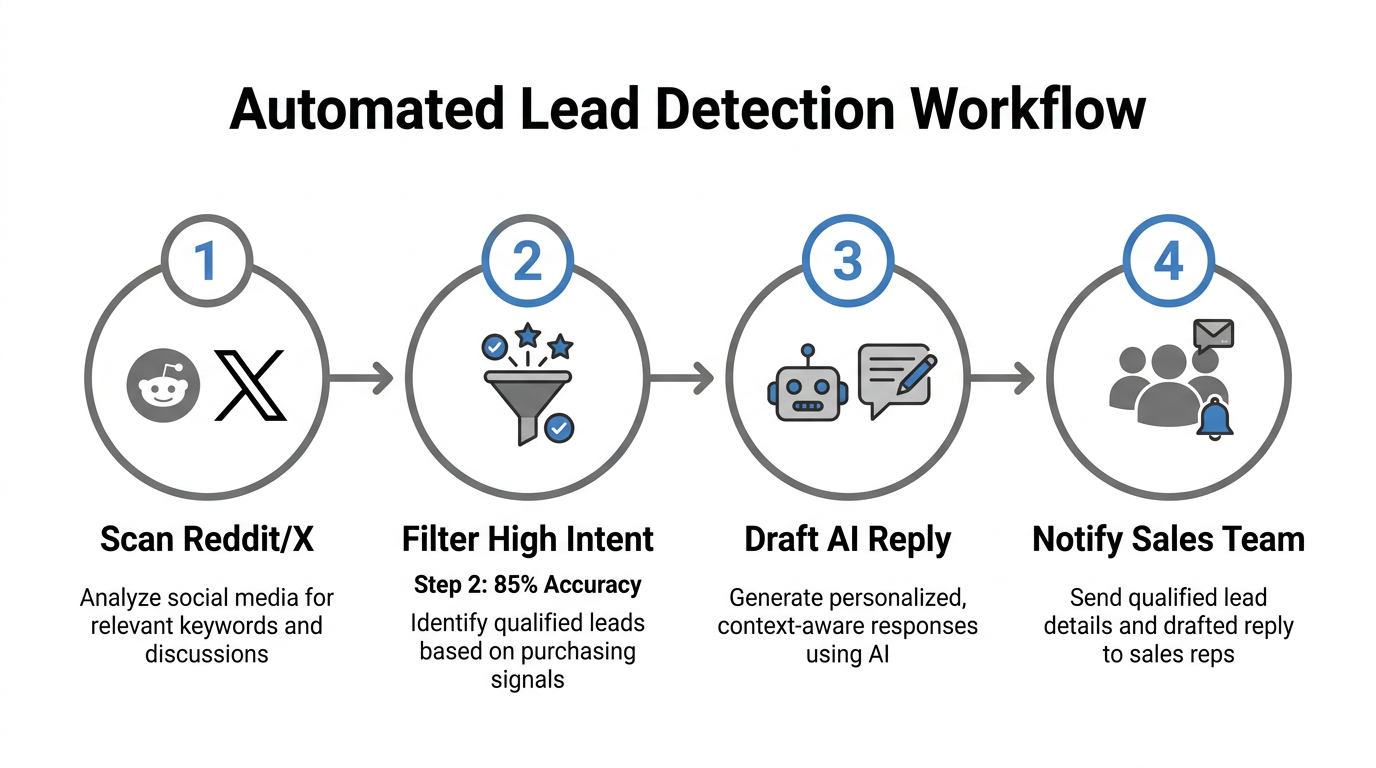
Another powerful application is the creation of autonomous data pipelines. Growth marketers are currently using a combination of Firecrawl and Claude Code to turn social sentiment into actionable content. Firecrawl acts as the scraper that feeds clean data into Claude, which then generates responses or campaign ideas based on current trends.